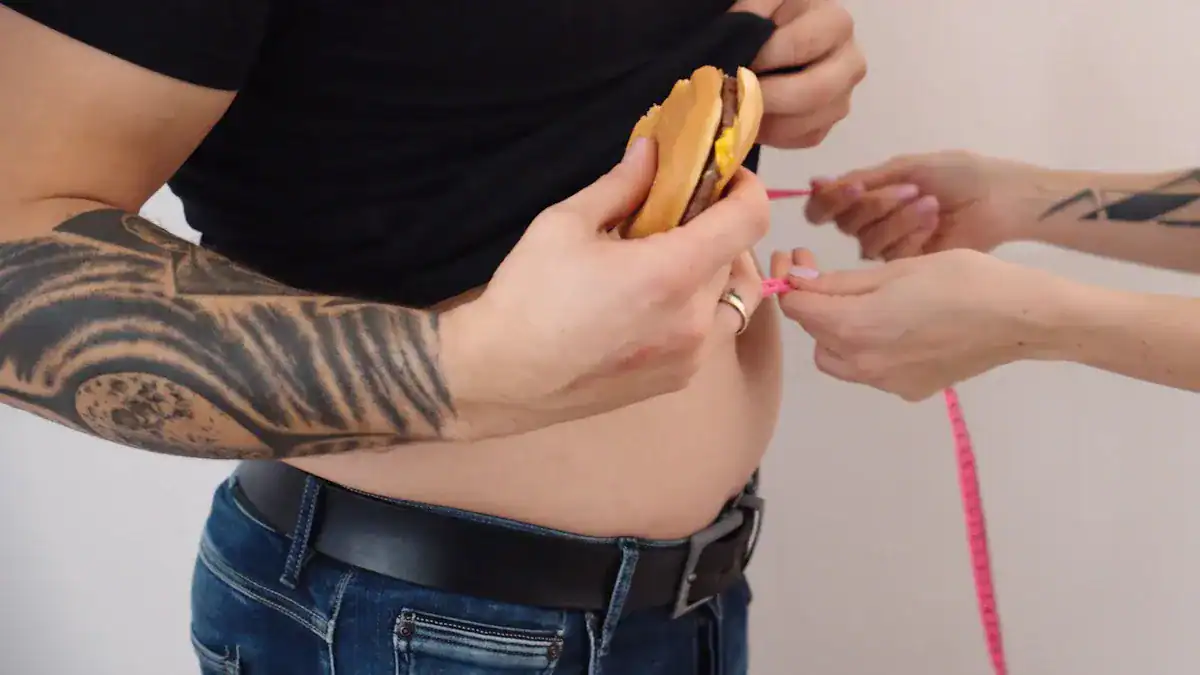
Body fat percentage shows the amount of fat in your body compared to lean mass. This gives you a clearer picture of your body composition and overall health than just your weight. High levels of visceral fat, a type of body fat, significantly increase your risk for serious health issues like heart disease and type 2 diabetes.
This body fat percentage chart guide will help you understand optimal body fat percentage ranges. Knowing these ranges empowers you to set a realistic health goal for a healthy lifestyle. This post guides you through understanding your own body fat percentage for effective goal setting.
Key Takeaways
Body fat percentage shows the fat in your body. It is more helpful than just your weight for health.
Optimal body fat ranges differ for men and women. These ranges help you set health goals.
Many ways exist to measure body fat. Some are simple, and some need special tools.
DXA and Bod Pod tests give accurate body fat results. They help you track your progress.
Improve your body fat by eating well and exercising. Set realistic goals for good health.
Understanding Body Fat Percentage
Defining Body Fat Percentage
Body fat percentage is a crucial metric that tells you the proportion of fat your body holds compared to everything else, which includes your muscles, bones, organs, and water. This is known as your body composition.
Think of it this way: your body is made up of two main components – fat mass and lean mass. Your body fat percentage simply expresses the amount of fat mass as a percentage of your total body weight. It includes both essential fat, which your body needs to function, and storage fat, which provides energy and protects organs.
Why Body Fat Matters More Than Weight
You might step on a scale and see a number, but that number doesn’t tell the whole story. Your weight doesn’t differentiate between muscle and fat. For example, two people can weigh the exact same amount, but one might have a high percentage of muscle and a low percentage of fat, while the other has the opposite.
The person with more muscle and less fat is generally healthier and has a better body composition. This is why focusing solely on weight can be misleading; body fat percentage offers a much more accurate and insightful look into your health and fitness level.
Health Impacts of Body Fat Levels
Understanding your body fat levels is vital because they directly impact your health. Having too much body fat, especially visceral fat (the fat stored around your organs), significantly increases your risk for various health problems. These include heart disease, type 2 diabetes, high blood pressure, certain cancers, and sleep apnea.
Conversely, having too little body fat can also be detrimental, affecting hormone production, immune function, and overall energy levels. Maintaining an optimal body fat percentage helps your body function efficiently, reduces disease risk, and supports your overall well-being.
Optimal Body Fat Percentage Chart
Understanding your body’s composition helps you set realistic goals. This body fat percentage chart gives you a clear picture of what different levels mean for your health and fitness. You can use these ranges to understand your current status and what an ideal body fat level looks like for you.
Ideal Body Fat Percentage for Men
Men generally have lower essential fat percentages than women. Your ideal body fat percentage for men can vary based on your age and fitness goals. For general health and an attractive physique, many men aim for 14–17% body fat. If you are an athlete, your ideal body fat might be much lower.
Here is a general guide for men’s body fat percentage ranges:
Age Group (years) | Low (%) | Excellent (%) | Good (%) | Fair (%) | Poor (%) | Dangerously High (%) |
|---|---|---|---|---|---|---|
20–29 | under 8 | 8 to 10.5 | 10.6 to 14.8 | 14.9 to 18.6 | 18.7 to 23.1 | over 23.2 |
30–39 | under 8 | 8 to 14.5 | 14.6 to 18.2 | 18.3 to 21.3 | 18.3 to 21.3 | over 25 |
40–49 | under 8 | 8 to 17.4 | 17.5 to 20.6 | 20.7 to 23.4 | 23.5 to 26.6 | over 26.7 |
50–59 | under 8 | 8 to 19.1 | 19.2 to 22.1 | 22.2 to 24.6 | 24.7 to 27.8 | over 27.9 |
60–69 | under 8 | 8 to 19.7 | 19.8 to 22.6 | 22.7 to 25.2 | 25.3 to 28.4 | over 28.5 |
For men, an ideal body fat for athletes typically falls between 6–13%. If you want to see visible muscle striations, your body fat percentage needs to be quite low. For example, a body fat percentage of 5-9% often shows clearly visible and defined muscles, a characteristic of professional bodybuilders. When you reach 5-7% body fat, muscle striations become visible in large muscle groups when you flex them. This is often a target for competitive bodybuilders.
Ideal Body Fat Percentage for Women
Women naturally carry more essential fat than men. This is necessary for reproductive functions and overall hormonal balance. Your ideal body fat percentage for women is generally higher than for men.
Women need a minimum of 10-13% essential fat for healthy bodily functions. If a woman’s body fat percentage drops below this essential range, it can negatively impact her health. Insufficient essential fat can impair cell function, hormone regulation, and the protection of vital organs. Critical bodily systems, like your immune and neurological systems, can suffer without enough essential fat. Essential fat is also crucial for hormone regulation, including hormones vital for fertility.
Interpreting Body Fat Categories
You can categorize body fat percentage ranges to better understand your body composition. These body fat categories help you identify where you stand.
Here is a common breakdown of body fat categories for men:
Category | Percentage Range |
|---|---|
Essential Fat | 2-5 percent |
Athletes | 6-13 percent |
Fitness | 14-17 percent |
Acceptable | 18-24 percent |
Obesity | ≥25% |
This chart visually represents these categories:
Essential Fat: This is the minimum amount of fat your body needs to function. Going below this level is unhealthy.
Athletic: This range is common for individuals who are very active and have a high level of fitness. You will likely have a lean physique.
Fitness: This range indicates a good level of fitness. You are likely in good shape and have an ideal body fat for general well-being.
Acceptable Body Fat: This range is considered acceptable body fat for most people. It means you are not obese, but you might not be as lean as someone in the fitness or athletic categories.
Obesity: A body fat percentage in this category indicates a higher risk for health problems.
Knowing your optimal body fat range helps you set informed goals. This body fat percentage chart provides a valuable reference point.
How to Measure Body Fat Percentage
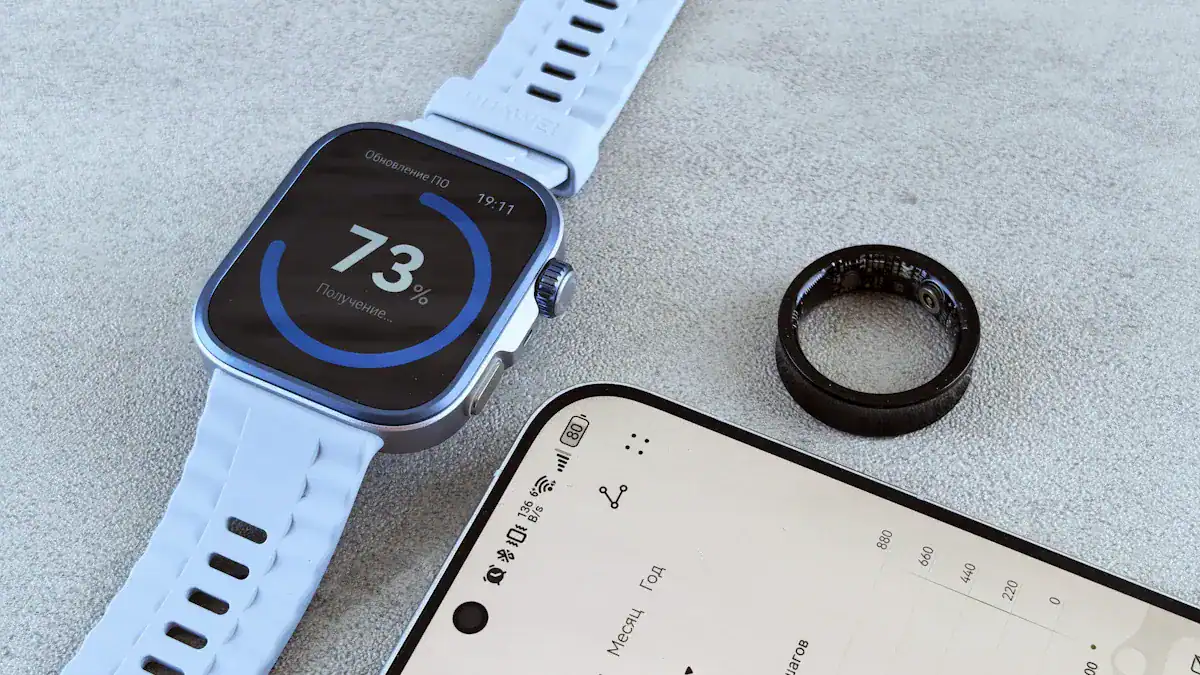
You want to know your body fat percentage. Many methods exist to help you find this number. Each method has its own way of measuring body fat percentage. Some are simple and you can do them at home. Others require special equipment and trained professionals. Knowing how to measure body fat percentage helps you track your progress.
Common Measurement Methods
You have several options for measuring body fat percentage. These methods vary in how they work, how easy they are to use, and how much they cost. Here are some common ways people calculate body fat percentage:
Skinfold Calipers: You pinch your skin at specific body spots. Then, you measure the thickness of the skinfold with a caliper.
Body Circumference Measurements: You use a tape measure to measure different parts of your body, like your waist, hips, and neck.
Dual-Energy X-ray Absorptiometry (DXA): This is a medical scan that uses X-rays to see your body’s fat, muscle, and bone.
Hydrostatic Weighing: You get weighed both on land and while submerged in water.
Air Displacement Plethysmography (Bod Pod): You sit in a special chamber that measures how much air your body displaces.
Bioelectrical Impedance Analysis (BIA): This method sends a small electrical current through your body. It measures how fast the current travels.
Electrical Impedance Myography (EIM): This is similar to BIA but focuses more on muscle tissue.
3-D Body Scanners: These scanners create a 3D model of your body. They estimate your body fat from your body shape.
Multi-Compartment Models: These are the most accurate methods. They combine several tests to get a very precise body composition assessment.
This table helps you compare these methods:
Method | Advantages | Disadvantages | Accuracy (Error Rate) |
|---|---|---|---|
Skinfold Calipers | Affordable, quick, portable | Requires practice/knowledge, some dislike fat pinching | 3.5–5% body fat |
Body Circumference Measurements | Easy, affordable, uses simple tools | May not be accurate for all body shapes/fat distributions | 2.5–4.5% body fat (can be higher) |
Dual-Energy X-ray Absorptiometry (DXA) | Accurate, detailed info (body regions, bone density) | Often unavailable, expensive, small radiation exposure | 2.5–3.5% body fat |
Hydrostatic Weighing | Accurate, relatively quick | Difficult for some to submerge, requires breath-holding underwater | As low as 2% body fat |
Air Displacement Plethysmography (Bod Pod) | Accurate, relatively quick, no water submersion | Limited availability, expensive | 2–4% body fat |
Bioelectrical Impedance Analysis (BIA) | Quick, easy, consumer devices available | Accuracy varies widely, affected by food/fluid intake | 3.8–5% body fat (can vary) |
Electrical Impedance Myography (EIM) | Relatively quick and easy | Limited information on accuracy | 2.5–3% error relative to DXA (one study) |
3-D Body Scanners | Relatively quick and easy | Not commonly available, gaining popularity | Around 4% body fat (some scanners) |
Multi-Compartment Models | Most accurate method available | Unavailable to general public, requires multiple assessments, complex | Under 1% body fat (gold standard) |
You can also see how the error rates compare in this chart:
Accuracy and Limitations of Each Method
Each body fat measurement method has its strengths and weaknesses. You need to understand these to choose the best option for you.
Skinfold Calipers are affordable and portable.
However, they have some limitations. Calipers measure less subcutaneous fat tissue compared to ultrasound. This happens because the caliper compresses your skin and fat tissue during the measurement. This compression can lead to lower measured values.
It can also be hard to tell the difference between fat and muscle if you have fibrous structures in your muscle. You might see big differences between caliper and ultrasound measurements in certain body areas, like the abdomen. Calipers also tend to under-predict body fat percentage compared to more advanced methods like DXA. Their accuracy also goes down if you are overweight or obese. The person doing the test needs good training for accurate results.
Bioelectrical Impedance Analysis (BIA) devices, including many body fat scales you can buy, are quick and easy to use. They send a small electrical current through your body. The speed of this current helps estimate your body fat percentage. However, the accuracy of BIA varies a lot. Your food and fluid intake can affect the results.
Consumer-grade BIA devices often under-read your body fat percentage by about 5 kg on average. They can have a wide range of error, sometimes up to ±10% when compared to very accurate methods. For example, one study found that multi-frequency BIA (MF-BIA) whole-body measurements showed a bias of -4.0 ± 2.8% compared to DXA.
Body Circumference Measurements are simple and cheap. You only need a tape measure. But these measurements may not be accurate for everyone. Your unique body shape and how your fat distributes can affect the results.
Professional Body Composition Tests
For the most accurate results, you should consider professional body composition tests. These methods often cost more and require special equipment, but they give you a much clearer picture of your body composition. This helps you understand where you stand on a body fat percentage chart.
Dual-Energy X-ray Absorptiometry (DXA) is a highly accurate method. It gives you detailed information about your body fat, lean tissue, and bone density in different body regions. Many consider DXA one of the most reliable ways to assess body composition. A DXA body composition analysis typically costs between $100 and $250 per scan. The price can change based on your location and the facility. Private wellness centers often offer good value. Insurance usually does not cover body composition scans, but it might cover bone density scans in some cases.
The Air Displacement Plethysmography (Bod Pod) is another excellent professional option. Many universities and research centers recognize the BOD POD as a practical gold standard for body composition assessment. It uses air displacement technology.
You sit comfortably in a chamber, and it measures your body volume. This method is accurate, quick, and safe. It does not require you to go underwater, which some people find difficult. The BOD POD has been validated against hydrostatic weighing, which was once considered the gold standard for body fat measurement.
Multi-Compartment Models represent the absolute gold standard for body fat measurement. These models combine data from several different tests, like DXA, hydrostatic weighing, and isotope dilution. They provide the most accurate body fat percentage results, with an error rate often under 1%. However, these tests are usually only available in research settings. They are not practical for the general public.
Setting Body Composition Goals

Body Fat Percentage vs. BMI
You often hear about Body Mass Index (BMI). BMI uses your height and weight to estimate body fat. However, body fat percentage gives you a much clearer picture of your health.
BMI does not tell the difference between muscle and fat. A very muscular person might have a high BMI but low body fat. Someone with a “normal” BMI could still have too much body fat. This is often called “skinny fat.” Experts agree that body fat percentage is a better health indicator. It directly measures fat mass and lean mass. This helps you understand your true body composition.
Here is how BMI and body fat percentage compare:
Feature | Body Mass Index (BMI) | Body Fat Percentage (BFP) |
|---|---|---|
Definition | A measure of body fat based on height and weight. | The proportion of fat in the body relative to total body weight. |
Limitations | Does not distinguish between fat and muscle mass. | Measurement methods can vary in accuracy. |
Body Composition Insight | Limited insight into body composition. | Provides direct insight into fat mass and lean mass. |
Predictive Power for Disease | Less precise in predicting metabolic health risks. | More precise in predicting metabolic health risks. |
Principles for Improving Body Composition
You can improve your body composition by focusing on diet and exercise. To reduce body fat and keep muscle, eat lean proteins. Include healthy fats and complex carbohydrates. Eat plenty of fruits and vegetables.
Track your calories and macronutrients. For exercise, combine resistance training and aerobic training. Strength training helps build muscle and burn fat. Aim for at least two strength training sessions per week. Mixed-intensity training and multi-joint exercises are effective. This approach helps you achieve a healthy body composition.
Realistic Goal Setting and Progress Tracking
When you set goals, make them realistic. A good goal for body fat reduction is 1-3% per month for most people. Men might aim for 1-4% per month. Women can aim for 1-3% per month. This rate helps you make sustainable progress. For setting realistic goals, track your progress.
You can use body composition scans like DXA or Bod Pod. Bioelectrical impedance analysis (BIA) devices also help. Track performance milestones, like lifting heavier weights. Monitor your habits, including nutrition, hydration, and sleep. These tools help you see changes in your body composition over time.
You now understand your body fat percentage. This is key for your health. You learned about optimal ranges and various measurement methods.
Remember: Body fat percentage is a powerful tool for setting your health and fitness goals. Use this information to make smart choices about your lifestyle, diet, and exercise. Set realistic targets. For personalized guidance on your body composition, consult healthcare professionals or certified fitness experts to improve your body composition.