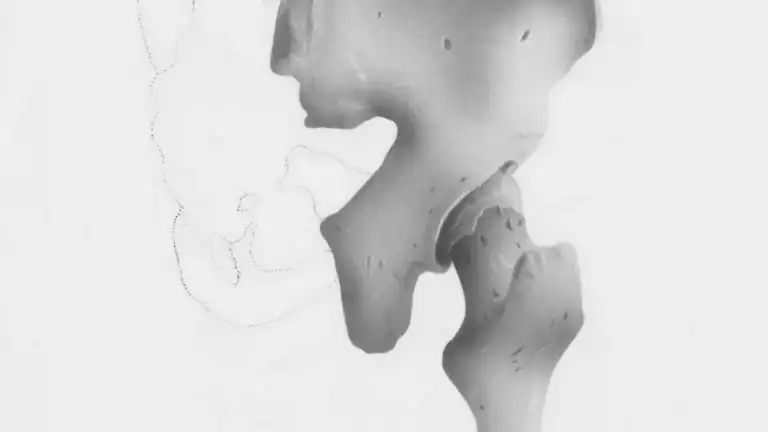
A bone spur in shoulder, also known as an osteophyte, is an abnormal bony growth. These growths typically present as smooth lumps. Although common, a bone spur in shoulder can lead to considerable pain.
This occurs when bone spurs in the shoulder exert pressure on adjacent tissues, such as your rotator cuff tendons. Such pressure can restrict your shoulder’s range of motion.
It’s crucial to understand the symptoms and causes of bone spurs in the shoulder. Being aware of available relief options will help you effectively manage a shoulder bone spur. Many individuals develop bone spurs in shoulders as they get older.
Key Takeaways
A bone spur in your shoulder is an extra bone growth. It can cause pain and limit how you move your arm.
Bone spurs form due to stress, injury, or aging. Conditions like arthritis also cause them.
Common signs of a bone spur include pain, stiffness, and clicking sounds. You might also feel weakness or numbness in your arm.
Doctors use X-rays and physical exams to find bone spurs. They may also use MRI or CT scans for more details.
You can get relief from bone spurs. Options include rest, medicine, physical therapy, or surgery. Surgery is for severe cases.
Understanding Bone Spurs in the Shoulder

What is a Shoulder Bone Spur?
A shoulder bone spur is an extra growth of bone. Doctors call these growths osteophytes. They often feel like smooth, hard lumps. These spurs can develop on the edges of bones in your shoulder joint. While they are common, they can cause problems when they rub against nearby tissues.
How Bone Spurs Form
Your body forms bone spurs as a protective response. This often happens due to stress, strain, or injury.
Repetitive Stress, Strain, or Injury: These factors can cause tiny tears in the tissues around your bone.
Body’s Repair Mechanism: Your body tries to fix these tears by creating extra bone. If this repair process overcompensates, you get a bone spur.
Aging and Osteoarthritis: As you age, your joints experience wear and tear. Osteoarthritis, a common condition, causes cartilage to break down. Without enough cartilage, bones rub together.
Protective Bone Formation: To protect the shoulder joint from this rubbing, your body creates new bone. This leads to the formation of bone spurs in the shoulder.
Common Locations in the Shoulder
Bone spurs in the shoulder can appear in a few key areas. You might find them:
Under the acromion, which forms the roof of your shoulder.
Within the glenohumeral joint, which is the main ball-and-socket joint of your shoulder.
Recognizing Shoulder Bone Spur Symptoms
Understanding the bone spur symptoms helps you identify when to seek help. These symptoms often impact your daily life significantly. You might notice changes in how your shoulder feels and moves.
Persistent Pain and Stiffness
You might experience shoulder pain and stiffness that gradually worsens over time. This pain can feel sharp and may even radiate across your back or down your arm. Along with this pain, you might also feel significant stiffness in your shoulder, making simple movements difficult. Muscle spasms can also occur. While not all bone spurs cause problems, bone spurs resulting from arthritis are frequently painful.
This persistent pain and stiffness can make many daily activities challenging. For example, you might find it hard to:
Bathe or dress yourself.
Sleep comfortably through the night.
Carry out everyday tasks.
Enjoy sports or gardening.
Comb your hair or reach overhead.
Grinding or Clicking Sensations
When you move your shoulder, you might hear or feel grinding, popping, or clicking sensations. These noises happen because a shoulder bone spur can form on joint surfaces, like the humeral head or acromion.
These bony growths can rub against your rotator cuff. This rubbing causes the noises or even pain, especially when you lift your arm overhead. These symptoms indicate friction within the joint.
Restricted Shoulder Movement
A shoulder bone spur can severely limit your shoulder mobility. You might notice a decreased range of motion in your arm. Certain arm movements will cause pain. This restriction makes simple actions difficult.
For instance, reaching up, putting on a bra, or washing your hair can become challenging tasks. You might also experience a “painful arc,” where pain occurs specifically when you lift your arm between a 70 and 120-degree angle. This is a common sign of impingement.
Weakness or Numbness
Sometimes, a bone spur in shoulder can press on a nerve. This pressure can lead to feelings of weakness or numbness in your arm or hand. A pinched nerve in the shoulder happens when surrounding tissues, including bone spurs, compress a nerve.
This compression disrupts normal nerve signals. You might feel numbness, burning, or tingling. Muscle weakness or fatigue can also be symptoms. The affected nerves are often part of the brachial plexus, which extends from your neck through your shoulder to your arm and hand.
Bone spurs can narrow the small spaces between your spine’s vertebrae, called the foramen. This narrowing can squeeze nerve roots, causing a pins-and-needles sensation. You might also feel a mild ache or intense burning pain in your shoulder, arm, and hand.
Symptoms of Arthritic Bone Spurs
When bone spurs develop due to arthritis, the symptoms of bone spurs are often more pronounced and painful. You will likely experience increased stiffness and pain in your shoulder. These arthritic bone spurs can cause chronic compression on nerve pathways. This leads to persistent discomfort and reduced function. The stiffness can make your shoulder feel locked or difficult to move, especially after periods of rest.
Causes of Bone Spurs in the Shoulder
Understanding the causes of bone spurs helps you prevent them or manage them better. Several factors contribute to the development of bone spurs in the shoulder.
Osteoarthritis and Degenerative Changes
Osteoarthritis is a primary cause. This condition involves the breakdown of cartilage in your joints.
Cartilage normally cushions your bones. When it wears away, your bones rub together. Your body then tries to repair this friction. It creates new bone tissue. This new growth forms bone spurs in the shoulder. These are a common response to joint degeneration.
Repetitive Motion and Overuse
Repetitive movements can also lead to causes of bone spurs. Constant stress on your shoulder joint can trigger bone growth. For example, people in certain jobs or sports often experience this. Dental hygienists perform repetitive tasks. They have prolonged static postures and limited rest. This leads to a high chance of shoulder pain. Athletes, especially those who throw overhead, also put constant stress on their shoulders. This repetitive loading can thicken tendons. This is a step towards bone spur development.
Shoulder Injuries and Trauma
Injuries to your shoulder can also cause bone spurs. A direct impact or a fall can damage the joint. Your body responds by forming extra bone. This is part of the healing process. Sometimes, a traumatic injury can lead to osteoarthritis. This then causes the formation of bone spurs.
Aging and Wear and Tear
Aging is a significant factor. As you get older, your joints naturally experience shoulder joint wear and tear. Studies show that bone spurs start appearing in your 20s. The overall number of spurs increases with age. Their size also grows as you get older. Medium and large spurs typically emerge in your 40s and beyond. Degenerative changes in your shoulder’s ligaments and bones are consistently linked to aging.
Genetic Factors
Sometimes, genetics play a role. If your family members have bone spurs, you might be more likely to develop them. Your genes can influence how your body responds to joint stress. This can affect your risk of developing these bony growths. These are some of the main causes you should know.
Severity of a Shoulder Bone Spur
A shoulder bone spur can range from a minor annoyance to a significant problem. You need to understand how severe your condition might be. This helps you manage your health effectively.
Impact on Daily Life
A shoulder bone spur can greatly affect your daily life. You might find simple tasks difficult. Reaching overhead to get something from a shelf becomes painful. Getting dressed or washing your hair can cause discomfort. Your ability to participate in sports or hobbies may decrease. This impact can reduce your overall quality of life.
Risk of Rotator Cuff Irritation
A shoulder bone spur can directly harm your rotator cuff. A bone spur often develops on the acromion, which is the top bone of your shoulder. This spur can irritate and damage the rotator cuff located beneath it. Bone spurs situated on the underside of the acromion bone cause abnormal friction when you raise your arm. This friction can lead to an injury of your rotator cuff.
Potential for Nerve Impingement
Sometimes, a bone spur in shoulder can press on nearby nerves. This pressure causes nerve impingement. You might feel pain, numbness, or tingling in the compressed area.
You could also experience weakness in your limb. This weakness might make it hard to lift your hand or grasp objects. Muscle loss in the affected region can also occur. Patients often describe the feeling as a “pinched nerve in shoulder“. The pain is usually felt on the outside of the shoulder or arm area and can radiate to the elbow or into the neck. When tingling is present, it most often is localized to the shoulder, but can radiate down the arm.
When to Seek Medical Advice
You should seek medical advice if your shoulder pain persists. Do not ignore symptoms like constant stiffness or limited movement. If you experience weakness, numbness, or tingling in your arm or hand, consult a doctor. Early diagnosis helps you get proper treatment. This prevents your condition from worsening.
Diagnosing Bone Spurs in the Shoulder
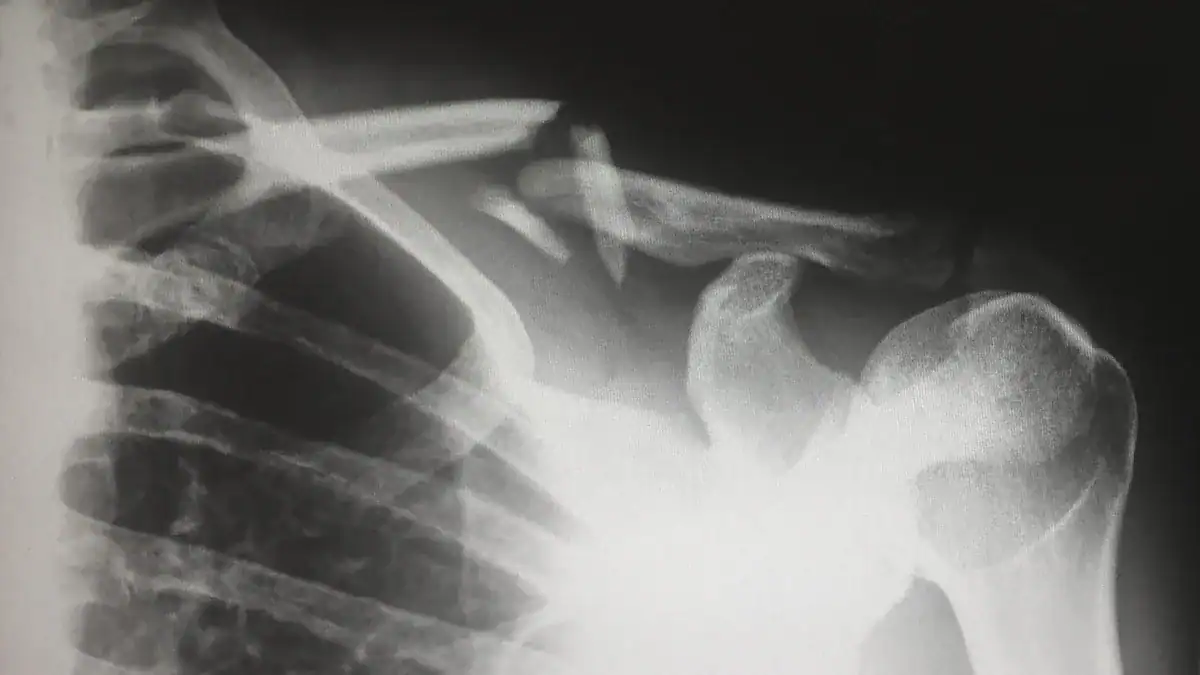
When you experience persistent shoulder pain, getting an accurate diagnosis is your first step toward relief. Doctors use several methods to confirm if a shoulder bone spur is causing your issues.
Physical Examination and History
Your doctor starts by talking with you. You will discuss your symptoms, when they began, and what makes them better or worse. This is your medical history. Then, your doctor will physically examine your shoulder. They will move your arm in different directions to check your range of motion. They will also look for tenderness, swelling, or weakness. This helps them understand how your shoulder bone spur might be affecting you.
X-Rays for Bone Visualization
X-rays are usually the first imaging test your doctor orders. They are excellent for seeing bones. X-rays can clearly show the presence of bone spurs (osteophytes). Sometimes, doctors discover these spurs by surprise when they X-ray your shoulder for another reason.
X-rays provide a visual of any bony deposits. They show where bone spurs form around joints. For example, they reveal osteophytes forming opposite to the direction of cartilage loss. X-rays can also show other features like bone cysts or changes in bone structure when cartilage loss is severe. This initial diagnosis helps confirm if bone spurs are present.
Advanced Imaging: MRI and CT Scans
Sometimes, X-rays do not tell the whole story. Your doctor might order an MRI or CT scan. MRI is the best method for looking at soft tissues in your shoulder. This includes muscles, tendons, and ligaments.
X-rays cannot show these details. MRI scans can detect structural problems like bone spurs, cartilage damage, and joint issues that X-rays might miss. MRI also shows inflammation and fluid buildup, which helps explain your pain. CT scans provide detailed 3D views of your bone anatomy. This is very useful for complex bone issues or planning surgery. While X-rays show bones, CT and MRI offer much more detail about the surrounding structures and the exact nature of bone spurs in the shoulder.
Differentiating from Other Conditions
Diagnosing bone spurs correctly is important. Your doctor needs to make sure your symptoms are not from another condition. Many other shoulder problems can cause similar pain. These include rotator cuff tears, bursitis, or even nerve issues not caused by bone spurs in the shoulder. Your doctor will use all the information from your history, exam, and imaging to make the right diagnosis.
Treatment and Relief for Shoulder Bone Spurs
You have many options to find relief from a shoulder bone spur. Your doctor will help you choose the best treatment plan. This plan often starts with non-surgical methods.
Non-Surgical Treatment Options
Non-surgical approaches aim to reduce your pain and improve your shoulder function. These methods are often the first step in managing bone spurs in the shoulder.
Rest and Activity Modification
Giving your shoulder a break helps reduce inflammation. You should avoid activities that make your pain worse. Modifying how you do daily tasks can also prevent further irritation. For example, lift objects differently or use your other arm more.
Pain Management Medications
You can use different medications for pain management.
Over-the-counter pain relievers: These include ibuprofen or naproxen. They help reduce pain and swelling.
Prescription pain relievers: Your doctor might prescribe stronger medications if over-the-counter options are not enough.
Disease-modifying drugs: These are for rheumatic diseases if they are causing your bone spurs.
Ice and heat therapy: Applying ice can reduce swelling. Heat can relax stiff muscles.
Massage therapy: This can help ease muscle tension and pain around your shoulder.
Corticosteroid Injections
Your doctor might suggest corticosteroid injections. These injections deliver powerful anti-inflammatory medicine directly into your shoulder joint. They can quickly reduce swelling and pain. This relief is often temporary, but it can give you a window to start physical therapy.
Physical Therapy and Rehabilitation
Physical therapy is a very important treatment for shoulder bone spurs. A physical therapist teaches you specific exercises. These exercises help improve your shoulder’s strength and flexibility. They also work on your range of motion. This can reduce impingement and pain.
Lifestyle Adjustments
Making small changes in your daily life can also help. Maintain a healthy weight to reduce stress on your joints. Eat a balanced diet. This supports overall joint health.
Exercises for Shoulder Bone Spurs
Exercise is one of the best ways to manage shoulder bone spur pain. It helps restore normal day-to-day function. Simple stretching and strengthening exercises can relieve pain and improve mobility.
Gentle Stretching Exercises
Stretching helps increase your shoulder’s flexibility.
Crossover arm stretches:
Stand straight. Roll your shoulders back into a relaxed posture.
Gently pull one arm across your chest. Use your opposite hand above the elbow.
Hold this stretch for 30 seconds. Then repeat with your other arm. Alternate for up to 4 repetitions on each side.
Passive internal rotations:
Stand straight. Hold a lightweight stick behind your body.
Hold one end of the stick with one hand. Hold the other side with your opposite hand.
Gently pull the stick horizontally. You will feel light pressure in the front of your shoulder.
Hold for 30 seconds. Then repeat on the opposite arm. Alternate for up to 3 repetitions.
Other beneficial stretches:
Chest Expansion: This improves chest and shoulder flexibility. It enhances breathing and reduces shoulder tightness.
Side-Lying Rotation: This strengthens rotator cuff muscles. It increases shoulder stability.
Neck Release: This eases tension in your neck and shoulders. It improves neck mobility.
Across the Chest: This stretches shoulder and upper back muscles. It increases flexibility.
Pendulum: This improves shoulder mobility and decreases stiffness. It enhances circulation.
Strengthening the Shoulder Muscles
Strengthening exercises build muscle support around your shoulder.
External Rotation with Resistance Band: This strengthens rotator cuff muscles. It improves shoulder stability.
Attach a resistance band to a sturdy object.
Stand sideways to the anchor point.
Hold the band with your affected shoulder. Keep your elbow bent at 90 degrees.
Slowly rotate your forearm away from your body.
Prone T’s: This strengthens upper back muscles. It helps improve shoulder posture.
Lie face down on a mat or bench. Let your arms hang towards the floor.
Exercise, especially movement that focuses on shoulder mobility and strength, is one of the best ways to manage shoulder bone spur pain and restore normal day-to-day function.
Posture Improvement
Good posture reduces strain on your shoulder. It helps keep your shoulder joint aligned. This can prevent bone spurs from rubbing against soft tissues. Your physical therapy program will often include posture exercises.
Surgical Interventions
If non-surgical treatment options do not relieve your symptoms, your doctor might suggest surgery. Surgery is often considered when you have:
Persistent and severe pain.
Functional restrictions that do not respond to conservative measures.
Bone spurs causing narrowing of the subacromial space. This leads to physical contact and inflammation (impingement).
Significant pain, limited shoulder movement, or weakness due to bone spurs.
Symptoms that interfere with daily activities or sports.
Bone spurs that lead to additional pain and loss of joint function as osteoarthritis progresses.
Arthroscopic Bone Spur Removal
Arthroscopic surgery is a common method for removing bone spurs. This is a minimally invasive technique. Your surgeon makes small incisions. They use a tiny camera and specialized tools to remove the bone spur. This method results in reduced tissue damage. It also has a lower complication risk. You often experience faster recovery and less postoperative pain.
Open Surgery Considerations
Open surgery involves a larger incision. This gives your surgeon direct access to the shoulder joint. It allows them to see the entire area. This method is sometimes necessary for more complex issues. It might be used for very large bone spurs or if other problems need fixing. Open surgery typically requires a longer recovery. It also carries a higher risk of complications compared to arthroscopic surgery.
Feature | Arthroscopic Surgery | Open Surgery |
|---|---|---|
Benefits | Minimal incisions, negligible scarring, least tissue damage, prompt recovery, shorter hospital stay, quicker return to activities, better visualization of joint | Better visualization of the joint and surrounding structures, allows complex reconstructions and large tendon repairs, direct control access for flawless correction |
Risks/Limitations | Not appropriate for sophisticated/heavy injuries, little risk of infection/rigidity, might require open surgery if visualization is limited | Larger incision, more tissue trauma, increased pain, scarring, prolonged hospital stays, higher risk of stiffness and infection |
Arthroscopic surgery is a newer approach. It minimizes recovery times through small incisions. It uses less invasive techniques. This leads to shorter hospitalization and a quicker return to activities. However, it may not suit all patients or shoulder conditions.
Open surgery involves a larger incision. This provides surgeons with more working space and precision. It is necessary for more intensive work, such as total shoulder replacement. It also helps prevent complications in delicate procedures. More severe conditions and intensive procedures may be too difficult for an arthroscopic approach.
Post-Surgery Recovery and Rehabilitation
After surgery, rehabilitation is crucial. It helps you regain full function of your shoulder.
Weeks 2-6: Early Recovery and Physical Therapy Initiation: You focus on passive movements and gentle stretching. Your doctor adjusts pain medications. You can resume light activities like housework.
Weeks 6-12: Regaining Strength and Mobility: You start progressive strengthening with active exercises. You also do light resistance training. Your range of motion increases. You can transition to normal activities like driving.
Month 3 and Beyond: Long-Term Recovery and Full Activity: This phase includes advanced physical therapy. You build endurance. You also do sport-specific training. You can return to work and sports. This typically takes 3-6 months for most people. Full recovery can take up to 6-12 months. Physical therapy generally lasts 6-12 weeks. It can be longer based on your progress.
Most patients can resume normal activities within 3 to 4 weeks after surgery. Returning to sports or recreational activities may take longer. Bone spur surgeries generally have a high success rate, around 95%.
A bone spur in shoulder is a common condition. It often links to aging and wear. You can manage this condition effectively. Relief comes from non-surgical or surgical methods. Understand your symptoms and causes. Early diagnosis is key for your shoulder pain. A personalized plan from a healthcare professional helps. Prioritize your shoulder health. Seek medical advice for persistent pain. This maintains your quality of life.