Brain crackling, also known as brain zaps, describes brief, electric shock-like sensations in your head. You might also feel a cracking or popping. While these symptoms can be alarming, they are often not serious. A 2017 CMAJ study indicates that about 20% of people experience antidepressant discontinuation syndrome, which includes brain zaps. This blog explores the causes of these sensations, their diagnosis, and when you should worry. Understanding your symptoms is key to finding relief.
Key Takeaways
Brain crackling feels like brief electric shocks in your head. It often happens when you stop certain medicines, especially antidepressants.
Many things can cause brain crackling. These include stopping medicines, stress, migraines, and hormone changes.
You should always talk to a doctor about brain crackling. They will ask about your health and do exams to find the cause.
You can manage brain zaps. Slowly stopping medicine and making lifestyle changes like reducing stress and getting enough sleep can help.
See a doctor right away if you have a sudden ‘pop’ in your head with a very bad headache. Also, get help if brain crackling gets worse or comes with new problems like weakness or vision changes.
Understanding Brain Crackling: Symptoms
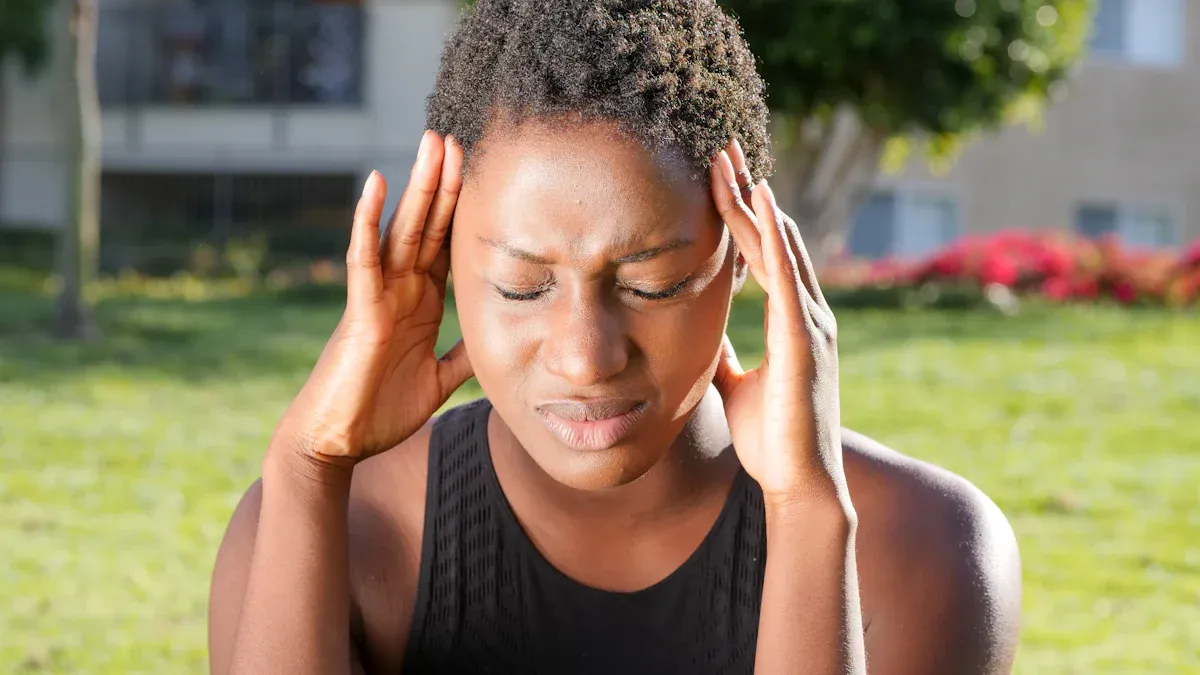
When you experience brain crackling, you might wonder exactly what is happening. These sensations are distinct. You feel them inside your head. They are often brief.
Describing the Sensation
You might describe the sensation as an electric shock. Many people report electric jolts inside their brain. Others feel buzzing, clicking, or popping. Sometimes, you feel vibrations that come from inside your brain. These sensations are usually painless. However, they can be very distressing. You might feel disoriented. Some people report slight changes in consciousness. It feels like your ‘brain skipping a beat.’ You might also feel woozy. Some people even hear noises. These noises can sound like a swish or a woosh. Other common descriptions include:
An electric shock
Feeling ‘unplugged’ or disconnected from reality
Hearing a sound (like a macarena, salt shaker, swish, or woosh)
Common Accompanying Feelings
Brain crackling often comes with other symptoms. You might feel dizzy or unsteady. Vertigo is a frequently reported neurological symptom. This makes you feel like you are spinning. Nausea can also occur. Some people experience tinnitus, or ringing in their ears. These additional symptoms can make the episodes more challenging. Other common symptoms include:
Flashes of light
Mild pain
Sweating
A racing heart rate
Electrical sensations
Brain rebooting or blinking sensations
Vibratory sensations
Hearing the zaps
These accompanying symptoms vary from person to person. You might experience only one or several of these symptoms during an episode.
Key Causes of Brain Crackling
Many factors can cause brain crackling. Understanding these causes helps you know when to seek help. You can often link these sensations to specific changes in your body or medication.
Antidepressant Withdrawal (Brain Zaps)
The most common cause of brain crackling is antidepressant withdrawal. Doctors often call these sensations “brain zaps.” When you stop taking certain antidepressant medications, your brain chemistry changes. This change can lead to these electric shock-like episodes. Specific antidepressants are often linked to brain zaps during withdrawal. These include:
Paroxetine
Venlafaxine
Fluoxetine
Vortioxetine
Studies show that many people experience these symptoms. For example, 40–50% of long-term users in China and Australia experience withdrawal symptoms, including brain zaps. A review of 23 studies found that 56% of antidepressant users had withdrawal symptoms. Of those, 46% described their symptoms as severe. Withdrawal rates for SNRIs, like venlafaxine, can be as high as 70% in long-term users. Brain zaps are a common sensory symptom during this time.
Other Medication-Related Factors
Other medications can also cause similar brain zaps or sensations. You might experience these symptoms if you withdraw from benzodiazepines. Stimulants can also lead to these feelings when you stop using them. Your brain adjusts to these medications. Then, it reacts when you remove them.
Anxiety, Stress, and Fatigue
High levels of anxiety, chronic stress, and not getting enough sleep can also cause head sensations. Your brain becomes overstimulated. This overstimulation can manifest as strange feelings, including brain crackling. These episodes often occur when you are tired or overwhelmed.
Migraines and Headaches
Sometimes, brain crackling can be a symptom of migraines or other types of headaches. You might feel these sensations before a migraine begins. They can also happen during the headache itself. These are often part of the aura or other neurological symptoms you experience.
Hormonal Changes
Hormonal shifts can also contribute to brain crackling. Estrogen is important for healthy nerve function. During perimenopause and menopause, estrogen levels fluctuate. This can destabilize nerve signals. You might experience brief jolts or strange sensations. Estrogen also affects serotonin production. As estrogen levels drop, serotonin levels can also decrease. This abrupt change in serotonin can cause electrical shock-like sensations or brain zaps.
Objective Tinnitus and Vascular Issues
Rarely, certain vascular abnormalities near your ear can cause objective tinnitus. You might perceive this as a crinkling or popping sound. This is different from brain zaps. It is a physical sound your doctor can sometimes hear.
Brain Zaps: Underlying Mechanisms
You might wonder what causes brain zaps. These sensations often stem from changes in your brain’s chemistry.
Neurotransmitter Imbalance
Serotonin is a key neurotransmitter. It helps regulate your mood and emotions. Selective Serotonin Reuptake Inhibitors (SSRIs) increase serotonin levels in your brain. They do this by preventing serotonin reabsorption. When you suddenly stop these medications, your brain’s serotonin levels change quickly. This sudden shift is a primary cause of antidepressant withdrawal symptoms, including brain zaps. Your serotonin receptors, used to higher levels, suddenly face a shortage. They send confused signals. Your brain interprets these signals as electrical sensations. Brain waves can also become irregular. This happens particularly in areas linked to emotional regulation and sensory processing. This irregularity leads to the zapping sensations you feel. This imbalance extends beyond serotonin. It can also impact dopamine, norepinephrine, and GABA systems. These systems all play roles in brain function. Their combined disruption contributes to the diverse range of symptoms you might experience.
Brain Activity and Sensory Pathways
Your brain constantly sends electrical signals. These signals allow your neurons to communicate. Sometimes, normal neuronal communication can be perceived differently. You might feel it as internal sounds or sensations. This happens when your brain adjusts to changes. It tries to re-establish its balance. These adjustments can create the feeling of brain zaps. These brain zaps are your brain’s way of reacting to these internal shifts. Your brain is essentially recalibrating. This recalibration can manifest as these brief, startling sensations.
Differentiating from Other Conditions
It is important to understand that brain zaps are distinct from other conditions. For example, Exploding Head Syndrome (EHS) is different. EHS is a sleep disorder. You hear a a loud, painless noise in your head as you fall asleep or wake up. This noise can sound like an explosion or a crash. Brain zaps are brief, electric shock-like sensations. They are not typically loud noises. You feel them while you are awake. You might also feel them during antidepressant withdrawal. Knowing the difference helps you describe your symptoms accurately to your doctor. You should clearly explain if you experience brain zaps or EHS.
Diagnosing Brain Crackling
When you experience unusual sensations like brain crackling, you should seek medical advice. A proper diagnosis helps you understand what is happening. It also guides your treatment.
The Importance of Medical History
Your doctor will start by taking a detailed medical history. You will describe your symptoms. Tell your doctor exactly what you feel. Explain when the sensations started. Mention how often they occur. You should also share any medications you take. Include over-the-counter drugs and supplements. Your doctor will ask about recent changes to your medication. They will also ask about your lifestyle. This includes your stress levels and sleep patterns. Your past medical conditions are also important. This information helps your doctor connect your symptoms to possible causes.
Physical and Neurological Exams
After discussing your history, your doctor will perform a physical exam. They will check your general health. Then, they will conduct a neurological exam. This exam checks your reflexes. It assesses your balance and coordination. Your doctor will also test your senses. They check your vision and hearing. These tests help rule out other neurological conditions. They can identify any underlying issues affecting your nervous system.
When Imaging and Specialized Tests are Needed
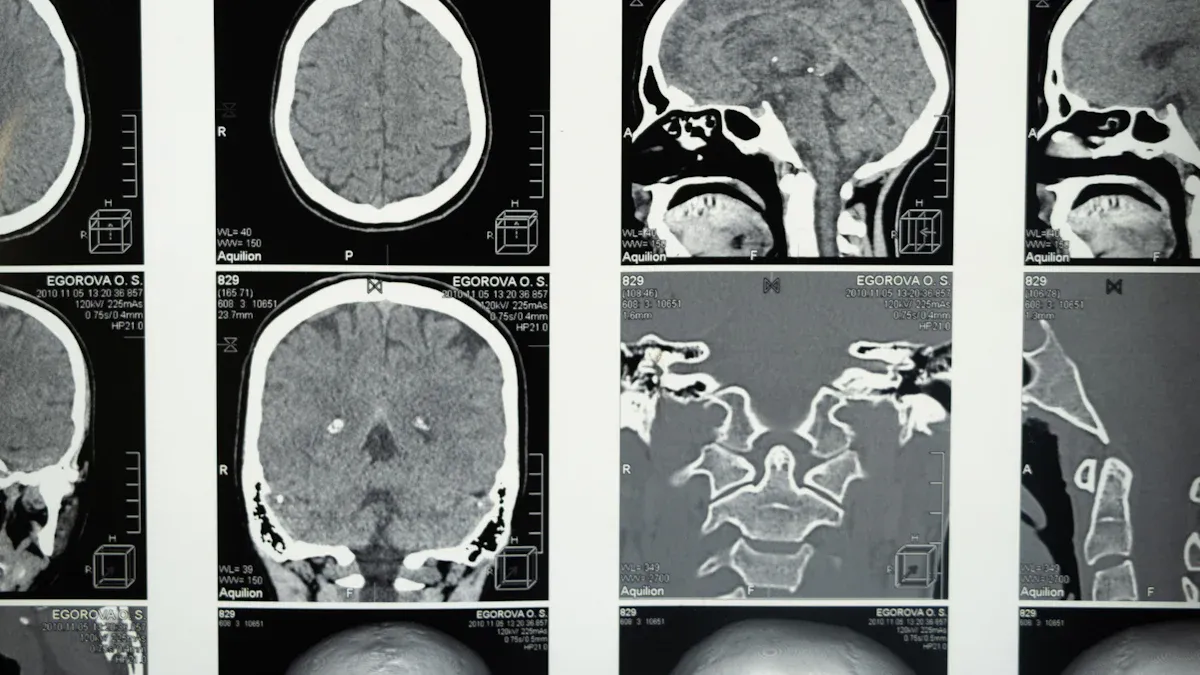
Most cases of brain crackling do not require advanced imaging. However, your doctor might order tests if you have concerning symptoms. These “red flag” symptoms include severe headaches or vision changes. An MRI (Magnetic Resonance Imaging) scan can show detailed images of your brain. It helps rule out structural problems. An EEG (Electroencephalogram) might be used. This test measures electrical activity in your brain. It can detect seizure activity. These specialized tests provide more information. They help your doctor make an accurate diagnosis.
How to Stop Brain Zaps: Management
You can manage brain zaps effectively. Understanding the right steps helps you find relief. This section outlines key strategies.
Gradual Medication Tapering
The most effective way to minimize brain zaps is to gradually reduce your medication. Do not stop your medication suddenly. Experts recommend a slow taper of antidepressants. This minimizes withdrawal symptoms. It also helps maintain your mental health during discontinuation. Always consult a healthcare professional before you lower your antidepressant dosage. They can assist in safely and gradually tapering off the medication. Working with your doctor is crucial. This slow reduction in dosage helps prevent abrupt discontinuation. Abrupt stops can lead to electric shock sensations and other withdrawal effects. In some cases, your doctor might suggest switching to a longer-acting medication. This can also help alleviate symptoms before further discontinuation attempts. This is a primary treatment for brain zaps.
Lifestyle Adjustments
You can make several lifestyle changes to reduce the intensity of brain zaps. Focus on stress management. This includes yoga, exercise, and meditation. Spend time in nature. Consider reading or journaling. Eat a nutrient-dense diet. Include fresh vegetables, fruits, and healthy fats. Regular exercise, even short walks, helps. Quit smoking and limit alcohol. Get some sun exposure to boost your vitamin D levels. These adjustments support your overall well-being.
Stress Reduction Techniques
Stress can worsen brain zaps. You can use specific techniques to reduce stress. Try progressive muscle relaxation. You tense and then release muscles. Deep breathing exercises are also helpful. Focus on long, slow breaths. Yoga combines breathing with postures. It can reduce cortisol levels. Mindfulness meditation helps you stay present. These practices activate your parasympathetic nervous system. This promotes calmness.
Ensuring Adequate Sleep and Rest
Quality sleep is vital for managing brain zaps. Aim for 7 to 9 hours of sleep each night. Maintain a consistent sleep schedule. Go to bed and wake up at the same time daily. Optimize your sleep environment. Keep your bedroom cool, dark, and quiet. Avoid screens for 2-3 hours before bedtime. Practice relaxation techniques before sleep. Establish a calming bedtime routine. This helps your brain recover and reduces the likelihood of brain zaps. This comprehensive treatment approach helps you regain comfort.
When to Worry: Seeking Medical Help
While brain crackling often comes from medication changes, some symptoms demand immediate medical attention. You must know when to worry. Your health is important.
Red Flag Symptoms and Aneurysm Signs
A sudden “pop” sensation in your head can be very alarming. This feeling, especially with a severe headache or sharp neck pain, can signal a serious condition. It might indicate an aneurysm. An aneurysm is a weak spot in a blood vessel. It can rupture. A ruptured brain aneurysm is a medical emergency.
If you experience a sudden “pop” in your head, look for these critical symptoms:
A thunderclap headache: This is a sudden, very severe headache. Many people describe it as “the worst headache of my life.”
Nausea and vomiting
A stiff neck
Blurred or double vision
Sensitivity to light (photophobia)
Seizures
A drooping eyelid and a dilated pupil
Pain above and behind your eye
Confusion
Weakness and/or numbness
Loss of consciousness
A thunderclap headache is a key warning sign. It comes on very fast. It is extremely painful. If you have this type of headache after a “pop” sensation, seek help right away. While a “pop” sensation can indicate an aneurysm, doctors do not have specific numbers on how often aneurysms present this way. However, it is a recognized potential indicator. Do not ignore these symptoms.
Persistent or Worsening Sensations
You should also pay close attention if your brain crackling episodes become persistent or worsen. This means they happen more often. They might become more intense. Or they could last longer than before. If your brain zaps do not improve, or if they get worse over time, you need a medical evaluation. This is true even if you do not have the severe “red flag” symptoms mentioned above. Any change in the pattern or severity of your symptoms warrants a check-up.
New Onset with Other Neurological Symptoms
Sometimes, brain crackling starts suddenly. It might come with other new neurological symptoms. This combination can point to a different underlying issue. For example, if you suddenly experience brain crackling along with:
Sudden weakness in an arm or leg
Numbness on one side of your body
Changes in your vision
Difficulty speaking or understanding speech
A severe headache that is new or different
Changes in your consciousness or alertness
These additional symptoms are concerning. They suggest a need for prompt medical attention. Conditions like Pseudotumor Cerebri, also known as Idiopathic Intracranial Hypertension, can cause head sensations. This condition involves high pressure around your brain. You might need evaluation if you have other symptoms of elevated cerebrospinal fluid pressure. These can include headaches, vision changes, or ringing in your ears. Understanding the causes of these combined symptoms is crucial for your health.
Communicating Symptoms to Your Doctor
When you talk to a healthcare provider, be clear and detailed. Describe your brain crackling symptoms precisely. Tell them when the episodes started. Explain how often they happen. Mention anything that makes them better or worse. List all medications you take. Include any recent changes to your prescriptions. This information helps your doctor understand your condition. It guides them toward the right diagnosis and treatment plan. Open communication is vital for your care.
You now understand brain crackling. These brain zaps are often harmless, but they can be distressing. Many brain zaps come from medication changes. Remember, specific symptoms, like a sudden “pop” or severe headache, mean you need immediate medical evaluation. Always be open when talking to a healthcare provider. This ensures accurate diagnosis and the right treatment. Seeking professional advice gives you peace of mind, especially for persistent brain zaps or concerning brain zaps. You deserve proper care for your brain zaps and their treatment. Do not ignore these brain zaps.
FAQ
What does a brain zap feel like?
You feel a brief, electric shock-like sensation in your head. It often feels like a buzz, click, or pop. This sensation is usually painless. However, it can make you feel disoriented or woozy.
Why do I get brain zaps when I stop medication?
Your brain chemistry changes quickly when you stop certain medications. Antidepressants, for example, affect serotonin levels. This sudden shift causes your brain to send confused signals. You feel these signals as electric sensations.
How long do brain zaps typically last?
Brain zaps usually last a few weeks after you stop medication. They can sometimes continue for several months. Slowly reducing your medication helps shorten their duration. Always talk to your doctor about tapering.
When should I worry about brain crackling?
You should worry if you have a sudden “pop” with a severe headache. Also, seek help if you have new symptoms like weakness or vision changes. These signs can point to a serious condition.