

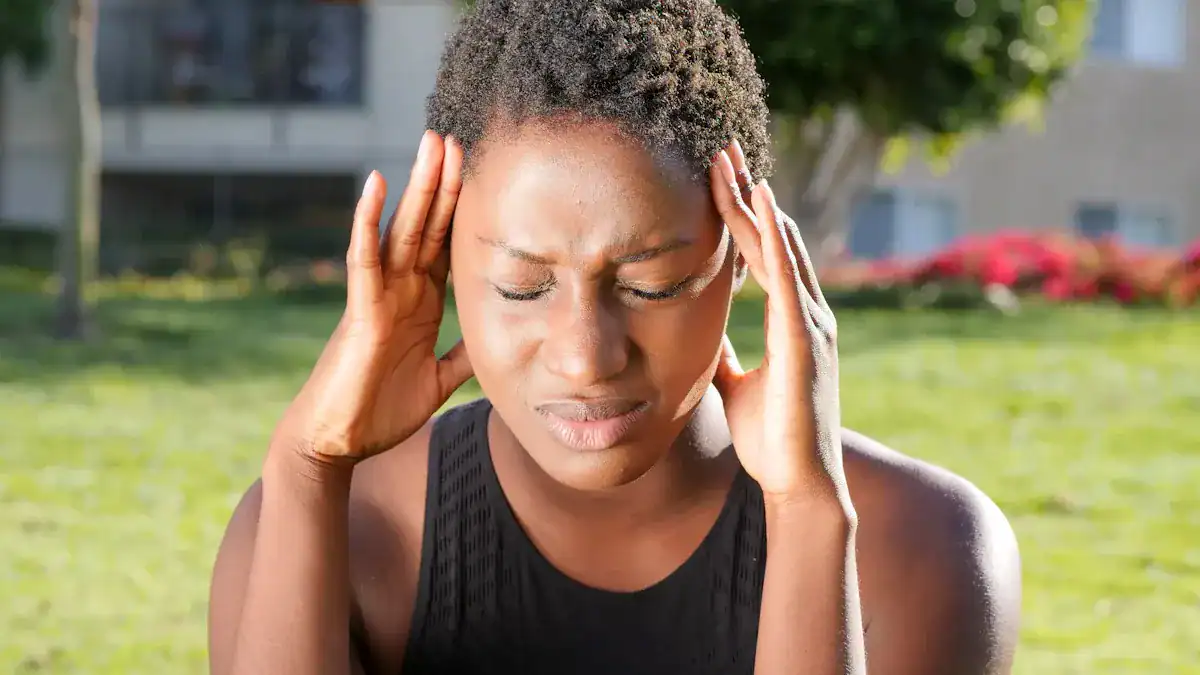
Feeling a pulse in the head can be unsettling. People often describe a throbbing or beating sensation. This brain pulsing can sometimes signal underlying conditions. While often benign, a pulsating headache requires attention. Sometimes, a throbbing headache resolves on its own. However, a person should see a doctor if they experience this pain.
Key Takeaways
Brain pulsing is a throbbing feeling in your head. Many things can cause it, like stress, not enough sleep, or too much caffeine. It is often not serious.
Some medical problems can cause brain pulsing. These include high blood pressure, migraines, and issues with blood vessels. A doctor can help find the cause.
See a doctor if your brain pulsing gets worse or does not go away. Also, see a doctor if you have new pulsing after age 50 or other symptoms like vision changes or weakness.
Go to the emergency room right away for a sudden, very bad headache. Also, seek emergency care if you have pulsing with fever, a stiff neck, or sudden weakness.
Treating brain pulsing means fixing its cause. This can involve changing your lifestyle, managing stress, or taking medicine. Early help from a doctor is important.
Understanding Brain Pulsing
The Sensation of Pulsing
People describe brain pulsing in many ways. It often feels like a distinct throbbing or beating inside the head. This sensation can vary greatly in how it feels. Some individuals report sudden jolts, like an electrical surge in the brain. Others experience a mild buzzing or vibration.
This throbbing can also come with momentary disorientation, making a person feel dizzy or lightheaded. Sometimes, people notice visual effects, like flashes of light, or auditory effects, such as ringing in the ears. The intensity of this pulsating headache can range from barely noticeable to strong and alarming. A person might feel a brief, electrical shock-like feeling. They might also describe a “brain blink,” a feeling of disorientation. This pain can be quite unsettling.
Accompanying Symptoms
Brain pulsing often does not occur alone. Other symptoms can appear with this throbbing sensation. These accompanying symptoms can help doctors understand the cause of the brain pulsing. Common symptoms include nausea and vomiting.
Some people experience double vision, making it hard to see clearly. Problems concentrating are also frequent, making daily tasks difficult. The scalp might feel tender to the touch. Jaw pain can also occur alongside a throbbing headache. These symptoms, especially when severe or new, can indicate a more serious issue than a simple headache or migraine. It is important to pay attention to any additional pain or changes in how the brain feels.
Common Causes of Brain Pulsing
Everyday Factors
Many everyday factors can cause a feeling of brain pulsing. These factors are often harmless. They include things like lack of sleep or too much physical activity. Sometimes, a sudden change in body position can make you feel a brief throbbing. These sensations usually pass quickly. They do not often signal a serious problem.
Stress and Anxiety
Stress and anxiety are common throbbing headache causes. They can make your body react in ways that lead to a pulsing sensation. For example, nearly 60% of people with pulsatile tinnitus also report depression or anxiety. A 2018 study showed that 65% of people with tinnitus experienced stress symptoms. Anxiety can increase your heart rate. This higher heart rate might make brain pulsing feel more intense. Anxiety also links to high blood pressure. High blood pressure can contribute to a throbbing sensation in the head.
Caffeine and Stimulant Intake
Consuming too much caffeine or other stimulants can also cause brain pulsing. These substances narrow blood vessels. When their effects wear off, blood vessels can widen quickly. This change can create a throbbing feeling in the head. Reducing caffeine intake often helps ease this type of pain.
Dehydration and Fatigue
Not drinking enough water, or dehydration, can lead to a headache. Fatigue, or being very tired, also causes headaches. Both dehydration and fatigue can make you feel a pulsating headache. Your body needs proper hydration and rest to function well. When you lack these, your brain can react with discomfort.
High Blood Pressure
High blood pressure, also known as hypertension, can cause a throbbing sensation. When blood pressure is high, blood pushes harder against vessel walls. This increased pressure can lead to a noticeable pulse in the head. It is important to manage high blood pressure to prevent more serious health issues.
Migraines and Pulsating Headache
Migraines are a common cause of severe pain. They often involve a distinct pulsating quality. The International Headache Society says migraine attacks last 4 to 72 hours. They must have at least two features: a unilateral location, a pulsating quality, moderate to severe pain, or worsening with physical activity. People also experience nausea, vomiting, or sensitivity to light and sound. The POUND mnemonic helps diagnose migraine. It includes a pulsating quality, duration of 4 to 72 hours, unilateral location, nausea, and disabling intensity. Headaches with at least four POUND features strongly suggest a migraine.
Tension Headaches
Tension headaches are very common. They usually cause a dull, aching pain. Sometimes, this pain can feel like a constant pressure or a mild throbbing. Stress and muscle tension in the neck and scalp often cause these headaches. They are usually not as severe as migraines.
Cluster Headaches
Cluster headaches are very painful headaches. They are one of the most severe types of primary headache. People describe them as intense, piercing pain. This pain often occurs around one eye or temple. These headaches can also have a throbbing quality. They happen in cycles, or “clusters,” over weeks or months.
Medical Causes of Brain Pulsing
Some medical conditions can cause a person to feel a pulse in their head. These conditions often require specific medical attention.
Temporomandibular Joint [TMJ] Disorders
TMJ disorders affect the jaw joint and muscles. These conditions can cause pain in the jaw, face, and head. Many people with TMJ disorders experience chronic headache. About 88% of TMJD patients report chronic headache. Some also experience migraine headache, about 13% of them. Referred pain from TMJ often appears in the temporal area, which is near the temples. This can feel like a throbbing sensation.
Anemia
Anemia means a person has fewer red blood cells than normal. Red blood cells carry oxygen to the brain and other organs. When the brain does not get enough oxygen, it can lead to headache. Anemia can cause a throbbing sensation in the head, often like migraine episodes. These episodes feature pulsing and throbbing head pain, usually on one side. They also include nausea and sensitivity to light or sound. Anemia can lower serotonin levels, which increases susceptibility to headaches.
Thyroid Imbalance
An overactive thyroid gland, called hyperthyroidism, can cause pulsatile tinnitus. This condition can make a person hear a throbbing sound in their ears or head.
Ear Conditions and Tinnitus
Pulsatile tinnitus is a type of ringing in the ears that sounds like a heartbeat or pulse. Many conditions can cause this. These include anemia, high blood pressure, and problems with blood vessels near the ear. Atherosclerosis, which is plaque buildup in arteries, can also cause pulsatile tinnitus. Head injuries and certain brain conditions can also lead to this brain pulsing.
Vascular Headaches
Vascular headaches involve blood vessel changes. These changes cause pain. Thunderclap headaches are very severe and sudden. They reach maximum intensity quickly. Other vascular conditions, like arterial dissection, can cause variable headache symptoms. These symptoms can resemble migraines or tension-type headaches. A general vascular headache involves blood vessel swelling. This leads to a throbbing pain that worsens with activity.
Aneurysms and AVMs
Aneurysms are bulges in blood vessel walls. Arteriovenous malformations (AVMs) are abnormal connections between arteries and veins. Both can cause brain pulsing. A bleeding AVM can cause confusion, headache, or a buzzing sound in the ear. This buzzing is a form of brain pulsing. AVMs can also cause seizures or vision problems. Aneurysms can cause nerve paralysis or headache. Rupture is a major risk for both.
Carotid Artery Dissection
Carotid artery dissection happens when a tear occurs in the wall of the carotid artery in the neck. This can lead to severe pain in the head or neck. It can also cause a throbbing headache.
Intracranial Hypertension
Intracranial hypertension means high pressure inside the skull. Symptoms include headaches, nausea, and vision changes. Pulsatile tinnitus, a form of brain pulsing, is a symptom of this condition. Doctors diagnose it with specific criteria, including high cerebrospinal fluid pressure.
Brain Tumors
A tumor in the brain can cause various symptoms, including a pulsating sensation. Glioblastoma headaches can cause a throbbing sensation, often worse in the morning. This discomfort can worsen with coughing or changing positions. A tumor can also pinch the brain stem. This leads to changes in pulse and breathing rates, which a person might feel as a pulsating sensation. A throbbing sensation on one side of the head is a reported symptom associated with brain tumors.
Diagnosing Brain Pulsing
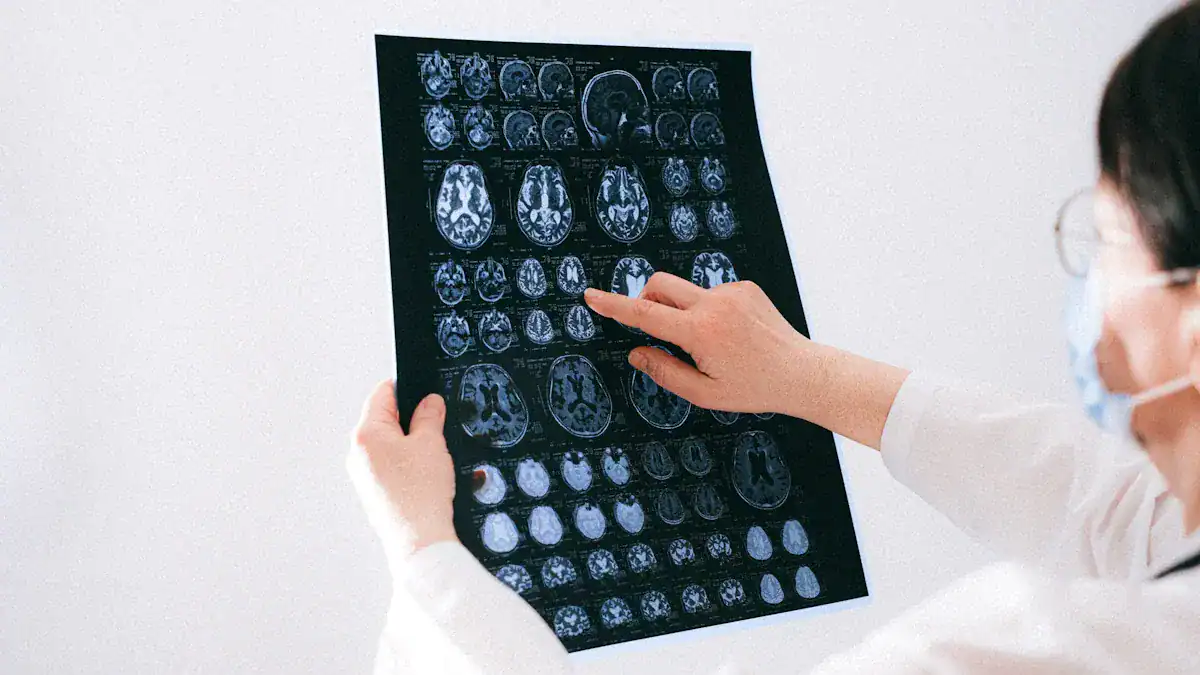
A proper diagnosis helps identify the cause of brain pulsing. Doctors use several steps to understand this symptom. This process ensures patients receive the correct treatment.
Initial Medical Consultation
The first step involves a visit to a doctor. The doctor will ask about the patient’s symptoms. They will want to know when the brain pulsing started. They will also ask about its frequency and intensity. Patients should describe any other symptoms they experience, like pain or vision changes. This initial talk helps the doctor understand the patient’s condition.
Physical and Neurological Exams
Next, the doctor performs physical and neurological exams. A physical exam checks general health. A neurological exam assesses the nervous system. The doctor checks reflexes, balance, and coordination. They also test vision, hearing, and speech. These exams help rule out certain conditions. They guide the doctor toward a specific headache diagnosis.
Blood Tests and Lab Work
Doctors often order blood tests. These tests can reveal underlying medical issues. For example, blood tests can check for anemia or thyroid problems. They can also detect inflammation or infections. These conditions sometimes cause a throbbing sensation in the head.
Imaging Studies
Imaging studies provide detailed pictures of the brain. These tests help doctors see structures inside the head. They can identify abnormalities that cause brain pulsing.
MRI Scan
An MRI (Magnetic Resonance Imaging) scan uses strong magnets and radio waves. It creates detailed images of soft tissues. An MRI can show specific findings related to brain pulsing.
Condition | MRI Finding (Brain Pulsing) |
|---|---|
Tumor | Decreased tissue displacement |
Idiopathic Intracranial Hypertension (IIH) | Decreased tissue displacement |
Chiari Malformation Type I (CM-I) | Increased tissue displacement |
Increased Intracranial Pressure (ICP) | Decreased brain pulsations (possible link) |
CT Scan
A CT (Computed Tomography) scan uses X-rays. It creates cross-sectional images of the brain. Doctors use CT scans to look for bleeding, tumors, or bone issues.
MRA Scan
An MRA (Magnetic Resonance Angiography) scan focuses on blood vessels. It shows blood flow and can detect problems like aneurysms or blockages. These issues can cause a throbbing headache.
Cerebral Angiography
Cerebral angiography is a more invasive test. It uses a catheter and dye to visualize blood vessels in the brain. This test provides very detailed images of arteries and veins. It helps confirm a headache diagnosis for vascular conditions.
Other Specialized Tests
Sometimes, doctors need other tests. These tests provide more specific information.
EEG
An EEG (Electroencephalogram) measures electrical activity in the brain. Doctors use it to detect seizures or other electrical abnormalities. These can sometimes be linked to unusual head sensations.
When to See a Doctor for Brain Pulsing

Feeling a pulse in your head can be alarming. While many causes are not serious, some situations require medical attention. Knowing when to see a doctor helps ensure your health. Pay close attention to the nature of the pulsing and any other symptoms you experience.
Persistent or Worsening Pulsing
A persistent or worsening throbbing sensation in your head needs evaluation. You should see a doctor if you experience a headache that steadily worsens. This includes head pain that increases with coughing or movement. A headache lasting more than a few days also warrants a visit. If headaches wake you from sleep or make it difficult to fall asleep, seek medical advice. Headaches that are worse in the morning are also a concern. A significant change in the pattern or intensity of existing headaches is important. For example, if your usual migraine becomes much more severe or frequent, consult a doctor. Frequent headaches with no known cause also need checking.
New Onset of Pulsing
A new onset of brain pulsing can be a sign to see a doctor. This is especially true if you are over 50 years old. New headaches developing after age 50 should always prompt a medical visit. An unusually severe headache, even if you have had headaches before, needs attention. A first severe headache ever, especially if it interferes with daily activities, requires immediate care. Headaches that come on abruptly, particularly if they wake you up, are also concerning.
Concerning Accompanying Symptoms
Certain symptoms alongside brain pulsing signal a need for medical help. These symptoms include slurred speech, vision changes, or problems moving limbs. Loss of balance, confusion, or memory loss with a headache are serious. A headache with fever, a stiff neck, nausea, and vomiting also needs prompt evaluation. If you experience a severe headache in one eye with redness, see a doctor. Headaches accompanied by pain and tenderness near the temples are also a concern. Changes in personality or mental function with a headache are serious. Headaches that prevent normal daily activities also warrant a doctor’s visit.
Changes in Vision or Hearing
Changes in vision or hearing with brain pulsing can be important. Vision changes or hearing changes can accompany pulsatile tinnitus, a type of throbbing sound. Fuzzy hearing and loss of vision can be symptoms of presyncope, a type of dizziness. If you experience constant symptoms, like sounds that are always present, or symptoms that worsen over several weeks or months, see a doctor.
Numbness or Weakness
Numbness or weakness in any part of your body along with a pulsating headache is a serious symptom. This can indicate a problem with your brain or nervous system. Seek medical attention if you notice new weakness or loss of sensation.
Dizziness or Loss of Balance
Experiencing dizziness or a loss of balance with brain pulsing is a warning sign. These symptoms can point to neurological issues. They require a doctor’s assessment to find the cause.
Speech Difficulties
Any new speech difficulties, such as slurred speech or trouble finding words, when you have a throbbing headache, need immediate medical attention. These symptoms suggest a potential neurological problem that requires urgent diagnosis.
When to Seek Emergency Care
Some symptoms with brain pulsing demand immediate attention. These signs indicate a serious medical problem. You must seek emergency medical care right away if you experience any of these.
Sudden, Severe Headache [Thunderclap Headache]
A sudden severe headache can be a sign of a life-threatening condition. People describe this pain as the worst headache of their life. It comes on suddenly, like a clap of thunder. The most intense pain occurs at its onset. This headache reaches its peak intensity within 60 seconds. It then lasts at least five minutes before fading over hours. This type of headache often strikes without warning. Other symptoms can include numbness, weakness, speech problems, nausea, vomiting, seizures, vision changes, and confusion. Thunderclap headaches are an emergency. They can signal very serious underlying conditions. These include bleeding in and around the brain or blood vessel issues like a brain aneurysm. They also warn of hemorrhagic stroke, severely high blood pressure, or meningitis. A secondary thunderclap headache indicates a potentially life-threatening condition. Therefore, immediate medical attention is crucial. It helps rule out life-threatening causes. This is a “not-to-miss” diagnosis.
Pulsing with Fever and Stiff Neck
A throbbing sensation with fever and a stiff neck is a critical warning sign. This combination can indicate meningitis. Meningitis is a serious condition. It involves inflammation of the protective membranes around the brain and spinal cord. The outermost membrane, the dura mater, is sensitive to pain. Pressure on the dura mater often causes a severe headache. This could feel like a throbbing sensation. Irritation of the dura mater also causes it to stiffen. This leads to neck pain and stiffness when an infection is present. Early signs of meningitis include fever, intense headache, and difficulty flexing the neck forward. Other symptoms include nausea, vomiting, and increased sensitivity to sound or light. Encephalitis, another serious condition, can also present with a stiff neck, headache, and mild flu-like symptoms. These include aches, fatigue, and a slight fever. Other symptoms may include sensitivity to light, sleepiness, irritability, seizures, confusion, and changes in alertness. Prompt emergency medical care is crucial for meningitis. It helps prevent severe complications like hearing loss, brain damage, or death.
Pulsing Following Head Injury
Any throbbing sensation or headache that occurs after a head injury requires immediate medical evaluation. Even a minor head bump can sometimes lead to internal bleeding or swelling. These issues can become very dangerous if left untreated. A doctor needs to assess the injury quickly.
Pulsing Accompanied by Seizures
If brain pulsing happens with seizures, seek emergency care immediately. Seizures indicate abnormal electrical activity in the brain. This can be a symptom of a serious underlying neurological problem.
Sudden Weakness or Paralysis
Experiencing sudden weakness or paralysis in any part of the body along with throbbing in the head is an emergency. These symptoms can point to a stroke or other severe neurological event. A stroke happens when blood flow to the brain is interrupted. This requires immediate medical intervention.
Loss of Consciousness
Loss of consciousness, even for a brief moment, combined with painful headaches or throbbing sensations, is a medical emergency. This indicates a significant problem with brain function. You must call for help immediately.
Treating Brain Pulsing
Treating brain pulsing involves addressing its root cause. A doctor determines the best approach after a proper diagnosis. The goal is to reduce or eliminate the throbbing sensation and any associated pain.
Addressing Underlying Causes
Effective treatment always targets the underlying condition. For example, if high blood pressure causes the throbbing, managing blood pressure becomes the primary treatment. If a migraine causes the pulsating headache, specific migraine treatments are necessary.
Lifestyle Modifications
Simple changes in daily habits can often provide throbbing headache relief. These changes include getting enough sleep, staying hydrated, and eating regular meals. Avoiding triggers like certain foods or strong smells can also help.
Stress Management Techniques
Stress and anxiety often contribute to brain pulsing. Techniques like meditation, deep breathing exercises, and yoga can help manage stress. Regular physical activity also reduces stress and can lessen headache frequency.
Dietary Adjustments
Some foods and drinks can trigger headaches or worsen brain pulsing. Reducing caffeine intake, avoiding processed foods, and limiting alcohol can be beneficial. A doctor might suggest keeping a food diary to identify specific triggers.
Brain pulsing can feel alarming. It is often not serious, but people should never ignore it, especially with concerning symptoms. Pay attention to your body. Understand potential causes. Know when to see a doctor for any throbbing headache. Early diagnosis and proper treatment are crucial for managing underlying conditions. Always consult a doctor for personalized guidance about brain pulsing.
FAQ
Is brain pulsing always a serious medical problem?
No, brain pulsing is often not serious. Everyday factors like stress or caffeine can cause it. However, it can sometimes signal underlying conditions. People should pay attention to other symptoms.
What are some common reasons for feeling a pulse in the head?
Common reasons include stress, anxiety, too much caffeine, dehydration, and fatigue. High blood pressure and migraines also frequently cause a throbbing sensation.
When should someone see a doctor for brain pulsing?
People should see a doctor if the pulsing is persistent or worsens. New onset of pulsing, especially after age 50, also needs medical attention. Concerning accompanying symptoms like vision changes or weakness require a doctor’s visit.
Can stress and anxiety cause a throbbing sensation in the head?
Yes, stress and anxiety are common causes. They can increase heart rate and blood pressure. This makes the pulsing sensation feel more intense. Managing stress often helps reduce this feeling.
What is a thunderclap headache, and why is it serious?
A thunderclap headache is a sudden, very severe headache. It reaches its worst pain within 60 seconds. This type of headache is an emergency. It can signal serious conditions like bleeding in the brain or an aneurysm.