
An ultimate diet helps you reach your health and weight goals. It means managing your daily calorie intake. This calorie management is key for weight loss. However, a good diet also needs variety. You avoid diet fatigue with diverse meal options. This ultimate diet plan offers practical, customizable meal plans. You find a calorie-controlled diet that works for your long-term goals. Achieve your weight loss goals with this flexible plan. Your daily calorie target guides your food choices. This approach supports sustainable weight loss.
Key Takeaways
Understand your body’s calorie needs. Calculate your Basal Metabolic Rate (BMR) and Total Daily Energy Expenditure (TDEE). This helps you set a daily calorie target for weight goals.
Balance your macronutrients. Eat enough carbohydrates, fats, and proteins. This supports your body’s functions and overall health.
Choose a calorie deficit for weight loss. Eat fewer calories than your body burns. A 500-1000 calorie deficit helps you lose 1-2 pounds per week.
Use meal prep and smart shopping. Plan meals, shop for ingredients, and cook in batches. This saves time and helps you make healthy food choices.
Track your food intake and adjust your plan. Use apps or journals to monitor calories. This helps you stay on track and reach your goals.
Understanding Calorie Needs
You must understand your body’s energy requirements. This knowledge forms the base of any effective diet plan. You can then manage your calorie intake for your specific goals.
Calculate Daily Calorie Target
First, determine your Basal Metabolic Rate (BMR). This is the calorie amount your body burns at rest. The Mifflin-St Jeor Equation is a reliable way to calculate BMR. For men, use (10 × weight in kg) + (6.25 × height in cm) – (5 × age in years) + 5. For women, use (10 × weight in kg) + (6.25 × height in cm) – (5 × age in years) – 161. If you are leaner and know your body fat percentage, the Katch-McArdle Formula offers more accuracy.
Next, calculate your Total Daily Energy Expenditure (TDEE). This is your BMR multiplied by an activity factor. For example, a sedentary lifestyle means BMR x 1.2. A very active lifestyle uses BMR x 1.725. This TDEE represents your daily calorie needs for weight maintenance. If your goal is a 1,500 calorie diet, you adjust from this number. Many people aim for a 1,500 calorie diet for effective weight loss. This careful calorie counting helps you reach your goals.
Macronutrients for Health
Macronutrients are essential for your health. They provide the energy your body needs. These include carbohydrates, fats, and proteins. Each plays a vital role in your body’s functions.
Macronutrient | Recommended Daily Intake Percentage |
|---|---|
Carbohydrates | 45% to 65% of calories |
Fats | 20% to 35% of total daily calories |
Protein | 0.8 grams per kilogram of body weight per day |
Your individual needs for these macronutrients can vary. Factors like age, activity level, and health goals influence these ratios. A balanced diet supports overall health. For instance, a 1,500 calorie diet still needs balanced macros. You can achieve a 1,500 calorie diet with proper macro distribution. Effective calorie counting includes tracking these.
Calorie Deficit or Surplus
You need a calorie deficit for weight loss. This means you eat fewer calories than your body burns. A common recommendation for weight loss is a calorie deficit of 500-1000 calories per day. This typically leads to a safe loss of 1-2 pounds per week. You can also aim for a deficit of 10-20% of your daily calorie needs. For example, if your daily calorie needs are 2000, a 1,500 calorie diet creates a 500-calorie deficit. This 1,500 calorie diet is a common target.
For weight gain or muscle building, you need a calorie surplus. You eat more calories than your body burns. A daily surplus of 250-500 calories promotes muscle growth. This equals 5-10% more than your daily energy needs. Whether you aim for a 1,500 calorie diet for loss or a higher calorie plan for gain, understanding this deficit or surplus is key. Your diet plan depends on your specific goals. Consistent calorie counting helps you stay on track. A 1,500 calorie diet is a popular choice for many.
Weight Loss Meal Plans and Variations
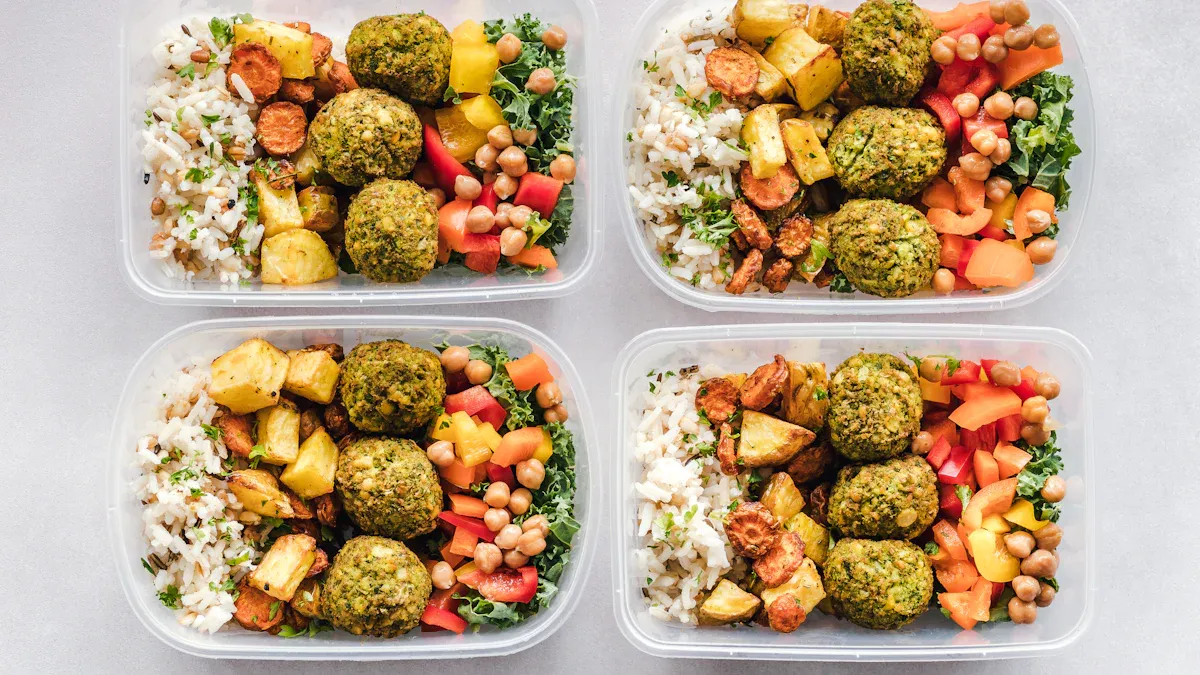
You want to achieve your weight loss goals. Diverse daily meal plans help you do this. These plans prevent boredom and keep you motivated. This section provides structured weight loss meal plans for common calorie levels. You will find variations for breakfast, lunch, dinner, and snacks. These options focus on healthy and delicious choices. You can also use these as a 7-day meal plan framework.
1200-Calorie Meal Plan
A 1200-calorie meal plan is a common target for significant weight loss. This low-calorie meal plan requires careful food choices. You need nutrient-dense, low-calorie foods.
Breakfast Variations:
Oatmeal Power Bowl: Prepare oatmeal with almond milk. Add walnuts and sliced banana. This is a great vegetarian option.
Scrambled Eggs with Greens: Scramble two eggs with fresh spinach. Serve with one slice of whole-grain toast. This helps manage blood sugar.
Greek Yogurt Delight: Enjoy Greek yogurt with a handful of mixed berries. Sprinkle chia seeds on top. This provides protein and fiber.
Lunch Variations:
Large Garden Salad: Mix leafy greens with colorful vegetables. Add a small portion of grilled chicken or chickpeas. Use a light vinaigrette dressing.
Turkey and Veggie Wrap: Use a whole-wheat tortilla. Fill it with lean turkey breast, lettuce, tomato, and cucumber. Add a touch of mustard.
Dinner Variations:
Baked Salmon with Asparagus: Bake a small salmon fillet. Serve it with a generous portion of steamed asparagus.
Lentil Soup: Enjoy a hearty bowl of homemade lentil soup. Include plenty of vegetables like carrots and celery.
Snack Ideas:
An apple or a small handful of almonds.
A rice cake with a thin layer of avocado.
1500-Calorie Meal Plan
A 1,500 calorie diet offers more flexibility than a 1200-calorie plan. This diet still supports effective weight loss. You can enjoy a wider range of healthy foods. This meal plan helps you stay satisfied.
Breakfast Variations:
Smoothie Bowl: Blend spinach, half a banana, protein powder, and unsweetened almond milk. Top with a few berries and a sprinkle of granola.
Avocado Toast with Egg: Toast one slice of whole-grain bread. Mash half an avocado on top. Add a poached or fried egg.
Lunch Variations:
Quinoa Salad with Feta: Combine cooked quinoa with chopped cucumbers, tomatoes, red onion, and a small amount of feta cheese. Add a lemon-herb dressing.
Chicken and Vegetable Skewers: Grill chicken and various vegetables on skewers. Serve with a small side of brown rice.
Dinner Variations:
Zucchini Noodles with Avocado Pesto Shrimp: This meal totals 514 calories. You can add 2 cups of mixed greens. Dress the greens with 1 tsp. olive oil, 1 tsp. Dijon mustard, 2 tsp. red-wine vinegar, and a pinch of salt and pepper.
Chicken with Roasted Vegetables: You can have 5 ounces (140 grams) of baked chicken. Add 1 cup (205 grams) of roasted butternut squash cooked in 1 tablespoon (15 ml) olive oil. Include 1 cup (160 grams) of roasted broccoli.
Pasta with Pesto and Beans: Prepare 1 cup (140 grams) of brown-rice or whole-wheat pasta. Mix in 1 tablespoon (14 grams) of pesto. Add 1/2 cup (120 grams) of cannellini beans, 1 cup (20 grams) of spinach, and 1 cup (139 grams) of cherry tomatoes. Top with 1 tablespoon (5 grams) of grated parmesan cheese.
Cod with Quinoa and Broccoli: Bake 5 ounces (140 grams) of cod. Cook it with 1 tablespoon (15 ml) of olive oil. Serve with 3/4 cup (128 grams) of quinoa and 1 cup (160 grams) of roasted broccoli.
Snack Ideas:
Beef Jerky: A serving provides 73 calories, 11g protein, 6g carbs, and 1g fat.
Protein Greek Yogurt: This offers 139 calories, 20g protein, 8g carbs, and 3g fat.
Cottage Cheese & Honey: A small portion gives you 62 calories, 7g protein, 7g carbs, and 1g fat.
Hummus and Carrots: Enjoy 1/4 cup hummus with 10 baby carrots (135 calories).
Peach with Almonds: Eat 1 peach with 12 unsalted almonds (161 calories).
Apple with Peanut Butter: A medium apple with 1 tablespoon peanut butter provides 189 calories.
Watermelon: One cup of cubed watermelon has 46 calories.
Greek Yogurt with Raspberries: A cup of 2% plain Greek yogurt with 1/2 cup raspberries gives 178 calories. These are great low-calorie foods.
1800-Calorie Meal Plan
An 1800-calorie meal plan suits active individuals or those with moderate weight loss goals. This plan provides ample energy. You can still make healthy choices. This diet helps you maintain energy levels.
Breakfast Variations:
Hearty Oatmeal: Increase portion size from the 1200-calorie plan. Add more nuts, seeds, and fruit.
Breakfast Burrito: Scramble eggs with black beans, salsa, and a sprinkle of cheese. Wrap in a whole-wheat tortilla.
Lunch Variations:
Large Chicken Salad Sandwich: Use whole-grain bread. Fill with lean chicken salad (made with Greek yogurt instead of mayo). Add plenty of lettuce and tomato.
Grain Bowl: Combine a base of farro or brown rice. Add roasted vegetables, grilled chicken or tofu, and a light dressing.
Dinner Variations:
Lean Steak with Sweet Potato: Grill a lean cut of steak. Serve with a baked sweet potato and a large side of green beans.
Homemade Pizza: Use a whole-wheat crust. Top with tomato sauce, plenty of vegetables, and a moderate amount of low-fat mozzarella cheese.
Snack Ideas:
A protein bar.
A handful of mixed nuts and dried fruit.
Cottage cheese with pineapple.
Sample Meal Ideas
You can create many delicious meal plans using these ideas. Remember to vary your food choices. This prevents monotony. It also ensures you get a wide range of nutrients. You can structure your week with a 7-day meal plan. This helps you stay on track. These meal plans for weight loss are flexible. Adjust them to your tastes and schedule.
Meal Prep and Customization
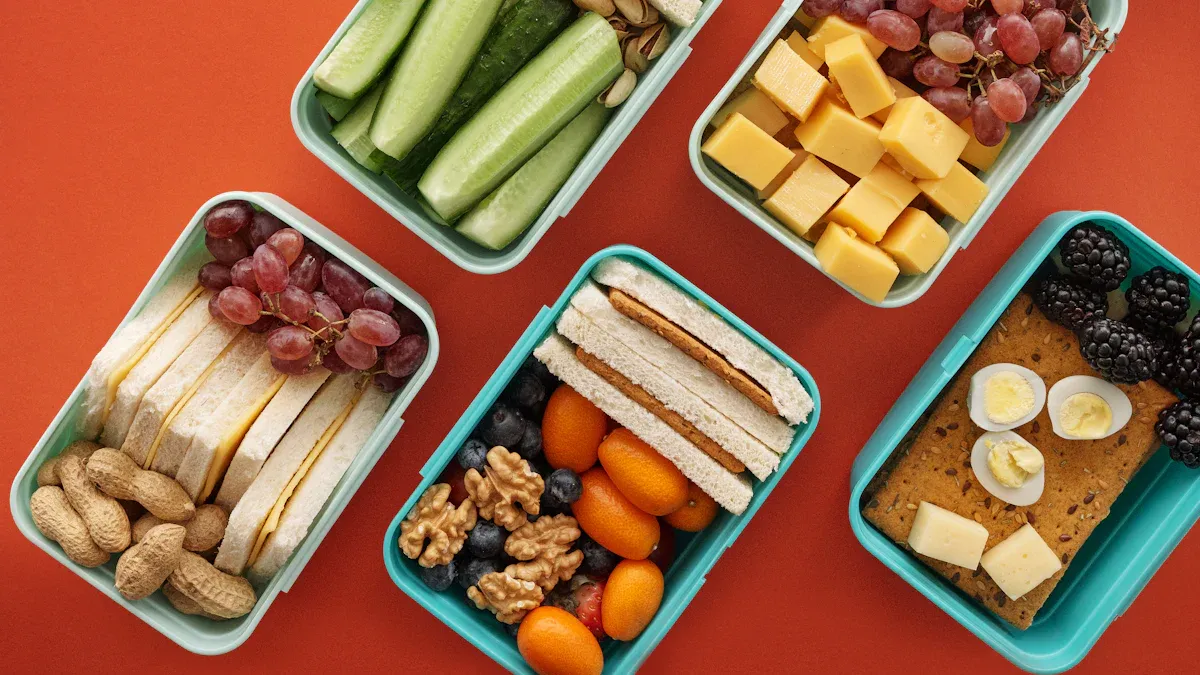
You can make your diet successful with practical strategies. This section helps you implement your meal plan. You will learn about efficient shopping and cooking. You also learn how to customize your meals.
Smart Shopping and Batch Cooking
Efficient grocery shopping saves you time and money. It also reduces food waste. You should plan your meals in advance. Look at what you already have. This helps you create a focused grocery list. You avoid buying things you do not need. Planning meals with similar ingredients helps. For example, use chickpeas in hummus, salads, and snacks. This reduces waste.
You should shop seasonally. Fruits and vegetables are fresher and tastier then. They are also more affordable. This leads to significant savings on your grocery bill. Buy pantry staples in bulk. Lentils, rice, and beans are good examples. This saves money and reduces packaging. Look for weekly specials and in-store deals.
Batch cooking is a powerful tool for meal prep. It saves time during busy weeks. You cook larger quantities of food at once. Then you divide them into individual portions. Proper food storage is crucial. It extends the life of your grocery items. It also minimizes spoilage.
Nutrient loss, prep fatigue, and poor storage habits can sabotage your best efforts.
You must store items correctly. Keep fresh herbs in water. Freeze bread. Store potatoes and onions in a cool, dark place. Keep them away from each other. You should also use leftovers creatively. Do not throw food away. Collect veggie scraps for homemade stock. Turn stale bread into croutons or breadcrumbs. Use overripe bananas for baking or smoothies.
Monitor temperatures for cold storage. This prevents spoilage. It also maintains nutritional value.
Maintain cleanliness in your kitchen. A clean storage environment is essential. Clean spills promptly. Storage solutions should be easy to sanitize.
Rotate your stock using the First-In, First-Out (FIFO) rule. Use older items before newer ones. This limits food waste. It ensures ingredients are used before they expire.
Healthy Food Choices
Making healthy food choices is fundamental. It supports your overall well-being. You should prioritize plant-based protein sources. These include beans, whole grains, seeds, nuts, tofu, tempeh, and edamame. If you eat meat, choose leaner cuts. Examples are round, sirloin, and loin for beef. For pork, choose tenderloin and loin chop. Ground chicken or turkey are also good. Use healthy cooking methods. Baking, broiling, grilling, and roasting are good choices. Remove skin and visible fat from poultry. Seafood is also good. Salmon and cold-water trout are rich in omega-3s.
For dairy, choose low-fat or skim options. Non-dairy alternatives like soy, rice, or almond milk are also good. Select low-fat or part-skim cheeses. Choose yogurts without added sugar. Sorbet and frozen yogurt are healthyer alternatives to ice cream.
Include healthy fats in your diet. Limit saturated and trans fats. Opt for olive, canola, and soybean oils. Avoid shortening, butter, and margarine. Use nonstick cooking spray for pans. Replace regular mayonnaise and salad dressings. Use yogurt and vinaigrettes made with olive oil and vinegar instead.
Stay hydrated with water. Drink other unsweetened beverages. Avoid sugary drinks. These include fruit juices, soda, sports/energy drinks, sweetened milk, and sweet tea. Limit alcohol consumption.
Fruits and vegetables should be the basis of your meals. They provide fiber, vitamins, and minerals. Aim for a variety of colors. They should cover half of your plate at each meal. Avoid adding saturated fats and sugar. Use healthy oils, herbs, or yogurt instead. Potatoes and corn process more like grains.
Choose whole-grain products. Whole grains should be the first ingredient. These are high in fiber, protein, and vitamins. They promote fullness. Avoid “enriched” products. Opt for low-sugar, whole-grain cereals like oatmeal. Avoid instant or granola cereals high in sugar. Replace refined grains with whole-grain alternatives. Use whole-wheat bread, whole-wheat pasta, and brown or wild rice.
You should choose lower fat and lower sugar options for milk and dairy. Examples are reduced-fat, 1% fat, or skimmed milk, low-fat hard cheeses, cottage cheese, and low-fat, low-sugar yogurt. For dairy alternatives, choose unsweetened, calcium-fortified versions.
Beans, pulses, fish, eggs, and meat are vital. They provide protein, vitamins, and minerals. Choose lean cuts of meat. Choose skinless poultry. Cook them thoroughly. Limit red and processed meats. Aim for at least two portions of fish weekly. Include one portion of oily fish. Pulses like beans, peas, and lentils are low in fat. They are high in fiber and protein. Unsalted nuts are good snacks. Eat them in moderation due to their fat content.
Some fat is essential. Most fat should come from unsaturated oils and spreads. This helps lower cholesterol. All fats are high in energy. Consume them in small amounts. Limit saturated fat, sugar, and salt. Too much saturated fat increases cholesterol. It raises heart disease risk. High sugar intake increases obesity and tooth decay risk. Too much salt can raise blood pressure. This increases the risk of heart disease or stroke. These are all important for healthy eating.
Adapting to Dietary Needs
You can customize your meal plan for different needs. Many people follow specific diets.
If you are vegetarian, you have many options. You can substitute meat with plant-based proteins.
Soy-based products: tofu, tempeh, texturized soy protein
Wheat gluten: seitan
Legumes: pea, lentil, lupine, chickpea
Seeds: rapeseed, canola
You can also use plant-based milks. Tofu, tempeh, and nutritional yeast are good choices. Legumes like chickpeas, lentils, and black beans are also excellent protein sources.
For a DASH-friendly diet, you focus on reducing sodium. You also increase fruits, vegetables, and whole grains.
For vegetables, prioritize roasted, grilled, or steamed options. Avoid deep-fried vegetables. Do not use butter or cheesy sauce. Add vegetables to pasta dishes, tomato sauce, omelets, and soups.
For fruit, replace sugar-filled jams and jellies with compotes. These are chunky fruit sauces made without added sugar. Choose fruit salads for dessert or snacks. Consider freeze-dried or dried fruits.
For dairy, opt for cheese on eggs, in salads, or sandwiches. Use kefir or Greek yogurt for breakfast. Avoid cream cheese, sour cream, and ice cream.
To reduce salt, gradually decrease the amount you add to food. Use herbs and spices for flavor instead.
If you follow a keto diet, you focus on high fat, moderate protein, and very low carbs. You will need to adjust your calorie intake and macronutrient ratios significantly. This often means replacing grains and starchy vegetables with non-starchy vegetables and healthy fats.
Tracking and Adjusting
Tracking your food intake helps you stay on target. It ensures you meet your calorie goals. You can use various methods for calorie counting.
Food Tracking Apps: Apps like MyFitnessPal or MacrosFirst are great. They let you log meals and scan barcodes. You can monitor calorie and macronutrient intake. These apps are good for athletes or those who want precision. They are also good if you enjoy technology.
The Hand Portion Method: This method is simple. You estimate food intake without scales or apps. Use your palm for protein. Use a cupped hand for carbs. Your thumb measures fats. Your fist measures veggies. This method is good for busy people. It is also good for those who eat out often. It offers a low-stress approach.
Food Journaling: This method focuses on awareness. Write down what, when, and how much you eat. Note how it made you feel. This can reveal patterns. It leads to better choices. It is best for beginners. It helps break habits like emotional eating. It promotes mindful eating.
Intermittent Fasting (IF): This method focuses on when you eat. It does not track what you eat. Popular approaches include 16:8. This means 16 hours fasting and an 8-hour eating window. Another is 5:2. This means normal eating 5 days and very little on 2 days. This method can naturally limit excess calories. It improves awareness of hunger cues. It suits those who prefer fewer, more structured meals. It helps reduce snacking.
You can also use automatic meal planners. NutriAdmin is a meal planning software. It creates individualized meal plans. It includes accurate nutrition data. You can specify calories, macronutrients, diet, cuisine, and cooking equipment. It generates a plan quickly.
Eat This Much is another automatic meal planner. It creates personalized meal plans. It considers food preferences, budget, and schedule. It supports various diets. These include Keto, Mediterranean, Paleo, Vegan, and Vegetarian. It helps you reach your diet and nutritional goals. It offers a calorie calculator, weekly meal plans, and a grocery list.
Sam Konowich said, “Eat This Much not only helps me hit my macros, but also makes sure I’m not eating the same bland thing every day. I’ve lost 35 lbs over the past year, and with ETM, I’m eating and performing better than ever.” Meg M. also shared, “I found out about Eat This Much and lost 32 lbs in 6 months! Now I’m a fit over 50 female in amazing condition, and this site is what I refer to several times a day to ensure I eat properly and manage my macros.” Sam A. added, “After being diagnosed with sleep apnea and high blood pressure, I picked up this app and followed the nutrition plan religiously. Since then I’ve lost over 40lbs. I still have 20lbs or so to go before I get to where I really want to be, but I’m thankful for the life this all has helped me achieve.”
Regularly review your progress. Adjust your meal plan as needed. Your body changes. Your goals may change too. Consistent calorie counting and tracking help you stay on track. Whether you aim for a 1,500 calorie diet or another calorie target, these tools are invaluable. They help you make healthy choices. They also help you find low-calorie foods that fit your lifestyle.
Overcoming Diet Challenges
You will face obstacles on your journey to a healthier lifestyle. This section gives you strategies for long-term success. You can stay motivated, manage cravings, and navigate social situations.
Consistency and Motivation
You need consistency, not perfection, for success. Redefine your eating approach. Call it a “new healthy lifestyle” instead of a “diet.” This positive view focuses on enjoyable, nourishing foods. It is more sustainable. Plan your meals in advance. This prevents impulsive unhealthy choices. Research shows meal planning links to better dietary outcomes. Shop smartly. Avoid grocery shopping when hungry. This prevents impulse purchases of high-calorie foods. Online grocery shopping also helps you select healthier options.
Small, consistent actions create significant changes over time. Eating balanced meals most of the time is more beneficial than rigid, short-term dieting. You build habits through repetition. Start with small, manageable changes. Embrace flexibility. Life is unpredictable. A flexible approach helps you adapt without losing sight of your goals. Focus on progress, not perfection. Celebrate gradual improvements. This is more motivating than striving for an unattainable “perfect” diet. Set realistic goals. Aim for achievable targets. Celebrate small victories. Track your progress. This reinforces positive behavior.
Managing Cravings
Cravings can derail your meal plan. You can manage them effectively. Enjoy a small portion of the craved food. This satisfies the desire without completely avoiding it. Eat healthy options first. This reduces intense hunger before you indulge. Keep trigger foods out of your house. Buy them only when you plan to consume them. Distract yourself for about 20 minutes. Cravings often pass within this time. Chew sugarless gum. This helps reduce cravings for sweet and salty snacks. Ensure adequate sleep and exercise. This lowers ghrelin levels, an appetite-stimulating hormone. Substitute healthier options. Try low-fat yogurt or fruit for sweet cravings. Veggies with hummus offer a satisfying crunch for savory cravings.
Social Eating Strategies
Social events and dining out can challenge your diet. You can navigate these situations successfully. Plan ahead. Review the menu if you dine out. Consider bringing a healthy dish to a potluck. This helps you avoid impulsive choices. Communicate your needs. Inform hosts or restaurant staff about your dietary preferences. Ask for modifications. Request dressing on the side or grilled options. Practice portion control. Start with smaller portions. Use smaller plates to manage your intake. Focus on balance. Aim for fruits, vegetables, lean proteins, and whole grains. If you indulge, make healthier choices at your next meal. Stay hydrated. Drink water throughout the day. This helps with fullness.
When dining out, plan ahead. Check menus online for calorie counts. Eat a lighter meal earlier if you expect a high-calorie dinner. Choose cooking methods carefully. Opt for grilled, steamed, or baked meals. Avoid fried or breaded items. Ask for condiments and sauces on the side. This lets you control the amount you consume. Instead of bacon, choose skinless chicken. Instead of french fries, choose a baked potato or side salad.
Holistic Wellness Factors
An ultimate diet includes more than just food. Hydration, sleep, and stress management are crucial. You need enough water. Men should aim for about 13 cups daily. Women need about 9 cups. These are general guidelines. Individual needs vary. For healthy adults, 2.5 to 3.5 liters daily supports metabolic function.
Sleep is vital for weight management. Adults aged 18-60 years need 7-9 hours of sleep per night. Consistently getting less than 6-7 hours links to a higher risk of being overweight. Adequate sleep influences metabolism, appetite, and energy balance.
Stress management also impacts your dietary adherence. Stress management programs, including relaxation techniques, improve compliance with dietary interventions. They promote healthy eating choices. Managing stress can lead to better dietary adherence. This enhances long-term health and well-being.
You now understand the benefits of a varied, calorie-controlled meal plan. This plan helps you achieve sustainable health and weight loss goals. Remember, flexibility and enjoyment are key to your ultimate diet. Listen to your body’s calorie signals. Start small with your calorie plan. Experiment with different calorie variations. View your eating plan as a lifestyle change, not a temporary calorie fix. This ultimate diet supports your calorie management goals. Take control of your nutrition for lasting well-being and health. Your calorie journey supports your weight loss and health goals. Every calorie choice matters.
FAQ
What is a calorie deficit?
A calorie deficit means you eat fewer calories than your body burns. This helps you lose weight. For example, a 1,500 calorie diet creates a deficit if your body needs more. You reduce your total calorie intake. This 1,500 calorie diet approach leads to weight loss.
How does a 1,500 calorie diet help with weight loss?
A 1,500 calorie diet helps you lose weight. You consume fewer calories than your body uses daily. This forces your body to burn stored fat for energy. Many people find a 1,500 calorie diet effective. This calorie level supports steady progress.
Can I customize the 1,500 calorie diet plan?
Yes, you can customize your 1,500 calorie diet plan. You adapt meals to your preferences and dietary needs. You can swap ingredients. You can adjust portion sizes. This ensures your 1,500 calorie diet fits your calorie goals and lifestyle.
What are macronutrients in a calorie plan?
Macronutrients are carbohydrates, proteins, and fats. They provide energy. A balanced calorie plan includes all three. Even a 1,500 calorie diet needs proper macro distribution. This 1,500 calorie diet needs these for overall health.
Is a 1,500 calorie diet suitable for everyone?
A 1,500 calorie diet is not for everyone. Your ideal calorie intake depends on your age, activity level, and goals. Consult a doctor or dietitian. They help determine your specific calorie needs. A 1,500 calorie diet works for many, but not all.