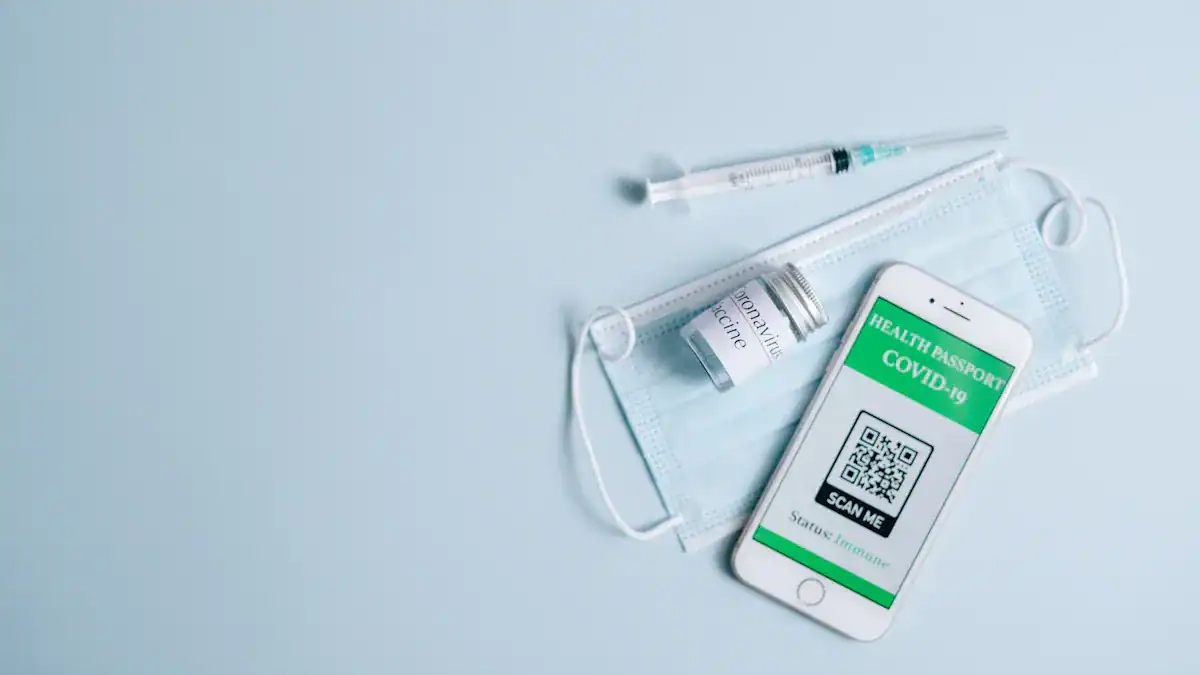
Yes, you can still get shingles even after vaccination. However, the shingles vaccine significantly reduces your risk and the severity of the illness. Many people believe vaccination offers 100% immunity, but this is a common misconception. We will clarify the facts, revealing the Truth Revealed about why you might still get shingles after vaccination. This article explains the shingles vaccine’s effectiveness and the continued importance of vaccination. You will understand the true protection the vaccine offers.
Key Takeaways
You can still get shingles even after vaccination. The vaccine does not offer 100% protection.
The shingles vaccine greatly lowers your risk of getting shingles. It also makes the illness much milder if you do get it.
The Shingrix vaccine is very effective. It protects against shingles and its painful complications like PHN.
The vaccine reduces how bad your symptoms are. It also makes the illness shorter and lowers your risk of serious problems.
Adults aged 50 and older should get two doses of the Shingrix vaccine. This is true even if you had shingles before.
What is Shingles and Vaccine Basics
Understanding Shingles
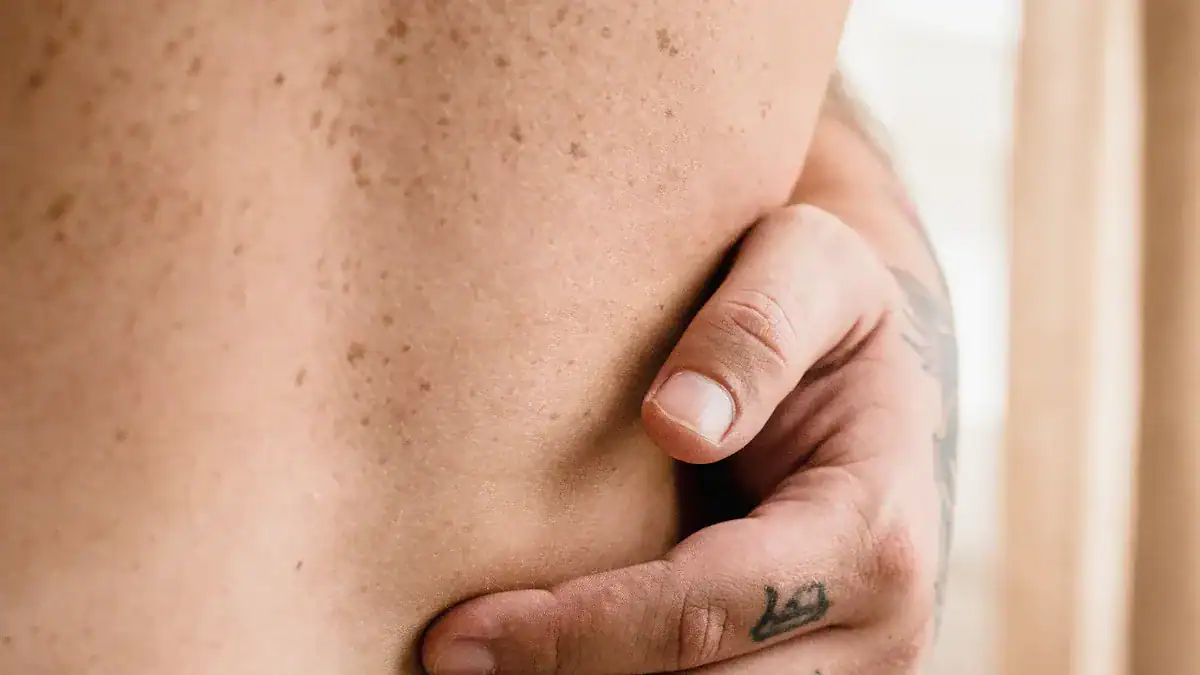
You might wonder, “what is shingles?” Shingles, also known as herpes zoster, is a viral infection. The same virus that causes chickenpox, the varicella zoster virus, causes shingles. After you recover from chickenpox, the varicella zoster virus stays inactive in your nerve tissue. Years later, the varicella zoster virus can reactivate, causing shingles. This reactivation of the virus leads to a painful rash.
Here are some quick facts about shingles:
Attribute | Description |
|---|---|
Other names | Herpes zoster |
Symptoms | Painful rash |
Causes | Varicella zoster virus (VZV) |
Duration | 2–4 weeks |
The painful rash from shingles often appears as a band or strip on one side of your body or face. This condition, zoster, can be very uncomfortable. Understanding shingles helps you see why preventing it is so important.
How Shingles Vaccines Work
No vaccine offers 100% protection, and this holds true for vaccines for shingles. However, the shingles vaccine significantly reduces your risk. The Shingrix vaccine, for example, does not contain a live virus. This vaccine uses a specific viral protein, glycoprotein E (gE), combined with an adjuvant system. This combination helps your immune system build a strong defense against the varicella zoster virus.
The Shingrix vaccine works by stimulating your immune system. It helps your body create a powerful and lasting immune response. This response targets the varicella zoster virus, which causes shingles. This is especially important as you get older because your natural immunity against zoster can weaken. The vaccine helps counteract this age-related decline. You receive two doses of this vaccine to get the best protection against zoster. This strong immune response helps prevent shingles or makes the illness much milder if you do get it.
Can You Get Shingles After Being Vaccinated?
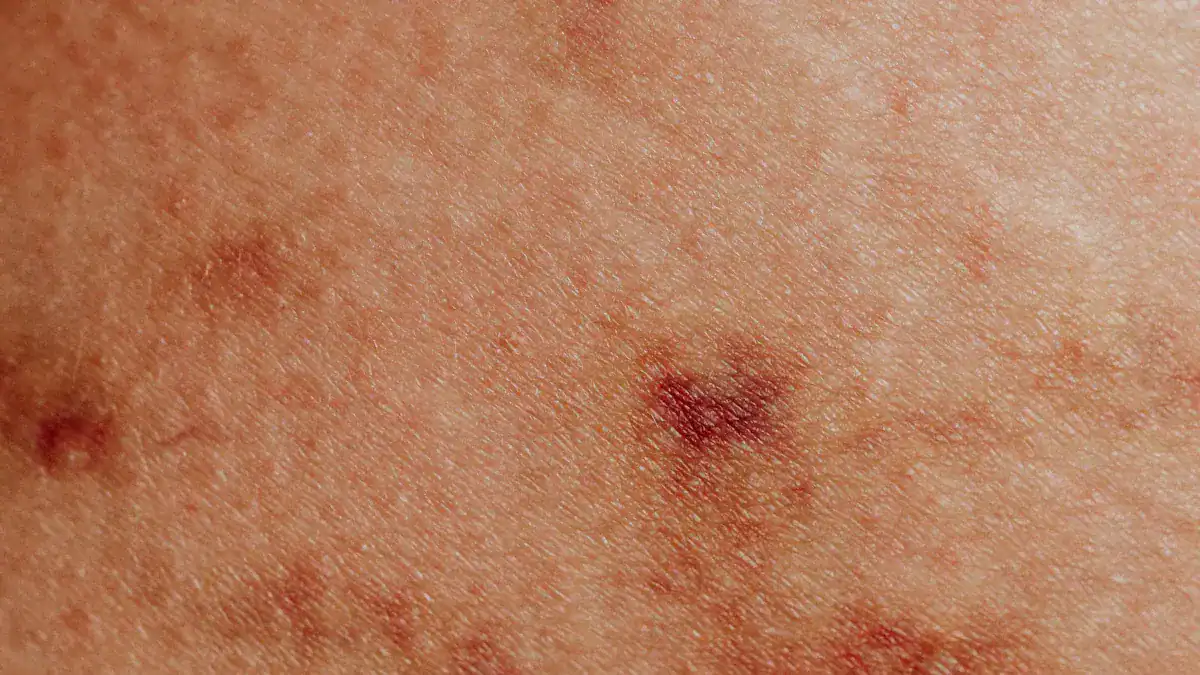
You might wonder if you can still get shingles after being vaccinated. The truth revealed is yes, you can. However, the shingles vaccine significantly lowers your chances. It also makes the illness much milder if you do get shingles after being vaccinated.
Vaccine Efficacy and Protection
The shingles vaccine offers strong protection against this painful condition. For example, the Shingrix vaccine is highly effective at preventing shingles. It can lower your chances of getting shingles by more than 90%. This is a significant reduction.
Studies show the Shingrix vaccine has an overall effectiveness rate of 87.7% for adults aged 50 and older. This measurement starts one month after your second dose. The effectiveness varies slightly by age. For those 50-59, it is 86.7%. For ages 60-69, it is 87.1%. For people 70-79, it is 71.9%, and for those 80 and older, it is 75.9%. A real-world study also found two doses of Shingrix were 73.9% effective at preventing zoster infection in US adults aged 50 and older.
This protection lasts a long time. Being fully vaccinated with Shingrix can lower your risk of getting shingles for about 7 years. In fact, Shingrix can provide at least 10 years of protection from shingles for adults aged 50 and over. A study called ZOSTER-049 confirmed this. It showed the vaccine offers at least a decade of protection after your first shots. The overall clinical benefit of the Recombinant Zoster Vaccine continues for at least 10 years. Its effectiveness remains high, at 89.0%, even up to 10 years after vaccination.
Why Breakthrough Cases Occur
No vaccine provides 100% immunity. This means a small number of vaccinated people may still get shingles after being vaccinated. These are called breakthrough cases. Your immune system might not respond as strongly to the vaccine. Or, your immunity might decrease over time. This can happen with any vaccine.
It is important to know that there is no evidence one way of getting immunity—either from the vaccine or from a past zoster infection—makes you more or less likely to get shingles after being vaccinated later. The goal of the vaccine is to build your body’s defense.
Shingrix Effectiveness: Truth Revealed
The truth revealed about Shingrix is its superior effectiveness. It is considered the best option available. Shingrix shows over 90% effectiveness in preventing shingles across most adult age groups. It also offers strong protection against postherpetic neuralgia (PHN), a common complication of zoster.
Older shingles vaccine options, like Zostavax, had lower effectiveness rates. This was especially true for older adults. Zostavax also had safety and logistical challenges because it contained a live virus.
When comparing the Recombinant Zoster Vaccine (RZV, or Shingrix) to the Zostavax Live (ZVL) vaccine, RZV showed much higher zoster effectiveness. For adults 60 and older, RZV was 92% effective compared to ZVL’s 51%. For those 70 and older, RZV was 91% effective compared to ZVL’s 37%. RZV also showed much higher effectiveness against PHN. For adults 60 and older, RZV was 89% effective compared to ZVL’s 66%. For those 70 and older, RZV was 89% effective compared to ZVL’s 67%.
While RZV caused more injection-site and body-wide reactions, there were no major differences in serious side effects between RZV and ZVL. Newer competitors, like Curevo’s CRV-101 and Pfizer/BioNTech’s mRNA vaccine, aim to match or even exceed Shingrix’s effectiveness. They also hope to offer fewer side effects. The truth revealed is that Shingrix sets a high standard for protection against shingles.
Benefits of the Shingles Vaccine Even If Infected
You might wonder why you should get the shingles vaccine if you can still get shingles after being vaccinated. The vaccine offers significant benefits, even if you experience a breakthrough case. It helps your body fight the virus more effectively.
Reduced Severity of Symptoms
One major advantage is the reduced severity of symptoms. If you get shingles after being vaccinated, your illness will likely be much milder. This means less pain and discomfort for you. For vaccinated individuals who still developed shingles, the average severity of their symptoms was reduced. The overall burden of illness, specifically the extent of pain you experience, saw a 61% reduction. Chronic nerve pain, which can last for months or years, was reduced by two-thirds. This shows the powerful protective effect of the vaccine. Even if you contract shingles, the vaccine typically leads to a reduction in both the severity and duration of your symptoms.
Lower Risk of Complications
Beyond reducing immediate symptoms, the shingles vaccine dramatically lowers your risk of serious complications. The most feared complication of shingles is postherpetic neuralgia (PHN). PHN causes severe, long-lasting nerve pain in the area where the shingles rash appeared. This pain can be debilitating and persist for months or even years after the rash clears. The herpes zoster vaccine significantly reduced the incidence of PHN by approximately two-thirds across all subjects and age groups. This means you are much less likely to suffer from this chronic pain if you are vaccinated.
Did You Know? The vaccine offers strong protection against PHN:
This evidence clearly shows the vaccine protects you from the most severe outcomes. The shingles vaccine is your best defense against these painful complications.
Shorter Illness Duration
When you get shingles after being vaccinated, the illness often runs its course more quickly. The vaccine helps your immune system recognize and fight the virus faster. This accelerated response means you spend less time dealing with the painful rash and other symptoms. A shorter illness duration means you can return to your normal activities sooner. You experience less disruption to your daily life. The overall impact of shingles on your well-being is significantly lessened. The vaccine helps you recover faster and reduces the overall burden of the disease. This makes the shingles vaccine a valuable tool for your health.
Who Needs the Shingles Vaccine and Why
You might ask, “who should get the shingles vaccine?” Getting vaccinated is the most effective way to prevent shingles. This section explains who should get the shingles vaccine and why it is so important.
Current Vaccination Guidelines
The Centers for Disease Control and Prevention (CDC) provides clear recommendations for shingles vaccination. You should know these guidelines.
The CDC recommends two doses of the shingles vaccine, Shingrix, for adults aged 50 years and older. This helps prevent shingles and its related complications.
Even if you are younger, the CDC also recommends two doses of Shingrix for adults aged 19 years and older. This applies if you are or will be immunodeficient or immunosuppressed due to disease or therapy.
The Shingrix vaccine is the preferred option. You receive it in two doses, given 2 to 6 months apart. This vaccine is over 90% effective in preventing shingles. It has replaced the older vaccine, Zostavax, as the CDC-recommended choice for adults older than 50 years.
Importance for Past Shingles Sufferers
You might think you do not need the shingles vaccine if you have already had shingles. However, this is not true. If you have had shingles in the past, vaccination can significantly reduce your chances of a recurrence. You can get shingles more than once.
Studies show that shingles can return. For example, in unvaccinated people who had shingles before, the recurrence rate is about 24 people per 10,000 each year. Another study found a 10-year recurrence risk of 10.26% in healthy, unvaccinated people. Getting the vaccine helps protect you from experiencing this painful illness again.
Zostavax vs. Shingrix
You may have heard of different vaccines for shingles. The shingles vaccine landscape has changed. Shingrix is now the recommended vaccine.
Here is a comparison of Shingrix and Zostavax:
Feature | Shingrix | Zostavax |
|---|---|---|
Vaccine Type | Recombinant, adjuvanted (inactivated/non-live) | Live, attenuated |
Efficacy (50-69 years) | 97% | 70% |
Efficacy (over 70 years) | ~90% | Decreases with age (e.g., 41% for 70-79) |
Immunocompromised Use | Can be used | Not recommended |
Administration | Intramuscular injection, 2 doses | Subcutaneous injection, 1 dose |
Availability | Currently available | No longer available in the U.S. as of November 2020 |
Shingrix offers much higher efficacy, especially for adults older than 50 years. It consistently prevents shingles in older adults. Zostavax’s effectiveness decreased significantly with age.
If you received the Zostavax vaccine in the past, you should still get Shingrix. The CDC recommends that individuals who previously received Zostavax should still receive two doses of Shingrix. This recommendation applies even if you were previously vaccinated with Zostavax. Getting vaccination with Shingrix is your best defense against shingles.
You now know you can still get shingles even after vaccination. However, the shingles vaccine is highly effective. It gives you substantial protection from shingles. This shingles vaccine prevents severe shingles disease and shingles complications. The shingles vaccine greatly reduces personal suffering from shingles. It also helps public health. Talk to your healthcare provider. Discuss the shingles vaccine and your concerns about this important vaccine. Remember, the shingles vaccine is your best defense against shingles. A vaccine can help prevent it. It is effective at preventing this painful shingles illness. You get strong protection from shingles. This shingles vaccine offers great protection.
FAQ
Can I get shingles if I’ve had chickenpox?
Yes, you can get shingles if you had chickenpox. The virus stays in your body. The shingles vaccine helps prevent this painful zoster.
How many doses of the shingles vaccine do I need?
You need two doses of the shingles vaccine. You get them 2 to 6 months apart. This gives you the best protection against shingles.
What are the common side effects of the shingles vaccine?
You might have common side effects. These include soreness, redness, or swelling where you got the shot. You might also feel tired or have muscle pain. These common side effects are usually mild.
Does the shingles vaccine prevent all cases of shingles?
No, the vaccine does not prevent all cases of shingles. It greatly reduces your risk. If you do get shingles, the illness will likely be much milder.
Is the shingles vaccine safe for everyone?
Most people can safely get the shingles vaccine. Talk to your doctor if you have concerns about shingles. They can tell you if the vaccine is right for you. This vaccine is very effective.