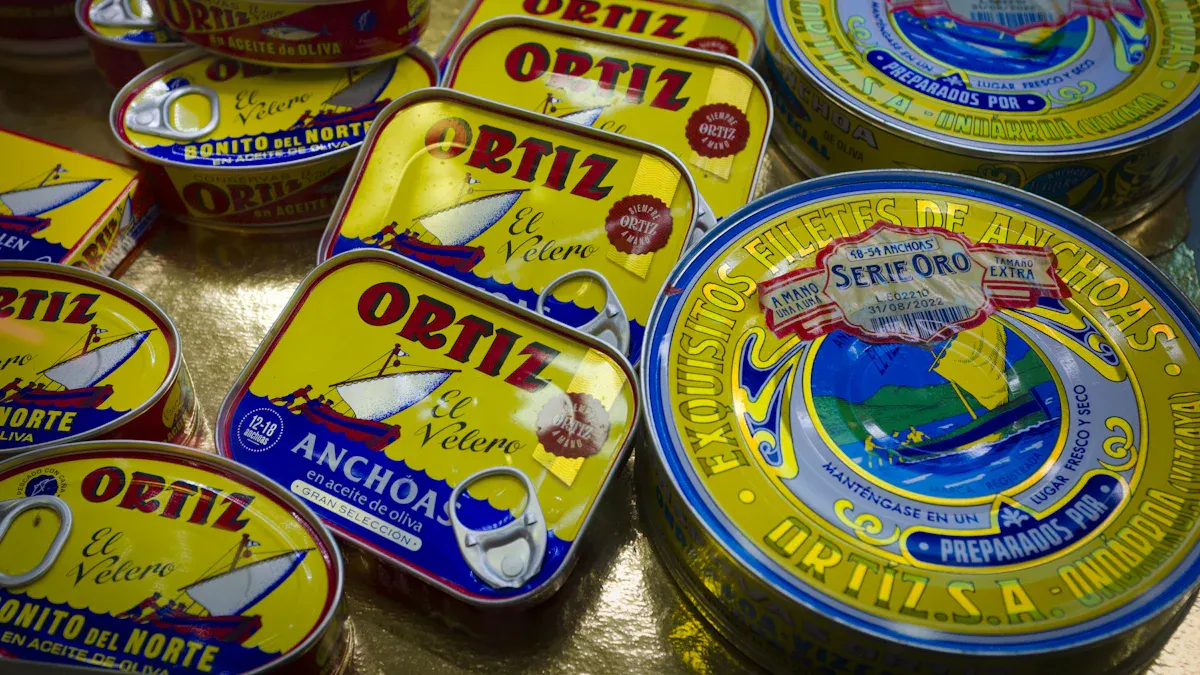
Canned fish offers convenience, affordability, and excellent nutrition. Many people enjoy this versatile fish. This article addresses key questions: Which types of canned fish are best for nutrition, low mercury, and overall safety? We explore various types of canned fish, detailing their unique attributes and mercury levels. This helps readers make informed choices about canned fish types for their health. Understanding mercury in fish is crucial.
Key Takeaways
Canned fish offers many nutrients. It provides omega-3s, vitamin D, and calcium. These nutrients help your heart, brain, and bones.
Choose canned fish with low mercury. Salmon, sardines, mackerel, and anchovies are good choices. Light tuna has less mercury than albacore tuna.
Canning makes fish safe. The process uses high heat to kill germs. This keeps the fish safe to eat for a long time.
Check for BPA-free cans. Some cans have a chemical called BPA. Many companies now offer cans without BPA.
Watch the sodium in canned fish. Some types have a lot of salt. You can find low-sodium options or rinse the fish.
Canned Fish: Benefits and Safety Basics
Nutritional Benefits
Canned fish offers many important nutrients. It is a rich source of omega-3 fatty acids. The body cannot produce these essential fats on its own. Omega-3s help reduce inflammation. They also support heart, brain, and joint health. Varieties like tuna, salmon, trout, and sardines are excellent sources of vitamin D and calcium. These nutrients work together to promote strong bones. For example, three ounces of salmon provides about 570 IU of vitamin D. This amount is 71% of the recommended daily value. Eating canned fish regularly contributes to overall health.
Processing and Safety Basics
Canning makes fish safe and shelf-stable for a long time. The process involves several steps to ensure product safety. Workers first clean and prepare the fish. They remove internal organs and skin. For large fish, they remove bones and fat. Small fish, like sardines, can be canned whole. The cleaned fish then goes into cans. A filling machine adds the fish and often a salt tablet. Next, machines seal the cans, creating a vacuum.
After sealing, the cans undergo a crucial step called retorting. This involves cooking the canned fish in large pressure canners. Pressure canning uses high temperatures to kill harmful bacteria, including Clostridium Botulinum. This step is essential for safety. Water bath canning is not suitable for fish. The high heat ensures the fish is sterile and safe to eat. After cooking, the cans cool. Workers then inspect them before labeling and distribution. Canned fish is best consumed within 18 months.
Canned Tuna: Nutrition and Mercury
Canned tuna is a popular choice among canned fish due to its versatility and protein content. However, understanding the different types of tuna and their mercury levels is important for informed tuna consumption.
Light Tuna: Nutrition and Mercury
Light tuna typically comes from smaller tuna species, such as skipjack. This type of canned tuna offers a lean protein source. A 1-ounce serving of canned tuna packed in water provides about 24 calories and 6 grams of protein. It also contains beneficial omega-3s, with approximately 56 mg of DHA and 8 mg of EPA.
Nutrient | Amount per 1 oz Serving (Low Sodium) |
|---|---|
Calories | 24 |
Protein | 6 grams |
Total Fat | 0.9 grams |
Saturated Fat | 0.2 grams |
Cholesterol | 10 mg |
Sodium | 70 mg |
Total Carbs | 0 g |
Sugars | 0 g |
Omega-3s (DHA) | 56 mg |
Omega-3s (EPA) | 8 mg |
Vitamin B-12 | 0.7 µg |
Vitamin D | 0.3 µg |
Calcium | 5 mg |
Iron | 0.5 mg |
Selenium | 19 µg |
Phosphorus | 39 mg |
Potassium | 50 mg |
The average mercury concentration in canned light tuna is 0.13 parts per million (ppm), as reported by the EPA. This level is generally lower than other tuna varieties.
Albacore Tuna: Nutrition and Mercury
Albacore tuna, often labeled “white tuna,” comes from a larger species. It has a firmer texture and lighter color than light tuna. Albacore tuna is rich in Vitamin B-12, which is crucial for producing red blood cells and DNA. A can typically contains over 2 micrograms, meeting the recommended daily amount for adults. It also provides essential minerals like selenium, potassium, and iron.
Nutrient | Amount Per Serving (3 oz. drained – 85g) | DV%* |
|---|---|---|
Calories | 90 | |
Total Fat | 1g | 1% |
Saturated Fat | 0g | 0% |
Cholesterol | 30mg | 10% |
Sodium | 280mg | 12% |
Total Carbohydrate | 0g | 0% |
Dietary Fiber | 0g | 0% |
Total Sugars | 0g | |
Protein | 19g | 35% |
Vitamin D | 1.1mcg | 6% |
Calcium | 0mg | 0% |
Iron | 0.4mg | 2% |
Potassium | 200mg | 4% |
Niacin | 60% | |
Vitamin B6 | 6% | |
Vitamin B12 | 50% | |
Selenium | 130% |
Albacore tuna generally contains higher levels of mercury compared to light tuna. Consumers should consider this when planning their tuna consumption.
Tuna Safety and Culinary Uses
The mercury in tuna is a key concern for many. Canned tuna generally has lower mercury than fresh or frozen tuna because canneries often use smaller, younger fish. The FDA and EPA provide guidelines for safe fish consumption. For women, the EPA suggests a safe mercury limit of 185 ppb for a 60kg woman. This helps manage overall mercury intake. Both light and albacore canned tuna are versatile. People use them in sandwiches, salads, and casseroles. Choosing canned fish with lower mercury levels, like light tuna, allows for more frequent enjoyment.
Canned Salmon: Omega-3s and Calcium
Canned salmon offers many health benefits. It provides rich omega-3 fatty acids, vitamin D, and vitamin B12. Canned salmon contains high levels of omega-3 fatty acids, specifically docosahexaenoic acid (DHA) and eicosapentaenoic acid (EPA). DHA helps brain function and eye health. EPA acts as a strong anti-inflammatory. Canned salmon with bones is a natural source of calcium. This makes it excellent for bone health. This type of canned fish generally has a low mercury load.
Pink Salmon: Nutrition and Mercury
Pink salmon is a popular and nutritious choice among canned fish. It provides a good source of protein and essential vitamins.
Component | Amount per 85g serving | % Daily Value |
|---|---|---|
Calories | 116 kcal | 6% |
Protein | 20.9g | 42% |
Fat | 3.6g | 5% |
Carbohydrate | 0g | 0% |
Cholesterol | 70.6mg | 24% |
Sodium | 321.3mg | 13% |
Calcium | 51mg | 4% |
Iron | 0.48mg | 3% |
Potassium | 277.1mg | 6% |
Magnesium | 20.4mg | 5% |
Phosphorus | 215.1mg | 17% |
Zinc | 0.55mg | 5% |
Selenium | 33.7mcg | 61% |
Vitamin A | 17mcg | 2% |
Vitamin C | 0mg | 0% |
Thiamin (B1) | 0.02mg | 2% |
Riboflavin (B2) | 0.17mg | 13% |
Niacin (B3) | 6.3mg | 39% |
Vitamin B6 | 0.09mg | 5% |
Folate (B9) | 3.4mcg | 1% |
Choline | 74.8mg | 14% |
Vitamin B12 | 4.2mcg | 176% |
Vitamin E | 1.1mg | 7% |
Vitamin D | 12mcg | 60% |
Vitamin K | 0.09mcg | 0% |
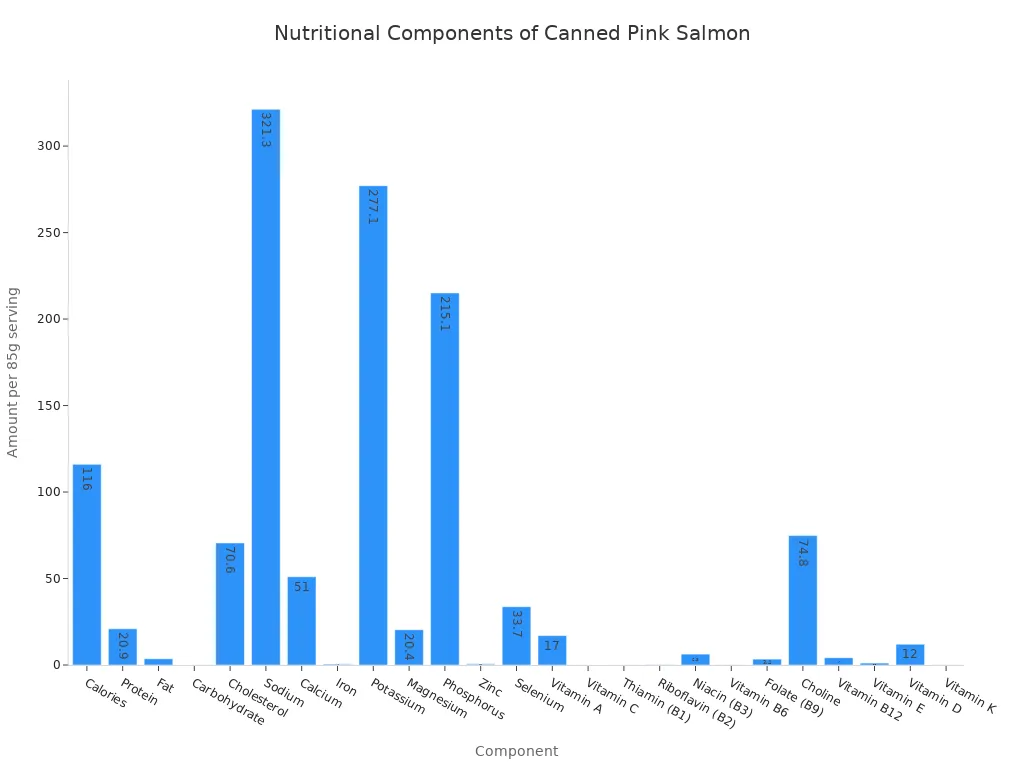
A 3oz (85g) serving of canned pink salmon provides 1029mg of EPA & DHA Omega 3. The average mercury concentration in canned salmon is 0.014 ppm, according to the Food and Drug Administration (FDA). Safe Catch Wild Pink Salmon has an average mercury level of 0.02 ppm. This makes pink salmon a low-mercury fish option.
Sockeye Salmon: Nutrition and Mercury
Sockeye salmon is another excellent choice for canned fish. It has a distinct red color and firm texture.
Nutrient | Amount (per 85g serving) | Daily Value (%) |
|---|---|---|
Calories | 134 kcal | 7% |
Protein | 22.4 g | 45% |
Fat | 5 g | 6% |
Carbohydrate | 0 g | 0% |
Water | 67.8% (57.6g) | N/A |
Cholesterol | 56.1 mg | 19% |
Saturated Fats | 1 g | 5% |
Trans Fatty Acids | 0.03 g | N/A |
Calcium | 31.5 mg | 2% |
Iron | 0.41 mg | 2% |
Potassium | 265.2 mg | 6% |
Magnesium | 20.4 mg | 5% |
Phosphorus | 200.6 mg | 16% |
Sodium | 328.1 mg | 14% |
Zinc | 0.49 mg | 4% |
Copper | 0.06 mg | 7% |
Manganese | 0.01 mg | 0% |
Selenium | 29.4 mcg | 53% |
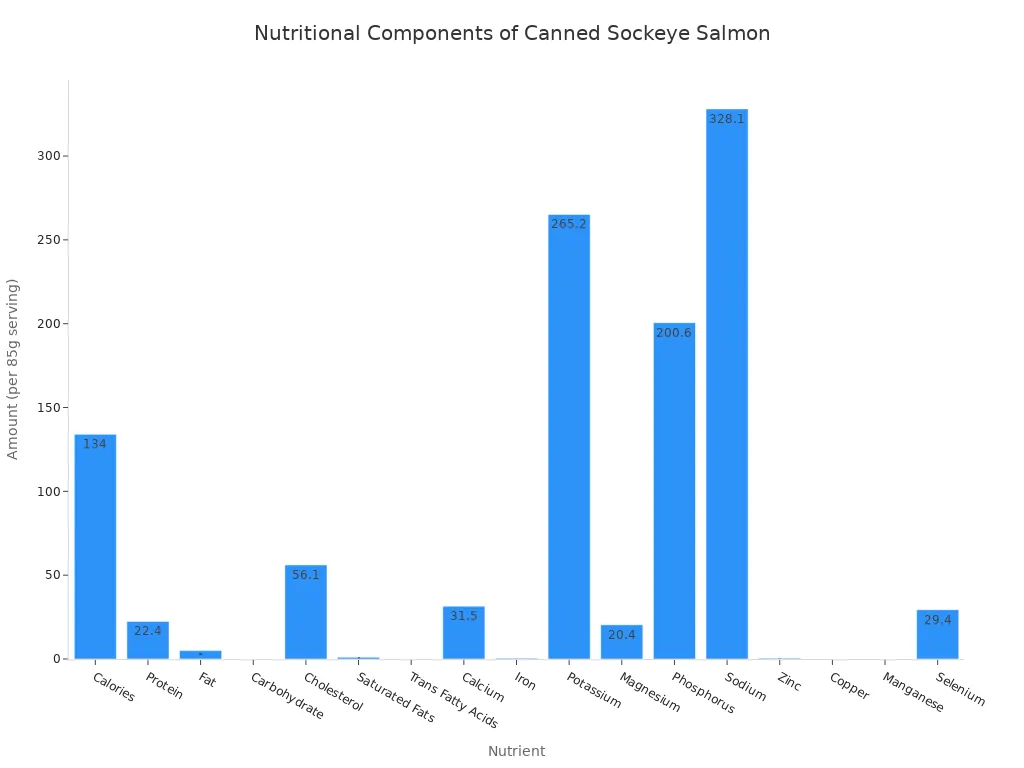
Canned sockeye salmon with skin and bones contains 15% of the Daily Value for calcium. This makes it a great source of this important mineral. Like pink salmon, sockeye salmon also has very low mercury levels.
Salmon Safety and Culinary Uses
Canned salmon is a very safe and healthy fish. Its low mercury content makes it suitable for frequent consumption. People use canned salmon in many dishes. They add it to salads, sandwiches, and pasta. It also works well in salmon patties or casseroles. This versatile fish provides excellent nutrition with minimal mercury concerns.
Canned Sardines: Small Fish, Big Nutrients
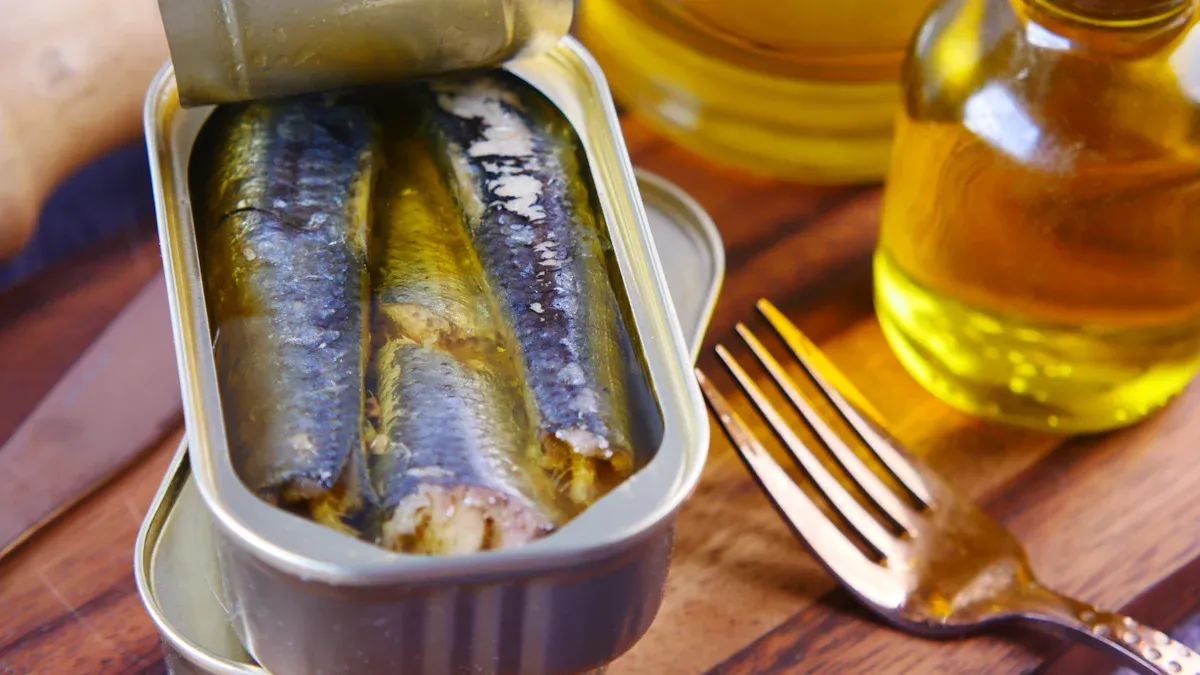
Canned sardines offer a powerful nutritional punch in a small package. These tiny fish are a fantastic addition to any diet. They provide essential nutrients and boast very low mercury levels. Many people consider canned sardines a superfood due to their rich profile.
Sardine Nutrition and Mercury
Sardines are nutritional powerhouses. They contain high levels of omega-3 fatty acids, which support heart and brain health. Canned sardines also provide significant amounts of vitamin D and calcium. The bones in canned sardines become soft during processing. People can eat them easily. These bones contribute to the high calcium content, which is excellent for bone strength.
A 1-cup serving of drained canned sardines offers impressive nutrition:
Nutrient | Amount per 1 cup, drained (149g) |
|---|---|
Calories | 310 |
Total Fat | 17.1g (22% DV) |
Saturated Fat | 2.3g (11% DV) |
Cholesterol | 211.6mg (71% DV) |
Sodium | 457.4mg (19% DV) |
Total Carbohydrate | 0g (0% DV) |
Dietary Fiber | 0g (0% DV) |
Total Sugars | 0g (0% DV) |
Protein | 36.7g (73% DV) |
Vitamin D | 7.2mcg (36% DV) |
Iron | 4.4mg (24% DV) |
Calcium | 569.2mg (44% DV) |
Potassium | 591.5mg (13% DV) |
Phosphorus | 730.1mg (58% DV) |
Sardines are also a complete protein source. They contain all essential amino acids.
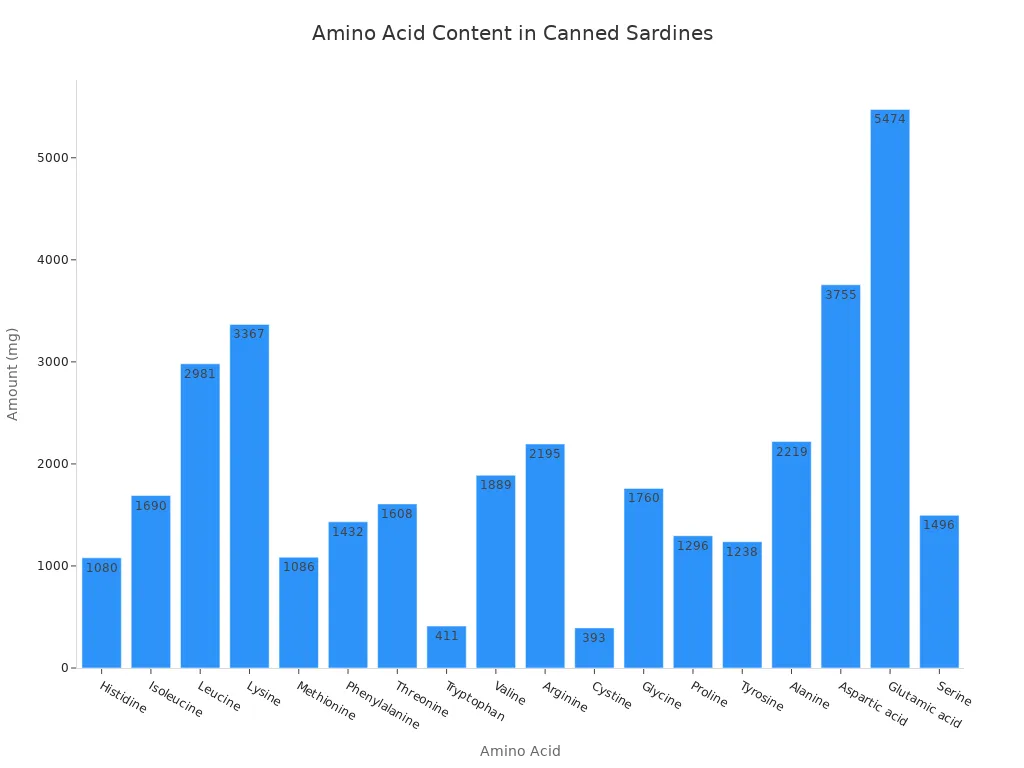
Smaller fish species like sardines typically have lower mercury levels. This is because they eat smaller organisms and have shorter lifespans. This makes canned sardines a very safe choice for regular consumption. The low mercury content makes this canned fish a preferred option.
Sardine Safety and Culinary Uses
Canned sardines are very safe to eat. Their small size means they accumulate very little mercury. This makes them one of the safest types of canned fish regarding mercury concerns. People can enjoy them frequently without worry. Canned sardines are incredibly versatile in the kitchen. They taste great on crackers or toast. People add them to salads, pasta dishes, or even pizzas. Their rich flavor and soft texture make them a convenient and healthy ingredient. This small fish offers big benefits.
Canned Mackerel: A Healthy Choice
Canned mackerel offers a nutritious and convenient option among various types of canned fish. This healthy choice provides many benefits for people seeking to improve their diet. Canned mackerel is a versatile fish, easy to incorporate into many meals.
Mackerel Nutrition and Mercury
Canned mackerel is a powerhouse of nutrients. It contains healthy fats, including high levels of omega-3 fatty acids. These fats support heart health, reduce inflammation, and improve brain function. Mackerel is also rich in protein, which is essential for muscle growth and repair. This fish provides essential vitamins and minerals. These include Vitamin D, B12, calcium, and selenium. These nutrients support overall health and well-being. Canned mackerel also supports bone health due to its calcium content.
Here is a look at the nutritional components of canned mackerel:
Nutrients per 100g | Value |
|---|---|
Calories | 305 kcal |
Carbs | 0 g |
Fiber | 0 g |
Sugars | 0 g |
Glycemic Index | 0 |
Protein | 18 g |
Sodium | 445 mg |
Total Fat | 25 g |
The average mercury level in canned mackerel is 40.9 µg/kg. This range typically falls between 1.7–90.5 µg/kg. Mackerel generally has low mercury levels. This is because it is a smaller fish compared to larger predatory fish. Its smaller size means it accumulates less mercury over its lifespan. This makes canned mackerel a safe option for regular consumption.
Mackerel Safety and Culinary Uses
Canned mackerel is a safe and beneficial canned fish to include in a diet. Its low mercury content makes it a good choice for many individuals. People can enjoy canned mackerel in various dishes. It works well in salads, sandwiches, or mixed with pasta. Some people use it to make fish cakes or spread it on crackers. The rich flavor of this fish adds depth to many recipes. Canned mackerel provides an easy way to get important nutrients.
Canned Anchovies: Flavor and Health
Canned anchovies offer a unique flavor profile and significant nutritional benefits. These small, salty fish are a staple in many cuisines. They provide a concentrated source of nutrients. People often use them to add depth to dishes. Canned anchovies are a healthy addition to many diets.
Anchovy Nutrition and Mercury
Anchovies are packed with essential nutrients. They provide a good source of protein and healthy fats. A 2-ounce (45-gram) serving of anchovies canned in oil provides:
Calories: 95
Protein: 13 grams
Fat: 4 grams
Carbs: 0 grams
Vitamin B3: 56% of the Daily Value (DV)
Selenium: 55% of the DV
Vitamin B12: 16% of the DV
Iron: 12% of the DV
Calcium: 8% of the DV Canned anchovies are also rich in omega-3 fatty acids. They provide 924 mg of eicosapentaenoic acid (EPA) and docosahexaenoic acid (DHA) combined per 2-ounce serving. These fatty acids support heart and brain health.
Here is a detailed look at the nutrients in a smaller serving:
Nutrient | Amount (per 20g) | % Daily Value |
|---|---|---|
Calories | 42 kcal | 2% |
Fat | 1.9g | 2% |
Protein | 5.8g | 12% |
Carbohydrate | 0g | 0% |
Sugars | 0g | 0% |
Fiber | 0g | 0% |
Cholesterol | 17mg | 6% |
Saturated Fats | 0.44g | 2% |
Sodium | 733.6mg | 31% |
Calcium | 46.4mg | 4% |
Iron | 0.93mg | 5% |
Potassium | 108.8mg | 2% |
Magnesium | 13.8mg | 3% |
Phosphorus | 50.4mg | 4% |
Zinc | 0.49mg | 4% |
Copper | 0.07mg | 8% |
Manganese | 0.02mg | 1% |
Selenium | 13.6mcg | 25% |
Vitamin D | 0.34mcg | 2% |
Vitamin C | 0mg | 0% |
Anchovies are very small and short-lived fish. This means they accumulate very little mercury. Their low mercury content makes them one of the safest types of canned fish for regular consumption.
Anchovy Safety and Culinary Uses
Canned anchovies are a safe and nutritious choice. Their minimal mercury levels make them suitable for frequent enjoyment. People use canned anchovies in many culinary applications. They add a savory, umami flavor to sauces, dressings, and pizzas. Many chefs use them in Caesar salad dressing. They also enhance pasta dishes and vegetable sautés. This versatile canned fish provides excellent flavor and health benefits.
Other Canned Fish Varieties
This section explores other healthy types of canned fish. These options offer unique nutritional benefits and culinary uses. They also generally have low mercury levels.
Canned Herring: Nutrition and Mercury
Canned herring is a highly nutritious choice among canned fish. It provides a rich source of protein, essential for muscle growth and repair. Canned herring also contains high levels of omega-3 fatty acids. These fats support heart health, reduce inflammation, and improve brain function. This fish offers essential vitamins and minerals. These include Vitamin D, B12, calcium, and selenium. These nutrients support overall health and well-being. Canned herring also supports bone health due to its calcium content. It is a keto-friendly fish, rich in nutrients and healthy fats.
Here is a look at the nutritional components of canned herring:
Nutrients per 100g | Value |
|---|---|
Calories | 217 kcal |
Carbs | 0 g |
Fiber | 0 g |
Sugars | 0 g |
Glycemic Index | 0 |
Protein | 19 g |
Sodium | 872 mg |
Total Fat | 15 g |
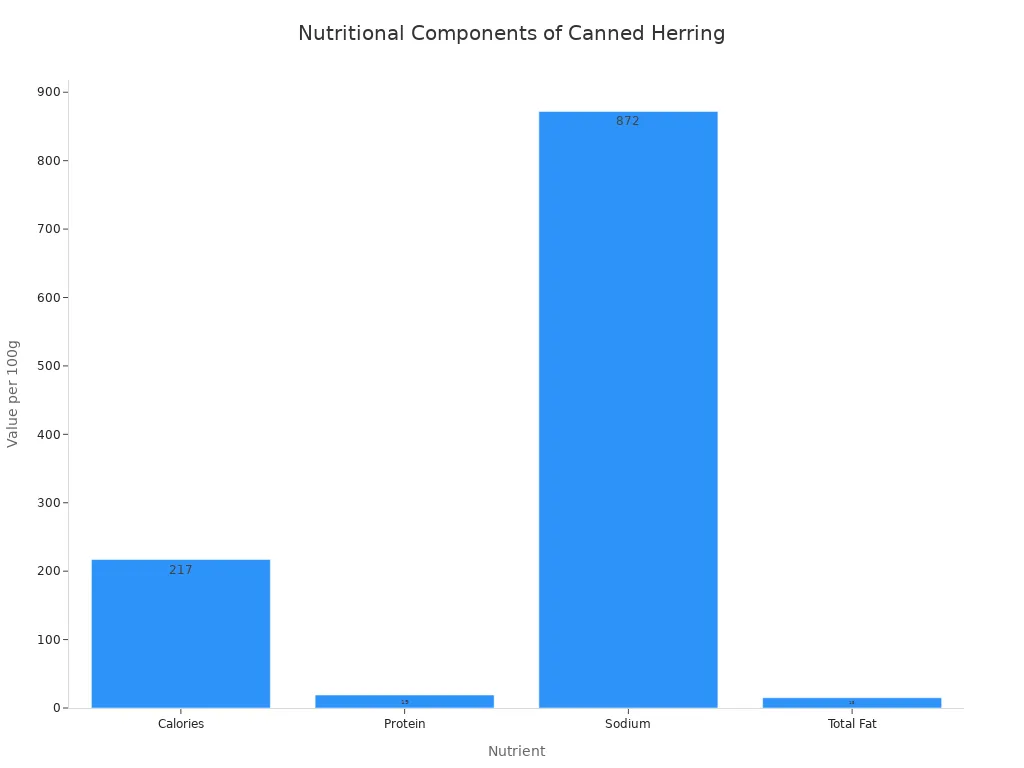
Canned herring is a low mercury fish. This makes it a safer option for regular consumption.
Canned Oysters and Clams: Nutrition and Mercury
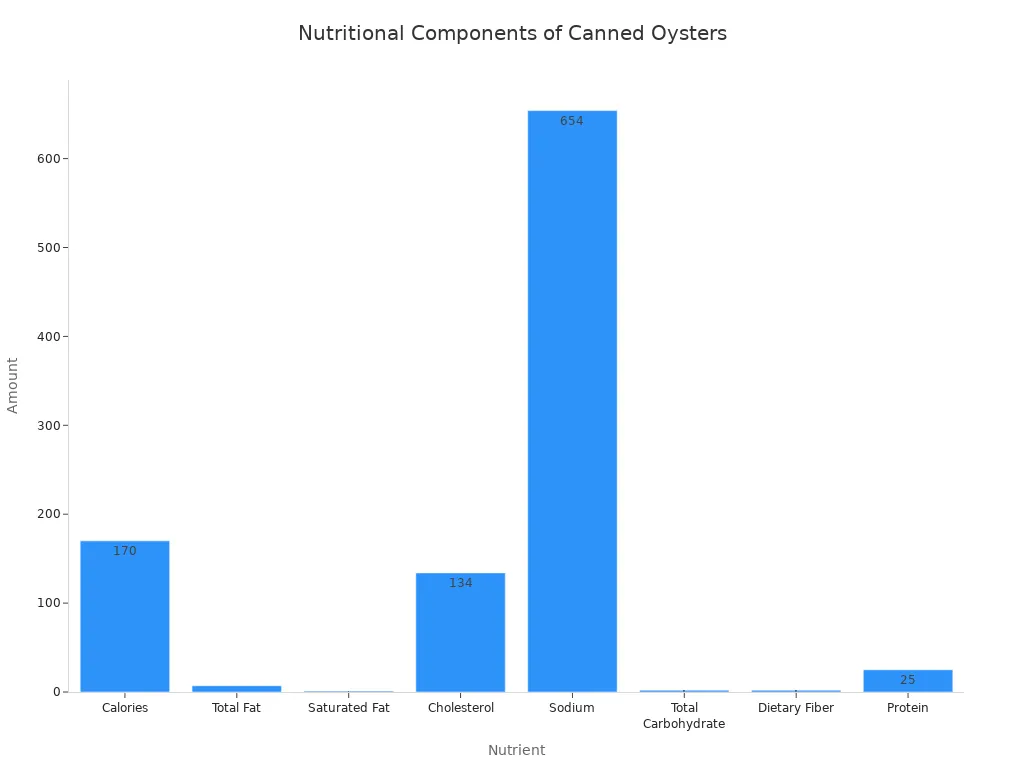
Canned oysters are another excellent type of canned fish. They offer a unique nutritional profile. A single can provides significant amounts of iron, zinc, and copper. These minerals are vital for immune function and energy production.
Nutrient | Amount per 1 can (145g) |
|---|---|
Calories | 170kcal |
Total Fat | 7g (9% DV) |
Saturated Fat | 1g (5% DV) |
Cholesterol | 134mg (45% DV) |
Sodium | 654mg (28% DV) |
Total Carbohydrate | 2g (1% DV) |
Protein | 25g |
Iron | 50% DV |
Potassium | 3% DV |
The average mercury level in oysters is 0.012 ppm. This makes them a very low mercury seafood choice. Canned clams also provide similar benefits. They offer protein, iron, and vitamin B12. Both oysters and clams are safe for frequent consumption.
Other Options: Safety and Uses
Many other types of canned fish exist. These include mussels and crab meat. These options also provide good nutrition. They are generally low in mercury. People can use these canned fish varieties in many dishes. They add flavor and nutrients to salads, pasta, and stews. Exploring these different types of canned fish can add variety to a healthy diet.
Canned Fish Safety: Broader Considerations
BPA and Can Linings
Consumers often consider the materials used in canned fish packaging. Many cans use linings that contain Bisphenol A (BPA). This chemical can migrate from the can into the food. Even very small levels of BPA are harmful. BPA negatively impacts neurological, cardiovascular, reproductive, endocrine, and other biological systems. Infants, aged 0-6 months, are particularly vulnerable to BPA exposure. This often happens through canned milk formulas in plastic feeder bottles. Free BPA has also caused hepatic injury. BPA may impact child development and shorten congenital space in male offspring. Many manufacturers now offer BPA-free cans to address these concerns.
Shelf Life and Storage
Canned fish offers excellent shelf life. Canned fish typically has a shelf life ranging from one to five years. This long shelf life makes canned fish convenient to stock up without worrying about quick spoilage. Proper storage helps extend this period. Store canned fish in a cool, dry place. Canned fish is processed, cooked, and sealed with preservation methods. These methods ensure a longer shelf life.
Sustainable Sourcing
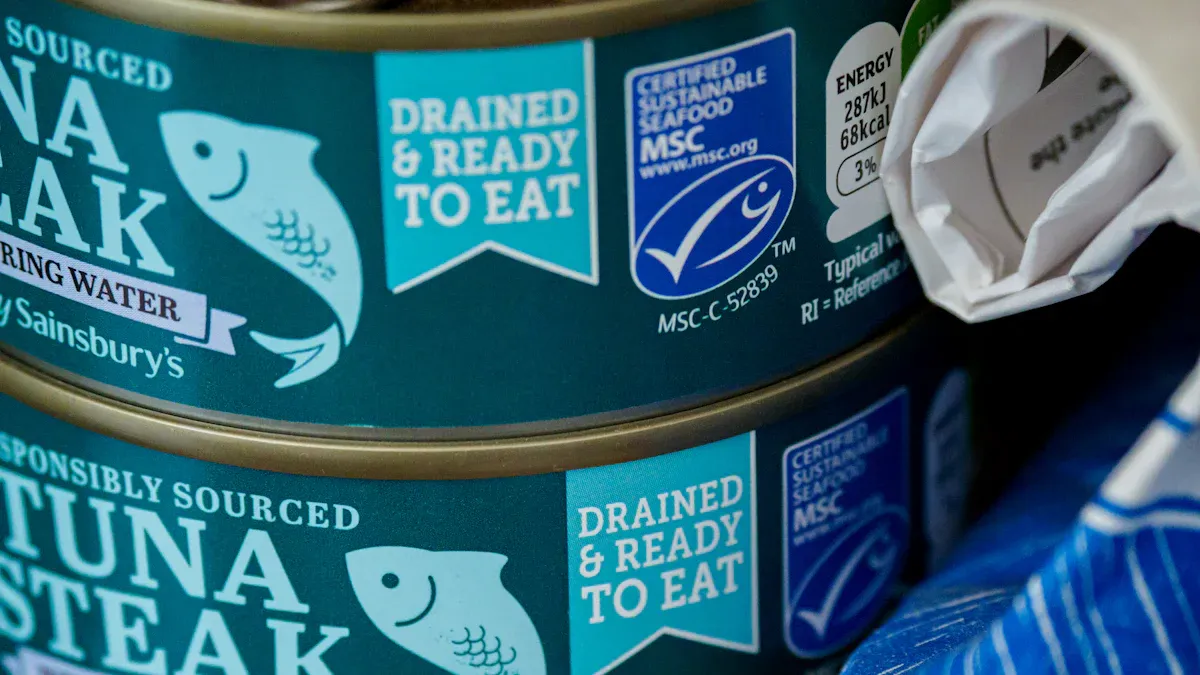
Choosing sustainably sourced canned fish supports healthy oceans. Certifications help consumers make informed decisions. The Marine Stewardship Council (MSC) Certification assures consumers that wild-caught fish, including canned fish, come from fisheries following strict environmental sustainability standards. The MSC blue fish label means the seafood comes from healthy and sustainable fish stocks. It also means fishing methods minimize environmental impact. The fishery has effective management and adapts to changing conditions. Friend of the Sea also offers a sustainability certification for products and services. This certification aims to increase transparency throughout the food supply chain. This helps consumers choose sustainably sourced products.
Sodium Content
Sodium content is another important consideration for canned fish. Anything in a can, including fish, could harbor high sodium. The average sodium level in canned tuna is approximately 350-400 mg per 100g. The American Heart Association recommends a daily sodium intake of no more than 2,300 mg. An optimal goal is no more than 1,500 mg for most adults. A healthy adult needs between 200 and 500 mg of sodium daily for proper bodily function. Consumers can choose low-sodium varieties of canned tuna and salmon. The FDA and EPA recommend consuming up to 12 ounces per week of lower-mercury fish like shrimp, canned light tuna, and salmon. This helps manage overall mercury contamination and the dangers of mercury exposure. This guidance ensures safety while enjoying the benefits of fish.
Readers now understand the many types of canned fish available. They offer great nutrition. Low-mercury options like salmon, sardines, mackerel, and anchovies provide excellent health benefits. These types of canned fish are safe for frequent enjoyment. For canned fish like tuna, moderation is key due to higher mercury levels. Consumers should choose various types of canned fish to maximize nutrients and minimize risks. Making informed choices about canned fish ensures it remains a valuable part of a healthy eating plan. This versatile fish offers convenience and essential nutrients.