


Sharp sudden pain in upper arm can signal serious health concerns. This type of arm pain often demands quick medical review. Not all upper arm pain indicates a life-threatening problem. Specific characteristics require immediate care. This post helps people identify urgent causes of arm pain. It also explains when to seek emergency help for this pain.
Key Takeaways
Sharp arm pain can mean serious heart problems. Watch for pain with chest pressure, shortness of breath, or sweating. Get help right away if these happen.
Injuries like broken bones or dislocated joints cause sudden, bad arm pain. If your arm looks bent or a bone sticks out, go to the emergency room.
Nerve problems in your neck or shoulder can cause sharp arm pain. You might also feel numb or tingly. See a doctor if this happens.
Some other serious issues can cause arm pain. These include blood clots or problems with your main artery. Do not ignore sudden, severe arm pain.
Always get medical help for sudden, bad arm pain. Especially if it comes with other worrying signs. Early help can prevent bigger problems.
Cardiac Causes of Sharp Sudden Pain
Sharp sudden pain in upper arm can signal serious heart problems. The heart sends warning signals in different ways. Sometimes, these signals appear as arm pain. Recognizing these signs is crucial for immediate medical attention.
Heart Attack Symptoms in Arm
A heart attack happens when blood flow to the heart muscle stops. This can cause severe pain. Often, people feel pressure, heaviness, or a squeezing sensation across the chest. This chest discomfort can spread. The pain may radiate to the jaw, back, or neck.
It can also cause significant arm pain. Many people experience left arm pain during a heart attack. However, pain can occur in either arm. It is important to know that arm pain can be the only warning sign of a blocked coronary artery. This means a person might have arm pain without any chest pain. Such non-classic pain presentations are common. They can sometimes lead to a wrong diagnosis.
Angina and Arm Pain
Angina is chest pain or discomfort. It happens when the heart muscle does not get enough blood. This often occurs during physical activity or emotional stress. Angina can also cause arm pain. This radiating arm pain often feels like a dull ache or a squeezing sensation.
Angina arm pain differs from heart attack arm pain in how it starts and how long it lasts.
Feature | Angina Arm Pain | Heart Attack Arm Pain |
|---|---|---|
Duration | Usually lasts 5-10 minutes | Typically lasts longer than 10 minutes |
Onset/Trigger | Often triggered by stress, exertion, or extreme temperatures | Often comes on suddenly, may wake you from sleep, and does not follow predictable patterns |
Angina episodes typically last only a few minutes. They usually do not last more than 5 minutes. Heart attack pain generally lasts longer than half an hour. It can also happen on and off over time.
When arm pain occurs with angina, other symptoms often appear. These include:
Sweating
Dizziness
Weakness
Upset stomach or nausea
Feeling clammy
Shortness of breath
Lightheadedness
These accompanying symptoms help doctors tell the difference between angina and other causes of arm pain.
Acute Injuries Causing Arm Pain
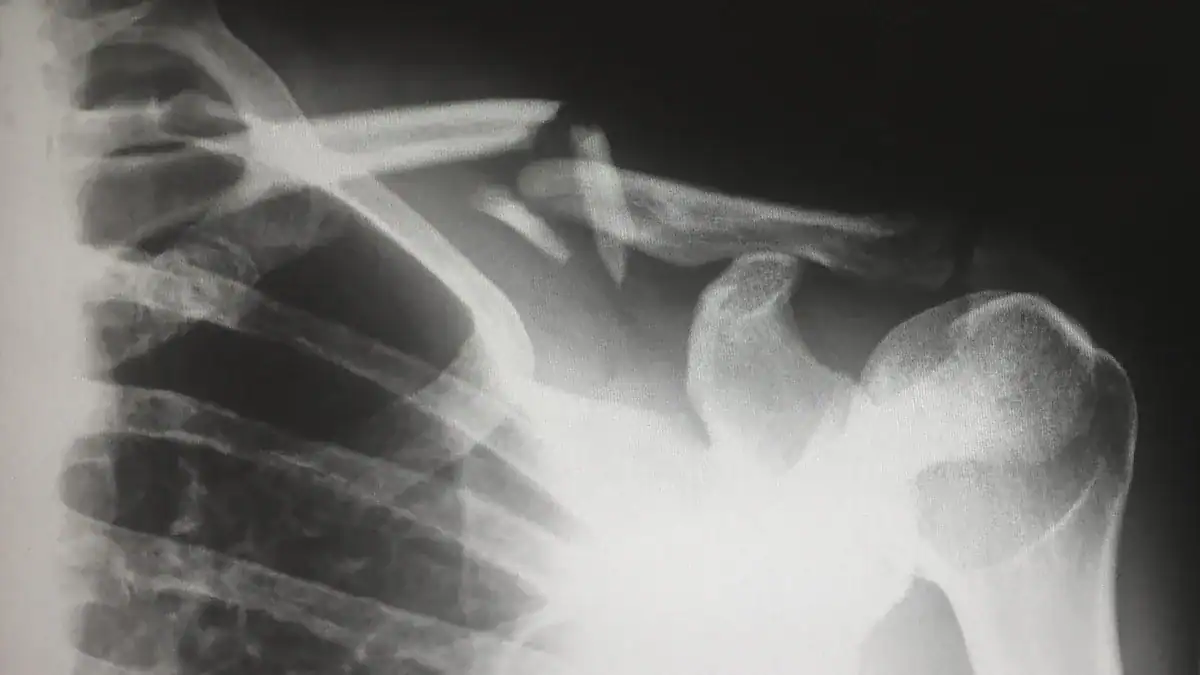
Sudden events can cause sharp sudden pain in upper arm. These events include falls, car accidents, or sports mishaps. Such incidents often lead to immediate and severe arm pain. The arm may also show swelling. These acute injuries demand prompt medical attention.
Fractures and Dislocations
A direct impact or fall can break bones or move joints out of place. Humerus fractures are breaks in the upper arm bone. These fractures cause severe pain and swelling. Patients feel sudden, intense arm pain.
Moving the affected upper arm becomes very difficult. Fractures can occur in different parts of the humerus. A proximal humerus fracture happens near the shoulder joint. A mid-shaft humerus fracture is a break in the middle of the bone. A distal humerus fracture occurs near the elbow. All these types cause sudden, severe arm pain.
Dislocations happen when a bone moves out of its joint. Upper arm dislocations often result from strong forces. A direct blow to the shoulder can cause this. Falling on an outstretched hand is another common cause.
Hyperabduction, where the arm moves too far upward, can also lead to dislocation. This can cause significant arm pain.
Severe Sprains and Tears
Ligaments and tendons can suffer severe damage. These injuries also cause acute arm pain. Rotator cuff tears are a common example. The rotator cuff is a group of muscles and tendons around the shoulder. A tear can cause sharp pain, especially if it happens suddenly.
People often feel pain in the front or outside of the shoulder. Night pain is also common. They may have difficulty raising the arm or lifting objects. Shoulder weakness is another symptom. A clicking or popping sound might occur when moving the arm. This type of arm pain requires careful diagnosis.
Deep Vein Thrombosis (DVT)
Deep vein thrombosis (DVT) involves a blood clot in a deep vein. This can occur in the upper arm. Upper extremity DVT can cause sudden arm pain and swelling. It is one of the common causes of arm pain. Central venous catheters are a frequent cause.
These catheters are used for treatments like chemotherapy or dialysis. External vein compression, such as from thoracic outlet obstruction, can also lead to DVT. Athletes with very developed muscles sometimes get “effort thromboses.” This can cause right arm pain or left arm pain. Idiopathic clots, those with no clear cause, are rare. They might signal other underlying health issues.
Nerve Compression & Neurological Arm Pain
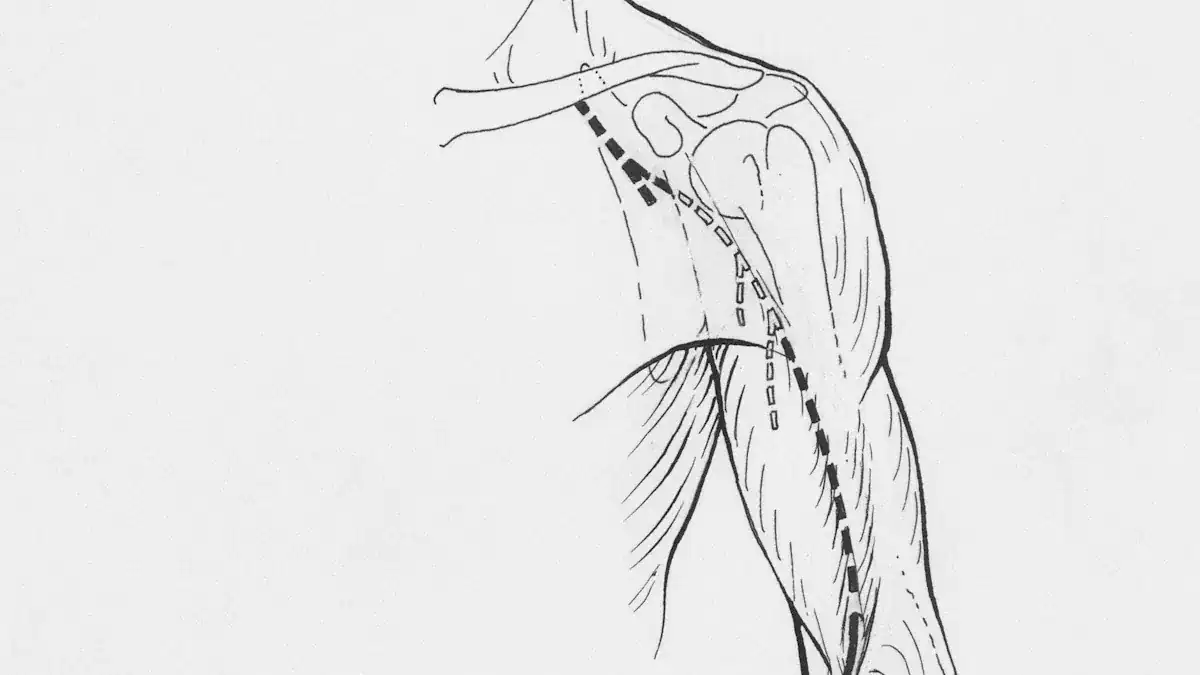
Nerve compression can cause sharp, sudden arm pain. This happens when something presses on a nerve. The pressure can come from bones, muscles, or other tissues. This type of pain often signals a problem in the neck or shoulder area.
Cervical Radiculopathy
Cervical radiculopathy occurs when a nerve root in the neck becomes compressed or irritated. This often leads to sharp, sudden arm pain. The pain starts in the neck.
It then extends to the shoulders, upper back, or arms. People describe this pain as sharp, burning, or like an electric shock. It typically follows a specific nerve pathway. This condition can cause sharp, shooting pain down the arm. Sometimes, people feel weakness or numbness in the affected arm. This nerve compression can result from a herniated disc or bone spurs.
Thoracic Outlet Syndrome
Thoracic outlet syndrome (TOS) involves the compression of nerves or blood vessels. This compression happens in the thoracic outlet. This is the space between the collarbone and the first rib. The neurovascular bundle, which includes nerves and blood vessels, passes through this area. Compression can occur in three main spaces:
Interscalene triangle: This space is between two neck muscles and the first rib. It compresses the brachial plexus and subclavian artery.
Costoclavicular space: This space is between the collarbone and the first rib. It compresses the brachial plexus, subclavian artery, and subclavian vein.
Subcoracoid space: This space is under a shoulder bone. It compresses the brachial plexus, axillary artery, and axillary vein.
This nerve compression can cause sudden arm pain. It can also cause numbness, tingling, or weakness in the arm and hand. A person might experience right arm pain or left arm pain. Doctors diagnose TOS using physical exams. These include the Elevated Arm Stress Test and the Upper Limb Tension Test. Imaging tests like X-rays, CT scans, and MRIs also help confirm the diagnosis. This condition can cause radiating arm pain.
Other Urgent Causes of Arm Pain
Several other urgent conditions can cause sharp sudden pain in upper arm. These conditions require prompt medical evaluation. They range from cardiovascular emergencies to musculoskeletal issues.
Aortic Dissection
Aortic dissection is a serious condition. It involves a tear in the body’s main artery, the aorta. This tear allows blood to flow between the layers of the aortic wall. This can cause sudden, severe pain.
Pain in the arms is a typical symptom. The difference in pressure between the false and true lumen can impact blood flow to the arms. If the false lumen has higher pressure, it can compress blood vessels in the arms.
This leads to reduced blood flow and lower blood pressure in the affected arm. One patient presented with sharp, 10/10 midsternal chest pain. This pain radiated to the left arm, back, and neck. The patient also experienced sweating, lightheadedness, and nausea. Ischemia, or reduced blood flow, occurs in the arms or legs in 20% of patients with aortic dissection.
Compartment Syndrome
Compartment syndrome is a painful condition. Pressure builds up inside a muscle compartment. This pressure can decrease blood flow. It deprives muscles and nerves of nourishment. This causes severe arm pain. The cardinal signs and symptoms, often called the “5 Ps,” include:
Pain: This pain is often disproportionate to the injury. Rest or strong painkillers do not relieve it.
Pallor: The affected limb loses its color.
Decreased Pulse: This is less common. It indicates severe compromise.
Paresthesia: People feel altered sensations like numbness or tingling.
Paralysis: This is a rare and late finding. It indicates significant nerve or muscle damage. Common causes of acute compartment syndrome in the upper arm include trauma, arterial injury, and limb compression. Burns, supracondylar fracture of the humerus in children, and humeral shaft fracture are also causes. Biceps muscle rupture and triceps injury can also lead to this condition.
Shoulder Conditions Radiating Pain
Some shoulder conditions can cause radiating arm pain. These conditions often present with sudden or severe pain. Calcific tendonitis is one such condition. Calcium deposits form in the tendons of the shoulder. The pain from calcific tendonitis can be sharp or throbbing.
It often radiates down the arm. A “calcific crisis” is a sudden onset of severe pain. This happens during acute inflammation when the body reabsorbs calcium deposits. The resorptive phase involves the body reabsorbing calcium. This leads to increased blood flow, pressure, and significant inflammation.
This process causes intense pain. The pain is typically in the shoulder. It can extend down the arm. The calcific stage, especially during calcium reabsorption, is the most painful part. Bursitis and frozen shoulder are other common causes of arm pain. They can also cause pain that radiates into the arm.
When to Call the Doctor: Seek Medical Help
When someone experiences sharp, sudden pain in their upper arm, they must recognize specific warning signs. These “red flag” symptoms indicate a need for immediate emergency care. Ignoring these signs can lead to serious health consequences.
Red Flag Symptoms for Emergency Care
One critical red flag is pain accompanied by chest pain. This combination often signals a heart attack. Other heart attack symptoms include pressure, heaviness, or squeezing across the chest. The pain might radiate to the jaw, back, or neck. People may also experience shortness of breath, sweating, dizziness, or nausea. Crushing pain in the chest that extends to the left arm or back is a particularly urgent sign.
Acute injuries also present clear red flags. An obvious injury to the arm, wrist, or hand requires immediate attention. This includes a visible deformity of the arm, shoulder, or elbow, which suggests a possible dislocation. If a bone breaks through the skin after an injury, this is a severe emergency. A serious cut or gaping wound also needs urgent medical evaluation. Signs of an infected wound, such as redness, discharge, increasing pain, or fever, also warrant prompt care.
Other urgent indicators include severe pain and swelling in the arm. If a person cannot move their arm as usual, or if they lose sensation in their arm or hand, they need immediate medical help. A loss of pulse, coolness, or discoloration of the limb compared to the other arm also signals a critical issue. Pain that does not improve with at-home self-care also requires a doctor’s assessment. Pain that worsens with activity and improves with rest could indicate reduced blood flow to the heart, like angina.
Immediate Actions to Take
Understanding when to call the doctor is crucial for guiding immediate actions. People must act quickly to seek medical help.
If someone experiences sudden arm pain, especially down the left arm, with back discomfort, nausea, shortness of breath, chest pressure, or chest pain, they should call 911 immediately. These are potential signs of a heart attack. Do not attempt to drive to the hospital.
For severe trauma or sudden onset of discomfort in the arm, shoulder, elbow, or wrist, seek emergency treatment. If a person has trouble moving their arm, or if they see bones protruding, they must go to the nearest emergency room right away. A dislocated joint, a deep laceration or gash, or an inability to feel the arm also requires immediate emergency care. If a bone protrudes from the skin, or if there is a loss of radial pulse, discoloration, and coldness to the touch, these indicate serious trauma. Delaying treatment in these situations could lead to permanent damage.
If discomfort occurs with exertion but goes away with rest, or if the arm is swollen and the person has a very high temperature or feels hot and shiver, they should get help from NHS 111 (or equivalent local medical advice line). Go to an urgent treatment center or A&E if severe arm pain makes movement difficult, if an injury caused a snapping noise or changed the arm’s shape, or if the arm tingles or feels numb.
Never ignore sharp sudden pain in upper arm. This is especially true when other concerning symptoms accompany it. Prompt medical evaluation is crucial. Doctors accurately diagnose the cause and ensure appropriate treatment for arm pain. Trust your instincts. Seek emergency care if you suspect a serious condition. Early intervention can be crucial for better outcomes. Do not delay seeking help for upper arm pain. This helps manage the pain effectively.