Dangerous temperatures pose serious risks for elderly individuals. Temperatures above 90°F (32°C), especially with high humidity, are particularly hazardous. Cold conditions below 45°F (7°C) also present significant dangers. These extreme temperatures can quickly threaten the health of older adults. You must understand these critical thresholds. Implementing proper safety measures is crucial for the well-being of all elderly adults and seniors.
Key Takeaways
Temperatures above 90°F (32°C) and below 45°F (7°C) are dangerous for older adults. High humidity makes heat even more risky.
Older adults are more vulnerable to extreme temperatures because their bodies do not cool or warm themselves as well. Health problems and medicines can also increase this risk.
Heat exhaustion causes heavy sweating and dizziness. Heat stroke is more serious, with very high body temperature and confusion. Both need quick action.
To stay safe in heat, drink plenty of water, wear light clothes, and stay in cool places. In cold weather, keep your home warm and dress in layers.
Always watch for signs of heat stress or hypothermia in older adults. Get help right away if you see these signs.
Dangerous Temperatures for Older Adults: Key Thresholds
Understanding specific temperature thresholds is vital for protecting yourself or the elderly adults you care for. These dangerous temperatures can quickly turn into health emergencies. You must recognize when conditions become risky.
High Heat Warning Levels
You should consider any temperature above 90°F (32°C) as a significant danger, especially when humidity is high. This combination makes it much harder for your body to cool itself. Even temperatures between 80°F (27°C) and 90°F (32°C) serve as a warning. You need to take increased caution during these times. For older adults with existing physical health problems, temperatures as low as 80°F (26.7°C) can become significantly dangerous. When humidity levels reach 90%, even 78°F (25.6°C) can pose a serious hazard to older adults. You must proactively take precautions when temperatures exceed 80°F. Pay close attention to the heat risk forecast in your area. This helps you prepare for upcoming high temperatures. Prolonged exposure to these high temperatures can quickly lead to heat-related illnesses.
Cold Weather Risks
Cold weather also presents serious risks for older adults. Temperatures below 45°F (7°C) are generally considered dangerous. Your body loses heat more quickly in cold environments. This makes it difficult for you to maintain a safe internal body temperature. Even indoor temperatures that feel cool to a younger person can be too cold for an elderly adult. You should ensure your living space stays warm enough. Prolonged exposure to cold, even if it does not feel extreme, can lead to hypothermia. This condition occurs when your body temperature drops too low. You must dress warmly and limit time outdoors when the weather turns cold.
Why Older Adults Are Vulnerable to Temperature Extremes
You become more vulnerable to temperature extremes as you age. Your body’s ability to regulate its temperature changes. Several factors contribute to this increased risk.
Age-Related Physiological Changes
As you get older, your body’s natural cooling and warming systems become less efficient. For example, you sweat less. Your sweat glands produce a lower amount of sweat. This means you lose less heat through evaporation. Your body also takes longer to start sweating when it gets hot. Your skin’s blood flow also changes. It does not increase as much to release heat. Your heart may not pump blood as effectively. This limits how your body distributes heat. In cold conditions, your body struggles to keep warm. You have a harder time generating heat through shivering. Your blood vessels do not constrict as well to keep heat inside. Conditions like atherosclerosis, where arteries narrow, also reduce blood flow. This impacts how your body distributes heat. All these factors make elderly adults and seniors more susceptible to temperature shifts.
Chronic Health Conditions’ Impact
Existing health problems also increase your risk. Many a chronic medical condition can make you more sensitive to heat and cold. For example, heart disease makes it harder for your body to handle temperature stress. Diabetes is another major concern. It increases your risk of heat-related illnesses. Other conditions like dementia, cancer, asthma, and COPD also make you more vulnerable. If you have diabetes or obesity, you face a higher risk of heart attacks during extreme temperatures. Air pollution can worsen conditions such as asthma and COPD. These conditions weaken your body’s ability to cope with environmental changes.
Medications Affecting Body Temperature
Certain medications you take can also affect your body temperature. Some drugs interfere with your body’s natural cooling or warming systems. For instance, strong anticholinergics can reduce sweating. Beta-blockers can lower your heart rate. They also reduce blood flow to your skin. This makes you more vulnerable to warm conditions. Diuretics, often used for blood pressure, can lead to dehydration. This makes heat stress worse.
Health Risks from Extreme Temperatures
You face several serious health risks from extreme temperatures. These conditions can quickly become life-threatening. You must understand what these dangers are.
Heat-Related Illnesses: Exhaustion and Stroke
Extreme heat can cause severe heat-related health problems. You can develop heat exhaustion or heat stroke. Heat exhaustion is a common heat-related illness. You may experience heavy sweating, cold and clammy skin, and muscle cramps. These cramps are often the first sign. You might also get a headache, feel dizzy, or feel tired and weak. Thirst, nausea, or vomiting can occur. Your heart rate may become fast, and your pulse can be fast and weak.
You might breathe fast and deeply. Your body temperature typically ranges from 101 to 104 degrees F. In older adults, you might also notice confusion or irritability. If you do not treat heat exhaustion, it can progress to heat stroke. Heat stroke is a more severe and life-threatening condition. It involves signs of brain dysfunction.
Cold-Related Illnesses: Hypothermia and Frostbite
Extreme cold also presents significant health risks. You can develop hypothermia or frostbite. Hypothermia happens when your body loses heat faster than it can produce it. Your body temperature drops to a dangerously low level. You might shiver, feel confused, or become drowsy. Your speech can become slurred, and your breathing may be slow and shallow.
Your pulse might feel weak. Frostbite occurs when body tissue freezes. This usually affects your fingers, toes, nose, or ears. You may feel numbness, and your skin can appear white or grayish. The affected skin might feel hard and waxy. Both hypothermia and frostbite require immediate medical attention. They put significant stress on your body.
Worsening Existing Health Issues
Extreme temperatures worsen many existing health problems. Older adults are more prone to chronic health conditions. These conditions hinder your body’s ability to respond effectively to heat. For example, if you have cardiovascular conditions like heart disease or high blood pressure, heat puts extra strain on your heart. This can lead to heart attacks or a stroke.
Hot, humid air and increased air pollution during heat waves can aggravate lung problems like asthma or COPD. Dehydration, common in extreme heat, can compromise kidney function. This is especially true if you have pre-existing kidney disease. It can lead to kidney injury. These heat-related issues make you more vulnerable to serious complications. You face a higher risk of heat-related health problems if you have these conditions.
Critical Heat Safety Tips for the Elderly
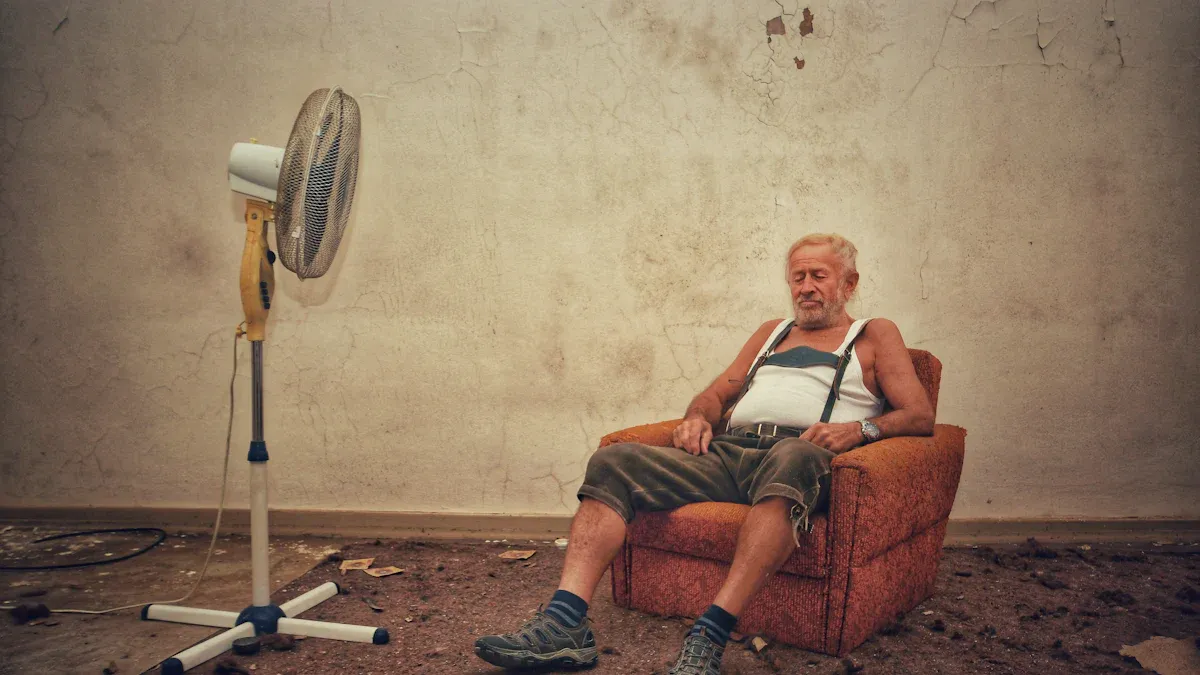
You must take proactive steps to protect yourself or elderly individuals from the dangers of high heat. Staying cool and hydrated is crucial for your well-being during warm weather. These tips help you stay safe.
How to Stay Hydrated in the Heat
Proper hydration is your first line of defense against heat-related illnesses. You must drink more water than you think you need. Do not wait until you feel thirsty. Thirst is a sign your body is already becoming dehydrated.
Here are general daily fluid intake guidelines:
Men should drink about 13 cups of water a day.
Women should drink about 9 cups of water a day.
In hot weather, increase your intake by one to two additional cups. You lose more fluid when it is hot.
Different institutions offer specific recommendations for daily fluid intake. These guidelines vary slightly by age and gender.
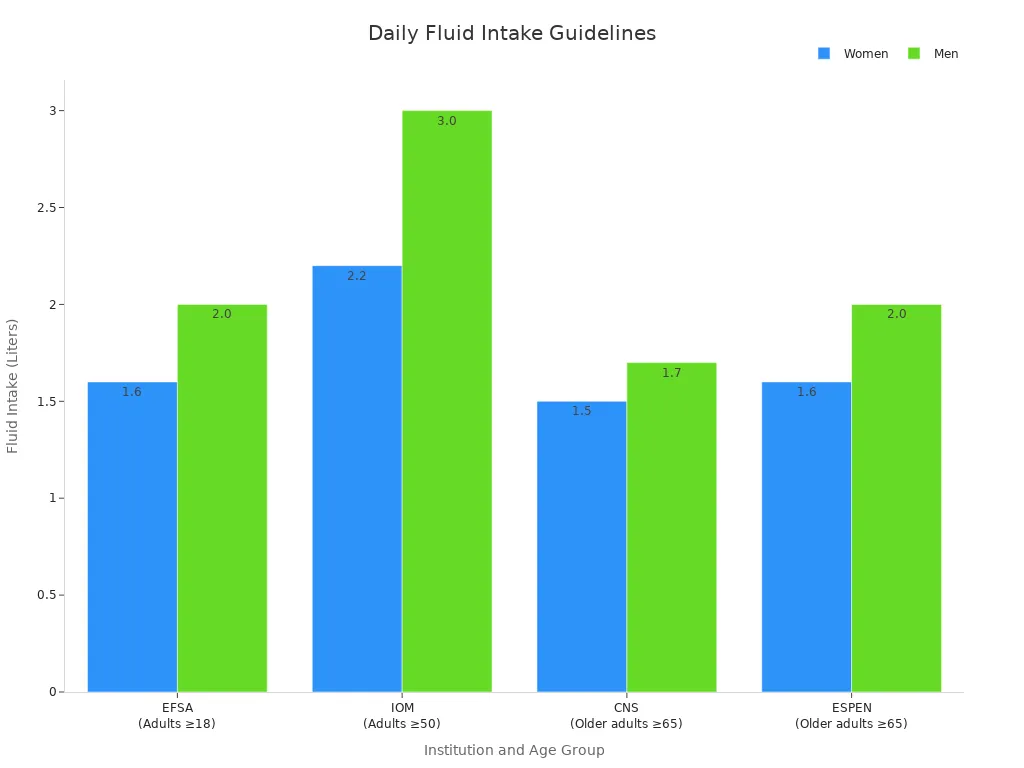
Aim for six to eight glasses of water daily. A good general formula is to drink half your body weight in ounces. For example, a 150-pound person should drink about 75 ounces of water. Avoid sugary drinks, alcohol, and caffeine. These can actually dehydrate you further.
Smart Clothing and Activity Choices
Your clothing choices significantly impact your comfort and safety in the summer heat. You should wear lightweight, light-colored, and loose-fitting clothing. Choose breathable fabrics. Good options include cotton, linen, rayon, chambray, or synthetic blends. These materials allow air to circulate and help your body cool.
Consider clothing with a UV protection factor (UPF) over 30. This protects your skin from harmful sun rays. A wide-brimmed hat also provides shade and keeps your head cool. Dark or bright colors absorb more UV rays than lighter shades. Densely woven materials like denim, canvas, wool, or synthetic fibers offer more protection than sheer fabrics. More fabric, such as long sleeves and pants, provides greater coverage and protection.
Limit your outdoor activities during the hottest parts of the day. This is usually between 10 a.m. and 4 p.m. Plan any necessary errands or outdoor time for the early morning or late evening. This helps you avoid peak summer temperatures.
Cooling Your Home Environment
Your home environment plays a critical role in your extreme heat safety. You should seek air-conditioned buildings or environments. This provides essential relief from the heat. If you have air conditioning at home, use it.
Many people find setting their AC to 78°F (25.6°C) comfortable during the day. This temperature helps prevent heat-related illnesses. It also helps manage utility costs. Some elderly individuals, especially those sensitive to cold, might set their thermostat to 80°F (26.7°C) or even 82°F (27.8°C). You can use smart or programmable thermostats. These save energy when you are not home. Close your blinds or curtains during the day. This blocks sunlight and keeps your home cool.
Recognizing Heat Stress Signs
You must recognize the signs of heat stress quickly. Seeking relief fast when exposed to too much heat is important. Early detection can prevent serious health problems.
Early warning signs of heat exhaustion include:
Heavy sweating
Muscle cramps or weakness
Dizziness or lightheadedness
Nausea or vomiting
Sudden headache
Fatigue or confusion
Increased thirst
Less urine output than usual
If you experience these symptoms, move to a cool place immediately. Loosen your clothing and lie down with your feet elevated. Drink cool water. Contact a healthcare provider if your symptoms worsen or last over an hour. Dizziness is a significant danger sign. It indicates dehydration and a drop in blood pressure. Even mild dizziness needs immediate action. Fainting is a medical emergency.
Signs of heat stroke require immediate emergency services. Call 9-1-1 right away if you see these symptoms:
High body temperature (often above 104°F or 40°C)
Flushed, hot, or dry skin (or extreme sweating)
Severe confusion, disorientation, or delirium
Slurred speech or difficulty speaking
Seizures
Loss of consciousness or fainting
Rapid, shallow breathing
Weak or racing pulse
If an elderly person is drenched in sweat and feels unusually tired, their body struggles with the heat. This heavy sweating, combined with weakness, suggests heat exhaustion. It requires immediate rest, hydration, and cooling. Disorientation, irritability, slurred speech, or a pounding heart are urgent signs. These indicate the body’s cooling system has failed. This could mean heat stroke. If confusion develops, sweating stops, or the heart races, call emergency services. Begin cooling the individual until help arrives.
Essential Cold Weather Safety for Seniors
You must take specific steps to protect yourself or other seniors during cold weather. These actions ensure your well-being when temperatures drop.
Keeping Homes Warm and Safe
You should keep your home warm enough. Set your thermostat to at least 68°F (20°C). This helps prevent your body temperature from dropping too low. Check your heating system before winter arrives. Ensure it works properly. Seal any drafts around windows and doors. This keeps warm air inside. Use space heaters carefully. Keep them away from flammable materials. Never leave them unattended.
Dressing Appropriately for Cold
Dressing in layers is crucial for cold weather. You should wear several light layers instead of one heavy coat. This strategy traps warmth more effectively. You can easily adjust layers based on indoor temperatures or activity levels. Start with a moisture-wicking base layer. This keeps your skin dry by drawing sweat away. Add an insulating layer next, like fleece or wool, to retain body heat. Finish with an outermost layer that is waterproof and windproof. This protects you from the elements. Always include a hat, scarf, gloves, and thick socks. These items reduce heat loss from your extremities.
Safe Winter Activity Levels
You need to adjust your physical activity during winter. Consult your doctor before exercising outdoors in cold weather. This is especially important if you have heart, lung, or balance issues. Avoid outdoor workouts when temperatures drop to 32°F (0°C) or below. Exercise indoors instead during extreme cold, rain, snow, or ice. Choose the warmest part of the day for outdoor activities, typically around lunchtime. You can still stay active. Consider indoor options like home workout circuits, dancing, or mall walking. These activities help you stay safe and maintain your fitness.
Spotting Hypothermia Symptoms
You must recognize the early signs of hypothermia. This condition occurs when your body loses heat faster than it can produce it. Look for uncontrollable shivering. This may stop in severe cases. Other signs include numbness, a glassy stare, and apathy. You might also notice weakness, impaired judgment, or drowsiness. Slurred speech, exhaustion, and memory loss are also key indicators. If you see these symptoms, seek immediate medical attention.
You must prioritize safety for elderly individuals and seniors. Dangerous temperatures, both hot and cold, pose serious health risks. Remember the thresholds for heat. Vulnerable elderly adults need your help. Caregivers, family, and community play a vital role. Act quickly if you see signs of heat-related illness or other temperature issues. Your vigilance ensures their health. Protect them from extreme heat.
FAQ
What are the immediate steps for heat exhaustion?
If you experience heat exhaustion, move to a cool place. Loosen your clothing. Lie down with your feet elevated. Drink cool water slowly. Apply cool, wet cloths to your skin. Seek medical help if symptoms worsen or last over an hour.
What is the safe indoor temperature range for seniors in winter?
You should keep your home at least 68°F (20°C) during winter. This temperature helps prevent hypothermia. It ensures your body stays warm enough. Check your heating system regularly. Seal drafts around windows and doors.
What types of clothing are best for hot weather?
You should wear lightweight, light-colored, and loose-fitting clothing. Choose breathable fabrics like cotton or linen. These materials allow air to circulate. They help your body cool down. A wide-brimmed hat also provides shade.
What are the key differences between heat exhaustion and heat stroke?
Heat exhaustion involves heavy sweating, muscle cramps, and dizziness. Your body temperature is usually 101-104°F. Heat stroke is more severe. It includes a very high body temperature (over 104°F). You may have hot, dry skin, confusion, or loss of consciousness. Heat stroke is a medical emergency.