

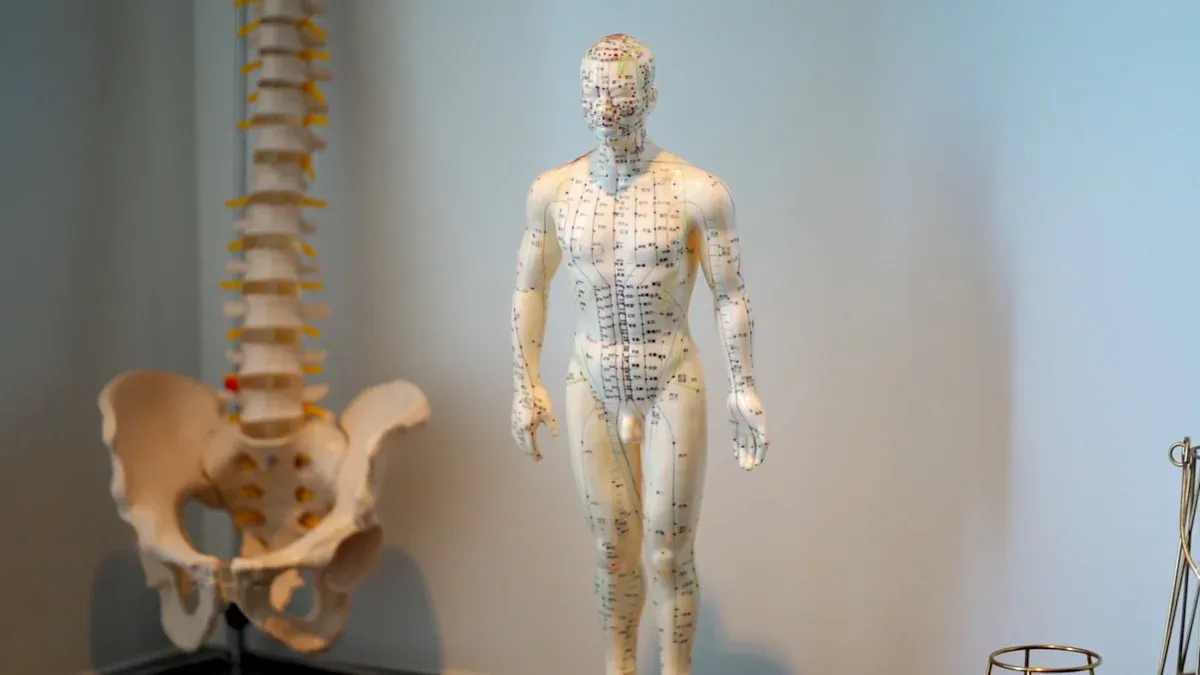
Dermatomes define specific areas of skin that a single spinal nerve innervates. These dermatomes form a sensory map on the body, helping us experience sensation like touch, temperature, and pain. Medical professionals use a dermatome map to understand nerve damage and spinal conditions. Pinpointing specific dermatomes helps diagnose issues with spinal nerves. Understanding each dermatome is crucial for medical professionals.
This dermatome knowledge also helps individuals comprehend their body’s sensory system and identify spinal nerve problems. Knowledge of dermatomes and their associated spinal nerves empowers better communication about sensation.
Key Takeaways
Dermatomes are specific skin areas. A single spinal nerve gives sensation to each area. They help us feel touch, temperature, and pain.
Doctors use a dermatome map. This map helps them find nerve damage. It shows which spinal nerve is causing problems.
Many conditions affect dermatomes. These include herniated discs, sciatica, and shingles. They cause pain or numbness in specific skin areas.
Doctors diagnose dermatome pain with exams and tests. They check sensation and use imaging. Treatment helps manage symptoms and improve well-being.
Understanding Dermatomes: What They Are
Defining Nerve Segments and Skin Sensation
Dermatomes are specific areas of skin. Afferent nerve fibers from the dorsal root of a single spinal nerve innervate these areas. Think of a dermatome as a segment of skin. This segment relies on specific nerve connections to the spinal cord. Each dermatome acts like a map. It shows how different skin areas connect to particular spinal nerves. The human body contains 31 pairs of spinal nerves. These nerves originate from the spinal cord. They extend throughout the body. These nerves play a crucial role in controlling sensation and movement. They are categorized into cervical (C1–C8), thoracic (T1–T12), lumbar (L1–L5), sacral (S1–S5), and coccygeal (1) regions.
The skin is the primary area supplied by afferent nerve fibers. These fibers transmit sensation from the skin. The dorsal root of a spinal nerve is the origin point for these afferent nerve fibers. A spinal nerve relays sensation from a specific region of skin to the brain. This includes 8 cervical nerves (C1 being an exception), 12 thoracic nerves, 5 lumbar nerves, and 5 sacral nerves. The trigeminal nerve (CN V) relays sensory information from the skin on the face. All other skin sensation comes from the spinal nerves.
How Dermatomes Relay Sensory Signals
Dermatomes relay sensory signals. Afferent nerve fibers carry these signals. They travel from the skin to the spinal cord. Each spinal nerve has a specific pathway. This pathway ensures signals reach the correct part of the central nervous system. When you touch something, nerve signals travel along these fibers. The nerve signals then enter the spinal cord. From the spinal cord, these nerve signals go to the brain. The brain interprets these nerve signals as sensation.
This system creates a precise map of the body’s sensation. For example, a dermatome on your arm sends signals through a specific cervical spinal nerve. If that spinal nerve has damage, the sensation in that dermatome changes. This mapping helps doctors understand where nerve damage might be. The 31 pairs of spinal nerves form roots. These roots branch from the spinal cord. They are responsible for relaying sensory, motor, and autonomic information. This information travels between the body and the central nervous system. These nerves are named and grouped by their associated region of the spine. This organized system allows for efficient transmission of sensation and other nerve signals.
Dermatome Map: Body’s Sensory Layout
This section details the body’s dermatomal map. It shows the anatomical distribution of dermatomes across the body. This map helps understand how specific skin areas connect to the spinal cord. Each dermatome represents a distinct sensory region. The entire spine protects these vital connections.
It is important to understand the difference between dermatomes and myotomes. Both relate to the spinal nerves and the spine.
Feature | Dermatome | Myotome |
|---|---|---|
Function | Controls sensation | Controls movement |
Innervation | Single sensory nerve root | Specific, single spinal nerve |
Assessment | Assesses sensory function | Assesses motor function |
Dermatomes are skin areas supplied by sensory neurons from a spinal nerve ganglion. They relay sensation from a specific skin region to the brain via the spinal cord. Myotomes are muscle sets innervated by a single spinal nerve. They control voluntary muscle movement. The spine houses these crucial spinal nerves. The spinal cord is the central pathway for these signals.
Cervical Dermatomes: Upper Body
Cervical dermatomes cover the head, neck, shoulders, and arms. These dermatomes are crucial for upper body sensation. For example, the C5 dermatome receives sensation from the C5 spinal nerve. This spinal nerve helps you feel your outer arm and shoulder. Damage to these spinal nerves can affect sensation. The cervical spine protects these important nerves, which connect to the spinal cord.
Thoracic Dermatomes: Trunk
Thoracic dermatomes span the chest and abdomen. They form a band-like layout around the trunk. These dermatomes are essential for sensing the body’s core. The T4 dermatome, for instance, covers the nipple line. A case study showed a man with a sensory deficit below the left T4 sensory level. He lost pain and temperature sensation there. This happened due to a specific lesion, showing how precise these spinal nerves are. The thoracic spine protects these nerves, which send signals to the spinal cord.
Lumbar Dermatomes: Lower Limbs
Lumbar dermatomes cover the front of the legs and feet. They are vital for lower limb sensation. The L4 dermatome is supplied by the L4 spinal nerve root. This dermatome covers the lower back, front of the thigh, knee, inner calf, and inside of the ankle. The femoral nerve and obturator nerve, containing fibers from the L4 spinal nerve, help relay this sensation. The lumbar spine protects these nerves, connecting them to the spinal cord.
Sacral and Coccygeal Dermatomes: Pelvic Region
Sacral and coccygeal dermatomes cover the back of the legs, buttocks, and perineum. These dermatomes are important for pelvic region and lower limb sensation. The S1 dermatome, for example, covers the outer ankle and foot. These spinal nerves play a key role in these areas. The sacral spine protects these nerves. This dermatomal map provides a clear layout of the body’s sensory nerves.
Clinical Importance of Dermatomes
Dermatomes serve as a vital tool in clinical medicine. They help healthcare professionals understand and diagnose various conditions affecting the nervous system. Doctors use the dermatomal map to pinpoint the location of nerve damage or irritation. This mapping system guides diagnosis and treatment plans. Understanding dermatomes is essential for accurate patient care.
Diagnosing Nerve Damage and Radiculopathy
Doctors frequently use dermatomes to diagnose nerve damage. When a patient reports sensory changes like numbness, tingling, or weakness in a specific area, doctors consult the dermatome map. This map helps them identify which spinal nerve might be affected. For example, if a patient feels numbness along the outer forearm, it points to a problem with the C6 spinal nerve.
Radiculopathy is a condition where a nerve root becomes compressed or irritated. This often causes symptoms that follow a dermatome pattern. A herniated disc or bone spur can press on a nerve root. This pressure leads to pain, numbness, or weakness in the specific dermatome supplied by that nerve. Diagnosing radiculopathy often involves assessing sensory changes within these dermatomal areas.
However, diagnosing nerve damage using dermatomes is not always straightforward. A study examined 227 patients who had surgery for cervical radiculopathy. It found that 142 patients, or 62.6%, showed a standard dermatome pattern. The study also noted significant differences in human dermatomes. This was especially true for muscle weakness caused by C6 root compression. This variability means doctors consider other diagnostic tools alongside dermatome mapping.
Understanding Referred Pain Patterns
Referred pain is pain felt in a part of the body different from its actual source. This phenomenon often follows dermatomal pathways. For instance, a problem in an internal organ can cause pain to radiate to a specific dermatome on the skin. This happens because the nerve fibers from the organ and the skin dermatome enter the spinal cord at the same level. The brain then misinterprets the origin of the pain.
Patients with disc degeneration might feel pain in the dermatome region. This region is supplied by the corresponding dorsal root ganglion (DRG) neurons. The intensity of this referred pain can match the severity of the disc degeneration. This connection helps doctors understand the source of a patient’s discomfort.
It is important to remember that standard charts for dermatomes, sclerotomes, and myotomes are not always exact. These charts should not be considered definitive patterns for referred pain. Individuals show significant variation in how referred pain presents. Doctors must consider these individual differences during diagnosis.
Dermatomes in Shingles Diagnosis
Shingles is a viral infection that causes a painful rash. The virus, varicella-zoster, is the same one that causes chickenpox. After a person recovers from chickenpox, the virus remains dormant in nerve cells. It can reactivate later in life, causing shingles.
A key characteristic of shingles is its presentation along a specific dermatome. The rash typically appears as a band or strip of blisters on one side of the body. This band follows the path of a single nerve. This distinct dermatome pattern makes shingles relatively easy to diagnose. For example, if the rash appears across the chest in a band, it indicates the virus reactivated in a thoracic spinal nerve. Recognizing this dermatomal distribution helps doctors quickly identify shingles and begin appropriate treatment. The clear dermatome involvement is a hallmark of shingles.
Conditions Affecting Dermatomes and Pain
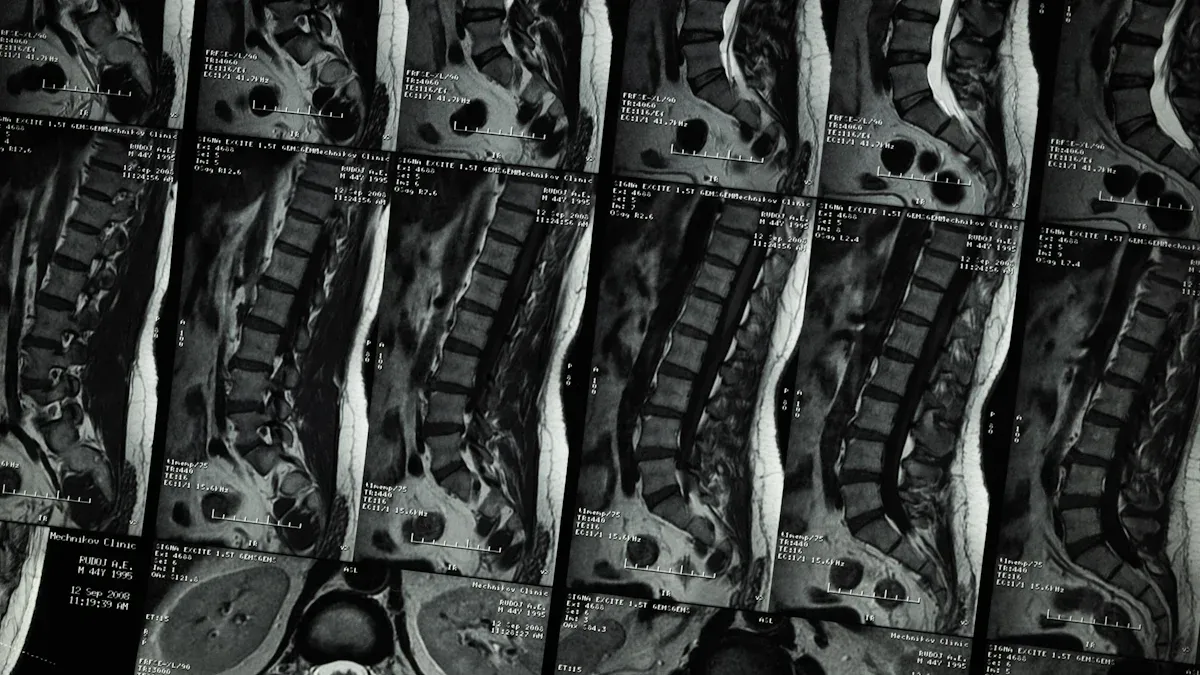
Several common conditions affect dermatomes and cause pain. These issues often involve the spinal nerves and the spine itself. Understanding these conditions helps people recognize their symptoms.
Herniated Discs and Nerve Compression
A herniated disc occurs when the soft cushion between spinal bones pushes out. This disc can press on nearby spinal nerves. This compression causes nerve damage. The pressure leads to specific symptoms in the dermatomes supplied by that nerve. Patients often experience numbness, weakness, or a sharp pain. The lower back is a common area for this problem. The most common spinal levels for herniated discs are:
L4-5
L5-S1 These levels affect dermatomes in the legs and feet. This type of nerve damage can cause significant numbness. The spine protects these delicate spinal nerves.
Sciatica and Lumbar Pain
Sciatica describes pain that radiates along the path of the sciatic nerve. This nerve branches from the lower spinal cord. It runs through the hips and buttocks and down each leg. Sciatica often results from a herniated disc or bone spur in the lumbar spine. These issues compress a spinal nerve root. This compression causes numbness or tingling, weakness, and pain in the affected dermatomes. The symptoms typically follow a specific dermatome pattern down the leg. The spine plays a crucial role in this condition.
Diabetic Neuropathy Symptoms
Diabetic neuropathy is a type of nerve damage. High blood sugar levels over time cause this damage. It commonly affects the nerves in the legs and feet. Patients experience numbness, tingling, and pain. This condition often presents as a “stocking-glove” distribution. This means it affects multiple dermatomes in the hands and feet. The numbness can become severe. This nerve damage is a serious complication of diabetes. The spinal cord receives signals from these damaged nerves.
Postherpetic Neuralgia
Postherpetic neuralgia is a long-lasting pain condition. It occurs after a shingles outbreak. The varicella-zoster virus causes shingles. It damages the nerve fibers during the initial infection. After the rash clears, the damaged nerves continue to send pain signals. This causes chronic pain. The pain follows the exact dermatome pattern where the shingles rash appeared. This condition causes persistent pain and numbness in the affected dermatomes. The spinal nerves involved remain irritated.
Diagnosing and Treating Dermatome Pain
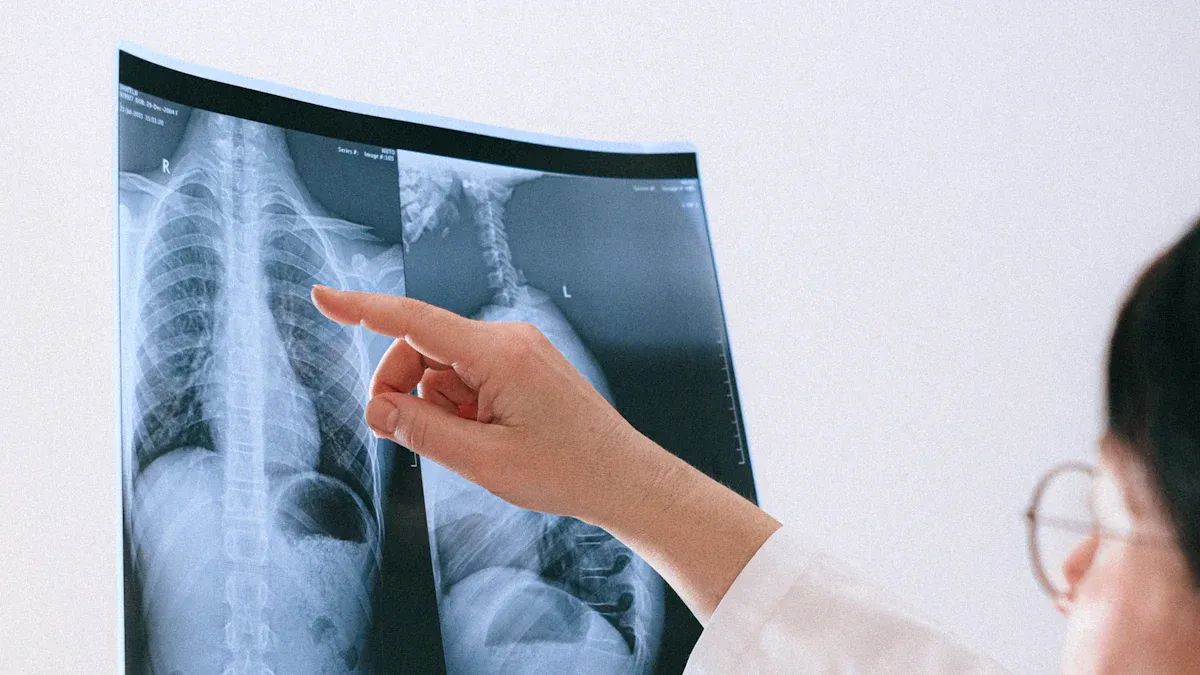
Doctors use several methods to diagnose and treat dermatome pain. They assess symptoms and conduct tests. This helps them understand the cause of a patient’s discomfort.
Neurological Exam and Sensory Testing
A neurological exam helps doctors assess nerve function. They test reflexes, muscle strength, and sensation. Sensory testing is a key part of this exam. Doctors use specific tools to check how a patient feels touch, temperature, and pain in different dermatomes.
Here are some standardized sensory testing methods:
Sensation Type | Testing Tool(s) | Procedure |
|---|---|---|
Pain | Neurotip or neurological pin | Gently prick the skin over each dermatome (C2–S5) bilaterally, maintaining even pressure. Patient indicates if sensation is equal, increased, decreased, or absent compared to a reference point (forehead). |
Soft Touch | Cotton wool or 10g Semmes-Weinstein monofilament | Similar procedure to pain testing, assessing the patient’s perception of soft touch. |
Temperature | Two test tubes (one with cold water 5-10°C, one with warm water 40-45°C) | Apply test tubes to the skin to assess temperature sensation, ensuring the temperature range avoids pain perception. |
Sensory Level Grading | American Spinal Injury Association (ASIA) chart | A standardized tool used to assign a grade (0: Absent, 1: Altered, 2: Normal, NT: Not testable) to the sensory level based on relevant dermatomes. |
Doctors also assess other sensory functions:
Stereognosis: This tests the ability to identify familiar objects by touch alone with eyes closed. A different object is placed in each hand.
Graphesthesia: This tests the ability to recognize numbers or letters traced on the skin while the patient’s eyes are closed.
Sensory testing for dermatome pain diagnosis has low sensitivity but moderate specificity. This means it is better at ruling out a problem than confirming one.
Imaging for Nerve Assessment
Doctors often use imaging tests to see the spine and nerves. X-rays, MRI (Magnetic Resonance Imaging), and CT (Computed Tomography) scans can show problems. These problems include herniated discs or bone spurs. Imaging helps doctors pinpoint the exact location of nerve compression or damage.
Treatment for Nerve Pain and Dysfunction
Treatment for nerve issues varies. It depends on the cause and severity of the condition. Doctors may prescribe medications. First-line agents for neuropathic pain often provide 40–50% pain relief. However, this relief can be modest. Subcutaneous injections of botulinum toxin type A have shown some effectiveness for peripheral neuropathic pain. Topical treatments like lidocaine and capsaicin also help some patients. A Cochrane review showed 8% capsaicin provided 30–50% pain relief for postherpetic neuralgia.
Rehabilitation and Lifestyle Changes
Rehabilitation plays a big role in recovery. Physical therapy helps strengthen muscles and improve flexibility. Occupational therapy helps patients adapt daily activities. Lifestyle changes also support healing. These changes include regular exercise, a healthy diet, and stress management. These approaches help manage symptoms and improve overall well-being.
Dermatomes are crucial for understanding the body’s sensory system. These dermatomes help diagnose nerve-related conditions. Recognizing specific symptoms in these dermatomes is important for early intervention. Consult a healthcare professional for persistent symptoms, including nerve pain or sensory changes. Knowledge of the dermatome map empowers individuals. They can better communicate their symptoms and participate in their healthcare journey. Understanding each dermatome and its associated dermatomes helps identify issues.
FAQ
What is a dermatome?
A dermatome is a specific area of skin. A single spinal nerve innervates this area. It helps the brain receive sensory signals. These signals include touch, temperature, and pain.
Do dermatomes always follow the exact same pattern in everyone?
No, dermatome patterns can show some variation. Standard maps provide a general guide. Individual differences exist. Doctors consider these variations when diagnosing nerve conditions.
What is the difference between a dermatome and a myotome?
A dermatome relates to skin sensation. It is an area of skin supplied by one spinal nerve. A myotome relates to muscle movement. It is a group of muscles controlled by one spinal nerve.
Why do doctors use a dermatome map?
Doctors use a dermatome map to find nerve damage. It helps them pinpoint which spinal nerve is affected. This map guides diagnosis. It also helps in planning treatment for nerve-related pain.