You might experience a persistent, deep, or throbbing feeling. This dull aching thigh pain is often unsettling. It is not a sharp sensation. This specific thigh pain can appear in one spot or spread across your legs. Understanding your thigh pain helps you manage it. This post explains common reasons for this ache. You will learn effective relief methods for your thigh pain. You will also know when to seek medical attention for your pain.
Key Takeaways
Dull aching thigh pain has many causes. These include muscle strains, nerve problems, and joint issues. Blood clots can also cause this pain.
You can relieve thigh pain at home. Rest your leg and apply ice. Elevate your leg and use pain relievers. Gentle movement can also help.
See a doctor if your thigh pain lasts a long time. Get medical help if you cannot move your leg. Also, see a doctor if your leg feels hot or swollen.
Some thigh pain needs emergency care. Look for sudden, severe pain with swelling. Redness, warmth, or fever with leg pain are also serious signs. Numbness or weakness in your leg needs immediate attention.
Common Causes of Dull Aching Thigh Pain

Dull aching thigh pain can stem from many sources. Understanding these causes helps you find the right path to relief. The treatment for your thigh pain depends entirely on its underlying cause.
Muscle Strains and Overuse
Muscle strains are a very common cause of dull aching thigh pain. You might experience this if you overstretch or overuse muscles like your hamstrings, hip flexors, or inner thigh muscles. For example, a hamstring strain often causes mild to moderate pain in the back of your thigh. You might also notice mild bruising, swelling, or tenderness. These symptoms can occur even at rest but worsen with physical activity. More severe hamstring injuries can cause a noticeable bump, muscle spasms, or a “pop” sound.
Overuse injuries also contribute to thigh problems. Repetitive activities can inflame muscles and tendons. For instance, quadriceps muscle strains can range from mild to severe. A Grade 1 strain might heal in 1 to 2 weeks. A Grade 2 strain takes several weeks. A Grade 3 strain can take several months for recovery.
Nerve Issues and Impingement
Nerve problems can also lead to dull aching thigh pain. When a nerve gets pinched or irritated, it can cause discomfort.
Sciatica: This condition involves pain radiating from your lower spine down the back of your leg. Sciatica often presents as a dull, aching pain. This pain can spread to your thigh. The sciatic nerve provides sensation to the back of your thigh.
Meralgia Paresthetica: This condition affects the lateral femoral cutaneous nerve. It causes numbness, tingling, or burning in the outer part of your thigh. Doctors diagnose meralgia paresthetica through physical exams and sensation testing. They might also use tests like the pelvic compression test or Tinel’s sign. These tests check for nerve irritation. Imaging studies can rule out other causes of your upper thigh pain.
Joint and Bone Conditions
Issues with your joints or bones can also cause thigh pain.
Arthritis: Conditions like osteoarthritis of the hip can cause persistent pain in your thigh. This pain often worsens with movement. Hip arthritis pain can also spread to your groin, buttocks, or knee. Knee arthritis pain can also radiate up your thigh.
Stress Fractures: A stress fracture in your femur (thigh bone) can cause dull aching thigh pain. This pain typically starts in your groin, thigh, or hip. It begins as a dull ache and becomes more severe with activity. You might find it difficult to put weight on your leg as the fracture worsens.
Vascular Concerns (e.g., Blood Clots)
Sometimes, dull aching thigh pain signals a problem with your blood vessels.
Deep Vein Thrombosis (DVT): A blood clot in a deep vein, often in your leg, can cause severe upper thigh pain. This pain can appear suddenly. It might come with swelling, bruising, and discomfort. Prolonged inactivity, vein injury, or certain medical conditions increase your risk for DVT. This is a serious condition requiring immediate medical attention.
Peripheral Arterial Disease (PAD): This condition involves blocked blood flow through your arteries. It can lead to upper thigh pain. People with type 2 diabetes often experience PAD. However, many people with PAD do not experience leg pain. Up to 40% of individuals diagnosed with PAD do not have leg pain.
Other Potential Factors
Several other factors can contribute to thigh problems and dull aching thigh pain.
IT Band Syndrome: This occurs when your iliotibial band, a thick band of tissue on the outside of your thigh, becomes tight and inflamed. Runners often experience this.
Ischial Bursitis: Pressure on the cushioning sac between tendons and bones can cause pain in the back of your upper thigh. This is especially true after exercise or prolonged sitting.
Vitamin D Deficiency: Adults with low vitamin D levels can suffer from chronic muscle aches and pains. This can include muscle weakness, aches, and cramps in your thighs.
Referred Pain: Sometimes, thigh pain comes from a back problem. You might not feel pain in your back, but the issue refers pain to your thigh.
Traumatic Injuries: A direct blow to the thigh or a fall can cause a thigh injury. This can result in contusions or other damage.
Discomfort in your upper thigh can manifest as aching, burning, or general pain. Remember, accurate diagnosis is crucial for effective treatment of any thigh pain.
Effective Relief for Dull Aching Thigh Pain
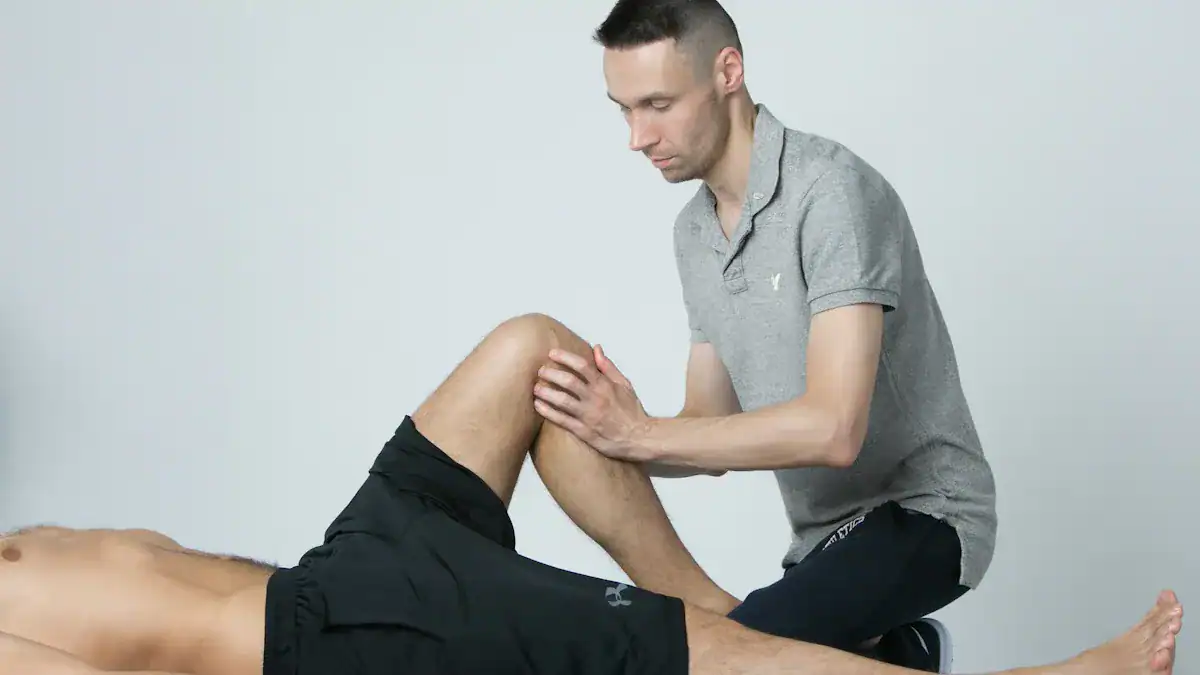
You can find relief for dull aching thigh pain. Start with immediate home care. Then, consider lifestyle changes. Sometimes, professional help is best. The right treatment depends on your specific situation.
Immediate Home Care and Self-Treatment
When thigh pain starts, you can take steps at home. These home treatments help reduce discomfort.
Rest: Give your leg a break. Avoid activities that make your pain worse. Rest allows your body to start healing.
Ice: Apply ice to the affected area. Use an ice pack for about 15 minutes at a time. This helps reduce swelling and pain.
Elevation: Lift your leg above your heart if possible. This can help decrease swelling.
Over-the-counter pain-relievers: Medications like ibuprofen or acetaminophen can help manage your pain. Always follow dosage instructions.
These steps are part of the RICE protocol for acute muscle injuries. RICE stands for:
Rest: Stop activities to prevent more injury.
Ice: Cool the area to reduce pain and swelling.
Compression: Apply gentle pressure to control swelling.
Elevation: Raise the injured limb to lessen swelling.
For some inner thigh muscle strains, gentle movement can actually help recovery. Listen to your body.
Lifestyle and Preventative Measures
You can make lifestyle changes to prevent thigh pain and support healing.
Stay Hydrated: Drink enough water. Your muscles are about 75% water. Dehydration can cause cramps and pain. Proper hydration helps deliver nutrients to muscles and removes waste. It also keeps your joints healthy and flexible.
Strengthen Thigh Muscles: Regular exercise strengthens your legs. This helps prevent future injuries. Try these exercises:
Quad Sets: Tighten your thigh muscles while sitting with your leg straight.
Hamstring Curls: Bend your knee to bring your heel towards your buttocks.
Straight Leg Raises: Lift your straight leg while lying on your back.
Squats: Lower your body as if sitting in a chair. These exercises build muscle endurance and strength.
Warm-Up and Stretch: Always warm up before exercise. Stretch your thigh muscles gently afterward. This improves flexibility and reduces injury risk.
When to Seek Professional Therapies
Sometimes, home care is not enough. You might need professional treatment options.
Physical Therapy: If your thigh pain persists, physical therapy is a top recommendation. A physical therapist can create a tailored exercise program. This program builds strength, improves mobility, and reduces pain. They can also identify muscle imbalances. Physical therapy helps with recovery from injuries or general muscle pain.
Doctor’s Visit: See a doctor if your pain does not improve. They can diagnose the cause of your dull aching thigh pain. They can also recommend specific treatments.
When to Worry: Serious Thigh Pain Symptoms
Most dull aching thigh pain improves with home care. However, some symptoms signal a more serious problem. You must know when to seek professional help. This section helps you understand the difference between minor discomfort and a medical emergency.
Signs for a Doctor’s Visit
You should consult a doctor if your thigh pain does not get better. If your pain persists for several days or weeks, you need medical advice. For example, if your pain lasts longer than six weeks, you should see a healthcare provider. A new thigh problem or pain that flares up and stays bad also needs attention.
Consider contacting a medical professional in these situations:
You experience new, significant trauma within the last 7 days. This includes a fall from a height or a direct blow to your thigh.
You cannot move your leg at all.
Your thigh feels hot, swollen, or tender, especially if you do not remember an injury.
You cannot put any weight through your leg.
These signs mean you need a doctor to check your thigh problems. Do not ignore persistent pain or new symptoms. Early diagnosis can prevent more serious issues.
Emergency Symptoms to Watch For
Some types of upper thigh pain require immediate emergency care. These symptoms can point to life-threatening conditions. You must act quickly if you notice them.
Acute compartment syndrome is one such emergency. This condition happens suddenly after a severe injury. It needs immediate treatment to prevent permanent muscle damage or worse.
Look for these critical signs:
Sudden Severe Pain or Swelling: If you have severe pain that appears suddenly, especially with swelling, bruising, and discomfort, this could indicate a blood clot. This is a serious condition.
Leg Pain with Redness, Warmth, Fever: These are classic signs of deep vein thrombosis (DVT) or an infection.
Pain That Wakes You or Does Not Improve with Rest: This might suggest compartment syndrome, infections, or serious vascular issues.
Numbness, Weakness, or Foot Drop: These symptoms can point to nerve damage or spinal pressure. Foot drop is especially concerning.
A blood clot in your leg can also cause other symptoms. You might notice:
Swelling, pain, tenderness, warmth, or redness in one leg.
Bulging veins that do not flatten when you elevate your leg.
Sudden hardening of a vein.
Skin around a varicose vein becoming sensitive and reddened.
A severe muscle cramp-like pain (charley horse) that does not get better with elevation or ice.
A subtle reddish or bluish tint to your skin. This might appear as a darker brown or discolored area if you have darker skin tones.
A blood clot can travel to your lungs. This causes a pulmonary embolism, which is a medical emergency. Seek medical treatment immediately if you experience:
Sudden shortness of breath.
Chest pain or discomfort that worsens with deep breaths or coughing.
Lightheadedness or dizziness.
A rapid pulse.
Coughing up blood.
These symptoms mean you need emergency medical attention right away. Do not delay seeking medical treatment.
The Need for Accurate Diagnosis
Understanding the cause of your thigh pain is the first step to effective treatment. An accurate diagnosis is crucial. Your doctor will use various tests to find out what is causing your pain.
These diagnostic tools help identify the problem:
Blood tests: These check for conditions like thyroid issues, vitamin deficiencies, diabetes, or anemia. They can also look for signs of inflammation or infection.
X-rays: Doctors use X-rays to examine bones. They can rule out fractures or bone tumors.
CT scans: These use X-rays and computers to create detailed cross-sectional images of your body. They can show spinal or nerve issues.
MRI scans: An MRI uses a large magnet and radio waves to produce very detailed images of organs and internal structures. This helps visualize muscles, nerves, and soft tissues.
Ultrasound imaging: This uses high-frequency sound waves to create real-time images. It can detect blood clots or other soft tissue problems.
Nerve tests: Nerve conduction studies and electromyography (EMG) measure nerve and muscle activity. They help identify nerve damage.
Joint aspiration: This involves removing fluid from a joint. It helps identify specific joint problems.
Bone scans: These help diagnose infections, fractures, or other bone disorders.
These tests help your doctor pinpoint the exact cause of your thigh problems. Once they know the cause, they can recommend the best treatment plan for your specific thigh pain.
Dull aching thigh pain is common. It has many causes, from minor to serious. Understanding the cause is your first step to relief. Effective care depends on what causes your thigh pain. Remember self-care:
Rest
Ice
Elevation
Over-the-counter pain relievers Lifestyle changes also help manage your pain.
Watch for warning signs. Seek medical advice for persistent thigh pain. Get emergency care for blood clot symptoms.
Listen to your body. Consult a healthcare professional for proper diagnosis and treatment.
FAQ
What causes dull aching thigh pain?
Many things cause dull aching thigh pain. Muscle strains, nerve issues, and joint problems are common. Vascular concerns like blood clots can also cause it. Other factors include IT band syndrome or vitamin D deficiency.
How can I relieve thigh pain at home?
You can relieve thigh pain at home. Rest your leg. Apply ice for 15 minutes at a time. Elevate your leg to reduce swelling. Over-the-counter pain relievers also help. Gentle movement can aid recovery for some muscle strains.
When should I see a doctor for thigh pain?
See a doctor if your pain lasts more than a few weeks. You should also visit a doctor if new pain persists. Seek medical advice if you cannot move your leg or put weight on it.
What are emergency symptoms for thigh pain?
Seek emergency care for sudden, severe pain with swelling or bruising. Leg pain with redness, warmth, or fever needs immediate attention. Numbness, weakness, or foot drop are also emergency signs. These symptoms can indicate a blood clot or other serious conditions.
Can dehydration cause thigh pain?
Yes, dehydration can contribute to thigh pain. Your muscles are mostly water. Not drinking enough water can lead to cramps and aches. Proper hydration helps your muscles function well and removes waste products.