Blueberries are a popular fruit, celebrated as a superfood. This small blueberry packs powerful antioxidants, protecting your cells and potentially improving memory. While blueberries offer many benefits, eating too many blueberries can lead to specific health issues. You might experience side effects of eating too many blueberries. This article will discuss 4 key risks: digestive problems, blood sugar impact, medication interactions, and kidney stone formation. Understanding these potential side effects of blueberries helps you enjoy this healthy fruit safely. Moderation is key to avoiding these potential risks.
Key Takeaways
Eating too many blueberries can cause stomach problems. Blueberries have a lot of fiber. This can lead to gas, bloating, or diarrhea.
Blueberries contain natural sugars. They have a low glycemic index. This means they release sugar slowly. People with diabetes should still watch how many they eat.
Blueberries have Vitamin K. This vitamin helps blood clot. If you take blood thinners, too many blueberries can change how your medicine works. Talk to your doctor.
Blueberries contain oxalates. Oxalates can lead to kidney stones. Blueberries are low in oxalates. Eating them in normal amounts is usually safe for your kidneys.
Digestive Side Effects

Eating too many blueberries can lead to various digestive issues. Your body might react to the high fiber content, causing discomfort. You can also experience allergic reactions, though these are rare. Understanding these potential side effects helps you manage your intake.
Fiber Content
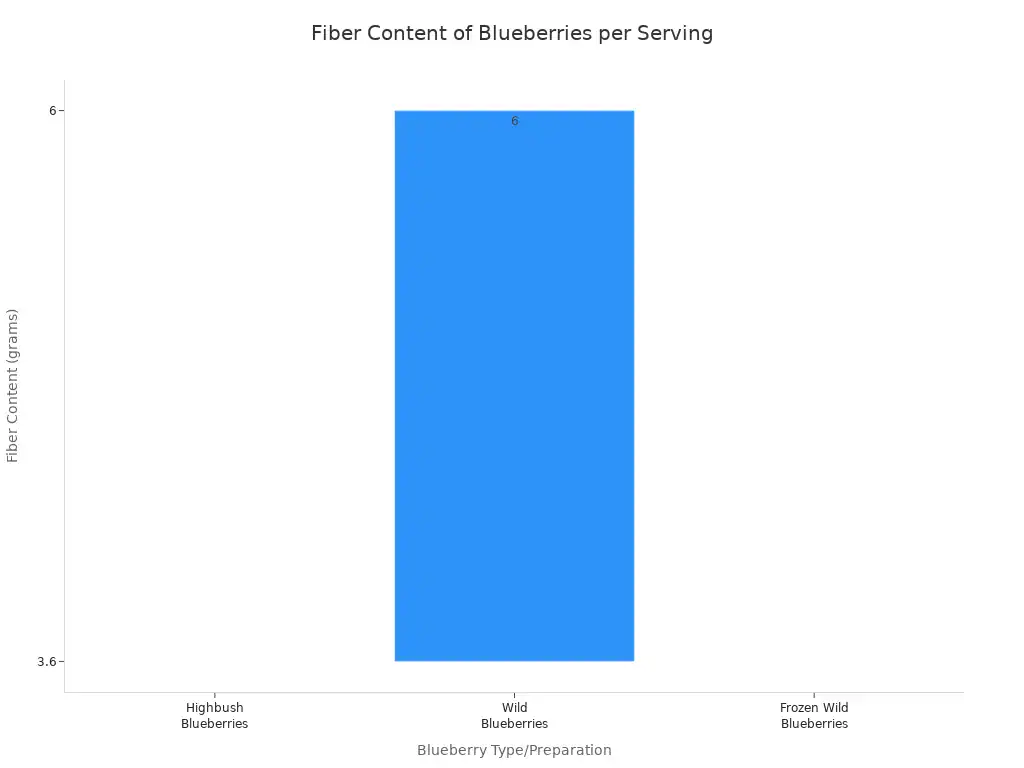
Blueberries are rich in dietary fiber, a crucial component for healthy digestion. However, consuming a large amount of this fiber quickly can overwhelm your digestive system. Different types of blueberries offer varying amounts of fiber.
Blueberry Type/Preparation | Serving Size | Fiber Content |
|---|---|---|
Highbush Blueberries | 1-cup | 3.6 grams |
Wild Blueberries | 1-cup | 6 grams |
Frozen Wild Blueberries | 1-cup (140-gram) | 3.6 grams |
Raw blueberry, for example, contains about 2.4 grams of fiber per 3.5-ounce (100-gram) serving. This fiber includes soluble types like mucilage, beta-glucans, pectin, and gums. Your gut bacteria ferment these fibers. This process is usually beneficial, but too much fermentation can cause problems.
Common Symptoms
When you eat too many blueberries, especially if you are not used to a high-fiber diet, you might experience several common symptoms of gastrointestinal distress. These include:
Bloating
Gas
Abdominal cramps or pain
Constipation
Diarrhea
Nausea
Vomiting
A distended abdomen
The fermentation of fiber by your gut bacteria produces gases like hydrogen, methane, and carbon dioxide. If this gas production happens too quickly, your body cannot absorb it fast enough. This imbalance leads to discomfort. Foods high in fiber, like blueberry, contain non-digestible carbohydrates such as raffinose. When gut bacteria break down raffinose, it creates gases that cause flatulence and bloating. This rapid fermentation can also stimulate serotonin secretion, increasing luminal pressure and leading to cramps and distension.
Allergic Reactions
While rare, some people can have an allergic reaction to blueberry. An IgE-mediated allergy to blueberry has been reported, possibly due to sensitization to Lipid Transfer Protein (LTP). You might experience various symptoms if you have a blueberry allergy:
Skin Reactions: Itching, hives, redness, or swelling.
Gastrointestinal Issues: Nausea, vomiting, abdominal pain, or diarrhea.
Respiratory Symptoms: Sneezing, nasal congestion, coughing, wheezing, or shortness of breath.
Anaphylaxis: This is a severe, life-threatening reaction. It can cause difficulty breathing, a sudden drop in blood pressure, and loss of consciousness.
One case involved a woman who developed itching and wheals around her mouth after eating lingonberry jam. A second exposure caused more intense symptoms, including severe itching in her mouth, tongue, and throat. Another woman experienced periorbital edema and rhinitis, testing positive for a blueberry allergy. Despite these cases, a study in Turkey found a very low confirmed prevalence rate of blueberry allergy in children, highlighting its rarity.
Who Is Susceptible
Certain individuals are more susceptible to digestive issues from eating a lot of fiber, including from blueberries. You might be at higher risk if you:
Do not drink enough fluids.
Have digestive system diseases like Crohn’s disease or intestinal obstruction.
Suffer from malabsorption.
Have undergone bowel surgery.
Are an older individual, as intestinal elasticity decreases with age.
Have a predisposition to phytobezoar formation, especially if you combine excessive fiber with improper chewing.
These groups should be particularly mindful of their blueberry intake to avoid digestive side effects.
Blood Sugar Impact
Blueberries are a delicious fruit. They contain natural sugars. You need to understand how these sugars affect your blood sugar levels. This is especially true if you manage diabetes. You can prevent unwanted spikes by managing your portion sizes.
Natural Sugars
Blueberries naturally contain sugars. These sugars give the blueberry its sweet taste. A standard serving of blueberry, specifically a whole cup, contains 15 grams of sugar. One cup of raw blueberries contains 14.44 grams of total sugars. This amount contributes to your daily carbohydrate intake. You should be aware of this when you plan your meals.
Glucose Levels
The natural sugars in blueberry affect your blood glucose levels. However, blueberries have a low glycemic index (GI). The glycemic index of blueberries is 53. This places them in the low GI category. This value is similar to other fruits like kiwi, bananas, pineapple, and mango. Wild blueberries from Canada have a glycemic index of 53±7. This is also considered low. A low GI means the sugars release slowly into your bloodstream. This helps prevent rapid spikes in blood sugar levels.
Blueberries offer benefits for blood sugar control. They are rich in polyphenols, including anthocyanins. These compounds can improve insulin resistance and glucose tolerance. Studies show that eating blueberries may reduce your risk of developing type 2 diabetes. Clinical studies have shown increased insulin sensitivity in people who are obese or insulin-resistant after eating blueberry. This means your body uses insulin more effectively. Improvements in glucose tolerance also occur.
For individuals with diabetes, blueberry consumption can be beneficial. Blueberry and cranberry consumption significantly reduced fasting blood glucose levels in people with diabetes. This reduction averaged 17.72 mg/dl. Glycated hemoglobin levels also saw a reduction of 0.32%. This evidence has high credibility. However, eating too many blueberries can still impact your blood sugar. If you take medication for diabetes, eating a large amount of blueberry might lead to hypoglycemia. Hypoglycemia is when your blood sugar drops too low. You must monitor your blood sugar carefully. You should always consult your doctor about your diet.
Diabetic Portions
You need to manage your portion sizes carefully, especially if you have diabetes. A serving of blueberries is ¾ cup. This amount typically contains 15 grams of carbohydrates. This is considered one fruit choice for people with diabetes. For most fresh berries and melons, a serving size ranges from ¾ to 1 cup.
Eating too many blueberries can still cause issues. Even with their low GI, large quantities mean more sugar. This can still raise your blood sugar levels. You should stick to recommended serving sizes. This helps you enjoy the benefits of blueberry without risking hypoglycemia or high blood sugar. Always discuss your diet with your healthcare provider. They can help you determine the right amount of blueberry for your specific needs.
Medication Interactions
You need to understand how certain foods interact with your medications. Blueberries contain Vitamin K. This vitamin can affect how some medicines work. You must know about these interactions, especially if you take blood thinners.
Vitamin K Role
Vitamin K plays a vital role in your body. It helps your blood clot. Your body needs Vitamin K to produce specific proteins. These proteins are essential for blood coagulation. Without enough Vitamin K, your blood would not clot properly. This could lead to excessive bleeding.
You need a certain amount of Vitamin K each day. Here are the recommended daily intakes for adults:
Group | Adequate Intake (mcg/day) |
|---|---|
Women 19 and up | 90 |
Men 19 and up | 120 |
Blueberries contain Vitamin K. A standard serving of blueberry has a small amount of this vitamin.
Food Item | Vitamin K Content (micrograms) | Serving Size |
|---|---|---|
Blueberries | 14 mcg | 1/2 cup |
This amount of Vitamin K in blueberry is generally not a concern for most people. However, it becomes important if you take certain medications.
Blood Thinners
Some medications, called blood thinners or anticoagulants, work by affecting your body’s clotting process. These medicines help prevent harmful blood clots. They are crucial for people with conditions like heart disease or a history of strokes.
Specific blood thinners interact with Vitamin K.
Warfarin (Coumadin) interacts with Vitamin K. It interferes with how your body uses Vitamin K.
Warfarin (Coumadin) prevents the production of Vitamin K-dependent clotting factors.
Other blood thinners, like heparin or low molecular weight heparins (Lovenox, Fragmin, or Innohep), are not influenced by Vitamin K.
If you take warfarin, you must maintain a consistent intake of Vitamin K. A high intake of Vitamin K can reduce the effectiveness of anticoagulant therapy. Warfarin works by inhibiting enzymes in the Vitamin K cycle. These enzymes are crucial for blood coagulation. When your Vitamin K intake is high, warfarin’s anticoagulant effect can decrease. This leads to a reduction in your International Normalized Ratio (INR). It also increases your risk of blood clots. This highlights the importance of consistent Vitamin K intake. You need to maintain a delicate balance between the vitamin and the medication. Consuming more Vitamin K than usual while on warfarin can reduce the medicine’s anti-clotting action. This makes it easier for your body to form dangerous blood clots. This is the opposite effect of the anticoagulant. Warfarin works by reducing the clotting activity of Vitamin K. It makes it harder for your body to form new, harmful blood clots. It also prevents existing ones from growing. This interaction is a significant risk of blood clots and vitamin k interactions.
Doctor Consultation
You must talk to your doctor if you take blood thinners. They can help you understand how foods like blueberry affect your medication. Do not make sudden changes to your diet without consulting them. Your doctor will monitor your INR levels. They will adjust your medication dosage if needed. This ensures your treatment remains effective and safe. You can still enjoy blueberry. You just need to do so in moderation and with your doctor’s guidance. This helps you avoid the risk of blood clots and vitamin k interactions.
Kidney Stone Risk
You might worry about kidney stones if you enjoy eating many fruits. Blueberries contain oxalates. Oxalates can contribute to kidney stone formation in some people. You can take steps to lower this risk.
Oxalate Content
Oxalates are natural compounds found in many plants. Your body also makes oxalates. Blueberries contain oxalates, but they are generally low in this compound. You can see how blueberries compare to other fruits in oxalate content.
Fruit (fresh or frozen) | Oxalate (mg) | Serving Size |
|---|---|---|
Blueberry | 27 | 1 cup |
Most fruits have low oxalate levels. Blueberries, boysenberries, blackcurrants, and black raspberries contain between 3.2 and 45.7 mg of oxalate. Some fruits, like feijoa, Indian gooseberries, carambola, rhubarb, and goji berries, are high in oxalate.
Here is a comparison of oxalate content in common fruits:
Fruit | Oxalate (mg) | Serving Size | Oxalate Category |
|---|---|---|---|
Blueberry | 4 | 1 cup | Low |
Grapes | 2 | 1 cup | Low |
Pineapple | 4 | 1 cup | Low |
Pears | 2 | 1 pear | Low |
Melon | 0-1 | 1 cup | Low |
Apples | 1 | 1 apple | Low |
Raspberries | 48 | 1 cup | Very High |
Dates | 24 | 1 date | Very High |
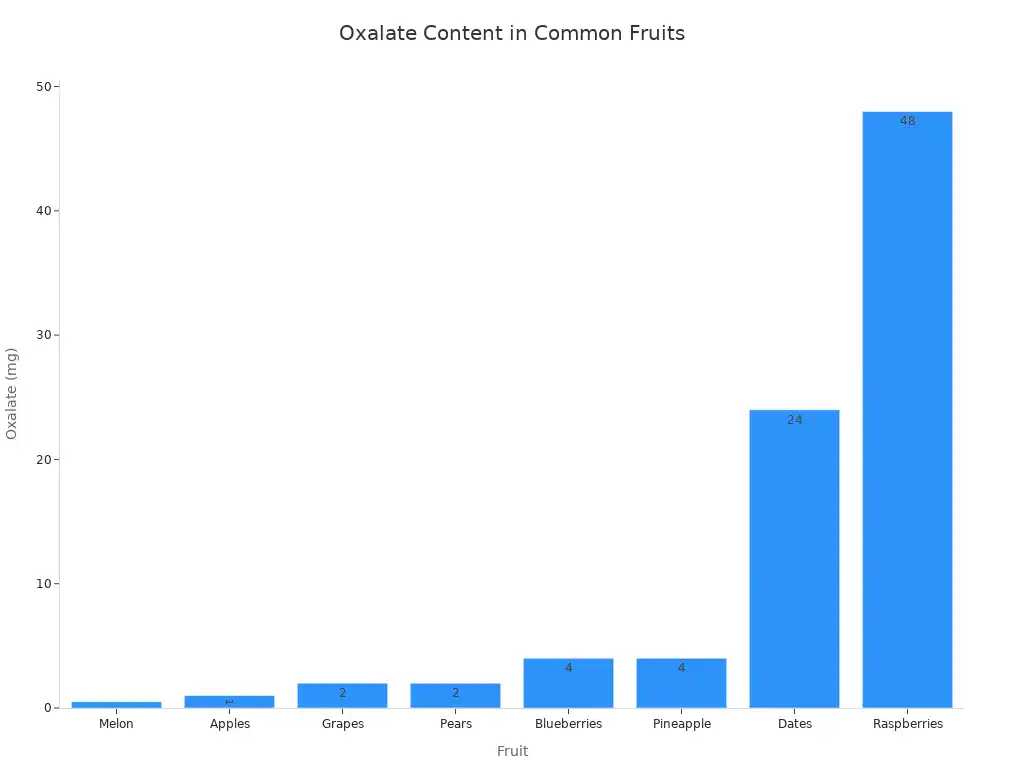
You can see that blueberry is a low-oxalate fruit. This means eating a normal amount of blueberry usually does not pose a high risk for kidney stones.
Stone Formation
Urinary oxalate is a key factor in the growth of calcium oxalate stones. This oxalate comes from your diet and your body’s own processes. Over 80% of kidney stones are calcium oxalate stones. Both oxalate and calcium are equally important in forming these stones. Problems with how your body handles oxalate are crucial for these stones to appear.
Calcium oxalate crystals can trigger immune responses. These crystals cause renal epithelial cells to produce monocyte chemoattractant protein-1. Oxalate can also cause similar reactions in monocytes from healthy people.
Here is a breakdown of kidney stone types:
Stone Type | Percentage |
|---|---|
Calcium Oxalate | 35-70% |
Calcium Phosphate | 5-20% |
Mixture of Both | 10-30% |
You can reduce your risk of stone formation by reducing your intake of foods high in oxalate. You also need to maintain a normal intake of dietary calcium.
Prevention Tips
You can take several steps to prevent kidney stones, even if you are susceptible. The most important step is to drink plenty of fluids. You should aim for 2.5–3 liters of fluids per day. This increases your urine volume. Lemon juice can be helpful because it contains citrate. Citrate binds to calcium in your urine, which reduces the formation of calcium oxalate crystals.
You should limit foods high in oxalate. However, you do not need to completely avoid them. You can reduce oxalate absorption by eating high-oxalate foods with additional fluids and dietary calcium. For example, a diet higher in calcium (1200 mg) with restricted oxalate, protein, and salt can lower stone recurrence by 51% over five years. This happens because calcium inhibits intestinal oxalate absorption. Low-calcium diets are not recommended. They can also worsen your bone mineral density.
You should limit vitamin C supplements to less than 1000 mg per day. Vitamin C can convert to oxalate and increase oxalate in your urine. This raises your risks of stone formation.
Reducing your dietary sodium intake can also help. High levels of urine sodium can lead to more calcium in your urine, which helps stones form. You should also minimize animal protein intake to less than 80 grams per day if you have recurrent stones. Animal protein can negatively affect your urine chemistry.
Eating more fruits and fiber can lower your risks of kidney stones. Studies show that fruit intake and fiber intake are linked to a lower risk. Women with a history of kidney stones had lower intake of fiber, fruit, and vegetables. Those with the highest intake were 15-22% less likely to report kidney stone events. A Mediterranean diet style is also associated with a reduced risk of renal stones.
You should also be aware of fructose intake. Both free and total fructose intake have been linked to an increased risk of kidney stones. Fructose can convert into a precursor of oxalate.
A higher intake of dietary calcium strongly reduces your risks of kidney stones. Increasing calcium intake decreases oxalate absorption. Conversely, a low-calcium diet can increase stone formation risks. This happens because calcium cannot bind with oxalate in your digestive tract. This leads to increased oxalate in your urine. You can consider magnesium supplementation. Lower serum magnesium levels are linked to a greater chance of developing kidney stones.
Eating Too Many Blueberries: How Much Is Too Much
You now understand the potential risks of eating too many blueberries. You might wonder how much is too much. This section provides practical guidance. It helps you recognize signs of overconsumption. It also offers strategies for incorporating blueberry into your diet without adverse effects.
Recommended Servings
You can enjoy blueberry as part of a healthy diet. The U.S. Department of Agriculture (USDA) suggests adults eat two servings of fruit daily. A single serving size for blueberry is about 1/2 cup (75g) of fresh or frozen berries. You can also consider about 4 ounces of blueberry juice as one serving. Generally, you should aim to consume only 1/2 to 1 cup of blueberries per day. This recommended serving size helps you gain benefits without the risks.
Overconsumption Signs
You need to recognize the signs if you are eating too many blueberries. These signs indicate you might be consuming more than your body can handle. Digestive discomfort is a common indicator. You might experience bloating, gas, or diarrhea due to the high fiber content. Constipation, nausea, and vomiting are also possible side effects. If you take blood thinners, an increased bleeding risk can occur due to Vitamin K. Allergic reactions, though rare, can manifest as itching, swelling, hives, or difficulty breathing. For individuals with diabetes, spikes in blood sugar levels can happen. This is especially true if you have insulin resistance. The formation of kidney stones is another potential risk due to oxalates. You might also experience headaches, rashes, or stomach discomfort. These can be side effects from salicylates interacting with blood thinners and anti-inflammatory drugs.
Balanced Intake
You can easily incorporate blueberry into a balanced diet. This helps you avoid the side effects. Try topping your cereal or yogurt with fresh or dried blueberries. You can add blueberries to green salads for a burst of flavor. Include blueberries in muffins, pancakes, and fruit crumble or crisp desserts. You can use them alone or combine them with other fruits. Experiment with creative dishes like a blueberry quesadilla with wild blueberry sauce. Blend blueberry, by itself or with other fruits, into smoothies or fruit freeze drinks.
Frozen blueberries offer a convenient and cost-effective option. They are perfect when fresh ones are out of season. Freezing happens quickly after picking. This process helps them retain their high nutrient and phytochemical content for months. Enjoying blueberry whole fruit in these ways ensures you get the benefits without overdoing it.
Blueberry is a healthy fruit. However, moderation is crucial to avoid the side effects of eating too many blueberries. This helps you understand the 4 key risks. You now understand the 4 key risks. These include digestive issues, blood sugar concerns, medication interactions, and kidney stone risks. These are potential risks. You can enjoy blueberry as part of a balanced diet. This helps you avoid these side effects. Remember the 4 key risks. Eating too many blueberries can lead to these side effects of blueberries. You should consult a healthcare professional if you have specific health conditions or concerns about your blueberry intake. This helps manage potential risks. Enjoy your blueberry!
FAQ
Can eating too many blueberries upset my stomach?
Yes, eating too much blueberry can cause digestive issues. Blueberries have a lot of fiber. This can lead to gas, bloating, or diarrhea. Your gut bacteria ferment this fiber. This process creates gas. Start with small amounts if you are not used to high-fiber foods.
Do blueberries significantly raise blood sugar levels?
Blueberries have natural sugars. However, they have a low glycemic index. This means they release sugar slowly. This helps prevent quick spikes. For people with diabetes, portion control is important. Eating too much blueberry can still affect your levels.
Can blueberries interfere with my medications?
Yes, blueberries contain Vitamin K. This vitamin helps blood clot. If you take blood thinners like warfarin, Vitamin K can reduce their effect. Always talk to your doctor. They can advise you on your blueberry intake.
Are blueberries a risk for kidney stones?
Blueberries contain oxalates. However, they are a low-oxalate fruit. For most people, eating blueberry in moderation does not increase kidney stone risk. Drink plenty of water. This helps prevent stone formation.