
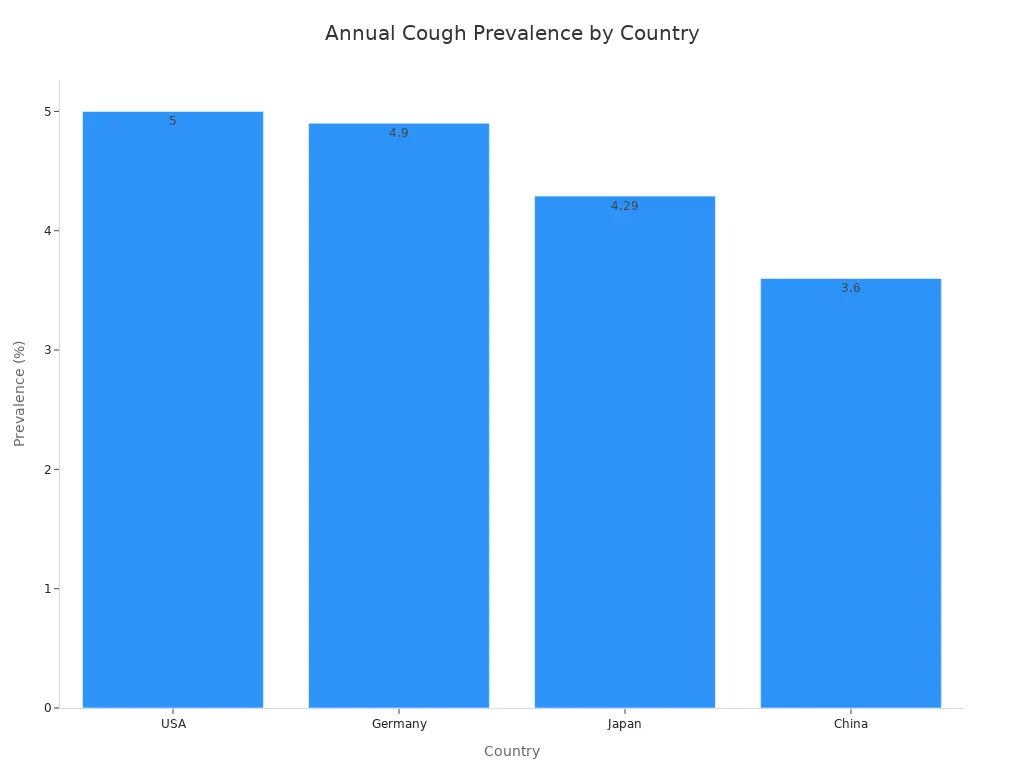
A persistent cough often brings significant discomfort. You likely desire quick, natural relief. Many people experience a cough each year. For example, annual prevalence rates show:
Country | Study Year | Definition of Cough | Annual Prevalence |
|---|---|---|---|
USA | 2018 | Coughing lasting for ≥8 weeks in the past 12 months | 5% |
Germany | 2019–2020 | Coughing lasting for ≥8 weeks in the past 12 months | 4.9% |
Japan | 2019 | Coughing lasting for >8 weeks in the past 12 months | 4.29% |
China | 2012–2015 | Coughing lasting for >3 months in each year | 3.6% |
The duration of a cough varies depending on its underlying cause. For instance, a cough associated with a common cold can persist for over two weeks. In cases of bronchitis, the cough may continue for several weeks even after the initial infection has subsided. This post explores effective home remedies for cough. These natural remedies can offer comfort. Remember, knowing when to seek medical advice for your cough is crucial. We provide practical solutions.
Key Takeaways
Honey and saltwater gargles soothe your throat. Warm drinks like tea with ginger or honey also help calm a cough.
Steam from showers or humidifiers loosens mucus. Drinking plenty of water keeps your airways moist and helps your body heal.
Elevate your head with pillows when you sleep. Avoid smoke and allergens to prevent your cough from getting worse.
Get enough rest to help your body recover. Sleep allows your immune system to fight off illness effectively.
See a doctor if your cough lasts too long. Also, seek medical help if you have a fever, trouble breathing, or chest pain.
Effective Home Remedies for Throat Soothing
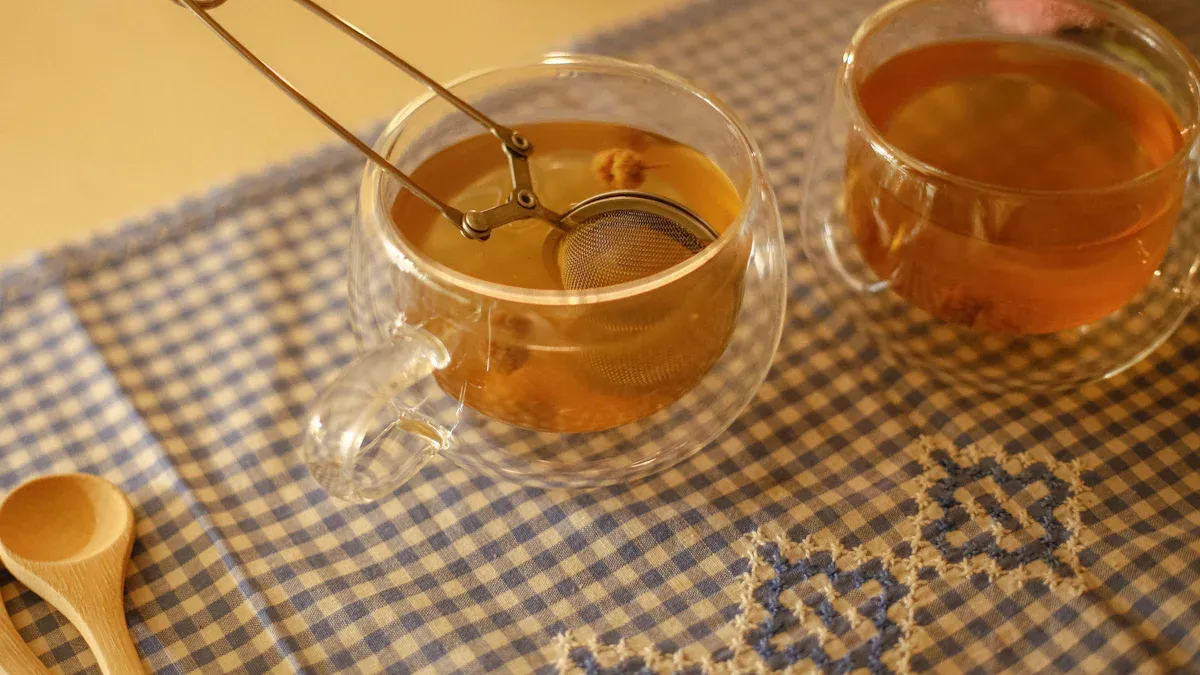
When a cough starts, you often look for ways to soothe your throat. Many effective home remedies can provide comfort and help you feel better. These natural remedies focus on easing irritation and clearing your airways.
Honey for Cough Relief
Honey is a well-known remedy for a cough. It can be as effective as some over-the-counter (OTC) medicines. Honey coats your throat, which reduces irritation and helps calm your cough.
Studies show honey offers significant cough relief. For example, research indicates honey can improve cough frequency, cough severity, and even your child’s sleep quality. This applies when you compare it to a placebo or no treatment. Honey also performs well against standard cough medications.
Outcome | Comparison (Honey vs. Placebo/No Treatment) | Comparison (Honey vs. Cough Medication) |
|---|---|---|
Cough Frequency | Favored honey (0.0 to 1.1 points) | Favored honey (0.2 to 0.9 points) |
Cough Severity | Favored honey (0.1 to 1.2 points higher) | Favored honey (0.2 to 1.3 points higher) |
Child’s Sleep Quality | Favored honey (0.0 to 1.1 points higher) | Favored honey (-0.2 to 1.1 points higher) |
A systematic review found honey more effective than placebo or conventional cough medications for acute cough symptoms in children. An Israeli study with 300 children showed honey significantly improved cough frequency, severity, and sleep quality. An Italian study also found honey as effective as OTC dextromethorphan and levodropropizine in reducing cough in children.
You should know that the FDA does not recommend OTC medications with decongestants or antihistamines for children under two years old. The American Academy of Pediatrics also advises against cold and cough medications for children under six. Honey is a safe option for treating the common cold in children one year and older.
Saltwater Gargle Benefits
A saltwater gargle helps soothe a sore throat and can reduce a cough. It works by drawing out excess fluid from swollen tissues in your throat. This helps wash away irritants and bacteria.
To make a saltwater gargle, you mix salt with warm water. You need at least a quarter teaspoon of salt dissolved in half a cup of warm water. This creates a hypertonic solution. You can also mix about 1/4 to 1/2 teaspoon of salt for every 8 ounces of water. Swish this solution in your mouth and gargle for about 30 seconds before spitting it out. You can repeat this several times a day.
Warm Drinks for Comfort
Warm drinks provide great comfort when you have a cough. They help soothe your throat and keep your airways moist. This can thin mucus, making it easier to clear.
Consider these warm drinks for cough relief:
Honey tea: Honey is effective at relieving nighttime coughs and improving sleep. A 2018 review found it as effective as or more effective than OTC cough medications.
Licorice root tea: Traditional medicine uses this for coughs and infections. Studies suggest it can stop bacterial, fungal, and viral growth. A mouse study showed it decreased cough frequency and acted as an expectorant.
Ginger tea: Ginger has strong anti-inflammatory and antioxidant properties. These properties soothe an irritated throat and airways. Specific compounds in ginger, like 6-gingerol and 6-shogaol, relax airway muscles. Ginger extract significantly inhibited cough in guinea pigs in a 2016 animal study.
Warm lemon water: Lemon provides vitamin C, which can shorten the duration and lower the severity of cold symptoms.
Warm apple juice: This is a good option, especially for children.
Chicken soup: The warmth and steam from chicken soup can clear nasal passages and relieve a sore throat.
For children aged 3 months to 1 year, warm clear fluids like apple juice or lemonade can help thin mucus. Always ensure the drink is warm, not hot, to prevent burns.
Steam and Hydration for Cough Relief
You can find significant relief from a persistent cough by using steam and staying well-hydrated. These methods help soothe your airways and manage mucus.
Steam Inhalation Techniques
Steam helps loosen mucus and soothe your airways. When you inhale water vapor, the warm, moist air moisturizes your nasal passages. This process thins out thick, sticky mucus trapped in your sinuses. It transforms the mucus into a thinner substance. This makes it easier for you to expel it through nose blowing or drainage. Steam inhalation also helps alleviate congestion.
For safe and effective steam inhalation, you must exercise caution. Use water below boiling temperature. Keep your face at least 12 inches from the water surface. This prevents accidents. Safer alternatives exist. Saline nasal rinses and sprays clear congestion without burn risk. They flush out mucus, allergens, and irritants. Warm showers also provide gentle steam. Ensure the water temperature is below 100°F.
Humidifier Use for Air Moisture
Maintaining proper air moisture can greatly help your cough. Low humidity can cause symptoms like slight coughing and dry mucous membranes. A comfortable humidity level for most people is between 40-50% RH. This range is especially good for sleep. Higher indoor humidity levels can reduce throat dryness or irritation. Mucociliary clearance, which removes particles from your respiratory tract, works best at intermediate humidity levels.
However, you must use humidifiers correctly. Humidifiers can aerosolize bacteria, chemicals, and minerals into your lungs. These can be toxic. Minerals from tap water can become airborne. You might see “white dust” settling around your room. This indicates a problem. Avoid adding essential oils or vapor rub to humidifiers. These can cause harm.
Importance of Staying Hydrated
Staying hydrated is one of the most important natural remedies for a cough. Dehydration can make your cough worse. It can increase the incidence and duration of coughing episodes. Dehydration can damage your airway lining. This exposes cough-mediating receptors to stimuli. This can worsen your cough.
Water is the best fluid for rehydration. Low-calorie beverages like green tea also increase fluid consumption. Healthy drinks such as milk and vegetable juice are good options. Decaf tea can soothe sore throats. Water with lemon helps with hydration and loosens stuffiness. Clear soups and broths provide calories and help break up mucus. Avoid sports drinks and fruit juices due to high sugar content. Coffee is not a good hydrating fluid when you are sick.
Lifestyle Tips for Cough Management
You can take several steps in your daily life to manage cough symptoms and find relief. These lifestyle adjustments focus on making your environment more comfortable and supporting your body’s natural healing process.
Elevating Head While Sleeping
Nighttime coughing can disrupt your sleep. Elevating your head while you sleep helps reduce this. It prevents drainage from collecting at the back of your throat.
“Elevating your head is probably the best sleeping position,” an expert notes. “Whether it’s by adding another pillow or raising the head of your bed, this can help your cough by not allowing drainage to collect at the back of your throat too much.” You do not need to elevate your head too much. This avoids neck pain.
A slight elevation of about 30 degrees can significantly ease sinus congestion.
An elevation angle of about 30 to 45 degrees works well. You can use two to three firm pillows or a wedge pillow for back sleeping.
Avoiding Irritants and Allergens
Certain things in your environment can trigger or worsen your cough. You should identify and avoid these irritants and allergens.
Exposure to environmental tobacco smoke (ETS) at home can cause persistent cough, especially in children.
Living with a smoker before age 18 links to a future risk of chronic dry cough for non-smokers.
Chemicals in cigarette smoke, like isothiocyanate, acrolein, and cinnamaldehyde, can activate cough receptors. Common allergens also contribute to a chronic cough. These include:
Pollen (tree, grass, weed)
Dust mites
Pet dander
Mold Allergic rhinitis and post-nasal drip can also cause a cough.
Rest and Recovery
Adequate rest is crucial for your body to recover from a cough. When you rest, your immune system can work effectively. Adequate rest, specifically 7 to 9 hours of quality sleep, is crucial for recovery and enhancing the immune system. Sleep allows the body to repair itself and defend against illness. Prioritizing sleep is a vital component of immune system wellness. When you have a persistent cough, rest is the best medicine. This allows your immune system enough time to function well. If you have a fever, fatigue, or difficulty breathing, resting is especially important.
Here are recommended sleep hours when you are sick:
Age Group | Recommended Sleep (when sick) |
|---|---|
0–3 months | 14–17 hours (including naps) |
4–11 months | 12–16 hours (including naps) |
1–2 years | 11–14 hours (including naps) |
3–5 years | 10–13 hours (including naps) |
6–12 years | 9–12 hours |
13–18 years | 8–10 hours |
18–64 years | 7–9 hours |
65 and older | 7–8 hours |
You should add an extra hour of sleep to these times when you are sick. Include at least one or two naps during the day.
Quick Relief Options
You can also consider some quick relief options. Eating earlier in the evening can help. This avoids reflux-induced coughs. Throat drops offer temporary soothing for your throat. These natural remedies can help you manage cough symptoms effectively.
When to Seek Medical Advice

You need to know when to seek medical advice for your cough. While home remedies offer comfort, some situations require professional attention. Recognizing these signs helps you stay healthy.
Persistent Cough Duration
A cough can linger for some time. A cough that lasts for eight weeks or more is chronic. You should visit a healthcare provider for this. A cough can stay for several weeks after a respiratory infection. It should typically resolve within one to two months. It should not continue beyond two months. For children, medical consultation is advisable. This applies if their cough persists for more than a week. It also applies if it worsens.
Accompanying Symptoms to Watch For
Certain symptoms mean you should see a doctor.
You have yellowish-green phlegm or blood.
You have a fever.
You have a headache.
You feel drowsy.
You experience shortness of breath.
Your throat makes specific sounds like whooping, wheezing, or barking.
You produce mucus or bloody phlegm, and the problem does not go away.
You have thick, green to brown sputum with fevers and chills.
You feel chest pain.
You feel like you cannot breathe.
Your condition worsens.
You have breathing difficulties, such as wheezing, gasping, or shallow breaths.
You feel fatigue.
You have flu-like symptoms or signs of COVID-19. These include body aches, chills, and vomiting.
Red Flags for Immediate Care
Some symptoms require immediate emergency care.
You have difficulty breathing. This includes gasping for air or taking short, shallow breaths.
You have chest pain. This is especially true if it worsens with coughing, breathing, or lying flat.
You cough up blood.
You have a high fever with confusion, weakness, or bluish/gray lips.
You faint due to coughing.
You vomit repeatedly from coughing. Or, coughing prevents you from eating or drinking.
You have new or worsening swelling in your feet, legs, or ankles.
You feel throat tightness. You have difficulty swallowing or breathing.
You wheeze with a fever, night sweats, or unexplained weight loss.
Your lips, face, or fingertips show bluish discoloration.
You have explored many effective home remedies for cough relief. These natural remedies are easy to use and offer significant comfort. Remember, listen to your body. Seek professional medical advice if your cough is severe, persistent, or concerning. Managing your cough effectively combines home care with medical guidance. Prioritize your health and well-being.