Your back supports your entire body. A strong back is crucial for daily life. Back pain is a huge problem; it costs the US about $40 billion each year. This makes understanding your back muscles very important.
We will explore your essential back muscles: the latissimus dorsi (lats), the trapezius (traps), and your core. These muscles of the back are foundational. The lats and traps work together for many movements. This post will demystify their anatomy, functions, and proper care. How well do you move throughout your day?
Key Takeaways
Your back has many muscles. These muscles work together. They help you move and stay stable.
The lats and traps are important back muscles. They help you move your arms and shoulders. They also help with pulling actions.
Your core muscles support your spine. They help you stand straight. A strong core protects your lower back.
Good posture and strong back muscles prevent pain. They also help you move better every day.
You can strengthen your back with exercises. You can also stretch. This helps keep your back healthy.
Understanding the Anatomy of Back Muscles
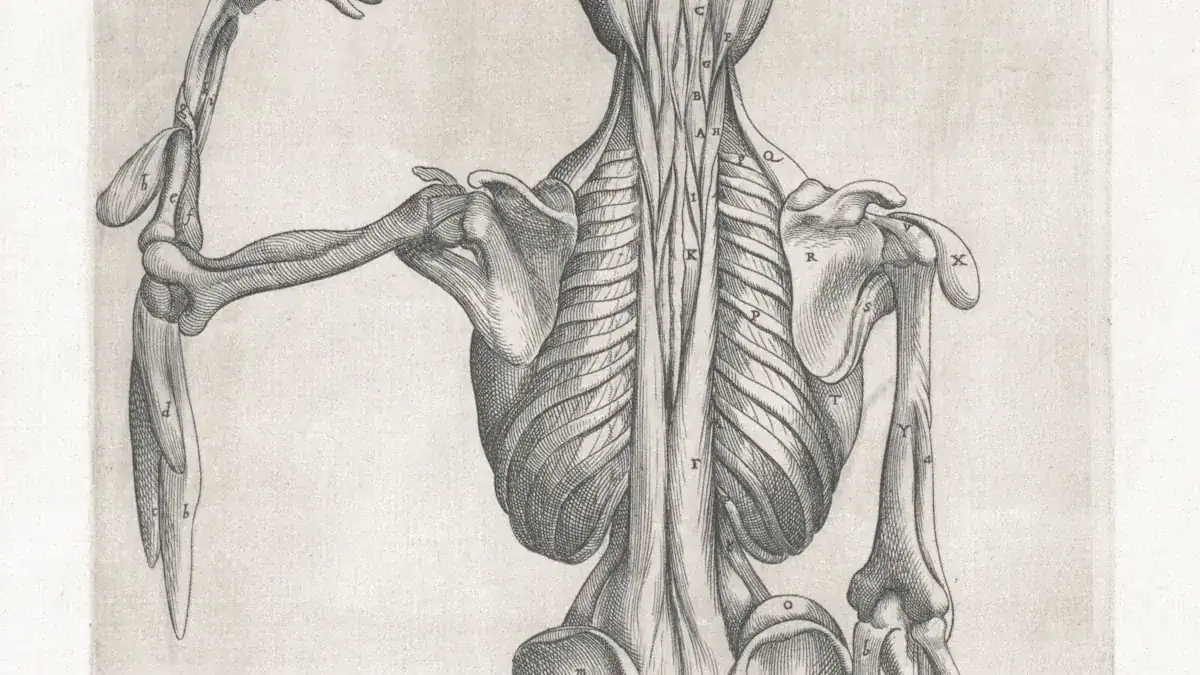
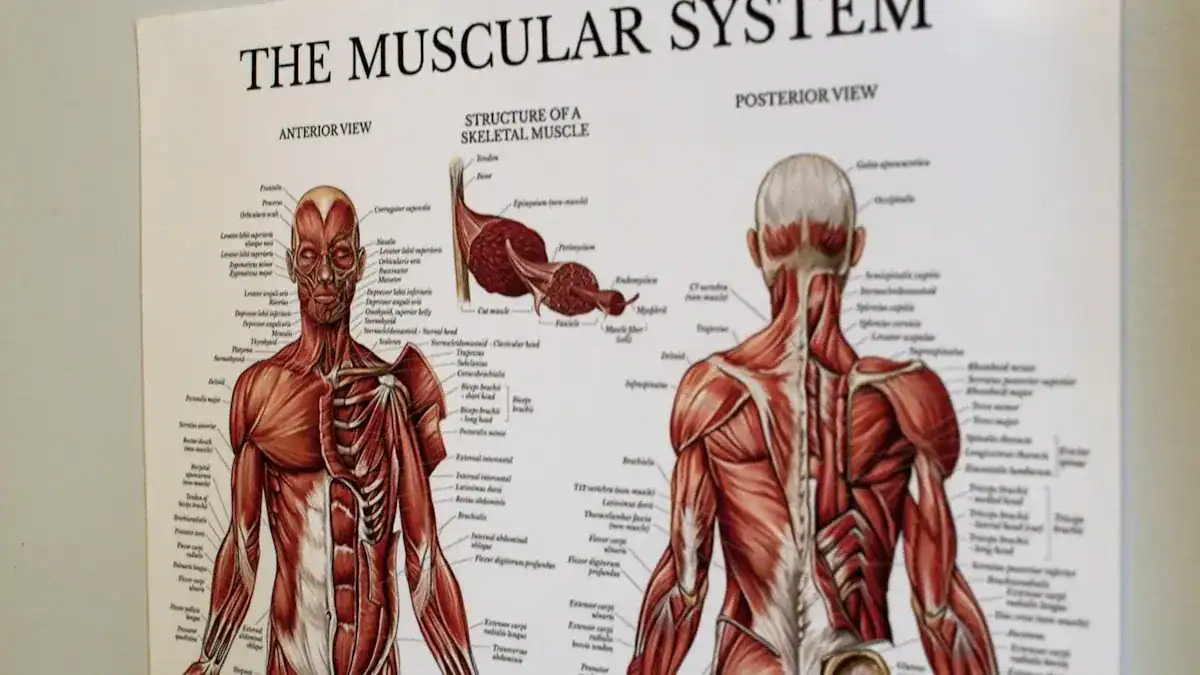
Your back is a complex structure. It contains many back muscles that work together. These back muscles are not just one big group. They arrange themselves in different layers. Think of it like an onion, with layers on top of each other. This layering helps your back perform many different movements. Understanding the anatomy of back muscles helps you appreciate their roles.
Layers of the Back Muscles
You can divide your back muscles into two main groups: extrinsic and intrinsic. These groups then have their own layers.
Extrinsic Muscles: These muscles are closer to the surface. They connect your spine to your limbs. They help you move your arms and shoulders.
Superficial Layer: This layer includes your traps (Trapezius) and lats (Latissimus dorsi). It also includes muscles like the Levator scapulae and Rhomboids.
Intermediate Layer: This layer has the Serratus posterior superior and Serratus posterior inferior muscles.
Intrinsic Muscles: These muscles lie deeper. They attach directly to your spine. They help you move and stabilize your spine itself.
Superficial Intrinsic Layer: You find muscles like the Splenius capitis and Splenius colli here.
Intermediate Intrinsic Layer: This layer includes the Erector spinae muscles (Spinalis, Longissimus, Iliocostalis).
Deep Intrinsic Layer: This layer contains very small, deep muscles like the Multifidus and Rotatores.
Extrinsic Back Muscles: Movement and Connection
The extrinsic muscles of the back primarily connect your spine to your upper limbs. They allow you to move your arms, shoulders, and shoulder blades. These muscles are important for many daily activities. You use them when you pull, lift, or reach.
The primary extrinsic back muscles include:
Superficial back muscles: These are your traps, lats, Levator scapulae, and the Rhomboids (major and minor). Your lats give your back its width. Your traps help you shrug your shoulders.
Intermediate back muscles: These include the Serratus posterior superior and Serratus posterior inferior. They help with breathing movements.
Intrinsic Back Muscles: Spinal Support
The intrinsic back muscles are different. They lie deep beneath the extrinsic muscles. These muscles attach directly to your vertebrae. They play a crucial role in supporting your spine. They help you maintain good posture. They also allow for small, precise movements of your spine. These deep muscles work constantly. They keep your spine stable as you move. Without them, your spine would be much less stable. They are essential for preventing injury and maintaining spinal health.
The Latissimus Dorsi (Lats): Power and Shape
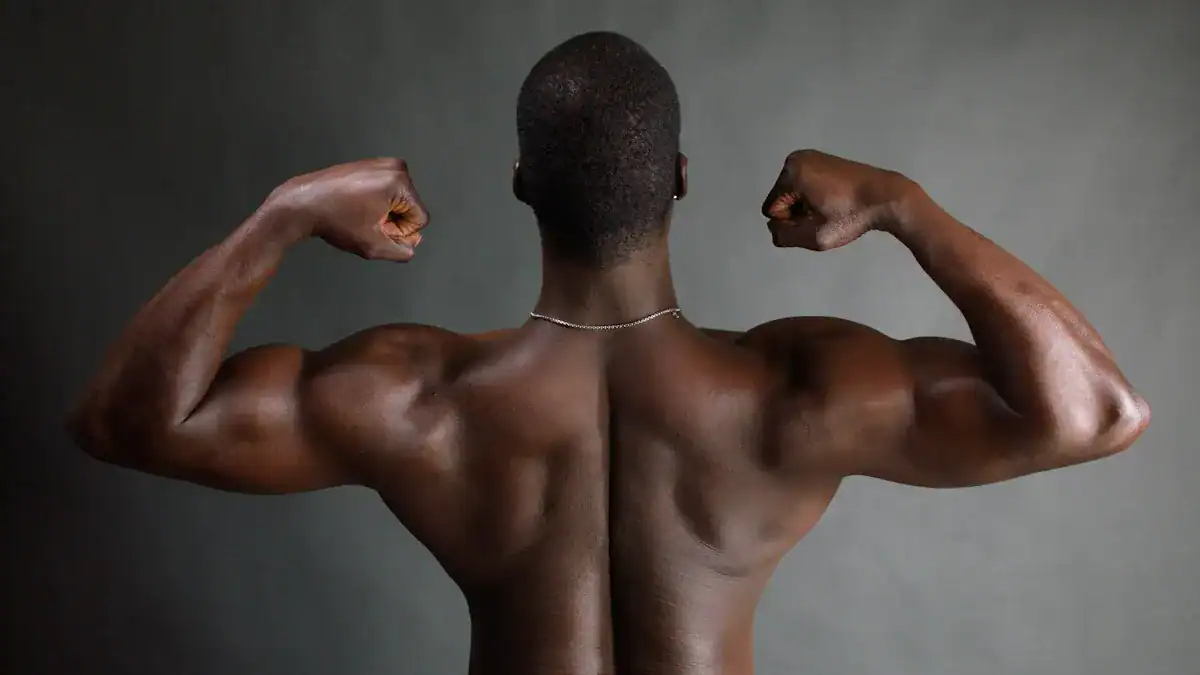
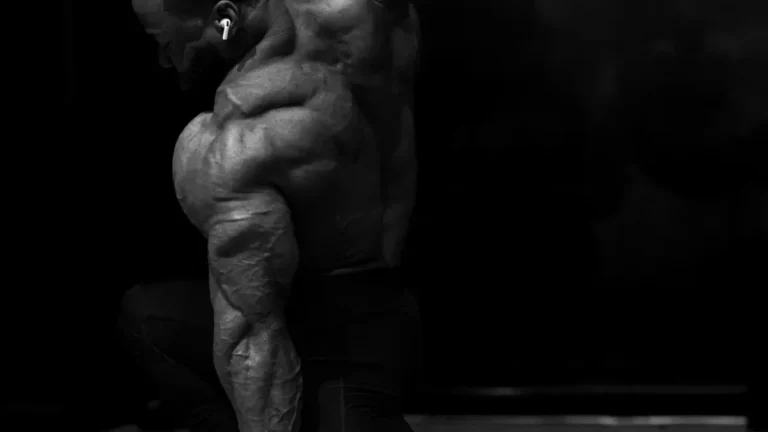
You have a large, flat muscle covering much of your lower and middle back. This muscle is the latissimus dorsi, often called the lats. The lats give your back its wide, V-shaped appearance. They are crucial for many powerful upper body movements. You use your lats every day, often without realizing it.
Lats Location and Structure
Your lats are the largest muscles in your upper body. They stretch from your spine and pelvis up to your arm. This broad muscle has several starting points, called origins.
The lats originate from the spinous processes of your seventh to twelfth thoracic vertebrae.
They also start from the spinous processes of your first to fifth lumbar vertebrae. This connection happens through a strong sheet of tissue called the thoracolumbar fascia.
You find origins on the external surfaces of your ninth to twelfth ribs.
The muscle also begins from the posterior half of your iliac crest, which is part of your hip bone.
Sometimes, the lats can even originate from the inferior angle of your scapula, or shoulder blade.
All these fibers come together. They form a thick tendon. This tendon then inserts onto the floor of the intertubercular sulcus of your humerus. The humerus is your upper arm bone. This insertion point sits between where your teres major and pectoralis major muscles attach.
Primary Functions of the Lats
Your lats perform several key actions at your shoulder joint. These actions allow you to move your arm in many ways.
Adduction: You bring your arm closer to your body.
Extension: You move your arm backward, away from the front of your body.
Medial (Internal) Rotation: You rotate your arm inward, turning your palm towards your body.
These actions make the lats essential for many daily tasks. They also help you with more athletic movements.
Role in Pulling and Arm Movements
The lats are your primary movers for many pulling actions. You use them when you pull something towards you. They help you lift objects. They also assist with rotating your body. Strong lats provide a solid base for your upper body. They generate power for many movements.
For example, when you do pull-ups, your lats work hard. They pull your body up towards the bar. In rowing motions, your lats pull the weight towards your torso. Deadlifts also heavily engage your lats to stabilize your spine and lift heavy weights. These pulling exercises build significant back strength. Your lats are crucial for these types of pulling exercises. They help you move your arms backward and bring them closer to your body. They also help rotate your arms inward during various pulling activities.
The Trapezius (Traps): Upper Back Control
Your upper back has a large, triangular muscle called the trapezius. Most people call it the traps. This muscle covers a wide area of your neck, shoulders, and upper back. The traps help you move your head, neck, and shoulder blades. They are essential for good posture and many arm movements.
Traps Muscle Divisions and Location
The traps muscle is not just one solid piece. It has three main parts. Each part works together but also has its own specific jobs. You can think of these divisions as:
Upper traps
Middle traps
Lower traps
These divisions also have more scientific names like Dorsoscapularis superior, Dorsoscapularis inferior, and Cleidooccipitalis. The traps start from the base of your skull and run down your spine. They then spread out to your shoulder blades and collarbones.
Upper Traps: Neck and Shoulder Movement
Your upper traps are the part you feel when you shrug your shoulders. These muscles do many important things. They:
Pull your collarbone backward and inward.
Help move your shoulder and distribute weight when you lift things.
Assist your head movement, working with other neck muscles.
Help move your shoulder blade with other muscles.
Lift your shoulder blade.
Keep your shoulders level against gravity, like when you carry a heavy bag.
Bend your head and neck to the side (when one side contracts).
Extend your head and neck backward (when both sides contract).
Help rotate your neck and tilt your head.
Assist in rotating your shoulder blade upward when you lift your arm to the side.
Middle and Lower Traps: Scapular Stability
The middle and lower parts of your traps are crucial for shoulder blade stability. They pull your shoulder blade directly backward. This action is called scapular retraction.
These parts also help rotate your shoulder blade outward. This outward rotation is very important when you lift your arm up or out to the side. It helps stop other muscles from pulling your shoulder blade too far forward or inward. The lower traps also work with another muscle, the serratus anterior, to rotate your shoulder blade upward. This happens especially when you start lifting your arm. Overall, your traps are a main stabilizer for your shoulder blade. They work with other muscles for smooth and stable movement.
Core Muscles: The Foundation of Spinal Health
Your core is more than just your abdominal muscles. It is a complex group of muscles. These muscles work together to support your spine. They help you move safely and efficiently. A strong core is vital for your overall health. It protects your lower back and helps with almost every movement you make.
Defining the Core: Beyond Abdominals
When you think of your core, you might only think of your “abs.” However, your core includes many different muscles. These muscles wrap around your torso. They act like a natural corset. Here are some key core muscles and what they do:
Action of the Trunk | Primary Muscles |
|---|---|
Trunk flexion | Rectus abdominis (trunk flexors) |
Trunk extension | Erector spinae (back extensors) |
Trunk rotation | Internal and external obliques |
Lateral trunk flexion | Obliques, one side of rectus abdominis and erector spinae |
Compression of the abdomen | Transverse abdominis |
Spinal stability | Multifidi |
Your core also includes muscles in your hips, pelvic floor, and diaphragm. All these muscles create a strong center for your body.
Erector Spinae: Spinal Extension and Posture
The erector spinae muscles are a group of strong back muscles. They run along your spine. When both sides of these muscles contract, they extend your spine. This means they help you straighten up or lean backward. They also play a big role in your posture. These muscles steady your spine on your pelvis. This happens when you walk or stand. They are important for keeping your spine stable.
Multifidus: Deep Spinal Stabilization
The multifidus muscle is a deep core muscle. It lies along your spine, especially in your lower back. This muscle provides crucial support for your spine. It offers three types of stabilization:
Segmental stabilization: It controls individual bones in your spine.
Intersegmental stabilization: It coordinates movement between nearby spinal bones.
Global stabilization: It helps control your entire spine. The multifidus works with other deep abdominal muscles. It keeps your lower back stiff and stable. This muscle also sends feedback to your brain. This helps your brain know where your spine is and how it moves. This feedback helps you maintain good posture and avoid injuries.
Integrated Core Support: Transversus Abdominis and Obliques
The transversus abdominis is your deepest abdominal muscle. It wraps around your abdomen like a wide belt. Its fibers run side-to-side. This muscle is very important for stabilizing your spine. It keeps your abdominal wall tight. It also increases pressure inside your abdomen. This supports your internal organs. It helps with actions like coughing or lifting. Strong transversus abdominis muscles protect your spine from injury. Your obliques (internal and external) also contribute. They help you twist your trunk and bend to the side. Together, these muscles give your core powerful, integrated support.
How Back Muscles Work Together
Your back is a complex system. Its many muscles do not work alone. They cooperate to create movement and stability. Understanding this teamwork helps you appreciate your body’s design.
Synergy of Lats, Traps, and Core
Your lats, traps, and core muscles work together. They create powerful and controlled movements. The latissimus dorsi helps extend your lumbar spine. It also assists with lateral flexion. When you perform horizontal pulling motions, like rows, you heavily recruit both your lats and traps. Your lats also help depress your arm. They assist with adduction, extension, and internal rotation of your shoulder. When you fix your arms overhead, your lats pull your trunk upward and forward.
These muscles are vital for many activities:
Sport/Activity | Agonist | Synergist(s) | Benefit |
|---|---|---|---|
Swimming (Freestyle) | Latissimus dorsi | Trapezius, Deltoids | Shoulder stability, injury prevention |
Weightlifting (Snatch, Clean & Jerk) | Quadriceps, Deltoids | Erector spinae, Trapezius | Spinal support & overhead control |
Impact on Posture and Spinal Alignment
Strong back muscles are crucial for spinal stability. They prevent problems like multifidus atrophy. This can happen quickly with chronic low back pain. Weak muscles of the back contribute to poor posture. Some muscles become too active and tight. Others become weak and dysfunctional. Scientific research shows specific exercises targeting deep stabilizing muscles are effective for chronic low back pain. Motor control training helps you relearn proper muscle activation for spinal stability.
Strengthening programs targeting weak muscles can improve imbalances and posture.
Stretching alone does not affect posture, according to research.
Strong back muscles are vital for good posture. They reduce pain. Weak core muscles, including those in your lower back, fail to support your spine. This leads to postural deviations. Strengthening exercises like planks, bridges, and back extensions build core stability. This supports proper posture throughout your day. You can better control posture with a strong core.
Enhancing Daily Movement and Performance
A strong back is crucial for athletes. It offers several key benefits:
Improved Posture: It helps maintain proper alignment. This reduces injury risk. It also enhances overall performance.
Enhanced Power Generation: Many athletic movements start from your back. This makes it a powerhouse for explosive actions.
Better Balance and Stability: A well-developed back contributes to core strength. This improves balance in various sports.
Injury Prevention: Strengthening back muscles supports your spine. It reduces the risk of common athletic injuries.
Increased Endurance: A strong back helps you maintain form during long training sessions or competitions.
Regular back mobility exercises significantly enhance daily movement and athletic performance. They do this by:
Alleviating Lower Back Pain: They reduce tension in tight muscles. They improve posture.
Preventing Muscle Imbalances: They avoid compensatory patterns that cause pain.
Reducing Risk of Sprains and Strains: A flexible spine adapts better to unexpected movements. It absorbs shocks.
Improving Movement Mechanics: They enable better form. This is especially true in rotational or complex multi-joint movements.
Supporting Core Strength and Stability: They engage core muscles. These are vital for dynamic movements.
Correcting Postural Imbalances: They maintain natural spinal curves. They promote proper posture.
Enhancing Breathing and Core Engagement: A well-aligned spine allows for better breathing and core stability. This is crucial for both athletic performance and daily living.
Understanding and strengthening your back muscles is vital. This includes your trapezius, latissimus dorsi, rhomboids, erector spinae, and teres major. These muscles collectively support posture, spinal alignment, and upper body movement. You can reduce back pain by targeting them in your training. You can improve strength. You can enhance athletic performance. This leads to better daily mobility and overall body support.
Common Issues Affecting Back Muscles
Your back muscles work hard every day. Sometimes, you might experience problems. These issues can cause pain and limit your movement. Understanding these common problems helps you protect your back.
Strains, Spasms, and Muscle Imbalances
You can experience different types of back muscle injuries. Muscle strains happen when you abnormally stretch or tear muscle fibers. Sprains occur when ligaments tear from their attachments. Both can result from sudden injury or gradual overuse. Common back muscle injuries include strains and spasms.
Several things cause muscle strains and spasms. You might overuse your muscles or injure them. Not drinking enough fluids, or dehydration, can lead to spasms. Low levels of minerals like potassium, calcium, and magnesium, known as electrolyte imbalances, also contribute. Poor posture, like sitting incorrectly for long periods, strains your back. Pressure on nerves in your spine, or nerve compression, can also cause spasms. Sometimes, your muscles spasm to protect themselves after any strain or injury to soft tissues in your spine. If spasms last longer than one to two weeks, or keep coming back, they might point to underlying problems. These include facet joint osteoarthritis, degenerative disc disease, spinal stenosis, or a herniated disc.
Muscle imbalances also affect your back. A sedentary lifestyle can weaken your back muscles, especially those supporting your core and lower back. This leads to imbalances. For example, research suggests a link between weak gluteus medius muscles and chronic lower back pain. Imbalanced muscles can cause poor posture, like an anterior pelvic tilt. They also put extra stress on your joints and ligaments. This increases your risk of strains, sprains, and other back muscle injuries.
Postural Problems and Their Effects
Your posture significantly impacts your back health. Many common postural problems affect your back. These include lordosis, sway-back, round back (kyphosis), flat back, and scoliosis. Lordosis means your pelvis tilts too far forward, and your lower back curve increases. Your spine often moves forward with it. Scoliosis is a common disorder where your spine has a rotational curve. Severe scoliosis can cause significant deformity. These postural issues place uneven stress on your spine and muscles. This can lead to pain and discomfort in your upper back and lower back.
Preventing Back Pain and Injury
You can take steps to prevent back pain and injury. Use proper technique and movement patterns. For example, engage your legs when you lift. This reduces strain on your spine. Always warm up before activity and cool down afterward. This prepares your muscles and helps them recover. Improve your flexibility and mobility. Flexible hip flexors and hamstrings reduce stress on your lower back.
Maintain a healthy weight. Extra weight on your upper body adds stress to your spine. Keep your core strong. Strong core muscles reduce stress and instability on your spine.
Improve your bone health with enough calcium and vitamin D. Avoid lifting heavy loads. When you lift, use your legs, not your back. Be aware of prolonged sitting. Maintain good posture and consider a standing desk. Quit smoking, as it reduces blood flow to your spine. At work, use ergonomic equipment. Take stretch breaks. These actions help you keep your back healthy and strong.
Strengthening and Caring for Your Back
You can actively strengthen and care for your back. This helps prevent pain and improve your daily life. A consistent back workout routine is key. It builds resilience in your back muscles.
Effective Exercises for Lats and Traps
To build strong lats and traps, you need specific exercises. For your lats, try the Lawnmower Row. You start standing, hold a dumbbell, and hinge forward. Then, pull the weight towards your hip, driving your elbow past your torso.
Other effective back training exercises for your lats include pull-ups, dumbbell rows, and seated rows with resistance bands. For your traps, shoulder shrugs are excellent. You lift your shoulders towards your ears and hold for five seconds. Neck retractions also help your upper back. You draw your head back, aligning your ears with your shoulders. Scapular squeezes strengthen your middle traps by squeezing your shoulder blades together. These are some of the best back exercises for these muscle groups.
Core Strengthening for Spinal Support
A strong core is vital for spinal health. It supports your lower back. Beginner core exercises include planks and bridges. You can also try a transverse abdominal contraction. For mid-level core strength, try heel taps or the dead bug. Advanced exercises include hanging leg raises or ab wheel rollouts. These exercises help stabilize your spine and protect your lower back. Regular core back training is crucial for overall back health.
Flexibility, Mobility, and Ergonomics
Flexibility training greatly benefits your back. It improves posture by lengthening muscles and enhancing joint mobility. Stretching tight muscles, especially in your lower back and hips, relieves tension. This supports overall body mechanics. For daily activities, maintain a neutral posture. This means aligning your body to minimize stress. Position computer monitors at eye level. Use ergonomic furniture like adjustable chairs. Take regular breaks to stretch and move during your back workout.
When to Consult a Professional
You should know when to seek professional help for back issues. If you have shooting leg pain or numbness in your toes, consult a doctor. Severe back pain that lasts for several weeks is a red flag. Also, seek help if back pain comes with bowel or bladder problems. Sudden or severe headaches, neurological issues, or vision problems also warrant a professional visit. Excessive morning back pain and stiffness are other indicators.
Your lats, traps, and core are vital for a healthy, functional back. You now understand their anatomy and how they work together. These essential back muscles provide power, stability, and control for all your movements. Prioritize your back health through mindful movement, regular exercise, and proper care. You can take control of your back health for a better quality of life.
FAQ
What are the main functions of your lats?
Your lats help you pull your arms down and back. They also rotate your arms inward. These muscles are important for many pulling movements. You use them when you lift things or do pull-ups.
How do your traps help your shoulders?
Your traps control your shoulder blades. They help you shrug your shoulders up. They also pull your shoulder blades back and down. This keeps your shoulders stable.
What does your core do for your spine?
Your core muscles support your spine. They act like a natural brace. A strong core helps you stand tall. It also protects your lower back from injury.
Why is good posture important for your back?
Good posture keeps your spine aligned. It reduces stress on your back muscles. This prevents pain and discomfort. It also helps your body move more efficiently.
What causes back muscle strains?
You can strain your back muscles by overusing them. Sudden movements or heavy lifting can also cause strains. Dehydration and poor posture contribute to these issues.