You probably link nicotine only to tobacco. But what if we told you many healthy foods you enjoy daily also contain nicotine? This surprising fact might make you wonder. Which common foods contain this chemical, and why is nicotine present in them? Discover the unexpected truth about nicotine in food. We will explore the science behind this phenomenon and address any concerns you might have about foods that contain nicotine.
Key Takeaways
Many common foods, like tomatoes, potatoes, and eggplants, naturally contain nicotine.
Plants make nicotine to protect themselves from insects, acting like a natural bug spray.
The amount of nicotine in food is very small, much less than in tobacco, so it is not harmful.
You cannot get addicted to nicotine from eating these foods because the levels are too low.
Eating foods with nicotine, like peppers, might even help lower the risk of some diseases.
Nicotine: A Plant’s Defense
What is Nicotine
Nicotine is a fascinating chemical. It has the chemical formula C10H14N2. You might not know that nicotine is an organic compound. It is also an alkaloid. Alkaloids are a group of naturally occurring chemical compounds. Many plants produce nicotine.
Nightshade Family Connection
You often hear about nicotine in tobacco. Tobacco plants belong to a group called the Solanaceae family. This family is also known as the nightshade family. Many common foods you eat come from this family. These include:
🍅 Tomatoes
🍆 Eggplants
🥔 Potatoes
🌶️ Peppers
All these plants contain nicotine. However, their nicotine levels are very low. Did you know that other plants also contain nicotine? These are not nightshade plants. Examples include cauliflower, celery, and papaya. These are also natural sources of nicotine.
Why Plants Produce It
Plants do not produce nicotine for your enjoyment. They make nicotine as a defense. It protects them from insects. When insects try to eat a plant, the plant makes more nicotine. This chemical acts like a natural pesticide. Plants make nicotine in their roots. Then, they send it up to their leaves. This helps protect the leaves from hungry pests. This defense role is why people once used nicotine as a pesticide. Nicotine is a secondary metabolite. This means it helps the plant survive. It is not needed for growth. It helps plants fight off threats.
Foods That Contain Nicotine
You might be surprised to learn about the many foods that contain nicotine. These are common items you likely eat every day. The amounts are very small, but the presence of nicotine in food is a fascinating fact.
Nightshade Vegetables
Many vegetables from the nightshade family contain nicotine. You already know about some of them.
Tomatoes: You enjoy tomatoes in many dishes. They contain nicotine. Ripe tomatoes have about 7 micrograms of nicotine per gram.
Item
Nicotine Concentration (μg/g)
Tomatoes
Approximately 7
Unripe tomatoes often have higher levels. The nicotine in tomatoes decreases as they ripen. A ripe tomato typically has about 4.3 nanograms per gram.
Potatoes: Potatoes are another staple food. They also contain nicotine. The amount of nicotine in potatoes can vary.
Potato Type
Nicotine Concentration (μg/gram)
Ripe
Approximately 15
Green
Up to 45
Green, unripe potatoes have more nicotine in potatoes than ripe ones.
Eggplants: Eggplants stand out among nightshade vegetables. They have a higher concentration of nicotine. Eggplants typically contain about 100 micrograms of nicotine per gram of fresh weight. This makes them one of the highest nicotine in vegetables sources. A medium-sized eggplant, weighing 250 grams, could contain around 25,000 micrograms of nicotine.
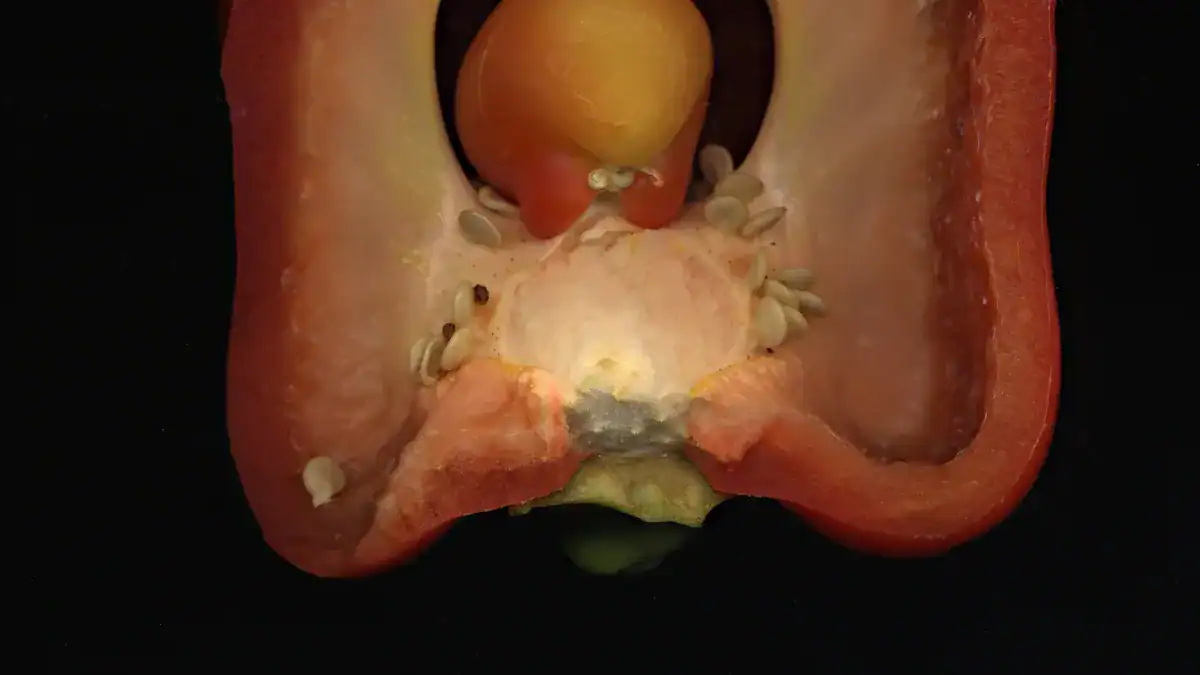
Green Peppers: Green peppers are also part of the nightshade family. They contain trace amounts of nicotine, similar to other nightshade vegetables.
Other Unexpected Sources
Beyond nightshades, you find nicotine in other foods that contain nicotine.
Cauliflower: This popular vegetable also contains nicotine. Cauliflower has about 16.8 micrograms of nicotine per gram. A small cauliflower, weighing 150 grams, can contain around 2,400 micrograms of nicotine.
Okra: Okra is another vegetable that contains trace amounts of nicotine.
Black Tea: You might not expect nicotine in tea. However, black tea contains nicotine. The amount varies by origin and type.
Tea Type
Origin
Nicotine Content Range (μg g−1 DW)
Average Nicotine Content (μg g−1 DW)
Black Tea
Overall
0.024–0.694
0.274
Black Tea
Assam, India
0.246–0.449
0.331
Black Tea
Darjeeling, India
0.100–0.694
0.273
Black tea can contain up to 0.7 micrograms of nicotine per gram of dry weight. This is a very small amount.
Sunflower Seeds: These popular snacks also contain tiny amounts of nicotine.
Spinach: Spinach contains very little nicotine. It has less than 0.000001 milligrams of nicotine per gram. This amount is usually present only when farmers use certain fertilizers. Spinach is actually known to help lower nicotine levels in the body.
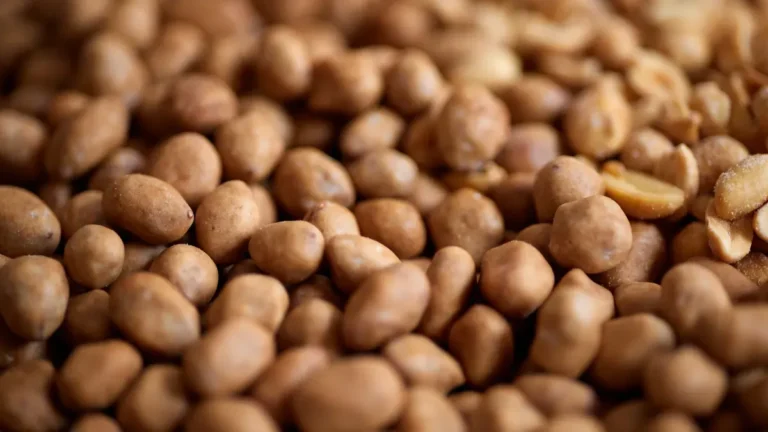
Nuts: Some nuts contain nicotine. Cashews have about 5.2 micrograms of nicotine per gram. Other nuts also have trace amounts. Cashews have the highest concentrations among nuts. This nicotine develops naturally as a pesticide. The amount is very small. You would need to eat about 2,000 grams of cashews to get the same amount of nicotine as in one cigarette.
Nicotine in Food vs. Tobacco

You now know that many foods contain nicotine. It is important to understand the big difference between the nicotine in food and the nicotine in tobacco. This comparison helps you see why food nicotine is not a concern.
Measuring Dietary Nicotine
Scientists measure the amount of nicotine in food very carefully. They find that the levels are extremely low. Your daily dietary nicotine intake is tiny. It is three orders of magnitude lower than the nicotine you absorb from just one cigarette. This means you would need to eat a huge amount of these foods to get even a fraction of the nicotine from a single cigarette. The nicotine in food is simply not enough to affect your body like tobacco nicotine does.
Tobacco Nicotine Levels
Tobacco products contain much higher levels of nicotine. A typical cigarette generally contains between 11.9 and 14.5 mg of nicotine. This amount can differ greatly across various brands. Some brands can even contain as much as 28 mg. When you smoke, your body absorbs a significant portion of this nicotine. This is a very different situation from eating a tomato or a potato.
Health Impact Comparison
The difference in nicotine levels between food and tobacco is vast. Consider peppers. They can have a greater dry-weight concentration of nicotine compared to tomatoes and potatoes. However, this is still tiny when you compare it to tobacco. Nicotine concentrations in tobacco leaves range from 0.9% to 3.6% of total dry leaves weight. Nicotine constitutes 0.3% to 5% of the tobacco plant by dry weight. In contrast, you find nicotine in much lower quantities in green pepper.
The health impact of nicotine in food is also very different. The small amounts of nicotine you get from food do not harm you. In fact, some studies suggest potential benefits. A large study found that a higher dietary nicotine intake was linked to a lower risk of Parkinson’s disease (PD). This was especially true for women. Women who ate peppers at least five times per week showed a 52% lower PD risk. This was compared to those who ate them three times per month or less. This shows that the nicotine in food is not only harmless but might even offer some protection. You can enjoy your healthy foods without worry.
Cooking, Benefits, and Myths
Cooking Effects on Nicotine
You might wonder if cooking changes the nicotine in your food. The good news is, cooking does not significantly alter the tiny amounts of nicotine found in these foods. You can prepare your tomatoes, potatoes, and eggplants as you normally would. Baking, boiling, frying, or roasting these vegetables will not remove the trace nicotine. The levels remain extremely low. So, you do not need to change your cooking habits for these healthy ingredients.
Potential Minor Benefits
You now know that many common foods contain nicotine. You might ask if these small amounts offer any benefits. Some scientific studies suggest very low doses of nicotine could have minor health effects. For instance, plants in the Solanaceae family, such as potatoes, tomatoes, and eggplant, naturally contain nicotine. The amount of nicotine in these foods is too small to cause addiction when you consume them. This is especially true when you compare it to tobacco. The way you consume it, by eating versus smoking, also plays a big role. You get nutrients from these foods. Any potential effect from the trace nicotine is very subtle.
Common Misconceptions
You may have heard many things about nicotine. It is important to clear up some common myths about nicotine in food. First, you cannot get addicted to the nicotine in vegetables or other foods. The amounts are simply too small. You would need to eat an impossible amount of these foods to feel any effect. Second, the nicotine in food does not come with the harmful chemicals found in tobacco smoke. When you eat a tomato, you get vitamins and fiber. You do not get tar or carbon monoxide. These foods are healthy and safe. You should continue to enjoy them as part of your balanced diet.
You now understand that while foods that contain nicotine exist, the amounts are incredibly small. These nutritious items, like tomatoes and potatoes, remain vital for your healthy diet. The nicotine in food is negligible compared to tobacco. You absorb very little nicotine in food from these sources. You can confidently enjoy these common foods, knowing they offer health benefits without any risk from trace amounts.
FAQ
What foods contain nicotine?
You find nicotine in many common foods. These include nightshade vegetables like tomatoes, potatoes, eggplants, and green peppers. Other sources are cauliflower, okra, black tea, sunflower seeds, and some nuts like cashews. 🌱
What is the amount of nicotine in these foods?
The amount of nicotine in food is very small. For example, a ripe tomato has about 7 micrograms per gram. Eggplants have a bit more, around 100 micrograms per gram. These levels are tiny compared to tobacco. 🤏
What is the difference between food nicotine and tobacco nicotine?
You get vastly different amounts. Food nicotine is in microgram levels. Tobacco nicotine is in milligram levels. Your body absorbs much more nicotine from tobacco. The nicotine in food does not cause addiction. 🍎 vs. 🚬
What are nightshade vegetables?
Nightshade vegetables belong to the Solanaceae plant family. This family includes tomatoes, potatoes, eggplants, and peppers. These plants naturally produce nicotine as a defense against insects. You eat many of these healthy vegetables regularly. 🍆🍅🥔🌶️
What are the health effects of nicotine in food?
You experience no harmful health effects from the nicotine in food. The amounts are too small to impact your body. These foods are nutritious. Some studies even suggest potential minor benefits, like a lower risk of Parkinson’s disease. You can enjoy them safely. ✅