You might experience histamine intolerance. This is not a food allergy. Instead, your body has trouble breaking down histamine efficiently. Histamine is common in many foods. Your body also naturally produces it. Up to 3% of people globally experience histamine intolerance symptoms, often women around 40. This blog helps you identify foods that trigger histamine response. You can then manage your symptoms through diet. Knowing what you eat improves your well-being.
Key Takeaways
Histamine intolerance happens when your body cannot break down histamine well. This is not a food allergy. It causes many symptoms.
Many foods can trigger histamine issues. These include aged cheeses, fermented foods, cured meats, and some fish. Some foods also make your body release its own histamine.
Your body uses an enzyme called DAO to break down histamine. Some foods and drinks, like alcohol and certain teas, can stop DAO from working. This makes histamine build up.
You can manage histamine intolerance with a low-histamine diet. Eat fresh foods. Avoid leftovers. Keep a food diary to find your personal triggers.
Talk to a doctor or dietitian for help. They can guide you. They can also suggest supplements like DAO enzymes to help manage your symptoms.
Understanding Histamine Intolerance
What is Histamine: Role and Function
Histamine is a chemical your body naturally produces. It also exists in many foods. This chemical plays many roles in your body. It helps with at least 23 different body functions. For example, histamine helps control your blood pressure. It makes your blood vessels wider.
This can cause them to leak a little. This process helps with inflammation. Histamine also acts as a messenger in your brain. It helps regulate your sleep and wake cycles. It is a key player in allergic reactions.
Why Histamine Intolerance Occurs
You experience histamine intolerance when your body cannot break down histamine efficiently. Your body uses an enzyme called Diamine Oxidase (DAO) to break down histamine.
If you have histamine intolerance, your body either does not make enough DAO, or the DAO enzyme does not work correctly. Genetic factors can cause this. Specific gene changes can reduce how much DAO your body produces. An impaired enzyme system is a significant cause. Also, certain things you consume can block DAO. These include alcohol, black tea, and some medicines. These factors increase the amount of histamine in your body. This leads to symptoms.
Common Symptoms of Histamine Response
When your body has too much histamine, you will notice various symptoms. These symptoms can affect different parts of your body. You might experience skin issues. Itchy skin and hives are common dermatological symptoms. You can also have digestive problems.
Bloating is a very frequent symptom. You might also feel stomach pain or cramping. Diarrhea or constipation can occur. Some people feel nauseous or vomit. Excessive gas is another common sign. These symptoms show your body is reacting to the excess histamine. Understanding these signs helps you identify foods that trigger histamine response.
Common High-Histamine Foods to Limit
You need to know which foods that trigger histamine response to manage your symptoms. Many common items in your diet can be high-histamine foods. These are often foods to avoid if you have histamine intolerance. You will find that foods undergoing aging or fermentation typically have high histamine levels.
Aged and Fermented Foods
Aging and fermentation processes create many high-histamine foods. Microbes break down amino acids in these foods. This process produces histamine.
Aged Cheeses: You should be careful with aged cheeses. They are often very high in histamine.
Gouda cheese can have histamine levels from 850 to 1,870 mg/kg.
Other cheeses can reach up to 2,500 mg/kg.
Gorgonzola Piccante, when stored at 22°C, showed a mean histamine content of 730.47 mg/kg.
Parmigiano Reggiano, Sbrinz, and other well-aged Alpine-style cheeses are also histamine-rich foods.
Blue cheeses are another example of aged cheeses you should limit.
Fermented Vegetables: Some fermented vegetables can also be problematic.
Kimchi that includes fish paste can be high in histamine.
Sauerkraut samples made with dairy whey added also contain higher histamine.
Fermented vegetables made only from vegetables, salt, water, and spices usually do not have high histamine. They lack the precursor amino acid histidine. However, adding animal ingredients like fish paste or dairy whey introduces histidine. Microbes then convert this into histamine.
Cured and Processed Meats
Curing and processing meats also increase their histamine content. These methods involve fermentation or aging.
Salami: This processed meat is a common source of histamine.
Dried Sausage: You should limit dried sausages. They undergo processes that raise histamine levels.
Aged Beef: Beef that has been aged for flavor also becomes a histamine-rich food.
Certain Fish and Seafood
Freshness is key when it comes to fish and histamine. Fish can quickly become high in histamine if not handled properly.
Scombroid Fish: You should be especially careful with scombroid fish.
Mackerel, tuna, and bonito are known to accumulate high histamine levels.
Mackerel, for example, showed histamine levels from 1.5 ppm to 86 ppm in one study. Levels were higher when purchased later in the day.
Bonito also had histamine levels from 1.7 ppm to 6.4 ppm.
Non-Scombroid Fish: Some non-scombroid fish can also accumulate high histamine levels.
Mahi-mahi and anchovies are examples of high-histamine seafood.
Always choose the freshest fish possible. Avoid fish that is not fresh.
Alcoholic Beverages
Alcoholic beverages are another category of foods high in histamine. Fermentation processes create biogenic amines, including histamine.
Red Wine: This is particularly high in histamine and sulfites.
Beer and Cider: These beverages are generally unsuitable for a low-histamine diet. Fermentation byproducts contribute to their histamine content.
Aged Liquors: Whiskey, bourbon, and scotch are noted for their high histamine content.
Wines, beers, and other alcoholic beverages contain substantial amounts of histamine. Biogenic amines, including histamine, form during malolactic fermentation in wine, champagne, and fruit juice.
Foods That Trigger Histamine Release
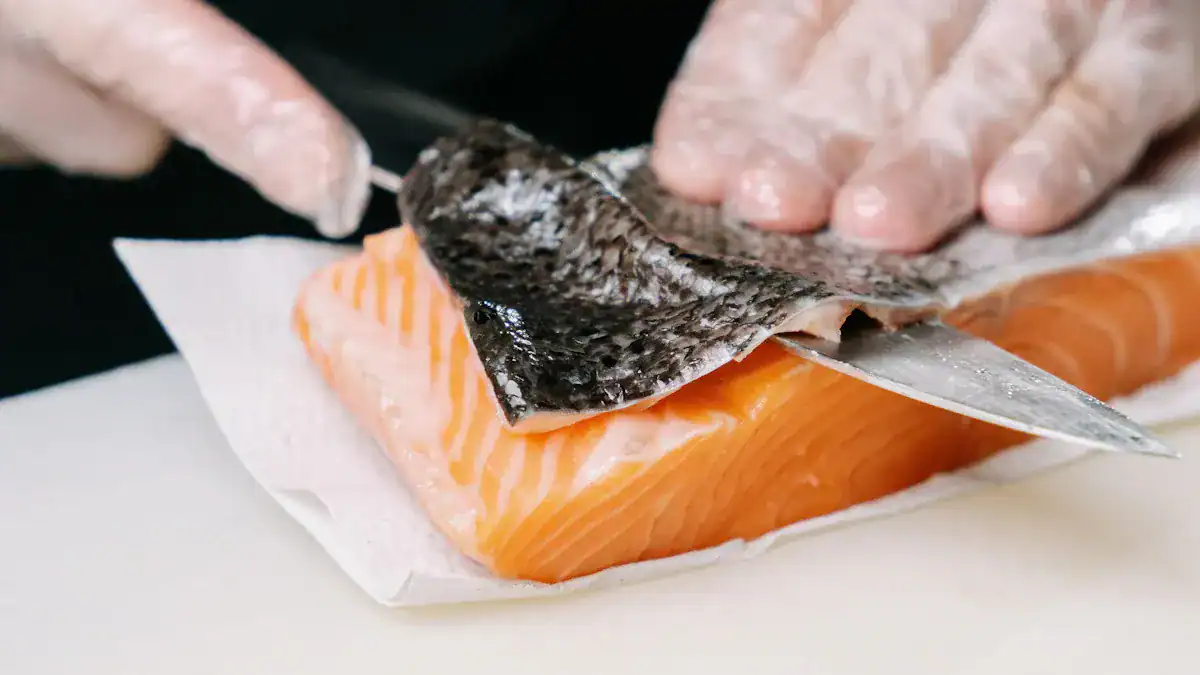
Some foods do not contain much histamine themselves. Instead, they cause your body to release its own histamine. This can lead to symptoms even if the food is not high in histamine. You need to understand these foods that trigger histamine response. They prompt your mast cells to release histamine already stored in your body. This process can quickly increase your body’s histamine levels.
Fruits and Vegetables
Certain fruits and vegetables can act as histamine releasers. This means they prompt your body to release its stored histamine. You might find that citrus fruits, like oranges, lemons, and limes, cause issues.
Tomatoes are another common trigger for many people.
Spinach can also make your body release histamine. Other high-histamine vegetables include eggplant.
Among high-histamine fruits, you should watch out for bananas, papayas, pineapple, strawberries , avocado , and cherries . These items are not necessarily histamine-rich foods themselves.
They simply tell your body to release its own supply, contributing to your symptoms. Pay close attention to how your body reacts after eating these.
Other Histamine Releasers
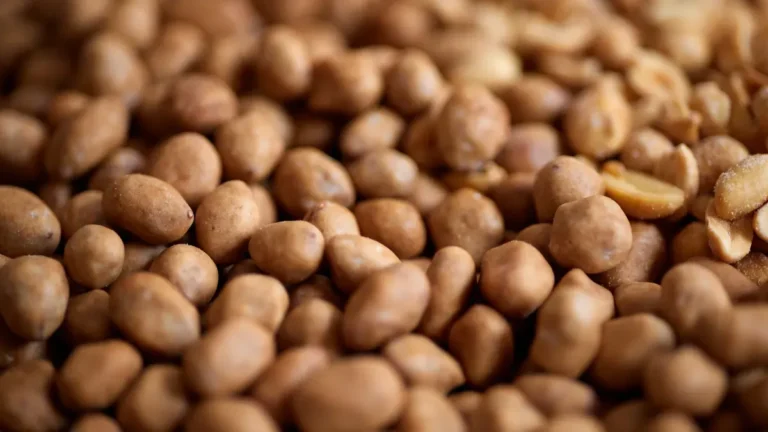
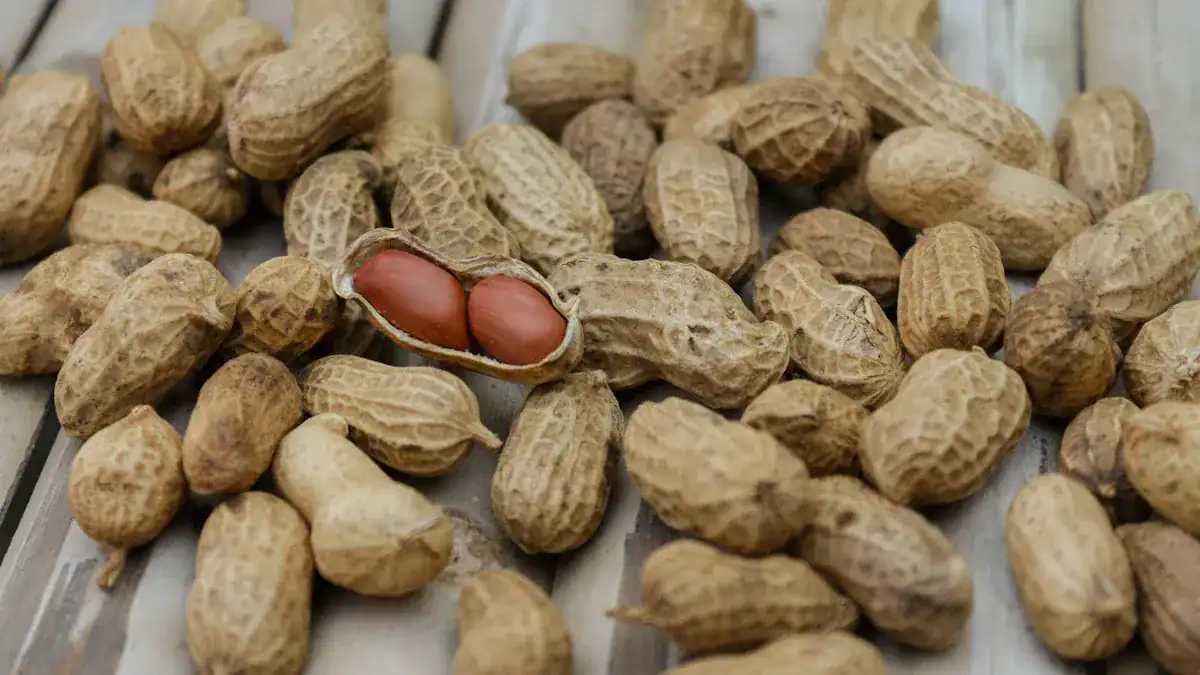
Beyond fruits and vegetables, other items can trigger histamine release. Soybeans and all soy products are common culprits. This includes tofu, soy milk, and edamame. Certain nuts, such as walnuts, cashews, and peanuts, can also cause your body to release histamine.
Shellfish, while sometimes high in histamine content due to improper storage, can also act as a direct releaser. This means your body reacts to them by releasing its own histamine. Food additives, like artificial colors, preservatives, and flavor enhancers (such as MSG), often trigger histamine release. You should also be aware of chocolate and cocoa.
These items can make your body release its own histamine, adding to your overall histamine load. Identifying these hidden triggers is crucial for managing your histamine intolerance.
Foods That Block DAO Enzyme Activity
You now understand that your body uses an enzyme called Diamine Oxidase (DAO) to break down histamine.
If you have histamine intolerance, your body struggles to produce enough DAO or your DAO does not work well. Certain foods and substances can actively block this important enzyme.
When you consume these items, they prevent DAO from doing its job. This means histamine builds up in your body, even if you eat foods that are not high in histamine. You need to identify these DAO inhibitors to manage your symptoms effectively.
Alcohol and Caffeinated Drinks
Alcohol is a significant DAO inhibitor. When you drink alcohol, it directly interferes with DAO activity. This means your body cannot break down histamine efficiently.
Alcohol also causes your body to release its own histamine. This double effect makes alcoholic beverages particularly problematic for histamine intolerance. You should limit or avoid them.
Caffeinated drinks also pose a challenge. Black tea, green tea, and energy drinks contain compounds that can inhibit DAO. You might notice symptoms worsen after consuming these beverages.
Other DAO Inhibitors
Many other substances can block your DAO enzyme. Some medications you take might also inhibit DAO. You should be aware of these potential interactions.
DAO Inhibitor | Category | Notes |
|---|---|---|
Alcohol | Beverage | Can interfere with DAO action and provoke histamine release. |
NSAIDs (Nonsteroidal Anti-Inflammatory Drugs) | Medication | Includes ibuprofen and aspirin, used for pain and inflammation. |
Opiates | Medication | Powerful pain-relieving drugs like morphine and codeine. |
Polymyxin | Antibiotic | Used for certain bacterial infections. |
Clavulanic Acid | Antibiotic | Often combined with other antibiotics to enhance effectiveness. |
Neomycin | Antibiotic | Reduces bacterial infection risk during surgery. |
You can see that various medications, including common pain relievers and antibiotics, can reduce DAO activity. This means even if you avoid histamine-rich foods, these inhibitors can still cause histamine to accumulate. Always discuss your medications with your doctor if you suspect histamine intolerance.
Diagnosing Histamine Intolerance
Understanding if you have histamine intolerance requires careful steps. You can use several methods to identify this condition. These approaches help you pinpoint your specific triggers.
The Elimination Diet Approach
An elimination diet is often the first step. You remove foods that might cause problems. This diet helps you see how your body reacts. It typically has two main phases.
Phase 1: Elimination
This phase usually lasts 2 to 4 weeks.
You remove all known high-histamine foods. This includes fermented foods, aged cheese, and processed meats.
You focus on fresh, low-histamine alternatives. This allows your body to reset. It reduces your overall histamine load.
Phase 2: Reintroduction
You slowly add foods back into your diet.
You reintroduce one high-histamine food at a time.
You watch for symptoms for 2 to 4 days.
This helps you find your personal histamine threshold. You learn how much of a food you can eat without symptoms. This phase helps you build a sustainable low histamine diet.
Keeping a Food and Symptom Diary
A food and symptom diary is a powerful tool. You record everything you eat and drink. You also note any symptoms you experience. Write down when symptoms appear and how severe they are. This diary helps you connect specific foods to your reactions. It provides valuable information for you and your healthcare provider. This record helps you identify your unique food triggers.
Implementing a Low Histamine Diet
You can manage histamine intolerance effectively. You need to follow specific principles for a low histamine diet. This approach helps you reduce symptoms and improve your well-being.
Principles of a Low Histamine Diet
You can manage histamine intolerance effectively. You need to follow specific principles for a low histamine diet. First, prioritize fresh, whole, and unprocessed foods. Fermented, cured, or aged foods contain higher histamine levels. This happens because of bacterial breakdown. Always choose foods at their peak freshness.
Avoid overly ripe produce. Second, mindful food storage is crucial. Proper storage minimizes bacterial growth. Refrigeration and freezing are excellent methods. You should generally avoid canned and shelf-stable items. Third, home cooking is key.
The way you prepare food impacts histamine levels. For example, grilling produces more histamine than braising or steaming. Cooking at home gives you control over ingredients, storage, and preparation techniques. This control is difficult when you eat out.
Finally, maintain a food diary. Histamine intolerance reactions vary based on your individual histamine levels.
Tracking your food intake, quantities, and any symptoms helps you identify personal triggers. Begin with a strict low histamine diet for 4 to 6 weeks. This helps stabilize your symptoms. Then, gradually reintroduce foods. This process helps you identify your specific triggers.
You must also carefully read food labels. This helps you find hidden additives or ingredients. Look for malt, vinegar, and artificial colors in processed foods. Stay hydrated with still mineral water or herbal teas.
Avoid carbonated or caffeinated beverages. Address non-food triggers too. Stress, hormonal cycles, and environmental toxins can also affect you. Support your gut health. Incorporate low-histamine prebiotic and probiotic foods. Cooked and cooled rice or fresh yogurt are good examples. Avoid gut irritants.
Meal Planning and Shopping Tips
Effective meal planning helps you succeed with a low-histamine diet. Utilize meal planning tools and recipes. Look for those specifically designed for a low-histamine diet. Filter user profiles for ‘Low-Histamine Diet’ and other relevant dietary exclusions.
Plan weekly meals using search and filter tools. Focus on freshly prepared ingredients. Refrigerate or freeze meals immediately. Avoid leftovers sitting for more than 24 hours. Track symptoms in a food and symptom journal. This helps you identify individual responses. Maintain flexibility and curiosity. Your individual histamine thresholds vary.
Here are some foods to avoid:
High-Histamine Foods: Aged cheese, fermented dairy/vegetables, vinegars, cured/smoked meats, canned fish, alcohol, store-bought broths, tomatoes, spinach, eggplant, avocado, mushrooms, leftovers not promptly frozen.
Histamine-Liberators: Shellfish, citrus fruits, strawberries, nuts (walnuts, cashews), chocolate.
DAO Inhibitors: Alcohol, black/green tea, energy drinks, bananas, pineapple, kiwi, raspberries, legumes (soy, peanuts).
Here are some foods to eat:
Fresh meats (chicken, turkey, lamb, beef, pork), fresh fish (wild salmon, cod, halibut), eggs.
Fresh unfermented dairy (test your tolerance).
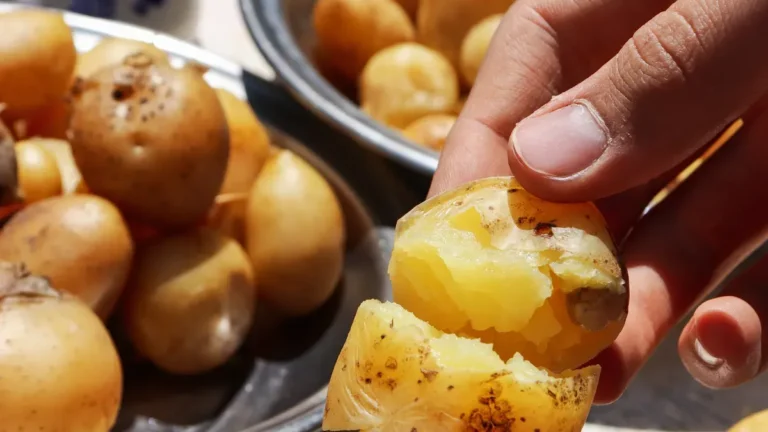
Gluten-free grains (quinoa, rice, millet), starches (potatoes, sweet potatoes).
Fresh fruits (blueberries, apples, mango, watermelon).
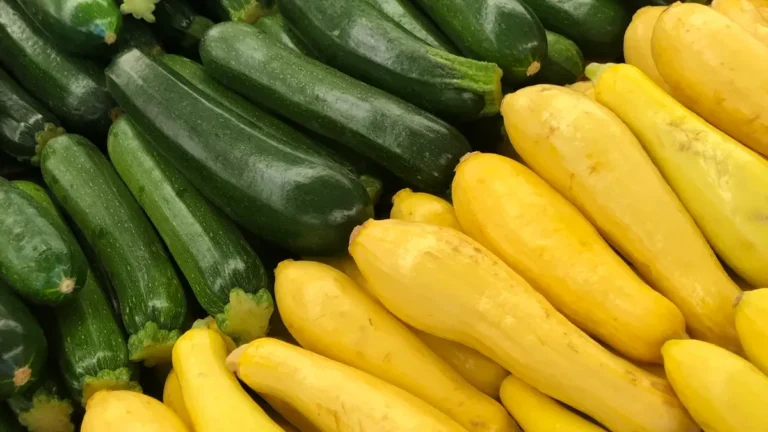
Fresh vegetables (zucchini, carrots, celery, lettuce, cucumbers).
Herbs/mild spices, coconut products.
Olive/avocado/coconut oils.
Sweeteners (maple syrup, honey, coconut sugar, stevia).
Nuts/seeds (macadamia, pumpkin, sunflower, flax, chestnuts if tolerated).
These low-histamine diet tips help you navigate your food choices.
When to Seek Professional Guidance
Consulting a Doctor or Dietitian
You should seek professional help for histamine intolerance. A registered dietitian can guide you. They prioritize making your diet least restrictive. The goal is to reduce high-histamine food intake.
You still get symptomatic relief. Dietitians help you reintroduce foods. This identifies your tolerance levels. Working with a dietitian experienced in histamine intolerance is highly recommended. They offer many benefits:
They discuss the pros and cons of a low-histamine diet.
You receive lists of foods to avoid and low-histamine foods.
They help create a personalized low-histamine diet plan.
You get support and check-ins.
They provide meal ideas, snacks, and recipes.
They address your questions and concerns.
You learn about food substitutions.
They address co-existing concerns like gut disorders.
Long-Term Management Strategies
Long-term management requires careful planning. You should discuss elimination diets with professionals. Weigh the benefits against the risks. Elimination diets can lead to malnutrition. They can cause social isolation. Disordered eating patterns are also a risk.
Increased stress can occur. Sustained commitment is crucial for adherence. This includes the reintroduction phases. A lack of motivation can lead to abandoning the process. This can have serious consequences. You need ongoing support to manage your condition effectively.
Understanding and avoiding specific foods that trigger histamine response can significantly alleviate your symptoms. Remember, your body is unique; a personalized approach to diet and symptom management is crucial. Always consult healthcare professionals for accurate diagnosis and tailored advice. You can empower yourself and regain control over your health through informed dietary choices.