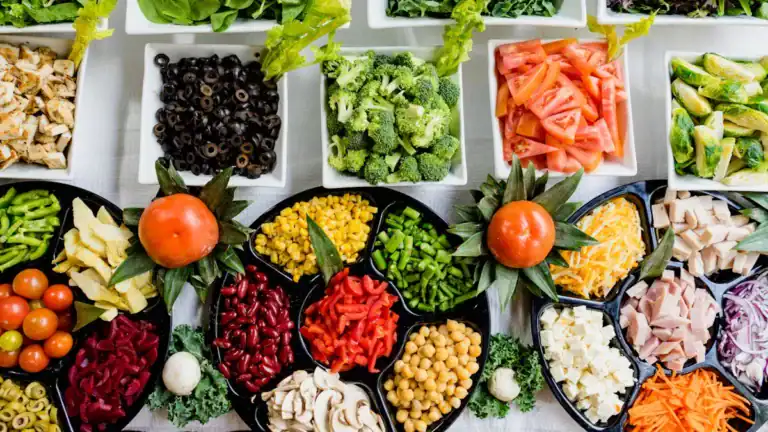
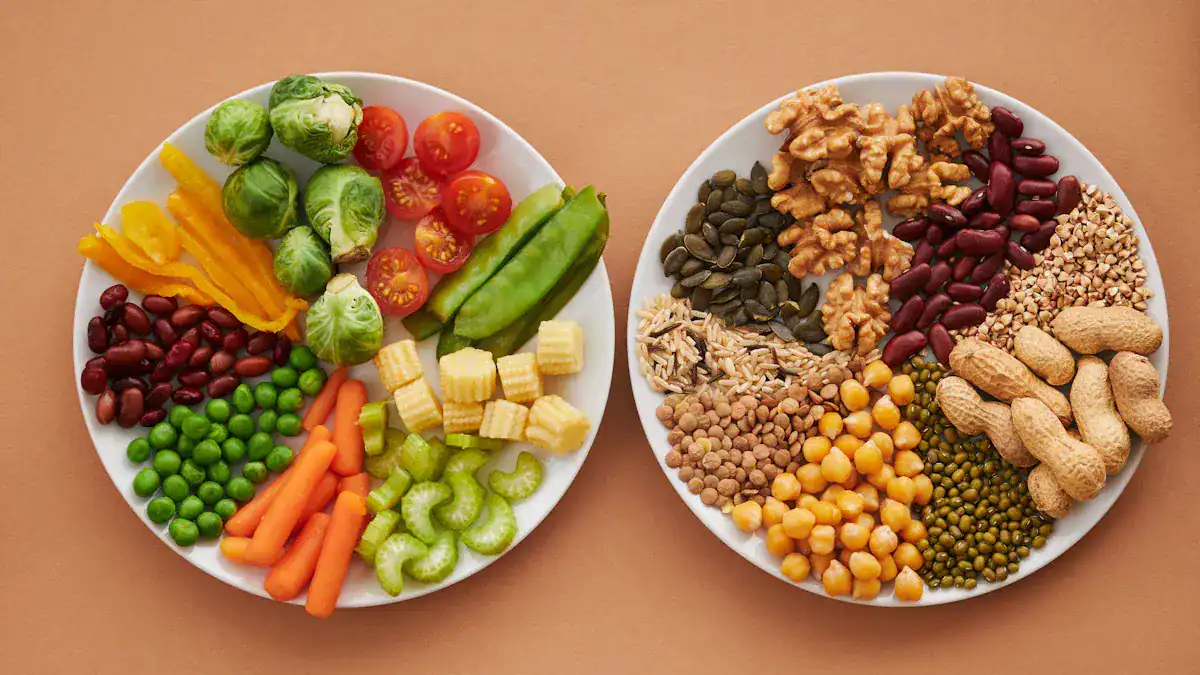
Your kidneys are vital organs. They filter waste and keep your body in balance. Chronic kidney disease affects over 800 million individuals worldwide. Your diet significantly impacts kidney function; high protein intake, for instance, can strain the kidney. While medical advice is crucial for existing conditions, proactive food choices help maintain kidney health. This post unveils 15 powerful foods that support kidney function. These healthy foods are kidney-friendly superfoods for health. You will learn why these superfoods are beneficial and how to easily add these nutritious foods to your meals. Discover simple, impactful ways to nourish your kidney health through a well-balanced kidney diet. These kidney-healthy food choices keep your kidneys healthy.
Key Takeaways
Eating certain fruits and vegetables helps your kidneys. Apples, blueberries, and red bell peppers are good choices.
Lean proteins like egg whites and fatty fish support kidney health. They provide good protein without too much strain.
Healthy fats like olive oil protect your kidneys. They also help your heart.
Whole grains and seeds like buckwheat and chia seeds are good for your kidneys. They offer fiber and important nutrients.
Drink enough water, control salt, watch portion sizes, and avoid processed foods. These habits keep your kidneys healthy.
Kidney-Friendly Fruits

You can support your kidney health by choosing the right fruits. These fruits are low in potassium and rich in beneficial compounds. They offer many advantages. They are full of antioxidants and high in vitamins. You also get a good source of fiber from them. Many of these fruits possess anti-inflammatory properties. They do not contain excessive amounts of potassium and phosphorus, which is important for individuals managing kidney conditions. Incorporating these delicious foods into your diet helps keep your kidneys strong.
Apples
Apples are a fantastic choice for kidney health. They contain pectin, a soluble fiber. This fiber helps reduce cholesterol and blood sugar levels. Apples also provide antioxidants and Vitamin C. These compounds protect your body’s cells. You also get more fiber and anti-inflammatory compounds from apples. You can enjoy apples sliced as a snack. Add them to your oatmeal or make a healthy apple compote.
Blueberries
Blueberries are tiny powerhouses of nutrition. These berries are packed with antioxidants. They help protect your body from damage. Blueberries are also low in potassium, making them ideal for a kidney-friendly diet. You can sprinkle blueberries over your cereal. Mix blueberries into a smoothie. Or simply enjoy a handful of fresh blueberries as a snack.
Cranberries
Cranberries are well-known for their benefits to urinary tract health. They contain unique compounds called proanthocyanidins (PACs). These PACs prevent harmful bacteria, like Escherichia coli, from sticking to the walls of your urinary tract. This action helps prevent urinary tract infections (UTIs). Studies show a strong link between PACs intake and UTI prevention. You can drink unsweetened cranberry juice. Add fresh or frozen cranberries to your yogurt. You can also include them in muffins.
Cherries
Cherries are another excellent fruit for your kidneys. They have strong antioxidant and anti-inflammatory properties. Cherries are a good source of polyphenols and vitamin C. These compounds help fight cellular damage. They also reduce inflammation throughout your body. Tart cherry consumption can reduce inflammation in various tissues. This includes reducing inflammatory biomarkers. You can eat fresh cherries as a snack. Add them to salads. Or blend them into a refreshing drink.
Strawberries
Strawberries are delicious and beneficial for your kidneys. They contain antioxidants that improve heart health. This is important because people with kidney disease often face a higher risk of heart problems. Strawberries also reduce inflammation and improve blood pressure. They are a good source of Vitamin C, manganese, and folate. Strawberries are generally low in potassium. A half-cup serving contains around 115 milligrams of potassium. This makes strawberries a good option for those on a low potassium diet. Enjoy fresh strawberries in your breakfast cereal. Add strawberries to a fruit salad. Or blend strawberries into a healthy smoothie.
Red Grapes
Red grapes offer significant benefits for kidney health, thanks to a compound called resveratrol. Resveratrol has powerful anti-inflammatory and antioxidant properties. It activates your body’s natural defense mechanisms against oxidative stress. It also reduces inflammation. Resveratrol increases antioxidant enzymes in your body. Studies show resveratrol can prevent kidney dysfunction. It does this by reducing the accumulation of senescent cells. These are old, damaged cells. You can enjoy red grapes as a snack. Add them to a fruit platter. Or mix them into a light salad. These superfoods are great for your overall health.
Healthy Foods for Kidney Support: Vegetables
You can give your kidneys great support by choosing the right vegetables. These vegetables are low in potassium and phosphorus. They offer essential nutrients without putting extra strain on your kidney system. Dark leafy greens, for example, are beneficial for kidney health. They contain many vitamins, minerals, and antioxidants. These help your kidneys work well and filter your blood. Remember, some leafy greens like spinach and kale have medium to high potassium. You should limit them if you have kidney damage or are on dialysis. Many other vegetables are low in potassium, high in antioxidants, rich in vitamins, and full of fiber. They also help reduce inflammation. These healthy foods are important for your overall health.
Red Bell Peppers
Red bell peppers are excellent foods for your kidneys. They are low in potassium. This is very important for people who need to watch their potassium intake. A half-cup serving of red bell pepper contains only 88 mg of potassium. This makes them a great choice. Red bell peppers also give you a lot of Vitamin C and Vitamin A. They provide Vitamin B6 and fiber too. You can slice red bell peppers and eat them raw. Add them to salads or stir-fries. You can also roast them for a sweet flavor.
Cabbage
Cabbage is a cruciferous vegetable that offers many benefits for your kidneys. It is low in potassium and a good source of Vitamin K, Vitamin C, and fiber. Cabbage contains special compounds called phytochemicals. These compounds help protect your body. They neutralize harmful free radicals before they can cause damage. Cabbage also has sulforaphane. This specific phytochemical may help stop the growth of cancer cells. Glucosinolates are other compounds in cabbage. They break down during digestion. These substances may help fight cancer cells and remove them from your body. You can enjoy cabbage in coleslaw. You can also add it to soups or stir-fries.
Cauliflower
Cauliflower is another versatile vegetable that supports your kidneys. It is rich in Vitamin C, folate, and fiber. Cauliflower also contains compounds like indoles and glucosinolates. These compounds help your body’s natural detoxification processes. They also have anti-inflammatory properties. This helps reduce inflammation in your body. You can steam cauliflower. You can mash it as a potato substitute. You can also roast it with herbs and spices.
Garlic
Garlic is a powerful ingredient for your health and your kidneys. It has strong anti-inflammatory properties. Garlic contains organosulfur compounds. These compounds help reduce inflammation. They also help lower blood pressure. Studies show that garlic can significantly reduce both systolic and diastolic blood pressure. This is good news for people with high blood pressure. High blood pressure can harm your kidneys. You can add fresh garlic to almost any savory dish. Use it in sauces, stir-fries, or roasted vegetables.
Onions
Onions are flavorful foods that are good for your kidneys. They are low in potassium. Onions contain powerful antioxidants, especially quercetin. Quercetin helps protect your body’s cells from damage. Onions also have anti-inflammatory properties. They add great flavor to your meals without adding extra sodium. You can use onions in many dishes. Add them to soups, stews, or stir-fries. You can also caramelize them for a sweet addition to sandwiches or salads.
Proteins and Fats for a Kidney Diet
You need the right proteins and fats to support your kidney health. These nutrients help your body function well without putting too much stress on your kidneys. Protein is vital for building muscles and repairing tissues. However, certain types of protein can strain your kidneys. Clinical dietitians advise you to focus on lean protein sources. These include chicken, fish, and plant-based proteins. You should choose these instead of red meat or processed meats. Fats are also essential for energy and absorbing vitamins. But too much fat can lead to weight gain and heart disease. Heart disease is a common problem for people with kidney conditions. You should limit your overall fat intake. Opt for healthier fats like olive oil. These choices align with heart-healthy eating plans.
Egg Whites
Egg whites are an excellent protein source for your kidney diet. They provide high-quality protein while being low in phosphorus. Two egg whites give you 7.2 grams of protein. This makes them a practical choice when you need to maintain enough protein for kidney health. Egg whites contain all nine essential amino acids. They are also low in sodium and potassium. These minerals often need restriction for kidney patients. A study showed that replacing meat with liquid egg whites in one meal daily for six weeks helped 92% of dialysis patients lower their phosphorus levels. It also kept their albumin levels healthy. This shows how effective egg whites are for managing phosphorus. They also ensure you get enough protein for tissue maintenance.
Fatty Fish
Fatty fish, like salmon, are great for your kidneys. They are rich in omega-3 fatty acids. These omega-3s offer many benefits for your heart, brain, and vision. They also help reduce inflammation. Dr. Kwok Leung Ong states that eating enough seafood and oily fish may help prevent or delay chronic kidney disease. Dr. Laird adds that seafood-derived omega-3s are “ready to use” by your body. This makes them effective for health outcomes like kidney disease. These omega-3s have anti-inflammatory effects. They directly impact your immune system. They also dampen “inflamaging,” which is inflammation related to aging. Researchers found that omega-3s from seafood are linked to a lower risk of chronic kidney disease. They also slow the decline in kidney function. People with higher levels of seafood-derived omega-3s had an 8% lower risk of developing kidney disease. Those with the highest levels had a 13% lower risk. This protective effect comes from eicosapentaenoic acid (EPA), docosahexaenoic acid (DHA), and docosapentaenoic acid (DPA). DHA and EPA reduce inflammation, which is a factor in many chronic conditions. These omega-3s also have properties that protect your kidneys by reducing fibrosis.
Olive Oil
Olive oil is a healthy fat that supports your kidney function and heart health. It is rich in monounsaturated fatty acids (MUFA). Extra virgin olive oil also contains many antioxidants. These include oleic acid and hydroxytyrosol. These compounds positively impact heart health. They may also help manage diabetes. Olive oil has low amounts of saturated fats and sodium. This makes it suitable for managing your intake of these compounds. A study followed over 90,000 U.S. adults for 24 years. It found that olive oil consumption was linked to a lower risk of cardiovascular disease. People who ate more than half a tablespoon of olive oil daily had a 14% lower risk of cardiovascular disease. They also had an 18% lower risk of coronary heart disease. Replacing saturated fats with plant-based fats like olive oil helps prevent cardiovascular disease. Extra virgin olive oil is also rich in polyphenols. These are powerful antioxidants with anti-inflammatory properties. They may protect against the progression of chronic kidney disease. Olive oil also has less potassium compared to other oils. This is important for kidney patients who need to limit potassium. Incorporating olive oil into your kidney diet is a smart choice for overall health.
Grains and Seeds to Keep Your Kidneys Healthy

You can support your kidneys with beneficial grains and seeds. These foods provide essential nutrition and fiber without straining your kidney system. Whole grains, for example, offer many advantages. They contain fiber, protein, and other nutrients. These components make them the healthiest type of grains. They also include phytochemicals that fight diseases. Your body absorbs less phosphorus from plant sources compared to animal sources. This is important for kidney health. For instance, phosphorus in whole grains binds to phytate. An enzyme called phytase is needed to release this phosphorus. Grains with low phytase activity, like oats and millet, lead to decreased phosphorus absorption. Only 20-50% of phosphorus from whole grains is absorbed. This means you get fewer minerals that can burden your kidneys.
Buckwheat
Buckwheat is a fantastic grain for your kidneys. It is a pseudocereal, meaning it acts like a grain but is not from grass. Buckwheat offers good nutrition. It provides protein, fiber, and essential minerals. It is also lower in phosphorus and potassium compared to many other grains. This makes it a smart choice for people managing kidney conditions. For example, a half-cup of cooked bulgur contains only 36 mg of phosphorus and 62 mg of potassium. Buckwheat also helps you feel full. This can aid in weight control. You can use buckwheat flour for pancakes or noodles. You can also cook buckwheat groats as a side dish. Add them to soups or salads for a hearty meal.
Chia Seeds
Chia seeds are tiny powerhouses of nutrition. They are excellent foods to keep your kidneys healthy. These seeds are rich in fiber, omega-3 fatty acids, and protein. Plant proteins from seeds are low in fat and high in fiber. This helps regulate blood sugar. It also eases the kidneys’ workload. The healthy fats, like omega-3s, also benefit your overall health. Chia seeds help manage or prevent constipation. This is a common issue for people with kidney disease. The fiber in chia seeds can also aid in potassium management. It increases elimination through stools. You can easily add chia seeds to your diet. Sprinkle them on yogurt or oatmeal. Mix them into smoothies. You can also make chia seed pudding for a healthy snack.
General Kidney Diet Tips
You can support your kidneys with overarching dietary advice. These kidney diet tips complement specific food recommendations. A well-balanced diet provides the right amounts of protein, calories, vitamins, and minerals. Your dietary needs can change over time. This depends on your kidney function and other factors. A kidney diet dietitian helps tailor eating plans. This is especially true when you manage conditions like diabetes or heart disease.
Hydration
You need proper hydration to keep your kidneys healthy. Fluid requirements vary among people. Your doctor and a renal dietitian determine your appropriate daily liquid intake. They offer strategies for managing thirst. Individuals with advanced chronic kidney disease or kidney failure may need to limit fluid intake. Their bodies produce little or no urine. This leads to fluid buildup. It can cause swelling, shortness of breath, and high blood pressure. You must strictly follow fluid limits your healthcare team advises. Your age, body type, climate, and activity level influence your hydration needs.
Sodium Control
Managing salt intake is crucial. It prevents fluid buildup and high blood pressure. Dr. Prest suggests consuming around 2,300 mg of sodium for healthy blood pressure. For individuals with kidney disease or high blood pressure, 1,500 mg may be more appropriate. The National Kidney Foundation recommends around 1,500 mg of sodium per day for people with kidney disease. A 2018 study suggests 2,000 mg of sodium daily for people with CKD. You should consult your healthcare team. They determine the safe amount of sodium for your individual needs. Choose low-sodium foods to support your kidney diet.
Portion Sizes
Mindful portion control helps your kidneys. Consuming more protein than necessary increases the workload on your kidneys. They work harder to remove waste. A person weighing 150 pounds typically needs 40-54 grams of protein daily. This is about 4-6 ounces from animal or plant sources. Being mindful of protein portion sizes reduces this burden. Mindful portion control also supports weight management. This is beneficial for kidney health. If your doctor advises limiting nutrients like potassium or phosphorus, be mindful of portion sizes. This is crucial when selecting foods.
Processed Foods
You should avoid processed foods on a kidney diet. These foods often contain ingredients harmful to your health. Dark-colored sodas contain phosphorus additives. Your body highly absorbs these. They enhance flavor and prolong shelf life. Processed meats are high in salt and protein. Both can harm kidney health. Cured or pickled foods contain large amounts of sodium. Ultra-processed foods (UPFs) contain many ingredients. These include salt, sugars, fats, and artificial additives. Experts suggest sugar-sweetened beverages and certain food additives may contribute to kidney harm. These foods can also increase inflammation in your body. Focus on whole, unprocessed foods for better nutrition.
You have learned about 15 amazing foods to keep your kidneys healthy. These nutritious foods support your kidney health. A well-balanced diet and healthy lifestyle are important for your overall well-being and good nutrition. Start making small changes to your diet today. These healthy foods make a difference. For personalized advice on your kidney diet, talk to a healthcare professional or registered dietitian. This is especially true if you have existing kidney conditions. Your kidney diet is key to keep your kidneys healthy.
FAQ
What foods should you avoid with kidney disease?
You should limit high-potassium foods like bananas and oranges. Also, avoid high-phosphorus foods such as dairy products and processed meats. Reduce your sodium intake by avoiding salty snacks and canned goods. These choices help protect your kidneys.
How much water should you drink for kidney health?
Your fluid needs vary. Your doctor or a renal dietitian will tell you your specific daily liquid intake. If you have advanced kidney disease, you may need to limit fluids. Always follow your healthcare team’s advice.
Can diet alone cure kidney disease?
No, diet alone cannot cure kidney disease. However, a kidney-friendly diet significantly helps manage the condition. It slows progression and reduces complications. Always work with your doctor and a dietitian for a comprehensive treatment plan.
What is the best protein for kidney health?
Egg whites and fatty fish like salmon are excellent choices. They provide high-quality protein without excessive phosphorus. Plant-based proteins from sources like chia seeds are also beneficial. They offer fiber and healthy fats.