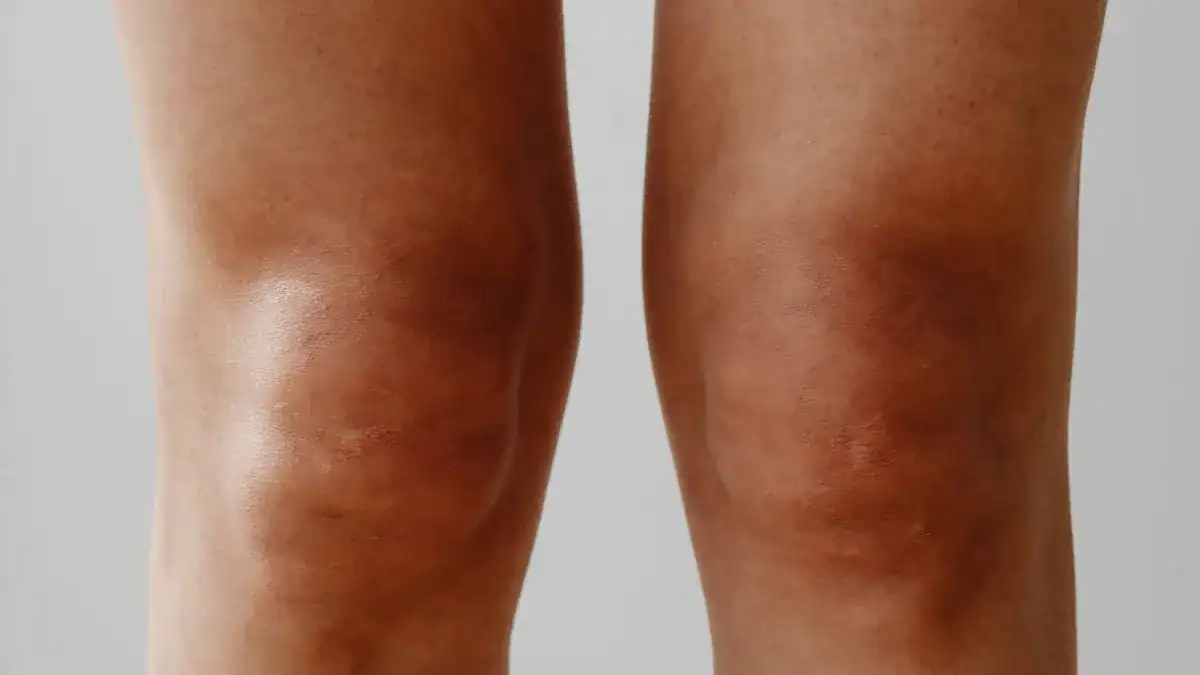
Foot swelling after hip replacement is a common experience during your recovery. This post-hip replacement swelling is a normal part of your body’s healing process. Inflammation, a natural response to your hip surgery, sends specialized cells to the hip surgical site.
These cells release fluid, causing local swelling. Your body’s stress response also makes fluid shift from blood vessels into surrounding tissues. Intravenous fluids given during your hip procedure also add to this initial fluid load.
Gravity then pulls this extra fluid down, making post-surgical swelling especially noticeable in your foot and ankle. This guide helps you understand the causes of this swelling, offers strategies for relief, and points out when to seek medical attention.
Key Takeaways
Foot swelling after hip replacement is normal. It happens because of surgery and gravity. Your body sends fluid to help you heal.
You can reduce swelling. Lift your leg up. Wear special stockings. Do gentle ankle exercises. Drink water and eat less salt.
Watch for serious signs. Call your doctor if swelling is sudden or severe. Also call if you have fever, chills, or trouble breathing. These can be signs of a problem.
Foot Swelling After Hip Replacement
You will experience some normal swelling in your ankles and calves after hip replacement surgery. This indicates your body has undergone a significant event. Mild to moderate pain, swelling, and some bruising are expected for the first few weeks.
This discomfort should gradually diminish over time. In the first 1-3 weeks after hip replacement surgery, some bruising, swelling, and redness are considered normal. By 12 months post-surgery, swelling should be nearly back to normal levels.
Most normal light activities can be resumed 3-6 weeks post-surgery, though some discomfort or soreness, particularly by day’s end, may still be present. At 10-12 weeks post-surgery, you generally feel more like yourself. Most pain should have subsided, and swelling should have eased. Movement becomes easier, allowing for most regular daily activities like gardening, dancing, or long walks.
Normal Post-Surgical Inflammation
Your body responds to the trauma of hip surgery with inflammation. This natural process sends fluid and healing cells to the surgical site. This fluid can then travel downwards, causing normal swelling in your foot and ankle. This initial swelling is a sign your body is working to repair itself.
Gravity and Reduced Mobility
Gravity plays a big role in your foot swelling after hip replacement. When you stand or sit, gravity pulls fluid downwards into your lower limbs. Reduced mobility after your hip surgery also affects how your body moves fluid. Your muscles usually help pump fluid back towards your heart. When you move less, this natural pumping action decreases. This allows fluid to collect in your feet and ankles, increasing swelling.
Lymphatic System Disruption
Your lymphatic system helps drain excess fluid from your tissues. During hip replacement surgery, surgeons can sometimes disrupt these delicate lymphatic vessels or lymph nodes. This disruption can lead to secondary lymphedema, a condition where fluid with high protein concentration builds up.
For example, the Direct Anterior Approach (DAA) with a horizontally oblique incision is associated with a significantly higher frequency of postoperative lymphedema compared to standard approaches during total hip arthroplasty.
The DAA group also showed a significantly higher frequency of affections of the lateral cutaneous femoral nerve. This disruption means your body struggles to remove fluid effectively, causing persistent swelling.
Medication Side Effects
Certain medications you take after your hip surgery can also contribute to swelling. Painkillers, especially some non-steroidal anti-inflammatory drugs (NSAIDs), can sometimes cause fluid retention. Always discuss any new or worsening swelling with your doctor. They can review your medications and adjust them if necessary.
Underlying Medical Conditions
Sometimes, pre-existing medical conditions can worsen your post-surgical swelling. If you have heart failure, kidney disease, or venous insufficiency, your body may already struggle to manage fluid balance. Your hip replacement surgery can then exacerbate these issues, leading to more pronounced or prolonged swelling. Always inform your medical team about your full medical history.
Deep Vein Thrombosis (DVT)
A more serious cause of swelling is Deep Vein Thrombosis (DVT). This occurs when a blood clot forms in a deep vein, usually in your leg. Without thromboprophylaxis, the incidence of DVT in patients undergoing hip arthroplasty has been reported to be approximately 42–57%. DVT can cause significant swelling, pain, and warmth in the affected limb. You might also notice skin color changes or a positive Homans sign.
Doctors diagnose DVT using methods like Color Doppler Ultrasound. This ultrasound shows a non-compressible venous vessel, absence of spontaneous flow, or minimal blood flow signals in thrombosed venous segments. It also reveals no color blood flow signal and spectrum signal in the venous cavity, and no collapse of the venous pressurized lumen.
If you suspect DVT, seek immediate medical attention. This condition requires prompt treatment to prevent serious complications.
Persistent Swelling: Causes Beyond Initial Recovery
Sometimes, swelling can continue or even appear months after your hip replacement surgery. This persistent swelling, even three months after hip replacement, signals that your body is still working through its recovery. Understanding these later causes helps you manage your health.
Residual Inflammation
Your body’s natural response to surgery creates inflammation. This inflammation helps you heal. However, sometimes this healing process leaves behind inflammation that can persist. This can cause continued swelling even at the three-month mark. Your body also adjusts to the new hip implant. This adjustment can cause lingering inflammation as your body adapts. This adaptation can lead to temporary swelling.
Overactivity and Strain
Pushing yourself too hard during your recovery can also cause persistent swelling. If you do too much too soon, you can strain the tissues around your new hip. This strain can re-aggravate the area. It leads to renewed inflammation and increased fluid buildup. Listen to your body and follow your physical therapy guidelines to avoid overdoing it.
Implant Interaction
The materials in your hip implant can sometimes cause swelling. This happens through a process called Adverse Local Tissue Reaction (ALTR). Your body’s defense mechanisms react to the implant materials. For example, metal particles and ions can release from the implant.
This release triggers an inflammatory immune response. Corrosion and wear of metal components release these substances into the area around your hip. This starts adverse tissue reactions.
These reactions cause pain and swelling. They can also lead to soft tissue damage. Your body’s biological effect on the implant material depends on how it releases particles. These inflammatory responses are a natural defense. They protect your body against an intruding medical implant. This can increase corrosion and wear. Accumulations of these particles cause adverse reactions and complications.
Infection Concerns
Persistent swelling can also be a sign of infection. An infection around your new hip is a serious complication. You might notice increased pain, redness, warmth, or fever along with the swelling. If you suspect an infection, seek medical attention immediately. Early diagnosis and treatment are crucial for a good outcome.
Strategies to Manage Swelling After Hip Replacement
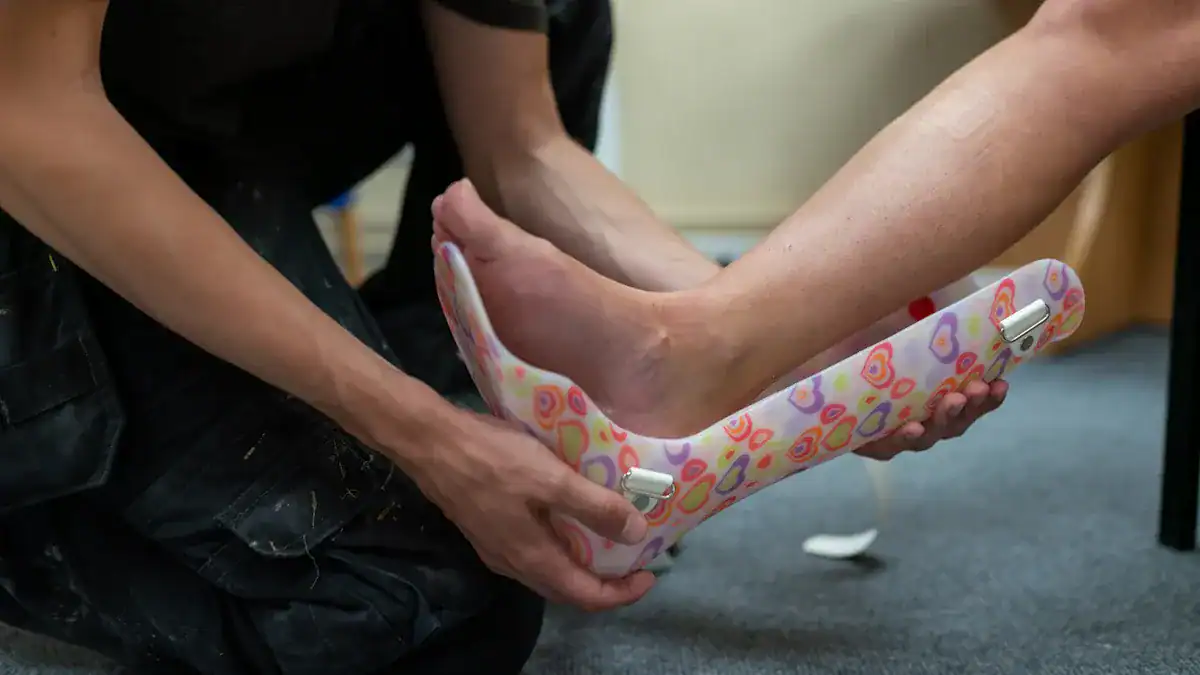
You can actively manage swelling after your hip replacement surgery. Taking these steps helps you feel more comfortable. It also supports your body’s healing process. These strategies help reduce foot swelling after hip replacement and promote a smoother recovery.
Elevation Techniques
Elevating your leg helps gravity work for you. You should elevate your lower body above heart level several times each day. This helps fluid drain away from your foot and ankle. When you lie down, place several pillows under your foot. This raises your leg higher than your heart. Simply propping your foot up while sitting does not work as well. Make sure you get adequate rest. This allows your body to focus on healing and reducing swelling.
Compression Therapy
Compression therapy helps control swelling. You can use compression stockings or compression garments. These garments apply gentle pressure to your leg. This pressure helps prevent fluid from pooling in your lower limbs. It also supports healthy circulation. Your doctor or physical therapist can recommend the right type and fit of compression garments for you. Wear these compression garments as directed. They are a simple way to manage swelling.
Gentle Movement and Exercise
Gentle movement is important for reducing swelling. It helps your muscles pump fluid back towards your heart. Dr. Fitzpatrick recommends gentle movements like ankle pumps. These are beneficial for healthy circulation. They reduce swelling after surgery. This simple movement activates muscles. It promotes blood flow throughout your lower body.
To perform ankle pumps:
Sit with your legs straight. Rest them on a couch or bed.
Point your toes up toward the ceiling.
Point your toes away from you. Push them down toward the floor.
Focus on squeezing your calf muscles. Hold this position briefly.
Relax your feet back to the starting position.
Perform these exercises 10 times each. Do them while resting. Repeat them 10 times every hour while you are awake.
You can also rotate your feet clockwise and counterclockwise. This further improves circulation.
Hydration and Diet
Your diet and hydration play a big role in managing swelling. For the first 1-4 weeks after surgery, aggressively minimize your sodium intake. Maximize your fluid consumption. This directly combats post-hip replacement swelling and fluid retention. High sodium causes water retention. High fluid intake helps your lymphatic system flush out excess fluid. It also removes inflammatory byproducts and residual anesthesia.
Foods to Eat:
Choose whole, unprocessed foods. Cook them from scratch without added salt.
Use herbs and spices for flavor.
Focus on high-quality protein sources. These include lean poultry, fish, nuts, and legumes. Protein helps with tissue repair and collagen synthesis.
Incorporate anti-inflammatory foods. These are rich in antioxidants and omega-3s. They reduce inflammation and promote tissue regeneration.
Increase fiber intake. Eat whole grains, fruits, and vegetables. This prevents post-operative constipation.
Key nutrients include Vitamin C (for collagen formation and wound healing) and Vitamin E (for protecting healing tissue).
Fluids to Drink:
Water is your primary beverage. Sip at least eight 8-ounce glasses throughout the day. Aim for 8-10 glasses daily.
Drink unsweetened herbal teas like ginger or chamomile.
Low-sodium bone broth and unsweetened coconut water are also good choices.
Proper fluid intake supports collagen production. It delivers oxygen to healing tissues. It reduces inflammation and speeds up healing. It also boosts your immune system.
Monitor your hydration status. Check for dark yellow urine. This indicates dehydration.
Foods and Drinks to Avoid:
Avoid all high-sodium foods. These include fast food, canned soups, frozen dinners, processed meats, salty snacks, and restaurant meals.
Do not drink caffeinated beverages like coffee, black tea, or energy drinks. They can dehydrate you and increase swelling.
Avoid alcohol. It slows healing, increases swelling, and can interact negatively with pain medications.
Stay away from sugary sodas and artificial juices. They cause inflammation and hinder tissue repair.
Dairy-heavy drinks may contribute to mucus buildup and post-surgical bloating.
Cold Application
Applying cold helps reduce swelling and pain. You should apply ice to your hip frequently. Do this for the first two to three weeks after surgery. It is especially helpful after exercise or prolonged standing.
Apply ice to the covered surgical site. Do this a minimum of three times a day. Each session should last 20 minutes or more.
Do not apply ice for more than 30 minutes at a time.
Place a thin towel between the ice pack and your skin.
Allow 30 minutes to 1 hour between applications.
Never sleep with an ice pack on your skin.
When to Seek Medical Help for Post-Surgical Swelling
While some post-surgical swelling is a normal part of recovery, certain signs mean you need immediate medical attention. Painkillers help manage pain and swelling. This usually improves within a few weeks. However, you must watch for these critical warning signs.
Sudden or Severe Swelling
You should contact your doctor if you experience a sudden onset of swelling. Swelling immediately after surgery is normal. It should typically subside within a few days. However, severe or rapidly increasing swelling is a concern. Also, watch for other symptoms. These include fever, severe muscle aches, nausea or vomiting, diarrhea, or severe fatigue. You might also notice joint pain, joint stiffness, skin discoloration, a skin rash near the joint, or itching around your artificial hip.
Swelling with Pain, Redness, or Warmth
If your swelling comes with increased pain, redness, or warmth at the incision site, you need to act. These can be signs of infection. Other infection indicators include fever, drainage from the incision site, or pain or stiffness in your hip after a pain-free period. You might also have chills, night sweats, or fatigue. Look for pus or unusual fluid drainage from the incision. Increased joint stiffness also signals a problem.
Respiratory Symptoms
Do not ignore any breathing problems. If you develop shortness of breath or chest pain, seek emergency care. These symptoms, especially with leg swelling, can indicate a serious blood clot in your lungs.
Fever or Chills
A fever is a key indicator of potential infection. Contact your doctor if you have a fever higher than 101°F. A fever higher than 102°F in adults needs immediate medical attention.
This could mean a serious infection or a problem with your hip surgery site. For moderate fevers (100.6°F to 102°F), seek medical help if you also have increased pain, pus, drainage, or redness near the incision. Also, get care if a moderate fever does not go down within an hour of taking a fever-reducer. If you have a low-grade fever lasting more than 48 hours, contact your doctor.
Unilateral Swelling Concerns
Unilateral leg swelling is when only one leg swells. This is a particular concern after hip replacement surgery. It can point to specific complications. For example, it might signal mechanical issues or inflammatory responses to debris from your hip implant. This type of abnormal swelling needs diagnostic imaging. You might need surgical intervention.
Foot swelling after hip replacement is a common and manageable part of your recovery. You now understand its causes. You also have strategies to manage swelling. This helps your recovery. Recognizing when to seek medical advice is crucial for your recovery. Always talk to your healthcare providers about any concerns during your recovery. This proactive approach ensures a smoother recovery journey. It supports your overall recovery.