You are on a full liquid diet. This means you consume only liquids or foods that turn liquid at room temperature. This liquid diet differs from a clear liquid diet, which allows only clear fluids. Doctors prescribe a full liquid diet to give you nutrition when chewing is not possible. This often happens after surgery or for certain medical conditions. Understanding your full liquid diet food list is key. Knowing the allowed foods helps you meet your nutritional needs on this liquid diet.
Key Takeaways
A full liquid diet helps you get nutrients when you cannot chew solid foods. It includes liquids and foods that melt to liquid at room temperature.
This diet offers more food choices and nutrients than a clear liquid diet. It helps your body heal and recover after surgery or with certain health problems.
You can drink milk, strained soups, juices, and protein shakes. Avoid all solid foods, chunky items, and foods with pulp.
Plan your meals carefully to get enough protein, calories, and other nutrients. Work with a doctor or dietitian to make sure your diet is healthy.
Stay hydrated by drinking often. Try different liquid foods to keep your diet interesting and help you feel full.
What is a Full Liquid Diet
A full liquid diet includes only liquids or foods that become liquid at room temperature. This type of liquid diet provides more nutrients and calories than a clear liquid diet. Doctors often prescribe a full liquid diet when you cannot chew or swallow solid foods. It helps you get necessary nutrition during recovery or for certain medical conditions.
Full Liquid Diet vs. Clear Liquid Diet
You might hear about a clear liquid diet too. It is important to understand the differences between a full liquid diet and a clear liquid diet. A clear liquid diet is very restrictive. It only allows transparent liquids. A full liquid diet offers many more options. You can see the key differences in the table below:
Feature | Full Liquid Diet | Clear Liquid Diet |
|---|---|---|
Purpose | Provides more nutrients and calories. It helps you transition to solid foods or offers longer-term nutritional support. | Gives you hydration and some electrolytes for short periods (1-3 days). Doctors often use it before or after medical procedures. |
Allowed Foods | Includes all clear liquid diet foods. You can also have milk, milkshakes, strained cream soups, ice cream, sherbet, pudding, custard, yogurt (without fruit pieces), refined cooked cereals (like cream of wheat), fruit and vegetable juices (without pulp), and nutritional supplements. | You can have water, clear broths, clear fruit juices (apple, white grape, cranberry without pulp), plain gelatin, honey, sugar, clear sports drinks, clear sodas, tea, coffee (without milk or cream), and ice pops (without fruit pieces or cream). |
Nutritional Value | It has higher calories, protein, and other nutrients. It can be nutritionally adequate for a short time. You might need supplements for long-term use. | It is very low in calories, protein, and fiber. It is not nutritionally complete. You should only use it for a very short time. |
Texture | Foods are smooth, pourable, and liquid at room temperature. They melt to a liquid at body temperature. | Foods are transparent and easily digestible. They leave no undigested residue in your intestinal tract. |
Residue | It leaves low residue, but more than a clear liquid diet. | It leaves no residue. |
Examples of Use | You might use it after surgery (following clear liquids), if you have difficulty chewing or swallowing, for certain digestive issues, or when moving from a clear liquid to solid foods. | You might use it before a colonoscopy or other intestinal procedures, for acute gastrointestinal illness (like vomiting or diarrhea), or immediately after surgery. |
Duration | You can use it for a few days to several weeks. This depends on your medical needs and how much nutrition you get. | You typically use it for 1-3 days. Using it for too long can lead to malnutrition. |
As you can see, a full liquid diet offers a much broader range of foods. This makes it easier for you to meet your nutritional needs. It is a crucial step in your recovery or treatment plan. This liquid diet helps your body heal while providing essential energy.
Full Liquid Diet Food List
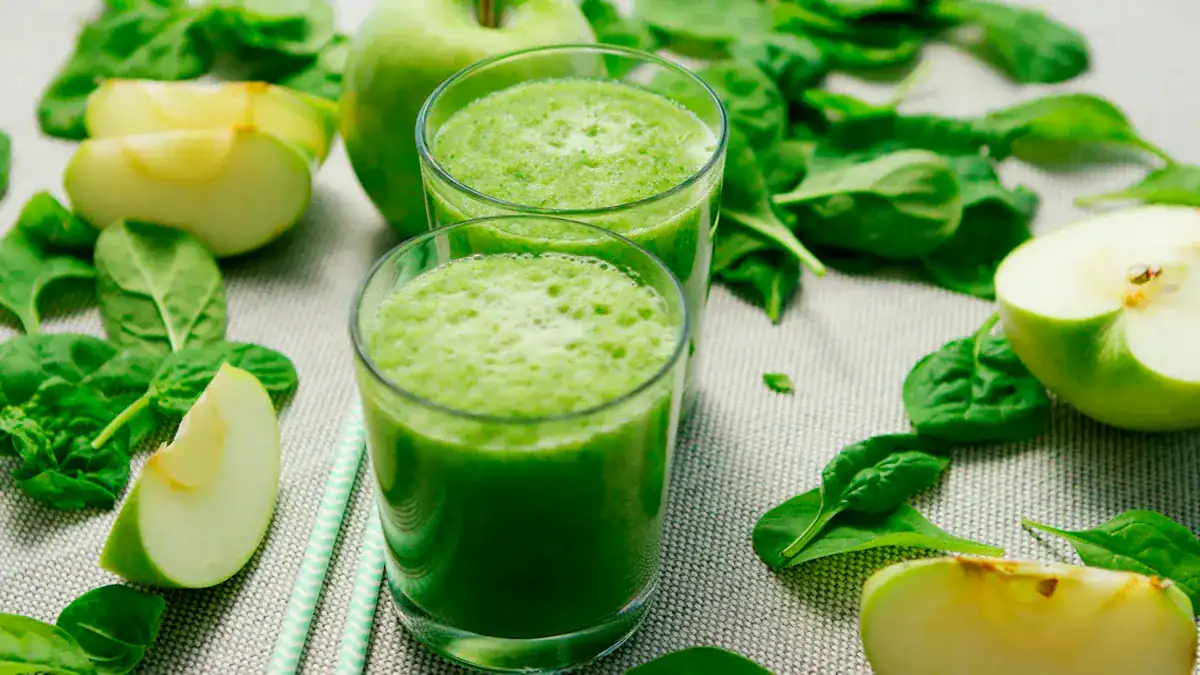
When you follow a full liquid diet, you have many options. This full liquid diet food list helps you understand what you can eat and drink. You can get the nutrition you need from various liquid meals.
Beverages
You have many choices for beverages on a full liquid diet. These drinks help you stay hydrated and provide important nutrients. You can drink water, of course. You can also enjoy fruit juices, including nectars and juices with pulp. Sodas like ginger ale or Sprite are also allowed. Gelatin, such as Jell-O, is a good option. You can also have tea or coffee with cream or milk and sugar or honey. Liquid supplements like Boost, Ensure, or Resource are excellent choices.
A full liquid diet aims to give you enough energy, protein, and fat. It might not have enough fiber or all vitamins and minerals. Most people on this liquid diet need to consume between 1,350 to 1,500 calories each day. You also need about 45 grams of protein daily. These beverages help you reach those goals.
Dairy and Alternatives
Dairy products and their alternatives are a big part of your full liquid diet. They give you calories and protein. You can have all types of milk, like whole, low-fat, soy, or almond milk. Plain ice cream, sherbet, and fruit ices are also good choices.
You can also use plant-based dairy alternatives (PBDs). Fortified soya and oat drinks are good examples. These alternatives add to your calorie and protein intake. For instance, 250 mL of full-cream dairy milk gives you 6% of your daily calories and 9% of your protein. If you choose 250 mL of fortified soya or oat drink instead, your protein intake might drop a little. However, your diet will still have plenty of protein. It will exceed the European dietary reference value for protein by 43–52%. Soya and pea PBDs have a lot of protein, both in amount and quality. Fortified non-organic PBDs also offer calcium and vitamin D levels similar to dairy milk. Your overall nutrient content changes very little when you swap dairy milk for a fortified PBD. Calcium levels stay the same, and vitamin A and D levels may even go up. Even with a small drop in protein from an oat drink, your total protein intake still goes beyond the recommended amount.
Protein Sources
Getting enough protein is very important on a full liquid diet. Protein helps your body heal and stay strong. You can find protein in many liquid meals. All types of milk and dairy alternatives provide protein. You can also have protein-rich foods like pureed meats or poultry. Stage 1 baby food, which is very smooth, is another option.
Liquid protein drinks are also excellent for a high-protein liquid meal plan. These drinks are suitable for you to consume, especially in the weeks before surgery. They ensure you get the protein your body needs.
Soups and Broths
Soups and broths are comforting and nutritious additions to your full liquid diet. You can enjoy broth, bouillon, and strained creamed soups. Make sure these soups do not have any solid pieces. You can also use commercial soups as a base. Then, you can blend in canned or frozen vegetables, meats, and cooked grains like rice. This makes a more complete liquid meal.
You should be aware of the sodium content in soups. Sodium levels can vary a lot. Some soups have as little as 66 milligrams of sodium per serving. Others can have as much as 1,880 milligrams. A typical can of soup contains about 410 milligrams of sodium. Many brands might have even more. For example, a sample diet including strained creamed soup could have 2,975 mg of sodium. Always check the labels to manage your sodium intake.
Desserts and Sweets
You can still enjoy some desserts and sweets on a full liquid diet. These items can help you meet your calorie goals and satisfy cravings. Permissible desserts include Jell-O, sherbet, ice cream (without chunks), pudding, custard (soft or baked), and frozen yogurt. You can also have popsicles, fruit ices, and gelatin. Sweeteners like honey, syrup, sugar, and jelly are fine. Plain hard candy and marshmallows are also allowed.
You should avoid rich pastries and desserts with dates, nuts, raisins, or coconut. Do not eat fried pastries like doughnuts. For healthier sweet options, you can choose fruits. They offer natural sugars, nutrients, and fiber. Dark chocolate with at least 70% cocoa can also satisfy sweet cravings. It also provides antioxidants. You can enjoy traditional desserts like ice cream or cake in moderation for special occasions. The key is to choose wisely and consume these items in moderation.
Foods to Avoid on a Liquid Diet
You must understand what foods to avoid on a full liquid diet. This ensures your safety and helps your body heal. Certain items can cause problems or do not fit the liquid consistency requirement. You must strictly follow these guidelines.
Solid Foods
You cannot eat any solid foods on a full liquid diet. This includes items that require chewing. Even soft foods are not permitted. Mashed foods, like mashed potatoes or avocado, also do not qualify as liquid foods. You must avoid them.
Here is a list of specific items you must exclude:
Any kind of cheese
Fresh, frozen, or canned fruit
Meat
Cereals not on the ‘okay’ list
Raw or cooked vegetables
Frozen desserts with solids (e.g., nuts, chocolate chips, cookie pieces)
Mashed foods (e.g., mashed potato, avocado)
These excluded foods can interfere with your recovery. They can also cause digestive issues.
Foods with Pulp or Chunks
You must avoid foods containing pulp or chunks. These items can be difficult to swallow. They can also leave residue in your digestive system. This goes against the purpose of a liquid diet. For example, fruit juices with heavy pulp are not allowed. You should choose strained juices instead. Soups with vegetable pieces or meat chunks are also off-limits. You need smooth, uniform liquids.
Chewy or Fibrous Items
Chewy or fibrous items are also not suitable for a liquid diet. Your body cannot easily digest these. They can cause discomfort or even blockages. Examples include tough meats, raw vegetables, and certain fruits with skins or seeds. You need to ensure everything you consume is completely smooth and liquid. This helps your digestive system rest and recover.
Why a Full Liquid Diet is Prescribed
Doctors often prescribe a full liquid diet for specific health reasons. This special liquid diet helps your body heal or prepares you for medical procedures. You will find it provides necessary nutrition when you cannot eat solid foods.
Post-Surgery Recovery
You might need a full liquid diet after certain surgeries. This helps your digestive system rest and recover. It also prevents complications. For example, after bariatric surgeries, you follow a specific progression.
Surgical Procedure | Recommended Full Liquid Diet Duration |
|---|---|
Gastric Bypass | Days 4-6 post-operative, or until full liquids are well tolerated |
Sleeve Gastrectomy | Days 4-14 post-operative, or until liquids are well tolerated |
Duodenal Switch (DS) | Days 4-14 post-operative, or until liquids are well tolerated |
This careful approach ensures your body adjusts properly.
Digestive Issues
A full liquid diet can also manage various digestive problems. It gives your gut a break from processing solid foods. This helps reduce symptoms and promotes healing. You might use this liquid diet for conditions like:
Crohn’s disease
Ulcerative colitis
Diverticulitis
Celiac disease
Gastroenteritis
Gastritis
Peptic ulcers
Gastrointestinal surgery
Acute pancreatitis
This diet helps calm your digestive system.
Swallowing Difficulties
Sometimes, you have trouble chewing or swallowing. This condition is called dysphagia. A full liquid diet makes eating easier and safer. It prevents choking or discomfort. You use this diet if you experience:
Difficulty chewing
Difficulty swallowing
Difficulty digesting solid foods
The smooth texture of a full liquid diet helps you get nutrients without strain.
Medical Procedures
You may also follow a full liquid diet before or after certain medical procedures. This prepares your body for the procedure or aids in recovery. For instance, doctors often require a full liquid diet approximately two weeks before bariatric surgery. This pre-operative diet is low-carbohydrate. It helps you lose weight, reduces liver size, decreases intra-abdominal fat, and lessens co-morbidities. It also shortens operating time, recovery time, and post-operative risks. The diet typically includes protein shakes, water, unsweetened tea and coffee, skim milk, broths, nonfat plain yogurt, sugar-free pudding, Jell-O, and popsicles. You must avoid carbonated or alcoholic beverages, certain protein shakes, and fruit/vegetable juices during this time.
Benefits and Drawbacks
A full liquid diet offers specific advantages. It also comes with potential challenges. Understanding both helps you manage your health effectively.
Nutritional Benefits
This liquid diet provides essential nutrients when you cannot chew or swallow solid foods. You get calories, protein, and other vital components from the various liquids. This helps your body heal and maintain energy levels. A full liquid diet is much more nutritionally complete than a clear liquid diet. It supports your body’s needs during recovery or specific medical conditions.
Hydration Benefits
Staying hydrated is crucial for your health. A full liquid diet naturally helps you achieve this. All the foods you consume are liquids. This ensures you take in plenty of fluids throughout the day. Proper hydration supports all your body’s functions. It helps with digestion and nutrient absorption.
Potential Deficiencies
You must be aware of possible drawbacks. A prolonged full liquid diet can lead to nutritional deficiencies. You might lack fiber, which can cause digestive issues like constipation. Severely restricting calorie intake on such a liquid diet can also result in muscle loss. You should discuss these concerns with your doctor or a dietitian. They can help you plan for adequate nutrition.
Managing Hunger
You might feel hungry on a liquid diet. There are ways to manage this feeling. You can prepare specific foods like ice pops and gelatin in advance. This gives you readily available options. Drink water and decaffeinated beverages to help you feel full and stay hydrated. Consume bone broth, which is high in protein. This promotes fullness and provides nourishment.
Use smaller cups and mugs for drinks and larger spoons for eating. This can enhance feelings of satisfaction. Practice mindful eating by focusing on your food. Avoid distractions like phones. Ensure you get adequate sleep the night before. This reduces stress hormones and decreases hunger.
Hide solid foods from sight. Ask others for help to avoid temptation. You can also visualize cravings away. Set a timer and focus on the desired food without consuming it. Then, reward yourself with a clear liquid.
Tips for a Full Liquid Diet

You can manage your full liquid diet effectively with good planning. These tips help you get the nutrition you need. They also make your diet more enjoyable.
Meal Planning
Effective meal planning is crucial on a full liquid diet. You face several nutritional challenges. Liquid foods often lack fiber. This can affect your digestion. It can be hard to get enough calories. You might miss important vitamins and minerals. Meeting your protein needs can also be difficult. Liquid foods may not make you feel full. This can lead to hunger between meals. Work closely with your healthcare team. A registered dietitian can help you navigate this diet phase. Ensure you get enough protein, calories, and other nutrients.
Recipes like high-protein smoothies and nutritious milkshakes help. Focus on a variety of delicious liquid options. This supports your body’s healing. Understand the foods you can eat and those to avoid. This includes dairy, blended beverages, strained soups, and thinned refined cereals. Avoid solid foods, chunky ingredients, and pulpy juices.
Ensuring Nutrition
You must ensure you get enough nutrients. Increase your meal frequency. Eat six to eight times daily. Incorporate full-fat dairy products. Use butter or whole milk in your recipes. High-calorie supplement shakes are also helpful. Consider a liquid multivitamin. This provides comprehensive nutrition. These steps help you meet your daily needs on a full liquid diet.
Staying Hydrated
Staying hydrated is very important. All your food is liquid. This helps you drink enough fluids. Always keep water or other allowed beverages nearby. Drink small amounts often throughout the day. This prevents dehydration. Proper hydration supports all your body’s functions.
Enhancing Variety
Eating the same things can get boring. Enhance the variety in your liquid diet. Try different flavors of protein shakes. Experiment with various fruit juices. Make different kinds of strained cream soups. You can blend in various vegetables for flavor. Just make sure they are smooth. This keeps your taste buds interested. It also helps you get a wider range of nutrients.
Sample Liquid Diet Meal Plan
You need a clear plan to successfully follow a full liquid diet. This sample full liquid diet food list helps you organize your daily intake. It provides ideas for various liquid meals. Remember, you can adjust portion sizes and specific items based on your dietary needs and doctor’s recommendations. Following a liquid diet requires careful planning to ensure you get enough nutrients.
Breakfast Ideas
Start your day with nourishing liquid meals. You can have a smooth fruit smoothie made with yogurt or milk. Try thinned cream of wheat or rice cereal. You can also drink a glass of milk or a nutritional supplement drink. These options provide energy and protein.
Lunch Ideas
For lunch, you can enjoy a strained cream soup. Make sure it has no solid pieces. A clear broth is also a good choice. You can also have a protein shake or a fruit juice without pulp. These liquid meals keep you feeling satisfied.
Dinner Ideas
Dinner can include another strained cream soup or a pureed meat/vegetable blend. Ensure the blend is completely smooth. A nutritional supplement drink or a milkshake also works well. This liquid diet provides essential nutrients for your recovery.
Snack Options
Snacks help you maintain energy between meals. You can have Jell-O, popsicles, or fruit ices. Protein shakes are excellent for boosting your protein and calorie intake. This sample plan helps you navigate your liquid diet effectively.
Snack Option | Calories | Protein (g) | Carbs (g) | Fats (g) |
|---|---|---|---|---|
Chocolate Protein Shake | 500 | 62.5 | 37.5 | 16.67 |
Vanilla Almond Protein Shake | 475 | 59.4 | 35.6 | 15.8 |
You now understand the full liquid diet. It helps you get vital nutrition when you cannot chew. Choosing the right foods is very important. Denser liquids, like protein shakes, offer enhanced nourishment. They also help your body transition from clear liquids.
This liquid diet provides more key nutrients than a clear liquid diet. It helps your body heal and eases your return to regular eating. It also supports recovery after procedures and helps with swallowing difficulties.
Always talk to your doctor or a registered dietitian. They ensure this diet meets your specific health needs.
FAQ
What makes a full liquid diet different from a clear liquid diet?
A full liquid diet includes all clear liquids. It also allows milk, strained cream soups, and pureed foods that become liquid at room temperature. A clear liquid diet only permits transparent liquids. You get more nutrients from a full liquid diet.
What dairy products can you consume on a full liquid diet?
You can have all types of milk, like whole, low-fat, soy, or almond milk. Plain ice cream, sherbet, and fruit ices are also good choices. Fortified plant-based alternatives also work. These provide calories and protein.
What should you do if you feel hungry on a full liquid diet?
You can manage hunger by eating more often, six to eight times daily. Drink water and decaffeinated beverages. Consume bone broth for protein. Use smaller cups and larger spoons. Focus on your food without distractions.
What foods must you avoid on a full liquid diet?
You must avoid all solid foods. Do not eat anything with pulp or chunks. Stay away from chewy or fibrous items. This includes fresh fruit, meat, and chunky soups. These items can cause digestive problems.