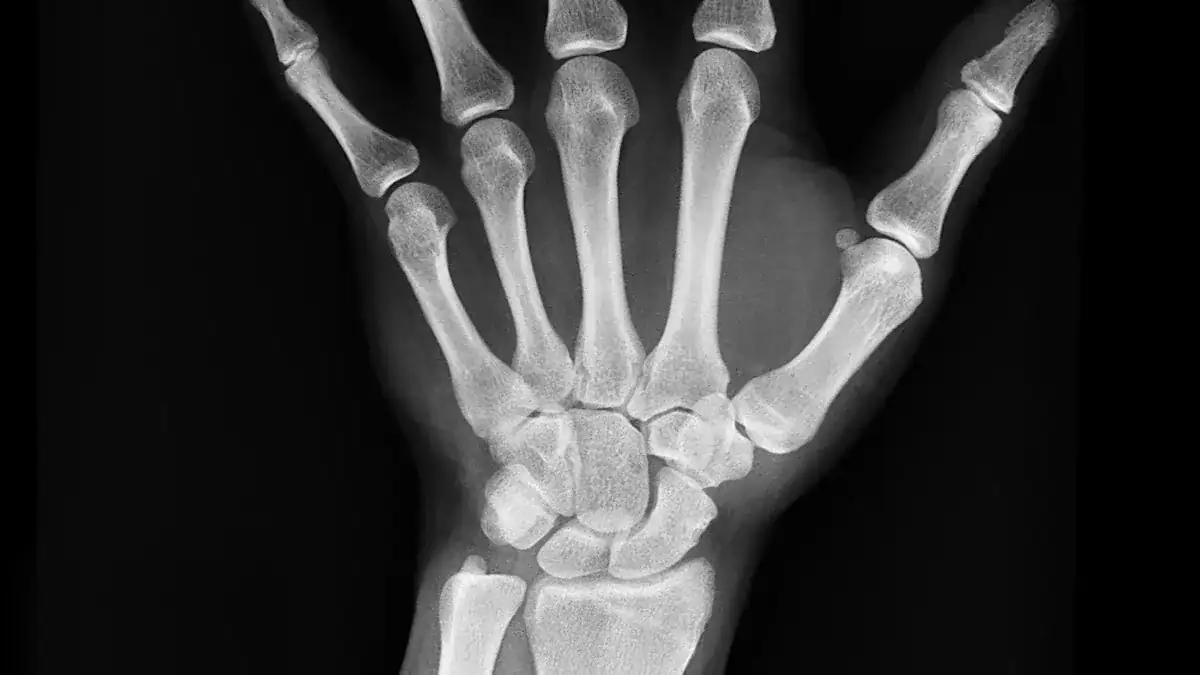
You might occasionally feel a slight weakness in your hands. This common feeling can be concerning. This hand weakness is not always benign. It often signals serious underlying conditions. For example, it may point to multiple sclerosis, stroke, or peripheral neuropathy.
A weakened hand grip can also indicate conditions like carpal tunnel syndrome. Understanding the causes of weakness is crucial. We will explore eight urgent causes of hand weakness. Take your symptoms seriously.
Key Takeaways
Hand weakness can be a sign of serious health problems. Do not ignore it.
Common causes of hand weakness include carpal tunnel syndrome, cubital tunnel syndrome, and nerve issues in your neck.
Diseases like stroke, multiple sclerosis, and rheumatoid arthritis can also make your hands weak.
Lumps or growths, like ganglion cysts, can press on nerves and cause hand weakness.
See a doctor right away if hand weakness starts suddenly or comes with other serious symptoms like confusion or trouble speaking.
Carpal Tunnel Syndrome
What is Carpal Tunnel Syndrome
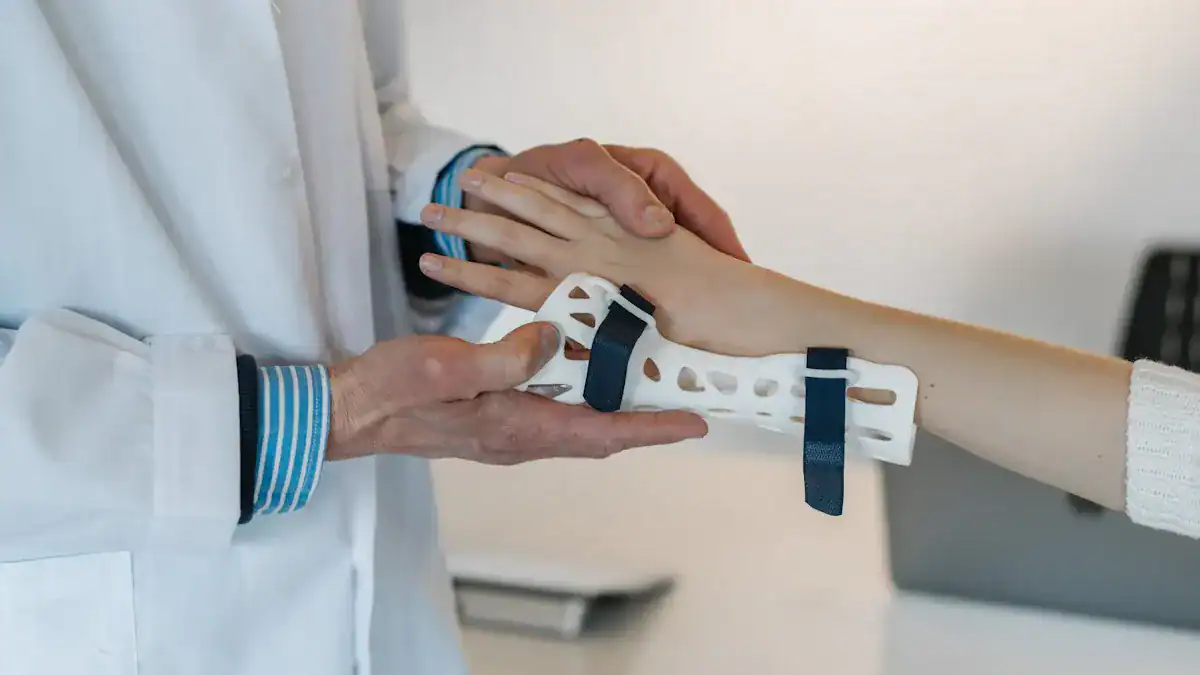
Carpal tunnel syndrome happens when a major nerve in your wrist, the median nerve, becomes compressed. This nerve runs through a narrow passageway in your wrist called the carpal tunnel. When tissues around the tendons in this tunnel swell, they press on the median nerve.
This pressure causes a pinched nerve, leading to various uncomfortable symptoms. This condition is quite common. Globally, carpal tunnel syndrome affects about 5% of people. In the United States, a 2010 survey showed that 3.1% of working adults experienced carpal tunnel syndrome within a year. Women are more often affected than men, and the risk increases as you get older.
Symptoms and Progression
You might notice numbness, tingling, and pain in your thumb, index, middle fingers, and half of your ring finger. These are common signs of carpal tunnel syndrome.
Often, these symptoms worsen at night or when you bend your wrist repeatedly. Some people even shake their hands to get relief, a movement called a ‘flick sign.’ You might also experience hand weakness, making it hard to grip objects. Over time, if left untreated, the weakness can become more severe, impacting your daily activities.
Diagnosis
Diagnosing carpal tunnel syndrome involves looking at several factors. Doctors combine your symptoms with physical examination findings. They might perform tests like the Phalen maneuver or the median nerve compression test. These tests help identify nerve irritation.
Electrodiagnostic studies are also useful. They confirm the diagnosis, rule out other conditions, and help determine how severe your carpal tunnel syndrome is. Ultrasound can also measure the median nerve’s size.
Cubital Tunnel Syndrome
Cubital Tunnel Syndrome Explained
Cubital tunnel syndrome occurs when the ulnar nerve, which runs along the inside of your elbow, becomes compressed or irritated. This nerve passes through a narrow space called the cubital tunnel.
When you bend your elbow, the ulnar nerve stretches. Repeated bending or direct pressure on the elbow can cause inflammation and swelling, leading to a pinched nerve. This compression can disrupt the nerve’s function. Incidence rates for cubital tunnel syndrome vary widely in reports.
Some studies show rates from 24.7 to 800 per 100,000 person-years. These figures are not always generalizable due to differences in study design and populations. A large US study estimated the adjusted incidence rate at 30.0 per 100,000 person-years.
This study identified over 53,000 new cases between 2006 and 2012. Men show a slightly higher incidence than women, but women under 50 have a higher incidence than men in the same age group. The risk generally increases with age for everyone.
Recognizing Symptoms
You might experience numbness and tingling in your ring and little fingers. Pain in your elbow and forearm also commonly occurs.
These symptoms often worsen when you bend your elbow for long periods, like when you talk on the phone or sleep with your arm bent. You may also notice muscle weakness in your hand, leading to difficulty with fine motor tasks. This hand weakness can make it hard to grip objects or perform delicate movements. Doctors often use nerve conduction studies to diagnose this condition. These tests show specific findings:
Slowed Conduction Velocity: The nerve conducts signals slower than 50 m/s across the elbow.
Abnormal Activity: In severe cases, electromyography (EMG) shows abnormal activity, indicating muscle denervation.
Fibrillations: Motor axon loss in prolonged compression leads to fibrillations during rest.
Reduced Recruitment: As the condition progresses, EMG tests show abnormal spontaneous activity and reduced motor unit recruitment.
Mild Cases: Doctors define mild cases by a motor nerve conduction velocity greater than 40 m/s across the elbow.
Management and Surgery
Initial treatments for cubital tunnel syndrome often involve conservative methods. You might use elbow splints, especially at night, to keep your arm straight. Avoiding activities that involve prolonged elbow bending or direct pressure on the elbow can also help. Physical therapy can strengthen your forearm muscles and improve nerve gliding. If conservative treatments do not relieve your symptoms, surgery may be necessary. Surgical decompression is considered the most effective treatment.
A network meta-analysis found that open in situ decompression offers the best outcomes. This technique has the greatest response and the lowest risk of complications, reoperation, and recurrence.
Surgical Technique | Success Rate | Complication Risk | Reoperation Risk | Recurrence Risk | Cost-Effectiveness |
|---|---|---|---|---|---|
Open In Situ Decompression | Highest | Least risky (3% overall) | Lowest (2% overall) | Safest (3% overall) | 18-55% less expensive |
All In Situ Decompressions | More effective | Lower risk | Lower risk | Lower risk | Less expensive |
Submuscular Transposition | Lower | Higher | 5 times higher | Higher | More expensive |
Approximately 87% of patients experience improvement with surgery. Overall, 3% of patients developed complications postoperatively. Only 2% of patients required reoperation, and 3% developed recurrence during surveillance.
Cervical Radiculopathy
Neck Nerve Compression
Cervical radiculopathy happens when a nerve root in your neck becomes compressed or irritated. Your spinal cord runs down your neck, and nerves branch off from it to your arms and hands.
When one of these nerve roots gets squeezed, it creates a pinched nerve. This compression often results from a herniated disc, bone spurs, or spinal stenosis. These issues narrow the space where the nerve exits the spine.
Impact on Hand Weakness
A compressed nerve in your neck can cause symptoms that travel down your arm and into your hand. You might feel pain, numbness, tingling, or even muscle weakness.
This can lead to significant hand weakness. The C7 nerve root is affected in over 50% of cases. The C6 nerve root is affected in about 25% of cases. Cervical radiculopathy most frequently impacts the C5-C6 or C6-C7 nerve roots. Symptoms linked to these nerve roots include muscle weakness in your arms and reduced grip strength or coordination in your hands.
Diagnosis and Therapy
Doctors diagnose cervical radiculopathy based on your symptoms and a physical exam. They might order imaging tests like an MRI. An MRI can predict 88% of cervical lesions. However, clinical evaluation and MRI findings do not always fully agree. Only 31% of patients showed full agreement between clinical evaluation and MRI regarding the suspected cervical root. An additional 28% showed agreement at an adjacent level. The agreement between clinical and MRI evaluations was 35% in one study.
Treatment often starts with conservative methods. These include physical therapy, pain medication, and sometimes steroid injections. A significant majority, 83%, of patients recover within 36 months without surgery. Substantial relief typically occurs within 4-6 months. Conservative management shows positive outcomes for motor improvement. One study reported 90.2% of patients experienced motor improvements with conservative care. Another study showed a 94.1% rate of motor improvement in a conservatively managed group.
Peripheral Neuropathy: Diverse Causes of Hand Weakness
Understanding Peripheral Neuropathy
You might wonder what peripheral neuropathy is. It affects nerves outside your brain and spinal cord. These nerves carry messages to and from your brain. When they get damaged, communication breaks down. Globally, about 7% of adults experience symptoms of polyneuropathy.
Diabetic peripheral neuropathy (DPN) is a very common type. It affects at least half of all patients with diabetes over time. Diabetes impacts an estimated 537 million adults worldwide. This shows a huge number of people with DPN.
Causes and Hand Weakness Patterns
Many things can cause peripheral neuropathy. Diabetes is a major one. Other causes of hand weakness from neuropathy include repetitive motions. These can lead to conditions like carpal tunnel syndrome.
Autoimmune diseases such as lupus or rheumatoid arthritis also cause nerve damage. Infections like West Nile, Shingles, and HIV/AIDS are known causes. Trauma from accidents or surgery can damage nerves. Vitamin deficiencies, especially B, E, D, and niacin, are crucial for nerve function.
Pressure from tumors or other conditions can compress, or even create a pinched nerve. Toxins, poisons, and chronic alcoholism also result in neuropathy. Some medications, like chemotherapy drugs, can have neuropathy as a side effect.
When these nerves suffer damage, you can experience hand weakness. You might also notice numbness, tingling, or pain in your hands. Ulnar neuropathy is a less common form. It causes pain on the outside of your arm and hand, especially near your little finger.
Neuropathy Treatment
Doctors have many ways to treat peripheral neuropathy. Neuromodulation technology, like spinal cord stimulation, helps when other therapies fail. DF2755A is a new treatment that prevents and reverses some types of neuropathy.
Capsaicin patches can relieve pain for up to three months. Anti-seizure drugs, such as gabapentin and pregabalin, reduce pain signals. Physical therapy strengthens muscles and improves balance.
Occupational therapy helps you with daily activities. Complementary therapies like acupuncture can manage pain. Surgical procedures, such as nerve decompression, relieve pressure. Advanced therapies, including stem cell therapy, are also being explored.
Alpha-lipoic acid, an antioxidant, may reduce pain. Herbal remedies like evening primrose oil are also used. Transcutaneous Electrical Nerve Stimulation (TENS) uses electrical currents to disrupt pain. Plasma exchange and IVIG treat autoimmune-related neuropathies.
Stroke
Stroke and Hand Weakness
A stroke happens when blood flow to part of your brain stops. Brain cells begin to die quickly without oxygen. This can cause sudden hand weakness. The brain controls your body’s movements. Damage to the brain areas that control your hands can make them weak. You might find it hard to grip things or move your fingers.
Other Stroke Signs
Recognizing other stroke signs is crucial. You might suddenly feel numbness or weakness in your face, arm, or leg, usually on one side of your body. You could have trouble speaking or understanding speech. Vision problems in one or both eyes are also common. You might also experience sudden confusion, dizziness, or a severe headache with no known cause. Remember the acronym FAST:
Face drooping
Arm weakness
Speech difficulty
Time to call emergency services
Emergency and Rehab
A stroke is a medical emergency. You need immediate medical attention. Thrombolysis (tPA) for ischemic strokes must be given within 4.5 hours of symptom onset. Earlier administration is always better. Doctors can perform thrombectomy for severe ischemic strokes up to 24 hours after symptom onset in carefully selected patients.
Test Name | Purpose | Time Window (Mice/Rats) | Relevance to Hand Weakness |
|---|---|---|---|
Skilled (pellet) Reaching | Skilled forelimb use and grasping | <3 weeks (mice) / >4 weeks (rats) | Upper extremity, fine hand and digit control |
Grip strength test | Forelimb grip strength | <2 weeks (mice) | Muscle weakness and paresis of the arm and hand |
After a stroke, rehabilitation helps you regain function. Occupational therapy is very important. Constraint-induced movement therapy (CIMT) helps stroke survivors with mild impairment. It shows greater gains in hand and arm function compared to standard therapy.
For those with moderate to severe impairment, hand function recovery is challenging. However, research shows it is possible. Interventions can lead to behavioral changes and neural plasticity. Mirror therapy, for example, can improve upper extremity function.
Multiple Sclerosis
MS and Motor Function
Multiple Sclerosis (MS) is a chronic disease. It affects your brain and spinal cord. MS damages the myelin sheath, which protects nerve fibers. This damage disrupts communication between your brain and the rest of your body. You might experience many symptoms.
These include problems with movement, sensation, and balance. Your motor function can significantly decline. Cortical lesions within the corticospinal network, specifically in the primary sensorimotor hand area (SM1-HAND), contribute to hand motor impairment.
These lesions in SM1-HAND are associated with reduced motor and sensory function of your contralateral hand. Intracortical type II and III/IV lesions are primarily responsible for these effects on motor performance. They link to delayed corticospinal conduction and reduced corticospinal excitability. This indicates specific functional impairment.
Progressive Hand Weakness
Many people with MS experience hand weakness. This weakness can progress over time. It makes daily tasks challenging. You might find it hard to grip objects or perform fine motor movements.
In Relapsing-Remitting MS (RRMS), global atrophy measures, lesions, and structural damage in motor-related regions predict your disability and hand function scores.
For Progressive MS (PMS), atrophy in cerebellar and sensorimotor regions, along with the integrity of cerebellar peduncles, predicts your disability. Increased resting-state functional connectivity between the left hand-motor cortex and right inferior frontal gyrus also predicts disability.
Diagnosis and Management
Diagnosing MS involves a neurological exam, MRI scans, and sometimes a spinal tap.
Doctors look for specific lesions in your brain and spinal cord. There is no cure for MS, but treatments can manage symptoms and slow disease progression. You might receive medications to reduce flare-ups. Physical therapy and occupational therapy help you maintain strength and function. These therapies can improve your quality of life.
Rheumatoid Arthritis
RA and Hand Joints
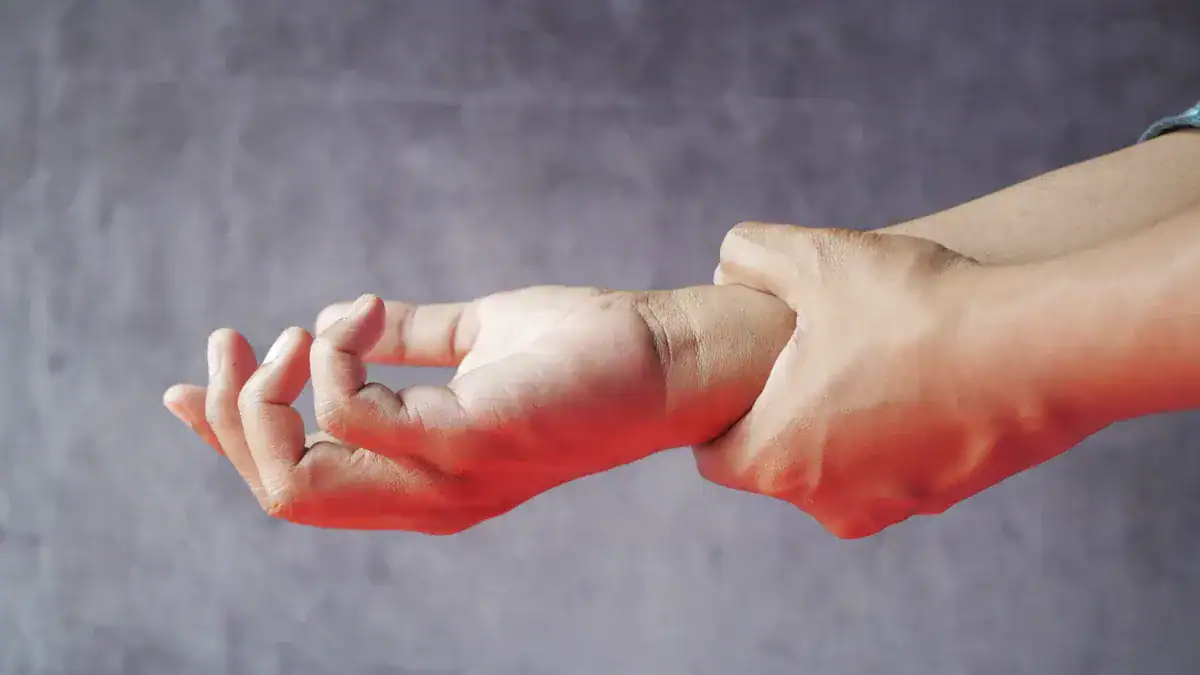
Rheumatoid Arthritis (RA) is an autoimmune disease. Your immune system mistakenly attacks your body’s own tissues. This primarily affects the lining of your joints.
It causes painful swelling. RA can lead to bone erosion and joint deformity over time. You often feel the effects in your hands and feet first. This condition is a common cause of arthritis in the hands. It can affect many joints at once. The inflammation can also spread to other body parts.
Inflammation and Weakness
Inflammation is a key feature of RA. The joint lining thickens. This causes swelling, pain, and stiffness. You might notice these symptoms are worse in the morning.
They can also worsen after periods of inactivity. Over time, chronic inflammation can damage cartilage and bone. This damage can make your joints unstable. It can also lead to significant hand weakness. You may find it hard to grip objects. Opening jars or turning doorknobs becomes difficult. The inflammation can also cause overall fatigue and a general feeling of being unwell.
Medical Management
Doctors aim to control inflammation and prevent joint damage. Early diagnosis and treatment are important for the best outcomes. You might receive disease-modifying antirheumatic drugs (DMARDs). These medications slow the disease progression.
Biologic agents are another treatment option. They target specific parts of the immune system. Physical therapy helps maintain joint flexibility and strength. It can also reduce pain.
Occupational therapy teaches you ways to protect your joints. You learn how to perform daily tasks more easily. Lifestyle changes, like regular exercise and a healthy diet, also support your overall health. Managing arthritis in the hands requires a comprehensive approach from your healthcare team.
Ganglion Cysts and Tumors
Cysts, Tumors, and Compression
You might discover a lump or bump on your hand or wrist. These are often ganglion cysts. They are non-cancerous lumps.
They typically form near joints or tendons. Tumors, both benign and malignant, can also grow in your hand. These growths can press on nearby nerves, blood vessels, or tendons. This compression can disrupt normal function in your hand.
Lumps and Hand Weakness
When these cysts or tumors press on nerves, you can experience various symptoms. You might feel pain, numbness, or tingling. This pressure can also lead to hand weakness. You may find it hard to grip objects or perform fine motor tasks. It is important to understand the differences between benign and malignant growths.
Feature | Benign Tumors (e.g., Schwannomas) | Malignant Tumors (e.g., MPNSTs) |
|---|---|---|
Growth Rate | Typically slow-growing, long duration | Rapid progression |
Lump Size | Generally smaller (most schwannomas < 3 cm) | Rapid increase in size |
Pain | May be painless initially, pain can appear with nerve compression | Rapid increase in pain degree |
Neurological Deficits | May cause pain, paresthesia, weakness as they compress nerves | Rapid progression of neurological function deficits |
Imaging Characteristics | Less helpful in distinguishing from other neoplasms | Large size, invasion into adjacent tissues, tumor necrosis |
Encapsulation | Schwannomas are usually encapsulated | Not typically encapsulated; may invade surrounding tissues |
You should also know about specific types of nerve tumors:
Schwannomas: These are common benign nerve tumors in your upper extremity. They grow slowly and are usually painless. They can cause neurological symptoms like weakness or numbness in your hand. Surgical removal often preserves the nerve.
Neurofibromas: These are another common benign nerve tumor. Surgical removal often results in neurological deficits. This happens because the tumor intertwines with nerve fibers.
Neurofibrosarcoma: This is an uncommon type of malignant nerve tumor.
Evaluation and Removal
If you notice a new lump or experience unexplained hand weakness, you should see a doctor. Your doctor will examine the lump. They might order imaging tests like an MRI. This helps determine the nature of the growth. For ganglion cysts, your doctor might first recommend observation.
They might also suggest aspiration, which drains the fluid. If the cyst causes pain or limits function, surgical removal is an option. However, ganglion cysts can return. The recurrence rate after initial surgical removal ranges from 4% to 40%. If you undergo a second surgical excision, the recurrence rate is 15%. For tumors, your doctor will discuss the best course of action. This often involves surgical removal.
When to See a Doctor for Hand Weakness
You might experience occasional hand weakness. Sometimes, this symptom signals a serious problem. You need to know when to seek medical help. Ignoring certain signs can delay important treatment.
Red Flag Symptoms
You should contact a doctor immediately if you notice specific symptoms. These are “red flags” that require urgent attention.
You experience a sudden onset of numbness or weakness.
Numbness or weakness occurs right after an injury.
Your numbness or weakness comes with stroke symptoms. These include weakness on one side of your body, confusion, or difficulty talking or moving.
These signs mean you need prompt medical evaluation. Do not wait for these symptoms to improve on their own.
Importance of Early Diagnosis
Early diagnosis is very important. It helps doctors find the cause of your hand weakness quickly. This allows you to start treatment sooner. Early treatment can prevent conditions from getting worse. It can also help you recover faster. For example, treating a pinched nerve early can prevent permanent damage. Addressing a weakened hand grip early can improve your daily function.
Preparing for Your Visit
You can help your doctor by preparing for your appointment. Write down all your symptoms. Note when they started and what makes them better or worse. List any medications you take. Also, include any recent injuries or illnesses. Prepare a list of questions you have for the doctor. This helps you get all the information you need.
You must never ignore hand weakness. It often signals various underlying conditions. We discussed diverse causes of hand weakness, from common issues like carpal tunnel syndrome to more serious concerns.
Understanding these causes of weakness is crucial for your hand health. If you experience persistent or worsening hand weakness, consult a healthcare professional promptly. Prioritize your health. Seek timely medical evaluation for accurate diagnosis and effective treatment.