


The HbA1c, or A1C, is a crucial blood test for diabetes management. It measures your average blood glucose (sugar) over the past two to three months. This A1C test provides a long-term picture of your sugar control, unlike daily blood glucose readings. It reflects glycated hemoglobin, showing your average blood glucose levels. According to the International Diabetes Federation (IDF) Diabetes Atlas (2025), 11.1% – or 1 in 9 – of adults live with diabetes globally. This highlights the importance of understanding your A1C. Doctors use the A1C test to diagnose prediabetes and diabetes, monitor treatment effectiveness, and assess complication risk. This guide will demystify the hba1c chart, empowering you with knowledge for better health and effective diabetes management. Understanding your A1C levels is key for good blood sugar control. Your hba1c test results are essential.
Key Takeaways
The HbA1c test shows your average blood sugar over the last 2 to 3 months. It helps doctors diagnose prediabetes and diabetes.
Your HbA1c result tells you if your blood sugar is normal, in the prediabetes range, or in the diabetes range. This helps you and your doctor make health decisions.
You can lower your HbA1c by making lifestyle changes. Eat healthy foods and exercise regularly. Medicines can also help if needed.
Regular HbA1c tests are important. They help you and your doctor check your blood sugar control and adjust your treatment plan.
Understanding the A1C Test
What is HbA1c and Its Importance
The hba1c test is a vital tool for managing your health. It measures your average blood sugar over the past two to three months.
Glycated hemoglobin, also known as glycohemoglobin, is a form of hemoglobin chemically linked to a sugar. This bonding happens naturally and without enzymes, mainly with glucose. A nonenzymatic condensation reaction occurs between glucose and the N-end of the beta chain of hemoglobin.
This forms a Schiff base, which then changes into 1-deoxyfructose, a stable glycated hemoglobin. This stable form is what the hba1c test measures. Your a1c level gives you a clear picture of your long-term sugar control. Doctors use the a1c test to diagnose prediabetes and diabetes. For example, an a1c level between 5.7% and 6.4% indicates prediabetes. This test helps you understand your risk and manage your blood glucose levels effectively.
How the A1C Test is Performed
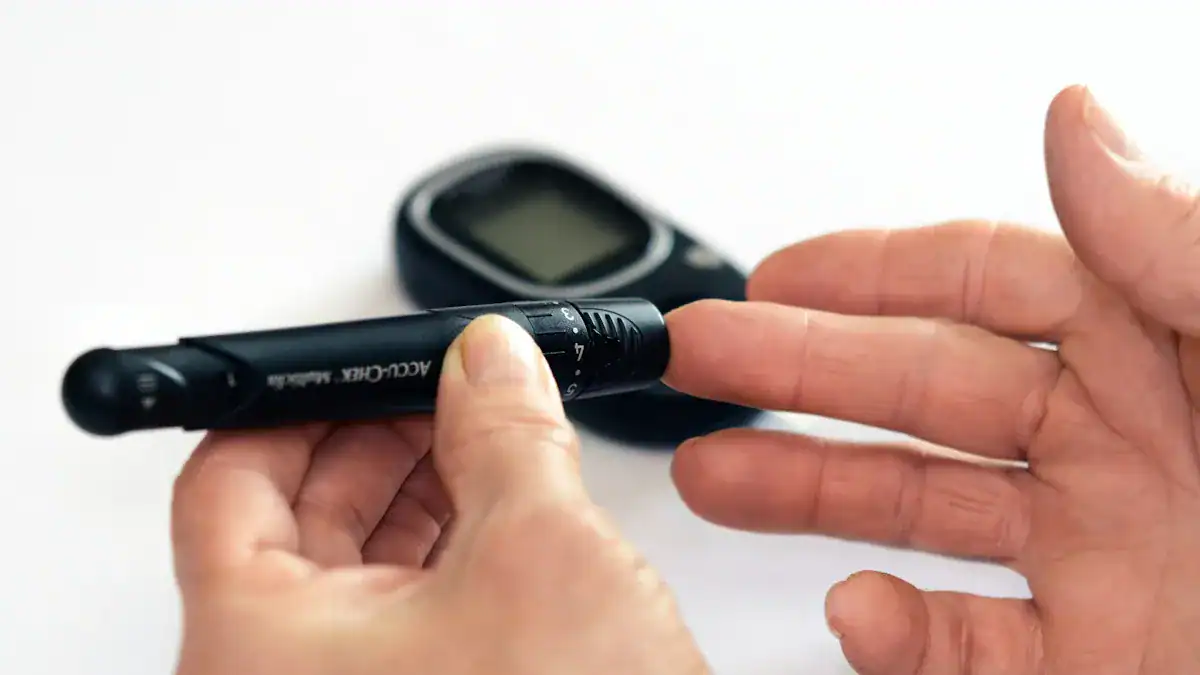
Getting an hba1c test is simple. You do not need any special preparation, like fasting. A healthcare professional can perform the a1c test in a few ways. Often, they take a venous blood sample. They tie a band on your upper arm to make your veins more visible. Then, they clean the skin and insert a small needle into a vein, usually in your elbow pit.
They collect blood into a tube. After collection, they apply a bandage to stop any bleeding. For children, or sometimes for adults, a finger-prick capillary sample works. A medical assistant pricks your fingertip with a lancet until a drop of sugar-containing blood appears. They mix this blood sample with a special substance. Then, they place the mixture into a cartridge for a testing machine. The results help you and your doctor make informed decisions about your health.
HbA1c vs. Daily Blood Glucose
You might wonder how the hba1c test differs from daily blood glucose monitoring. Both provide important information about your sugar levels, but they offer different perspectives.
Feature | HbA1c Test | Daily Blood Glucose Monitoring |
|---|---|---|
Measurement Frequency | Quarterly | Frequent (e.g., thousands over a week) |
Information Provided | Average glucose over preceding 4 months | Immediate, detailed glucose profiles, overnight levels, postprandial peaks |
The a1c test gives you an average of your glucose levels over several months. It shows your overall control.
Daily monitoring, on the other hand, gives you immediate results. It shows you how your sugar levels change throughout the day. This includes how food or exercise affects your blood glucose levels. Both types of results are valuable. They help you and your doctor understand your diabetes management. You use the a1c test for a long-term view, while daily checks give you real-time feedback on your current levels.
Interpreting Your HbA1c Chart
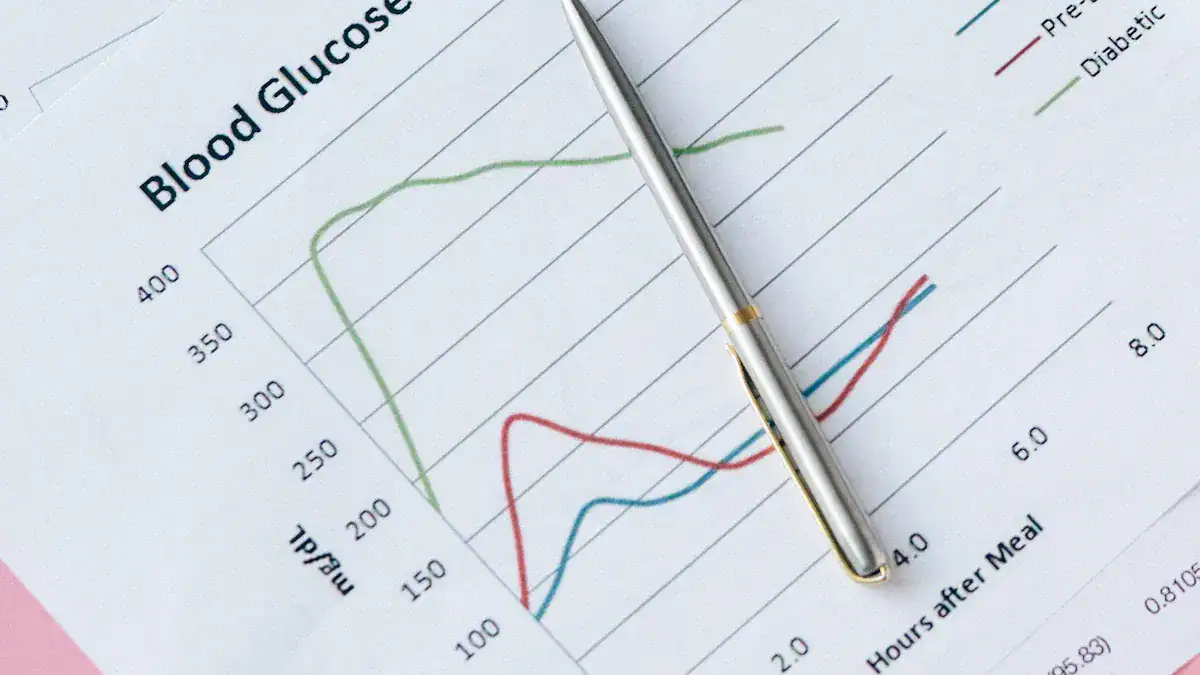
Understanding your hba1c chart is crucial for managing your health. Your A1C test results come as a percentage. This percentage tells you your average blood sugar over the past few months. Knowing these numbers helps you and your doctor make good decisions.
| HbA1c (%) | Average Glucose (mg/dL) | Average Glucose (mmol/L) | Interpretation |
|---|---|---|---|
| 4.0% | 68 mg/dL | 3.8 mmol/L | Normal (low end) |
| 4.5% | 82 mg/dL | 4.6 mmol/L | Normal |
| 5.0% | 97 mg/dL | 5.4 mmol/L | Normal |
| 5.5% | 111 mg/dL | 6.2 mmol/L | Normal |
| 6.0% | 126 mg/dL | 7.0 mmol/L | Prediabetes threshold |
| 6.5% | 140 mg/dL | 7.8 mmol/L | Diabetes diagnosis threshold |
| 7.0% | 154 mg/dL | 8.6 mmol/L | Good diabetes control target (for many) |
| 7.5% | 169 mg/dL | 9.4 mmol/L | Above target |
| 8.0% | 183 mg/dL | 10.2 mmol/L | Poor control |
| 8.5% | 197 mg/dL | 10.9 mmol/L | Poor control |
| 9.0% | 212 mg/dL | 11.8 mmol/L | Poor control |
| 9.5% | 226 mg/dL | 12.6 mmol/L | Very poor control |
| 10.0% | 240 mg/dL | 13.4 mmol/L | Very poor control |
| 11.0% | 269 mg/dL | 14.9 mmol/L | Extremely poor control |
| 12.0% | 298 mg/dL | 16.5 mmol/L | Dangerously high |
| 13.0% | 326 mg/dL | 18.1 mmol/L | Critically high |
| 14.0% | 355 mg/dL | 19.7 mmol/L | Critically high |
Normal HbA1c Levels
You want your hba1c levels to be in the normal range. For adults without diabetes, an A1C level below 6% is normal. This is a good sign of healthy sugar control. Typically, for individuals without diabetes, the average hba1c is less than 5.5% (36 mmol/mol). However, you should know that about 3.8% of adults without a diabetes diagnosis might have an A1C above 6%. Your normal hba1c can vary. There is no single universal target for hba1c. Your age, race, and other factors can influence your ideal hba1c level. HbA1c levels naturally increase as you get older, even if you do not have diabetes. You can use an eAG/A1C Conversion Calculator to see your estimated average glucose (eAG) from your A1C percentage. This helps you understand your daily glucose levels.
Prediabetes HbA1c Range
If your A1C test results fall between 5.7% and 6.4%, you have prediabetes. This means your blood sugar levels are higher than normal but not yet high enough for a diabetes diagnosis. Having prediabetes puts you at risk for developing type 2 diabetes. A higher A1C level within this range means a greater risk. High A1C levels, showing frequent high blood glucose, increase your risk for complications. These include nerve damage, kidney disease, and vision problems.
“Prediabetes is more common than overt diabetes, if you have prediabetes, you are at increased risk for heart disease and strokes in addition to the risk of developing overt diabetes,” states Dr. Trachtenbarg.
Prediabetes can harm your body even before a diabetes diagnosis. You should take action to lower your A1C level if you are in this range.
Diabetes HbA1c Levels
An hba1c level of 6.5% (48 mmol/mol) or higher means you have diabetes. This is a diagnostic criterion for diabetes. The American Diabetes Association (ADA) has recognized this A1C level since 2010. This test should be done in a lab using a certified method. If your A1C results are 6.5% or higher, you have diabetes. However, a lower value does not rule out diabetes if glucose tests show it.
Finger-prick hba1c tests should not be used for diagnosis unless they meet quality standards. A lab venous hba1c test must confirm them. If you have no symptoms, a repeat lab venous hba1c test is needed. If the second sample is also ≥ 6.5%, you are at high risk. You should be retested within six months or sooner if symptoms appear.
Your target hba1c level will depend on your individual situation. For example, if you have Type 1 diabetes, guidelines suggest aiming for an hba1c level of 6.5% (48 mmol/mol) or lower. This helps minimize long-term complications. However, your doctor will agree on an individualized target hba1c level with you. Many diabetes organizations recommend an A1C goal of less than 7% for Type 1 diabetes. This target has shown to reduce complications with a low risk of severe low sugar. This helps you achieve your ideal hba1c level.
You cannot use hba1c for diagnosing diabetes in certain situations:
All children and young people.
Patients suspected of having Type 1 diabetes.
Patients with diabetes symptoms for less than two months.
High-risk patients who are acutely ill.
Patients with acute pancreatic damage.
During pregnancy.
When genetic, hematologic, and illness-related factors affect hba1c and its measurement.
Factors Affecting HbA1c Results
Several factors can affect your A1C results. These can sometimes give you a falsely high a1c or a falsely low a1c. It is important to discuss these with your doctor.
Medical conditions that can falsely elevate hba1c results include:
Iron deficiency anemia: This condition is linked to higher hba1c levels. Iron replacement therapy can lower hba1c in both diabetic and non-diabetic individuals.
Sickle cell disease or thalassemia.
Recent blood transfusion or significant blood loss.
Hemoglobin variants.
Kidney failure, especially if you are on hemodialysis.
Liver disease.
Pregnancy: Late pregnancy in non-diabetic individuals can show increased hba1c due to iron deficiency.
Medications and supplements can also affect your A1C test results. These can sometimes lead to a falsely high a1c or a falsely low a1c.
Medications and supplements that can falsely elevate hba1c results include:
Steroids.
Certain cancer treatments.
Some treatments for hepatitis or HIV.
High levels of vitamin E.
Vitamin C (depending on the lab measurement method).
Your doctor considers these factors when interpreting your A1C results. This ensures you get an accurate picture of your sugar control. Understanding your hba1c levels and targets is key to managing your health.
Effective Diabetes Management: Lowering HbA1c
You can take control of your health. You can improve your a1c. This section gives you actionable advice. You can lower your hba1c and achieve better health. This is key for effective management of diabetes.
Lifestyle Changes for Better Control
You play a big role in managing your blood sugar. Small changes in your daily life make a big difference. You can improve your overall health. You can also lower your a1c level. Focus on consistent habits. These habits help you maintain stable blood glucose levels. You will feel better and reduce your risk of complications.
The Role of Diet and Exercise
Your diet and exercise habits directly impact your hba1c. You can make specific dietary changes. These changes significantly lower your a1c. Medical nutrition therapy reduces hba1c levels by 0.3–2.0% for people with type 2 diabetes. You can explore several eating patterns. These include:
Mediterranean diet
Low-carbohydrate diet
Fiber-rich diet
Intermittent very-low-calorie diet
Vegetarian or plant-based diet
A low-carbohydrate diet helps you a lot. It leads to greater reductions in hba1c over six months. This is compared to a usual diet. A lifestyle weight-loss intervention also significantly reduces hba1c levels. This is true for many people.
Exercise is also vital. You need regular physical activity. This helps lower your a1c. International guidelines recommend a minimum of 150 minutes of aerobic exercise each week. You also need 2–3 days of resistance exercise. You can choose from different types of activity:
At least 150 minutes of moderate aerobic activity per week.
At least 75 minutes of vigorous aerobic activity per week.
A combination of moderate and vigorous aerobic activity each week.
Moderate-intensity aerobic exercise includes brisk walking, gardening, and dancing. Vigorous-intensity exercise includes swimming, fast walking, jogging, running, and cycling. High-intensity interval training (HIIT) is very effective for hba1c reduction. Combined training, aerobic training, and resistance training also help.
Medical Treatments and Monitoring
Sometimes, lifestyle changes are not enough. You might need medication to reach your target a1c. Your doctor will discuss options with you. Many oral medications help manage type 2 diabetes. They lower your a1c. These include:
Metformin (a biguanide)
Dipeptidyl peptidase 4 (DPP-4) inhibitors
Glucagon-like peptide 1 (GLP-1) and dual glucose-dependent insulinotropic polypeptide (GIP) and GLP-1 receptor agonists (one oral form exists)
Sodium-glucose cotransporter 2 (SGLT2) inhibitors
Sulfonylureas
Thiazolidinediones (TZDs)
Metformin lowers blood glucose. It decreases liver glucose production. It also increases muscle tissue sensitivity to insulin. DPP-4 inhibitors improve a1c by preventing the breakdown of natural hormones. These hormones reduce blood glucose. SGLT2 inhibitors block glucose reabsorption in your kidneys. This leads to glucose excretion in urine. This improves blood glucose and can cause some weight loss. Initiating these oral drugs can reduce hba1c by 0.3% to 1.1%. DPP-4 inhibitors lower a1c by 0.7% to 0.9%. SGLT2 inhibitors show a reduction of 0.6% to 1.0%.
You might also need injectable medications. GLP-1 receptor agonists (GLP-1-RA) are injectable options. They are often preferable to insulin for some patients. These medications have cardiovascular benefits. Doctors recommend them for patients with heart disease or kidney disease. Combining GLP-1 receptor agonists and insulin helps manage type 2 diabetes. This combination addresses weight gain. It also helps avoid high insulin doses. Your doctor will help you find the right target for your treatment.
Regular HbA1c Testing Schedule
Regular monitoring is essential. You need to know your a1c levels. This helps you and your doctor adjust your treatment plan. The American Diabetes Association (ADA) provides guidelines for testing. If your diabetes is stable and you meet your treatment goals, you should have an a1c test at least twice a year. If you are not meeting your glycemic control goals, the ADA recommends quarterly testing. This regular monitoring helps you stay on target. It ensures your diabetes management is effective.
You now understand your a1c. It measures your average sugar over months. This helps your diabetes management. You can interpret your hba1c chart. It shows normal, prediabetes, and diabetes ranges.
Your a1c results guide your health. These a1c results are crucial. Proactive changes and medical adherence are vital for your a1c. Managing your a1c prevents complications. It improves your overall health. Your a1c levels reflect your sugar control. Always consult your doctor for personalized advice. This guide offers information only. Your a1c results are important for your sugar levels.
FAQ
What is a good a1c level?
For most adults without diabetes, an a1c below 6% is normal. If you have diabetes, your doctor sets a personal target. This target a1c often aims below 7%. This helps you manage your blood sugar effectively.
What does a high a1c mean?
A high a1c indicates your average blood sugar has been elevated. A level between 5.7% and 6.4% suggests prediabetes. An a1c of 6.5% or higher means you have diabetes. High levels increase complication risks.
What can lower your a1c?
You can lower your a1c through lifestyle changes. Eat a balanced diet. Exercise regularly. Your doctor may also prescribe medications. These actions help improve your blood sugar control. Consistent effort helps reduce your a1c.
What is the normal a1c for a non-diabetic?
A normal a1c for someone without diabetes is typically below 5.7%. This range shows healthy blood sugar control. Your a1c level reflects your average glucose. Maintaining a normal a1c helps prevent future health issues.