
Immunoglobulins, also known as antibodies, are vital proteins in your immune system. They actively identify and neutralize harmful pathogens. When an immunoglobulin test shows high immunoglobulin levels, it immediately signals an underlying health issue.
You need prompt medical evaluation. These elevated levels are not a diagnosis. Instead, they serve as a critical clue, indicating your body’s response to a challenge. For instance, some children show high IgE, a specific antibody type, and have serious underlying health conditions, even without typical allergic reactions. Understanding these elevations is key for timely intervention.
Key Takeaways
High immunoglobulin levels mean your immune system is working hard. This signals an underlying health problem. You need prompt medical evaluation.
Immunoglobulins are your body’s defenders. They fight invaders like bacteria and viruses. Different types of immunoglobulins have specific jobs.
Many things can cause high immunoglobulin levels. These include infections, autoimmune diseases, allergies, liver problems, and certain cancers.
Doctors check if high levels are polyclonal or monoclonal. This helps them find the exact cause. Polyclonal means a general immune response. Monoclonal often points to specific blood conditions.
Always talk to a doctor about high immunoglobulin levels. They will interpret your results. They will guide you to the right diagnosis and treatment.
What Are Immunoglobulins?
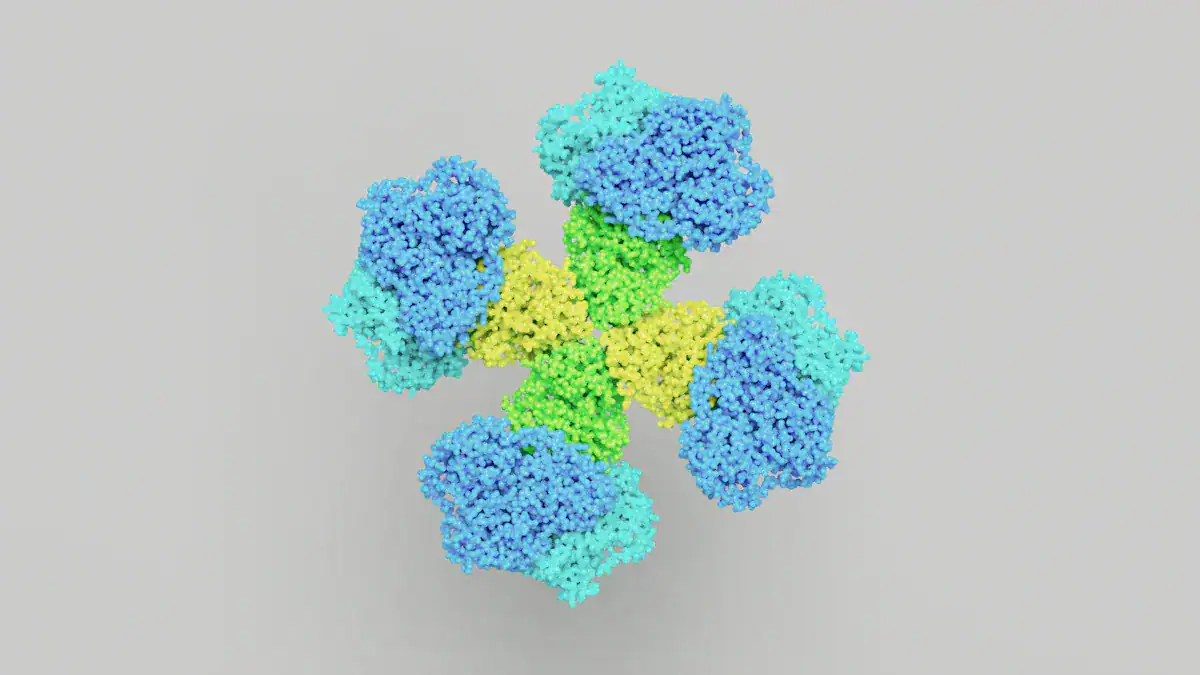
Immune System’s Defenders
Immunoglobulins are special proteins. Your immune system makes them. Think of them as your body’s personal security guards. They are also called antibodies. These antibodies patrol your body.
They look for anything that does not belong. Each immunoglobulin has a unique shape. This shape allows it to recognize specific invaders. Your antibodies target a wide range of threats. These include bacteria, viruses, and parasites. They also recognize chemical substances, allergens, and even cancerous cells. Fungus and synthetic substances can also trigger an antibody response.
How Antibodies Protect You
Once an antibody finds a threat, it acts fast. Antibodies protect you in several key ways.
Neutralization: An antibody binds to the harmful part of a pathogen. This stops the pathogen from attaching to your healthy cells. This also neutralizes toxins. For example, antibodies can bind to bacterial toxins. This makes the toxins harmless.
Opsonization: Antibodies act like a flag. An antibody attaches to an infected cell or a cancer cell. This labels it for removal. Other immune cells, like macrophages, then know to digest and remove these marked cells.
Complement Activation: When antibodies bind to invaders, they trigger complement proteins. These proteins work together. They create holes in the invader’s cell membrane. This causes the invader to burst and die.
Specifically, antibodies can stop bacteria in many ways. They can bind to toxins bacteria release. This blocks their harmful effects. Antibodies also prevent bacteria from sticking to your cells.
This stops them from colonizing your body. They can target many parts of bacteria, like their surface proteins or sugars. Different types of immunoglobulin have specific jobs and locations.
For instance, IgG antibodies provide long-term immunity in your blood. IgA antibodies protect your body’s surfaces, like your gut and lungs. IgM is the first antibody your body makes when you get a new infection. IgE handles allergic reactions and fights parasites. IgD helps activate B cells.
High Immunoglobulin Levels: Urgent Meaning
When Elevated Levels Signal a Problem
When your blood tests show high immunoglobulin levels, this is not a benign finding. It often indicates a serious health problem. Your body is actively fighting something. These elevated levels are a clear signal.
They tell you that your immune system is working overtime. This overactivity requires investigation. You might be dealing with a chronic infection. Perhaps an autoimmune disease is at play. Sometimes, these levels point to certain cancers. For example, doctors often see high immunoglobulin levels in cases of autoimmune diseases, hepatitis, and cirrhosis.
Chronic infections also frequently cause these elevations. Specific cancers, such as Multiple Myeloma, Chronic Lymphocytic Leukemia (CLL), Lymphoma, and Waldenström Macroglobulinemia, can also lead to these findings.
Other conditions like serious immune defects, chronic rheumatological diseases, inflammatory gastrointestinal disorders, and even diabetes can show elevated immunoglobulin levels. Pediatric Henoch Schonlein purpura and Periodic Fever (Hyper-IgD) Syndrome are also associated with these increases.
Why Prompt Medical Evaluation is Crucial
Ignoring elevated immunoglobulin levels can lead to serious consequences. You risk delaying the diagnosis and treatment of potentially severe conditions. Early detection is vital for many diseases.
For instance, catching certain cancers or autoimmune disorders early significantly improves your treatment outcomes. If you delay, a treatable condition might progress. This makes it harder to manage. Your doctor needs to understand the specific type of immunoglobulin that is high.
They also need to know if the increase is polyclonal or monoclonal. This information guides their investigation. It helps them pinpoint the exact cause. A prompt medical evaluation ensures you receive the right tests. It leads to an accurate diagnosis. This allows you to start appropriate treatment without unnecessary delay. Your health depends on this timely action.
Causes of High Immunoglobulin Levels
When your body produces high immunoglobulin levels, it signals an underlying issue. Many different conditions can trigger this immune response. Understanding these causes helps you and your doctor pinpoint the problem.
Infections: Acute and Chronic
Infections are a common reason for elevated immunoglobulins. Your immune system ramps up antibody production to fight off invaders.
Acute infections, like a sudden viral illness or bacterial infection, cause a rapid increase in specific antibodies. For example, your body makes IgM first, then IgG, to combat a new virus.
Chronic infections, such as hepatitis, HIV, or persistent parasitic infestations, can lead to sustained high immunoglobulin levels. Your immune system remains on high alert, continuously producing antibodies to keep the infection in check. This prolonged immune activity can result in significantly elevated total immunoglobulin counts.
Autoimmune Disorders and Inflammation
Autoimmune disorders occur when your immune system mistakenly attacks your own healthy tissues. This constant internal battle leads to chronic inflammation and, often, high immunoglobulin levels. Your body produces antibodies against itself.
Many autoimmune conditions show elevated immunoglobulins. For example, individuals with Hyper IgM syndromes (HIGM) can develop autoimmune disorders. These include hemolytic anemia and thrombocytopenia, which is abnormally low platelet counts.
Specific autoimmune diseases characterized by increased IgM levels include autoimmune hemolytic anemia, multiple sclerosis, cryoglobulinemia, and primary biliary cirrhosis. These conditions demonstrate how your immune system’s misdirected efforts can drive up antibody production.
Allergic Reactions and Hypersensitivity
Allergic reactions are another significant cause of elevated immunoglobulin levels, particularly high IgE levels.
Immunoglobulin E (IgE) antibodies are responsible for allergic reactions. They can mistakenly identify harmless substances, such as food proteins or pollen, as harmful. When IgE antibodies, attached to immune cells, recognize an antigen, they trigger the release of chemicals like histamines.
This leads to an allergic reaction. This can range from general allergic responses to severe allergic reactions like anaphylaxis. High IgE levels are associated with various allergic conditions. These include allergic rhinitis (hay fever), asthma, food allergies, and hives.
Hypersensitivity to allergens like pollen, dust, or food is a common cause of high IgE levels. This occurs when your immune system incorrectly identifies these substances as infectious agents. This leads to an increase in IgE to neutralize them. Common symptoms associated with this hypersensitivity include a runny nose, sneezing, and itchy eyes. Understanding the causes of high IgE helps manage these conditions.
Liver Disease and Dysfunction
Your liver plays a crucial role in processing and clearing substances from your blood, including immunoglobulins. When your liver is diseased or dysfunctional, it cannot perform this job effectively.
This leads to a buildup of immunoglobulins in your bloodstream. Hypergammaglobulinemia in patients with chronic liver disease (CLD) is suggested to be a consequence of the diseased liver’s diminished capacity to remove immunoglobulins.
This leads to elevated serum IgG levels. Doctors commonly observe these in advanced CLD, particularly decompensated cirrhosis. They are also linked to the severity of the liver disease. Therefore, liver conditions, especially cirrhosis, are a notable cause of high immunoglobulin levels, particularly IgG.
Certain Cancers and Blood Conditions
Some cancers and blood conditions directly affect the cells that produce immunoglobulins. This can lead to an overproduction of these proteins.
For instance, Waldenström macroglobulinemia is a blood cell cancer where abnormal white blood cells produce excess amounts of IgM, a type of immunoglobulin. Multiple myeloma is a malignancy that can cause hypergammaglobulinemia.
This is a condition characterized by elevated levels of immunoglobulins in your blood. These conditions involve the uncontrolled proliferation of plasma cells, which are the cells responsible for making antibodies. This uncontrolled growth results in a monoclonal increase, meaning one specific type of immunoglobulin is produced in excess.
Polyclonal vs. Monoclonal Immunoglobulin Increases
When you see high immunoglobulin levels, doctors look at whether the increase is polyclonal or monoclonal. This distinction is crucial. It helps them understand the underlying cause. Your body produces immunoglobulins in different ways, depending on the threat.
Understanding Polyclonal Hypergammaglobulinemia
Polyclonal hypergammaglobulinemia means many different plasma cells produce many different antibodies. Your immune system creates a broad range of antibodies to fight various invaders.
This is a normal response to a general immune system activation. You might see this type of increase with many conditions. These include infections (56% of cases), autoimmune and autoinflammatory diseases (20%), and liver diseases (18%). Hematological and non-hematological malignancies also account for about 6% of cases.
When your immunoglobulin levels are significantly high (20 g/L or more), you need a thorough diagnostic work-up.
This helps identify the specific cause. A clinical examination offers initial clues, but you will often need further biological and imaging tests for a definitive diagnosis. Currently, there is no universal agreement on a diagnostic strategy for polyclonal hypergammaglobulinemia. Existing recommendations for serum protein electrophoresis (SPE) often focus more on monoclonal abnormalities.
Monoclonal Gammopathy and Paraproteins
Monoclonal gammopathy is different. Here, a single clone of plasma cells produces one specific type of immunoglobulin. Doctors call this a paraprotein. This appears as a sharp, well-defined band in tests. It has a single heavy chain and either a kappa or lambda light chain. This contrasts with polyclonal gammopathy, which shows a broad, diffuse band with multiple heavy chains and both kappa and lambda light chains.
Immunofixation electrophoresis is the gold standard test. It confirms the presence of a monoclonal protein. It also identifies its heavy and light chain type. Monoclonal hypergammaglobulinemia often links to hematological disorders.
These include multiple myeloma and Waldenström macroglobulinemia. Polyclonal gammopathy, however, associates with diverse diseases. These include liver disease, connective tissue disorders, and chronic infections like HIV.
Specific Immunoglobulin Types and Their Roles
Each type of immunoglobulin plays a distinct role in your body’s defense. Understanding these specific functions helps you interpret what elevated levels might mean.
IgG Elevations: Infections and Liver Issues
IgG is the most common type of immunoglobulin. It provides long-term protection against many infections. When you see high IgG levels, it often points to ongoing infections or chronic inflammation. Liver cirrhosis is another common cause. Your liver processes immunoglobulins. When it struggles, IgG can build up. High IgG levels at the start of sepsis can also indicate a worse outcome.
Immunoglobulin | Mortality Type | Hazard Ratio (HR) | 95% Confidence Interval (CI) | p-value |
|---|---|---|---|---|
IgG | 28-day | 1.83 | 1.33–2.51 | < 0.001 |
IgG | 90-day | 1.66 | 1.23–2.25 | 0.001 |
Patients with high IgG levels experienced increased mortality. The 28-day mortality in the high group was twice as high as in the low and normal ranges.
IgA Elevations: Mucosal Immunity and Sepsis Risk
IgA protects your mucosal surfaces. These include your gut, respiratory tract, and urinary tract. Elevated IgA often suggests issues in these areas. It can also signal chronic infections or autoimmune conditions. Like IgG, high IgA levels at the onset of sepsis are a concern.
A large study found that high IgA levels on the first day of diagnosis linked to decreased 90-day survival. This suggests that checking your IgA levels could help identify septic patients at high risk of mortality.
IgM Elevations: New Infections and Rare Syndromes
Your body produces IgM first when you encounter a new infection. High IgM levels usually mean you have a recent infection. However, very high or persistent IgM can indicate rare conditions. Hyper IgM syndromes are genetic mutations. They lead to severe recurrent infections. You also face higher risks for cancer and autoimmune disorders.
Hyper IgM Syndromes can lead to:
Pulmonary complications
Gastrointestinal complications
Autoimmune disorders (like arthritis or low platelet counts)
Hematologic abnormalities
Lymphoproliferation
Malignancies, including liver cancer
IgE Elevations: Allergies, Infections, and Malignancy
IgE is primarily involved in allergic reactions. High IgE levels are a hallmark of allergies. These include asthma, hay fever, and food allergies. You might also see high IgE levels with parasitic infections. Less commonly, certain blood cancers can cause high IgE levels.
Blood cancers associated with high IgE levels include:
Hodgkin’s lymphoma
Non-Hodgkin’s lymphoma
B-cell chronic lymphocytic leukemia
Sézary’s syndrome
Understanding the causes of high IgE helps you manage these conditions. Very high IgE levels can sometimes indicate severe allergic reactions.
IgD: Less Understood Elevations
IgD is the least understood immunoglobulin. It primarily functions on the surface of B cells. It helps signal B cells for activation. This prepares them for immune defense. IgD also binds to basophils and mast cells. This activates them to produce antimicrobial factors. This helps your immune system in your respiratory tract. Scientists continue to research its full role.
Symptoms Linked to High Immunoglobulin Levels
When your immunoglobulin levels are high, your body often sends signals. You might experience various symptoms. These symptoms can be general or specific to an underlying condition. Recognizing them helps you understand when to seek medical help.
General Systemic Indicators
You might notice some general signs. These indicate your immune system is working hard. You could feel tired more often. You might also experience unexplained fevers or weight loss.
Sometimes, you might have swollen lymph nodes. These are common responses to inflammation or infection. For example, you might observe proteinuria, which means protein in your urine. You could also see hematuria, which is blood in your urine. Increased intestinal permeability is another general indicator. These signs suggest your body is under stress.
Condition-Specific Manifestations
Specific conditions show unique symptoms. These symptoms often relate to the type of immunoglobulin elevated. For instance, if you have high IgE levels, you might experience symptoms related to allergies.
These are common symptoms of high IgE. However, high IgE levels can also link to autoimmune conditions. You might have autoimmune pancreatitis. This condition shows elevated total IgE levels. Other autoimmune issues also connect to IgE. These include:
Asthma (non-allergic, corticosteroid-dependent with aspirin sensitivity)
Allergic rhinoconjunctivitis
Hyperthyroid Graves’ disease
Graves’ orbitopathy
Chronic urticaria
Systemic lupus erythematosus (SLE)
Autoimmune uveitis
Multiple sclerosis (MS)
Each of these conditions has its own set of symptoms. They also show specific IgE antibodies.
When to Be Concerned
You should be concerned if you experience persistent or worsening symptoms. Do not ignore new or unusual symptoms. If you have symptoms of high IgE, or any other concerning signs, consult your doctor. Early evaluation is important. It helps identify the cause of high immunoglobulin levels. This allows for timely treatment. Your doctor can perform tests. They can determine the exact reason for your symptoms.
Importance of Professional Guidance
You should never try to interpret your immunoglobulin test results alone. High immunoglobulin levels are a signal. They point to an underlying health issue. Only a healthcare professional can accurately diagnose the cause.
They will guide you through the next steps. This might involve more tests or starting a treatment plan. Prompt medical evaluation ensures you receive the correct diagnosis. It also leads to timely and effective treatment. Your doctor’s expertise is crucial for managing your health.
High immunoglobulin levels are a critical signal from your body. You need thorough medical investigation, not self-diagnosis. Understanding the specific type of immunoglobulin elevated and if it is polyclonal or monoclonal is key. This helps identify the underlying cause.