The hip muscles, including the glutes and flexors, are vital for daily movement. They support athletic performance and maintain overall body stability. Understanding their anatomy helps prevent injuries, improves posture, and enhances physical capabilities. This knowledge is crucial for a strong, functional hip. This post provides a clear, diagram-supported guide to this essential hip muscle anatomy: essential glute & flexor diagram. It focuses on these important hip muscles.
Key Takeaways
Hip muscles, like glutes and flexors, are important for daily movement and body stability. Knowing about them helps prevent injuries and improves how you move.
Hip flexors lift your leg forward. The iliopsoas is the strongest hip flexor. Tight hip flexors, often from sitting a lot, can cause back pain and bad posture.
Gluteal muscles move your leg backward and keep your body stable. The gluteus maximus is the biggest glute muscle. It helps you walk, run, and stand.
The gluteus medius and minimus help move your leg away from your body. They also keep your pelvis steady when you walk. Weakness in these muscles can cause problems with balance.
Piriformis syndrome happens when a muscle in your buttock presses on a nerve. This causes pain in your buttock and down your leg. It can get worse when you sit for a long time.
Hip Joint: Basic Structure & Movement
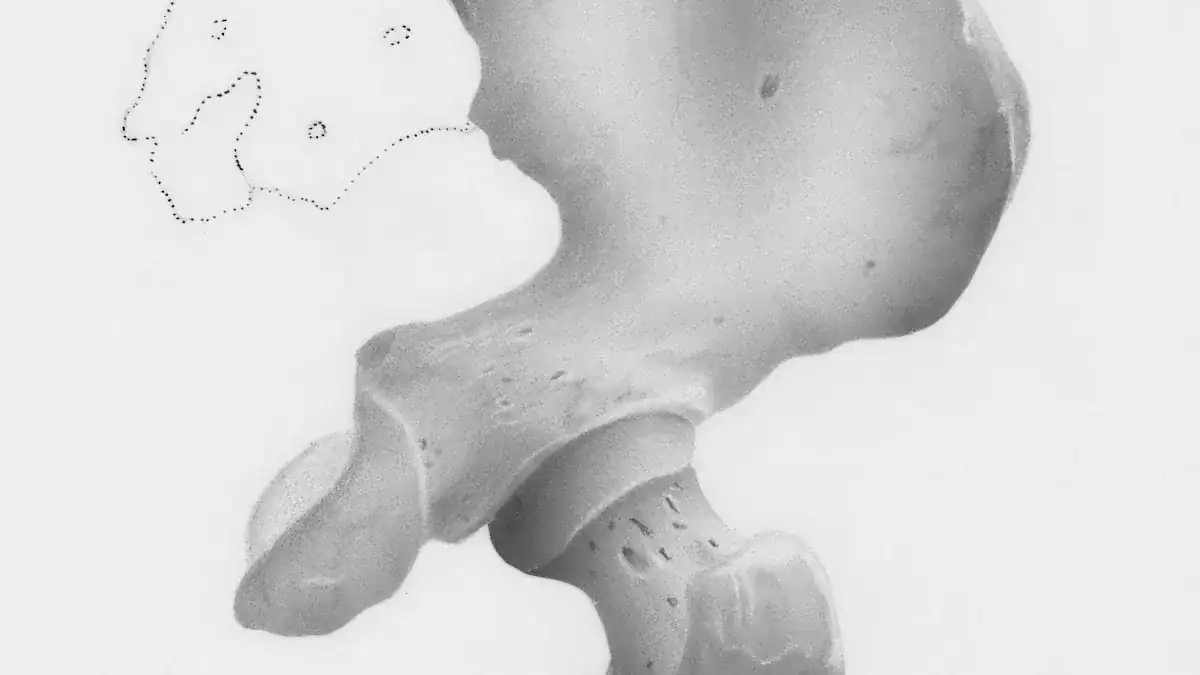
Basic Skeletal Structure of the Hips
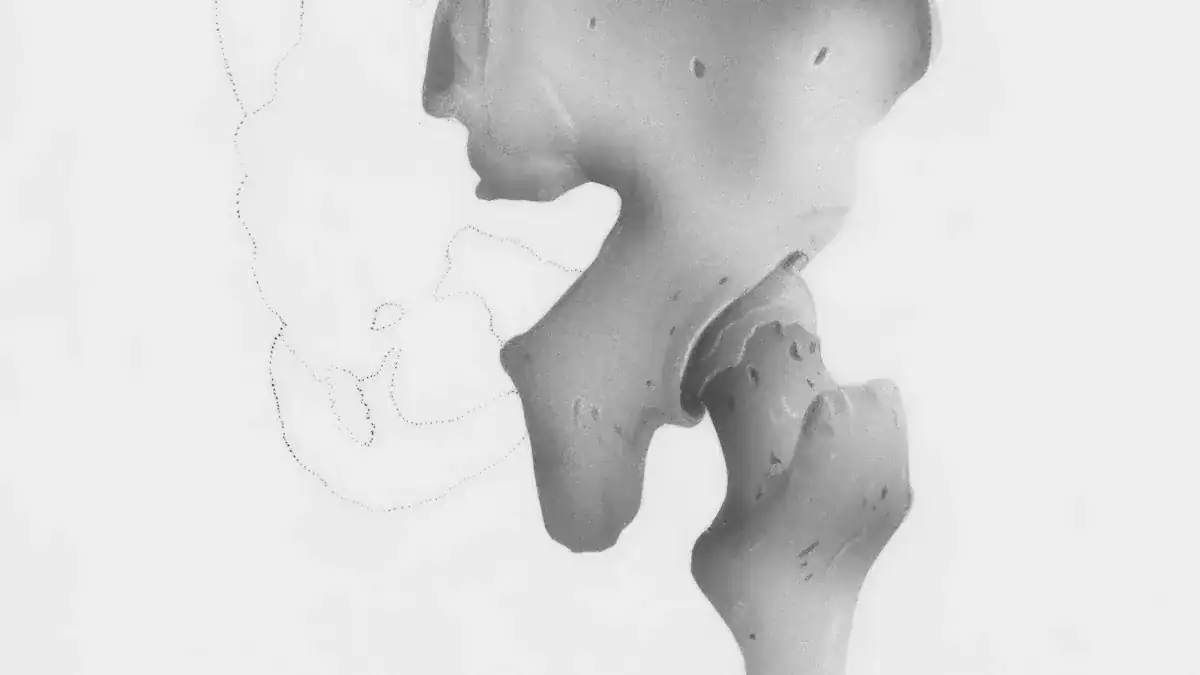
The hip joint is a crucial part of the human body. It connects the leg to the trunk. This joint is a ball-and-socket type. This design allows for a wide range of motion. The ‘ball’ component is the femoral head. This is the rounded top part of the femur, or thigh bone. The ‘socket’ is the acetabulum. This cup-shaped part is in the hip bone.
The acetabulum itself forms from three fused bones: the ilium, the ischium, and the pubis. These bones work together. They create a stable and mobile connection between the pelvis and the femur. Understanding the basic skeletal structure of the hips provides a foundation for comprehending hip muscle anatomy: essential glute & flexor diagram.
Basic Musculature of the Hips
Many muscles surround the hip joint. These hip muscles enable all hip movements. They also provide stability. Different groups of muscles perform specific actions.
Hip flexors, like the iliopsoas and rectus femoris, lift the leg forward. Extensors, such as the gluteus maximus and hamstrings, move the leg backward. Abductors, including the gluteus medius and minimus, move the leg away from the body’s midline. Adductors, like the adductor longus and magnus, bring the leg back towards the midline. Internal and external rotators turn the leg inward or outward. These muscle groups work together. They allow complex hip movements for walking, running, and jumping.
Hip Flexors: Anatomy & Function
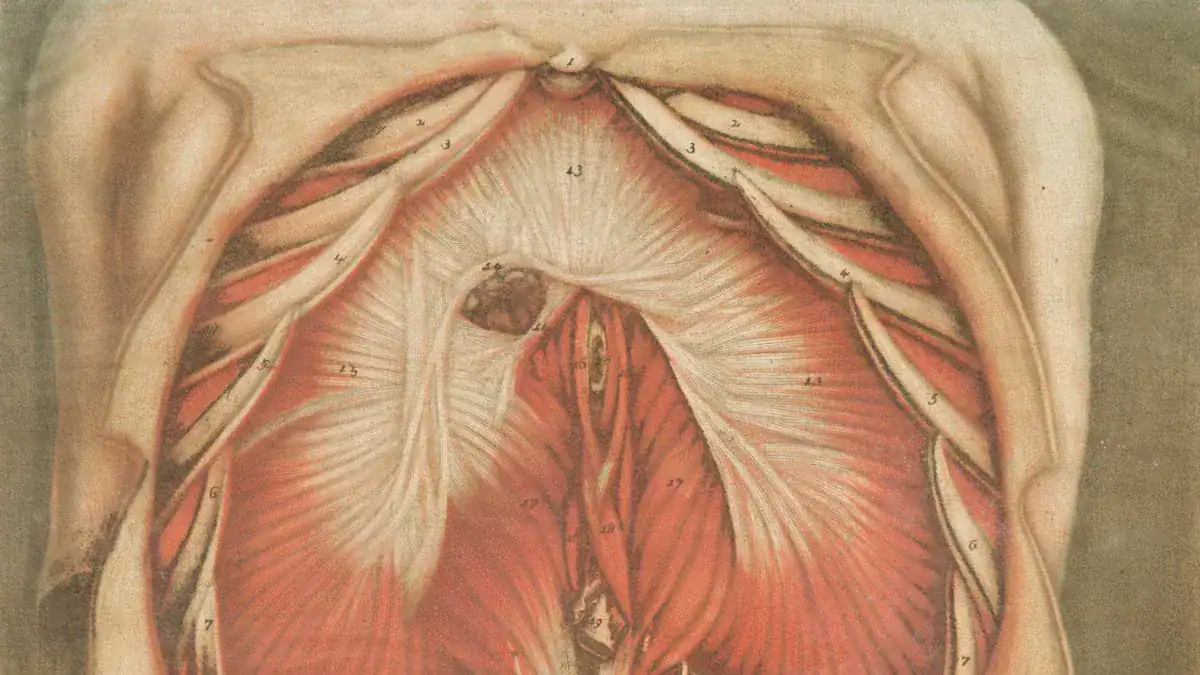
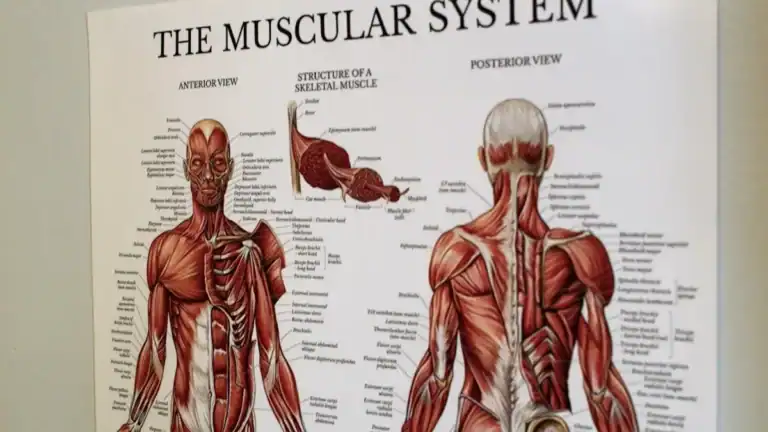
Hip flexors are a group of muscles. They bring the knee towards the chest. They also lift the leg forward. These muscles are crucial for walking, running, and maintaining an upright posture. Understanding these hip muscles helps explain many common physical issues. This section details the anatomy and function of the main hip flexors. Refer to the hip muscle anatomy: essential glute & flexor diagram for a visual guide.
Iliopsoas: Primary Hip Flexor
The iliopsoas muscle is the strongest hip flexor. It consists of two main muscles: the iliacus and the psoas major. The iliacus muscle starts from the upper two-thirds of the iliac fossa.
It also originates from the inner lip of the iliac crest. Additional starting points include the side of the sacrum and certain ligaments. The psoas major begins from the side surfaces of the T12-L5 vertebrae and their discs. It also starts from the transverse processes of all lumbar vertebrae. Both muscles join together. They form the iliopsoas. This combined muscle inserts onto the lesser trochanter of the femur. The lumbar plexus nerves innervate the iliopsoas.
The iliopsoas muscle is a primary hip flexor. It plays a crucial role in movements like posture, walking, and running. This muscle is the most powerful thigh flexor in the body. Its main job is powerful hip flexion. Its actions on the lower back are secondary to its hip flexion capabilities.
Rectus Femoris & Sartorius
The rectus femoris is one of the quadriceps muscles. It crosses both the hip and knee joints. It originates from the anterior inferior iliac spine and the ilium above the acetabulum. It inserts into the patella via the quadriceps tendon. The femoral nerve innervates the rectus femoris. This muscle flexes the thigh at the hip. It also extends the knee. It acts as a weaker hip flexor when the knee is extended.
The sartorius is the longest muscle in the body. It runs across the front of the thigh. It originates from the anterior superior iliac spine. It inserts onto the medial surface of the tibia, near the knee. The femoral nerve also innervates the sartorius. This muscle flexes the hip. It also helps abduct the hip. It externally rotates the thigh and flexes the knee.
Pectineus & Tensor Fasciae Latae
The pectineus muscle is a small, flat muscle in the inner thigh. It originates from the pectineal line of the pubis. This is on the superior pubic ramus. It inserts onto the posterior surface of the femur. This insertion is along the pectineal line and the upper part of the linea aspera. The femoral nerve primarily innervates the pectineus. It adducts the thigh. It also flexes the hip.
The tensor fasciae latae (TFL) is a small muscle on the outer side of the hip. It originates from the anterior superior iliac spine and the front of the iliac crest. It also originates from the fascia covering the gluteus medius muscle. It inserts into the iliotibial tract of the fascia lata. The superior gluteal nerve innervates the TFL. This muscle flexes the hip. It also abducts the hip. It helps stabilize the knee.
Tight Hip Flexors: Common Issues
Tight hip flexors are a common problem. Prolonged sitting often causes this tightness. When hip flexors shorten from sitting, they pull the pelvis down and forward when a person stands. This can lead to low back pain and hamstring pain. Weak or tight hip flexors can also make other muscles work too hard. This results in an altered gait and a higher risk of injury.
Tight hip flexors can cause leg misalignment. A tight iliacus muscle pulls the pelvic bone forward. This changes how the hip bone fits into its socket. It also affects the alignment of the femur and tibia. This can make the knee rotate inwards. It can even cause hyperextension. The foot and ankle may also rotate inward further down the leg. Poor posture, like anterior pelvic tilt, is a common issue. The pelvis tilts forward in this condition. This keeps the hip flexors in a shortened state, even when standing.
Research shows that many people have tight hip flexors. Studies indicate that two-thirds of people show limited hip extension flexibility. This points to tight hip flexors. Other research suggests that up to 70% of desk workers experience some hip tightness. This comes from long periods of sitting and less physical activity. Addressing tight hip flexors is important for overall hip health and preventing issues related to hip flexion and extension.
Gluteal Muscles: Anatomy & Roles
The gluteal muscles are a powerful group of hip muscles. They form the buttocks. These muscles are essential for movement, stability, and posture. They play a critical role in walking, running, and standing. Understanding the gluteal muscles helps explain how the hip functions. This section details the anatomy and roles of these important muscles. It builds on the hip muscle anatomy: essential glute & flexor diagram.
Gluteus Maximus: Main Extensor
The gluteus maximus is the largest and most superficial of the gluteal muscles. It is a key part of the superficial gluteal muscle group. This muscle gives the buttocks their rounded shape. It is the most powerful muscle among the hip extensors. It contributes over 75% of the total power output of this group. It makes up 12.8% of the lower extremity’s total muscle mass. Its peak influence as a hip extensor occurs at 70° of hip flexion. It primarily activates when resisting forces greater than the limb’s weight.
The gluteus maximus originates from several points:
The gluteal surface of the ilium, behind the posterior gluteal line.
The posterior superior iliac crest.
The posterior inferior aspect of the sacrum and coccyx.
The sacrotuberous ligament.
The thoracolumbar fascia.
The gluteal aponeurosis.
It inserts into:
The gluteal tuberosity of the femur.
The iliotibial tract, formed by the superficial three-quarters of the muscle.
The inferior gluteal nerve innervates the gluteus maximus. This nerve comes from the L5, S1, and S2 spinal nerves. The gluteus maximus is the primary muscle for bringing the leg backward. This action is crucial for movements like walking. The muscle pulls in the buttock area. The angle of hip extension, which the gluteus maximus facilitates, is important for preventing falls. It also helps with external rotation and abduction of the hip.
Gluteus Medius: Abduction & Stability
The gluteus medius lies beneath the gluteus maximus. It is also part of the superficial gluteal muscle group. This muscle is vital for hip movement and stability.
The gluteus medius originates from the outer surface of the ilium. This is between the anterior and posterior gluteal lines. It inserts onto the lateral surface of the greater trochanter of the femur. The superior gluteal nerve innervates the gluteus medius. This nerve comes from the L4, L5, and S1 spinal nerves.
The gluteus medius performs several important actions at the hip joint:
It abducts the thigh. This happens when the whole muscle contracts and its proximal attachment is fixed.
Its anterior fibers internally rotate the thigh. This also occurs when the proximal attachment is fixed.
Its anterior fibers also contribute to hip flexion.
Its posterior fibers contribute to hip extension and external rotation.
It stabilizes the pelvis and trunk during the gait cycle. This happens when its distal attachment is fixed.
It raises the pelvis on the opposite side during walking. This allows leg movement when the distal attachment is fixed.
The gluteus medius is a key pelvic stabilizer. It provides control in both the transverse and frontal planes of the pelvis. It is vital for frontal plane stability during gait. It counteracts the forces of bodyweight that would tip the pelvis downward. It acts like one side of a seesaw to maintain stability. During the stance phase of gait, the gluteus medius, as a hip abductor, plays a crucial role in stabilizing the hip joints. This is essential for independent gait and balance recovery. Dysfunction of this muscle can lead to a loss of pelvic stability. This results in altered movement patterns. These patterns include excessive lateral trunk flexion and increased anterior pelvic tilt. A weak gluteus medius can cause a “Trendelenburg gait.” This is where the pelvis drops on the unsupported side during walking. This indicates weakness in the glutes.
Gluteus Minimus: Deep Stabilizer
The gluteus minimus is the smallest of the three gluteal muscles. It lies directly beneath the gluteus medius. It is also part of the superficial gluteal muscle group. This muscle is a deep stabilizer for the hip.
The gluteus minimus originates from the outer surface of the ilium. This is between the anterior and inferior gluteal lines. It also originates from the margin of the greater sciatic notch. Its fibers converge into a tendon. This tendon inserts into an impression on the anterior border of the greater trochanter. The superior gluteal nerve innervates the gluteus minimus. This nerve comes from the L4, L5, and S1 spinal nerves.
The gluteus minimus performs several functions:
It abducts the thigh when the limb is extended.
It supports the body on one limb.
Its anterior fibers flex the hip and rotate the thigh inward.
It stabilizes the pelvis and trunk during activities like walking or standing.
This muscle is responsible for abducting the femur at the hip joint. It also acts as a pelvic stabilizer. It works with the gluteus medius to prevent the Trendelenburg sign.
Deep Gluteals: Piriformis & Rotators
Beneath the gluteus minimus lies the deep gluteal muscle group. These muscles are smaller. They primarily function as external rotators of the hip. They also help stabilize the hip joint. This group includes the piriformis, obturator internus, gemellus superior, gemellus inferior, quadratus femoris, and obturator externus.
The piriformis muscle is a key muscle in this group. It originates from the anterior surface of the sacrum. It inserts onto the superior border of the greater trochanter of the femur. The nerve to the piriformis innervates it. This nerve comes from the S1 and S2 spinal nerves. The piriformis externally rotates the hip. It also abducts the hip when the hip is flexed.
Other deep gluteal muscles responsible for hip external rotation include:
Obturator Externus: Its primary action is external rotation. It may also assist in hip abduction and adduction.
Quadratus Femoris: This muscle performs external rotation. It can also assist in adduction.
Gemellus Superior: It is responsible for external rotation and horizontal abduction of the hip.
Obturator Internus: This muscle also contributes to external rotation and horizontal abduction of the hip.
Gemelli: This group, along with Obturators and Quadratus Femoris, are categorized as deep rotators of the hip.
These muscles work together. They control the rotation of the thigh. They also provide stability to the hip joint.
Clinical Relevance: Piriformis Syndrome
Piriformis syndrome is a condition involving the piriformis muscle. It causes pain in the gluteal region. The piriformis muscle can compress the sciatic nerve. This happens because the sciatic nerve often runs close to or even through the piriformis muscle.
Common symptoms associated with piriformis syndrome include:
Acute tenderness in the buttock.
A dull ache in the buttock.
Sciatica-like pain. This pain radiates down the back of the thigh, calf, and foot.
Pain when walking up stairs or inclines.
Increased pain after prolonged sitting.
Reduced range of motion of the hip joint.
Symptoms worsen after prolonged sitting, walking, or running.
Symptoms may improve after lying down on the back.
Muscle tightness or stiffness around the affected piriformis muscle. This leads to restricted mobility and discomfort.
Weakness or numbness in the legs due to nerve compression.
Changes in posture or gait. These result from piriformis dysfunction. They impact overall mobility and comfort.
In the general population, a survey indicated a lifetime occurrence of piriformis syndrome ranging from 12.2% to 27%. The annual occurrence is between 2.2% and 19.5%. Data on piriformis syndrome prevalence can be inconsistent. This is due to variations in definitions and survey methodologies. It also depends on whether studies focus on the general population or specific occupational groups. Proper diagnosis and treatment are important for managing this condition.
Hip Muscle Synergy & Dysfunctions
Glute & Flexor Interaction
Hip muscles work together. They create smooth and powerful movements. The glutes and hip flexors have a special relationship. During walking or running, these hip muscles coordinate. Gluteal muscles, including the gluteus maximus, medius, and minimus, produce peak forces. This happens during the loading response of stance. They help with hip extension, abduction, and internal rotation. Hip flexors, like the psoas and iliacus, become active during pre-swing and early swing phases.
Both glutes and hip flexors show a pattern. They contract eccentrically first, then concentrically. This happens during their active phases. The gluteus medius, especially its front fibers, creates strong force for hip abduction.
It also provides vertical support during the loading response. Increasing step rate changes how these muscles work. A faster step rate decreases gluteal loading during stance. It increases hip flexor loading during swing. A 10% increase in step rate can reduce peak force from each gluteal muscle by about 10%. This reduces both negative and positive work.
Muscle Imbalances & Effects
Muscle imbalances in the hip can cause problems. Limited hip flexor length affects the entire body. It contributes to low back pain. It also causes issues with leg function. People with lower back pain often have tight hips. They also have less gluteal mass.
Their gluteus maximus cross-sectional area is smaller. Treating tight hip flexors can reduce pain. It can also improve function. Tight hip flexors mean less gluteus maximus activation during squats. This happens because hamstrings work harder to help with hip extension. An anterior tilted pelvis often comes with tight hip flexors.
It also comes with weak core muscles. This position makes the gluteus maximus weaker. It reduces its ability to stabilize the hip. Overactive hip flexors can also inhibit the glutes. This leads to “synergistic dominance.” Other muscles take over the glutes’ job. This can cause lower extremity injuries.
Understanding Hip Pain & Dysfunction
Understanding hip muscle anatomy helps explain hip pain. Many issues can cause non-arthritic hip pain. Anterior hip symptoms include femoroacetabular impingement (FAI) syndrome.
They also include labral tears, chondral injuries, and hip instability. Internal snapping hip syndrome is another cause. Lateral hip symptoms include greater trochanteric pain syndrome. External snapping hip syndrome also causes lateral pain. Posterior hip symptoms include deep gluteal syndrome (DGS). Ischio-femoral impingement (IFI) and proximal hamstring injuries are also posterior causes. These conditions often relate to how the hip muscles function. They show the importance of balanced hip muscles.
The gluteal muscles and hip flexors are critical for hip function, stability, and overall movement. These hip muscles enable daily activities and athletic performance. Understanding this anatomy helps prevent injuries and improves personal fitness. It also promotes better health. Readers should apply this knowledge to their exercise routines. They should seek professional advice for persistent hip issues. Strong glutes support a healthy body.
FAQ
What are the primary hip flexor muscles?
The iliopsoas muscle is the strongest hip flexor. It consists of the iliacus and psoas major. Other important hip flexors include the rectus femoris, sartorius, pectineus, and tensor fasciae latae. These muscles lift the leg forward and bring the knee towards the chest.
What is the main role of the gluteus maximus?
The gluteus maximus is the largest gluteal muscle. It is the most powerful hip extensor. It moves the leg backward. This action is crucial for walking, running, and standing up. It also helps with external rotation and abduction of the hip.
What causes tight hip flexors?
Prolonged sitting is a common cause of tight hip flexors. This shortens the muscles. It can lead to low back pain and poor posture. Weak core muscles and an anterior pelvic tilt also contribute to this tightness.
What is piriformis syndrome?
Piriformis syndrome is a condition where the piriformis muscle irritates the sciatic nerve. This causes pain in the buttock. The pain can also radiate down the back of the leg. Symptoms often worsen with sitting or activity.