Lichen sclerosus can feel scary, lonely, and even a bit embarrassing, yet many people quietly find relief with simple home habits. With gentle daily care, natural oils, soothing herbs, and small lifestyle shifts, symptoms like itching and burning often become easier to manage.
This article shares practical home remedies, plus how to use them safely so you can feel more comfortable and in control.
Understanding Lichen Sclerosus and Its Symptoms
Although the name can sound a little scary, lichen sclerosus is simply a long-lasting skin condition that mainly affects the delicate skin around the vulva and anus.
It brings intense itchiness, burning, tightness, and very real worry. Growing symptom awareness helps people notice white or wrinkled patches, small sores, or pain with sex or peeing, and then seek support sooner instead of feeling alone.
The condition is not contagious and not caused through an infection. It often appears in people who have a family history of autoimmune illness, which can act as one of several condition triggers.
Without treatment, it can lead to scarring, labial fusion, and more infections. Diagnosis usually involves a gentle exam, questions about symptoms, and sometimes a small skin biopsy.
Why Gentle Daily Care Matters for Sensitive Skin
Existing with lichen sclerosus is not only about understanding symptoms, it is also about how the skin is treated every single day. Daily skin care becomes a quiet form of protection, helping the skin feel safer and less fragile.
With gentle cleansing, the goal is to clean without burning or stinging, so mild, pH balanced soaps are preferred. People often notice that at the time they skip harsh products and strong scents, the skin stays calmer.
Soft fabrics, loose clothing, and careful patting instead of rubbing all reduce friction and pressure. These small choices add up, so the area feels less sore and less tense.
In this way, daily habits show the skin steady respect, which can lessen flare ups and build comfort over time.
Soothing Relief With Natural Oils and Emollients
For many people with lichen sclerosus, natural oils and soft emollients become quiet helpers that bring comfort as the skin feels sore, tight, or dry.
These gentle layers can feel like a protective hug, reminding someone they are not alone with this condition. Whenever used with medical care, they add soothing support.
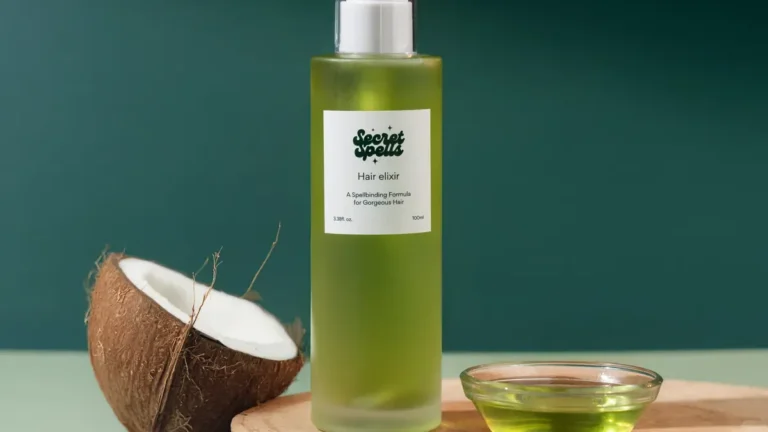
- Coconut oil offers natural oil benefits through locking in moisture and calming irritated areas. Its light antibacterial action might also help protect fragile skin.
- Olive oil works as a simple, familiar emollient. It softens roughness and eases daily rubbing or chafing.
- Medical-grade creams show strong emollient effectiveness. They shield delicate spots and reduce dryness.
- Using these oils during daily routines can create calming, repeatable self-care moments that build comfort and confidence.
Herbal Remedies to Calm Itching and Inflammation
In addition to oils and emollients, many people look for gentle herbal remedies to calm the stubborn itching and burning that come with lichen sclerosus.
In this next section, the focus shifts to soothing anti itch herbs like chickweed, calendula, and gotu kola, as well as herbal blends and tinctures that target deeper inflammation.
It also becomes crucial to talk about safe ways to apply these herbs so the skin can get relief without extra irritation or risk.
Soothing Anti-Itch Herbs
Many gentle herbs can offer calm during Lichen Sclerosus makes the skin feel itchy, hot, and sore.
People often feel scared to touch the area, yet soothing plants can feel like friendly support. As used with medical care, they might help the skin feel safer, cooler, and less angry.
1. Chickweed benefits
Chickweed gently eases burning and itching. In salves or cool compresses, it can soften tight, sore skin.
2. Calendula comfort
Calendula supports tissue repair and can calm redness. Many use it in ointments for daily soothing.
3. Gotu kola healing
Gotu kola could support skin healing and lessen scarring over time.
4. Simple daily use
Herbal infusions, creams, or oils made with these plants can fit into a regular care routine and offer steady comfort.
Herbal Anti-Inflammatory Blends
Quite a few people with Lichen Sclerosus find that gentle herbal anti-inflammatory blends become a small lifeline on hard days.
These blends use specific herbal ingredients to support inflammation reduction and calm the skin, which can help people feel less alone in their daily struggle.
Rehmannia and Baical Skullcap are often chosen because they are known for easing inflammation linked with autoimmune conditions.
Alongside them, Chickweed and Calendula might soothe itching and tender skin, bringing a soft, cooling comfort that many quietly hope for.
Herbal support can also work from the inside.
Probiotics with Lactobacillus strains could improve vaginal microbiome balance, while an anti-inflammatory diet and fennel tincture can gently support hormone shifts, especially in menopause, to ease related symptoms.
Safe Application Methods
Comfort with herbal support starts to feel real as the focus moves from ingredients to how they actually touch the skin. Here, application techniques and topical safety matter just as much as the herbs themselves. Gentle, slow steps help the skin feel respected, not shocked.
- Use chickweed or calendula in cool compresses or thin salves, testing a tiny patch initially to check for stinging or redness.
- Apply gotu kola salves or oils in a soft tapping motion, not rubbing, to support healing and reduce scarring risk.
- Smooth a light layer of coconut or olive oil on clean, dry skin, letting it soak in before clothing touches the area.
- Pair these methods with probiotic supplements, supporting a calmer vaginal microbiome from the inside out.
Using Aloe Vera, Chamomile, and Calendula Safely
Aloe vera, chamomile, and calendula can be gentle helpers for Lichen Sclerosus skin, but they still need to be used with care.
In this section, the focus stays on how these plants might soothe itching, calm irritation, and support healing, while also explaining simple steps to keep the skin safe.
Through looking at both their benefits and clear application guidelines, a person can feel more confident and less afraid to try them on sensitive areas.
Benefits for LS Skin
Soft, gentle care can make a big difference for skin existing with Lichen Sclerosus, and this is where aloe vera, chamomile, and calendula can quietly step in to help.
Many people find comfort in natural skincare made with botanical ingredients, because it feels kinder and more in tune with a sensitive body.
- Aloe vera can cool burning, inflamed areas and lightly hydrate dry, fragile skin, which helps soothe daily soreness.
- Chamomile might calm intense itching, so skin feels less raw and stressed during flares.
- Calendula often supports small wound repair, so tender patches can feel more protected and cared for.
- Using these three together in simple routines can ease symptoms and offer a gentler option than frequent steroid use.
Safe Application Guidelines
Gentle routines matter a lot during the use of aloe vera, chamomile, and calendula on skin that lives with Lichen Sclerosus, because even helpful plants can cause problems in case they are used in the wrong way.
Safe product selection comes initially. People are encouraged to choose simple formulas that are free from fragrance, dyes, and harsh chemicals, so tender skin feels accepted, not attacked.
Before regular use, a small patch test helps check for stinging, burning, or redness. Aloe vera gel can be smoothed on clean skin after gentle cleansing techniques with lukewarm water.
Chamomile is usually best as a cooled, diluted wash or compress. Calendula ointment might be patted on fragile or broken spots.
Partnering with a healthcare professional keeps everything customized and reassuring.
Probiotics and Gut Health Support for Skin Balance
Many people are surprised to learn how strongly the gut and skin are linked, especially during existence with a condition like Lichen Sclerosus.
Whenever gut health feels more balanced, the skin often feels calmer too, and that can bring real emotional relief.
People often turn to gentle probiotic sources to support this inner balance. Probiotics, especially Lactobacillus strains, could help the vaginal microbiome feel more stable and less prone to infections that can upset already tender skin.
Here are simple ways someone could use probiotics for support:
- Eat yogurt with live cultures regularly.
- Sip kefir as a daily drink.
- Add fermented vegetables, like sauerkraut or kimchi.
- Consider a quality probiotic supplement after medical guidance.
Anti-Inflammatory Diet Tips to Support Vulvar Health
An anti-inflammatory eating plan can gently support vulvar health through calming irritation from the inside out.
In this next part, the focus stays on key anti-inflammatory foods that might soothe Lichen Sclerosus symptoms, as well as the common food triggers that can keep inflammation stirred up.
Through comprehending what to add to the plate and what to limit, a person gains more control and a bit more peace in their daily routine.
Key Anti-Inflammatory Foods
Food can feel like a small thing during the moment someone is managing burning, itching, or pain from lichen sclerosus, yet the right foods can quietly help calm the body from the inside.
Whenever someone chooses steady anti inflammatory snacks and gentle omega 3 sources, their plate can start to feel like part of their care team.
- Fatty fish like salmon, mackerel, and sardines give omega 3 fats that help lower inflammation and support vulvar tissue.
- Berries such as blueberries, strawberries, and raspberries offer antioxidants that protect irritated skin and soothe stress in cells.
- Leafy greens including spinach, kale, and Swiss chard provide vitamins that support immune balance and skin repair.
- Walnuts, flaxseeds, turmeric, and ginger add steady, daily anti inflammatory support.
Foods and Triggers to Limit
Whenever someone lives with lichen sclerosus, it can feel confusing and discouraging to notice that certain foods seem to make itching, burning, or soreness worse.
It often helps to consider the body as already working hard, and some trigger foods simply add more work.
Many people choose to limit processed snacks, fast food, refined sugars, and trans fats, because these inflammatory substances could stir up more swelling and discomfort.
Cutting back on caffeine and alcohol can also calm irritation and support steadier energy.
Some find that removing gluten helps, especially at the time autoimmune issues are present.
At the same time, they gently shift toward soothing choices like omega-3 rich fish, flaxseeds, and walnuts, plus colorful fruits, vegetables, and plenty of water.
Stress Management Techniques to Reduce Flare-Ups
Whenever stress builds up, the skin often reacts, so learning how to calm the mind can become a powerful way to reduce Lichen Sclerosus flare ups.
Gentle mindfulness practices and steady emotional support help the body feel safer, which can lower tension and soften symptoms over time.
1. Mindful breathing and meditation
Slow breathing, body scans, or short guided meditations calm the nervous system and ease sudden flares.
2. Light movement for release
Yoga or gentle stretching relax tight muscles and support blood flow, which might lessen irritation.
3. Protecting sleep
A steady bedtime, cool room, and screen-free wind down give the body time to repair and balance stress hormones.
4. Safe spaces for feelings
Journaling, counseling, or support groups offer emotional support, reduce loneliness, and build practical coping skills.
Pelvic Floor Therapy and Vaginal Dilators at Home
Calming the mind with stress tools is one part of feeling better, and caring for the body with gentle pelvic support is the next.
At home, pelvic floor therapy can slowly build pelvic strength, improve blood flow, and ease pain. Many people find it comforting to know these muscles can learn to relax and support them again.
Pelvic floor exercises work best whenever done daily in short, kind sessions. Some combine them with vaginal dilators for extra help.
Dilators, used with plenty of lubricant, can protect against shrinking at the opening and increase dilator comfort over time. It helps to start with the smallest size, breathe deeply, and move up only as the body feels ready, creating safer, calmer intimacy.
When to Seek Medical Help Alongside Home Care
Even with careful home care, there comes a point at which outside medical help becomes not just wise, but truly necessary.
It can feel scary to reach out, but it also means not facing lichen sclerosus alone.
1. Symptoms not improving
If severe itching, burning, or skin changes do not ease after a few weeks of natural oils or moisturizers, a doctor’s visit can bring stronger, customized options.
2. New or worsening changes
Skin sores, ulcers, or infection signs need quick care to prevent scarring and long term damage.
3. Pain with daily activities
Pain during urination, bowel movements, or sex is a clear signal to seek medical support.
4. Ongoing monitoring
Regular checkups, symptom tracking, and follow up consultations help protect against complications, including vulvar cancer.