Experiencing swollen feet? You are not alone! Many people deal with swollen feet from standing too long, hot weather, or even pregnancy. While often harmless, this swelling can feel uncomfortable and really disrupt your day. The good news is that quick relief is often within reach. This blog provides 8 simple, effective home remedies for swollen feet to help you find comfort fast. You can definitely find some easy fixes here.
Key Takeaways
Elevate your feet above your heart to help reduce swelling quickly.
Soak your feet in an Epsom salt bath to relax muscles and ease discomfort.
Drink plenty of water to help your body manage fluid levels and prevent swelling.
Wear compression socks to gently support your legs and improve blood flow.
Eat foods like watermelon and celery to help your body get rid of extra fluid.
Understanding Swollen Feet Causes
Common Triggers of Swelling
You might wonder why your feet swell. A little foot swelling is usually nothing to worry about. If you get off your feet and prop them up, the swelling should disappear. Many common things can cause your feet to swell. These are often not serious. Understanding these causes helps you choose the right home remedies for swollen feet.
Here are some common triggers:
Hot weather
Pregnancy
Edema (fluid trapped in body tissues)
Injury
Lifestyle factors (like standing too long)
Medication side effects
Alcohol consumption
This type of swelling, called edema, happens when your body holds onto too much fluid. You experience fluid retention in your tissues. It’s a common reason for swollen feet. Simple home remedies can often help reduce swelling and manage this kind of edema.
When Swelling Becomes a Concern
While many causes are harmless, sometimes swollen feet signal something more serious. You should pay attention to certain signs. If you notice any of these, you need to seek medical advice. It’s important to treat edema promptly if it’s severe. Ignoring these signs can be risky. You need to know when to treat edema at home and when to get professional care for your feet.
Look out for these warning signs:
Severe swelling, especially with sudden chest pain, trouble breathing, or extreme discomfort.
Swelling that appears very quickly or unexpectedly.
Severe pain or sudden discomfort in your foot.
Trouble walking or putting weight on the affected foot.
Signs of a stroke, like weakness on one side, slurred speech, or vision changes.
A high fever along with swelling, which could mean an infection.
Swelling that stays even after you rest or elevate your feet.
Painful swelling, which might point to an injury, a blood clot, or an infection.
Swelling with shortness of breath, chest pain, or dizziness. These could mean a heart issue.
Redness or warmth in the swollen area. This suggests infection or inflammation.
If you see these symptoms, don’t wait. Get medical help right away.
Remedy 1: Elevate Your Feet
When your feet feel heavy and puffy, one of the simplest and most effective home remedies is to elevate your feet. This method uses gravity to help your body move excess fluid away from your lower limbs. It’s a quick way to find relief.
Proper Foot Elevation
To properly elevate your feet and reduce swelling, you need to get them above your heart. You can lie down on a couch or bed and prop your feet up on pillows. Aim for your feet to be about 6 to 12 inches higher than your heart. This specific height helps your body drain blood and fluids efficiently. You should try to keep your legs elevated for at least 15 minutes.
When you do this, you help your lymphatic system work better and lower blood pressure in your legs. For the best results, keep your thigh tilt less than 45 degrees. Also, bend your knees between 20 and 30 degrees, and tilt your calves 15 to 20 degrees. This position helps fluid drain without straining your joints.
Benefits of Elevation
Raising your feet does more than just feel good; it actively works to reduce swelling. When you raise your feet, you prevent blood from collecting in your lower extremities, like your ankles and feet. This simple action enhances blood circulation, directing that extra fluid back toward your heart.
Elevating your legs above your heart helps fluid drain faster, which reduces inflammation and swelling. It also eases the pressure in your leg veins that can build up from standing or sitting for too long. This improved circulation helps your small blood vessels work better, leading to less pressure in your veins and better blood flow. So, next time you feel that familiar puffiness, remember to elevate your feet for quick relief.
Remedy 2: Epsom Salt Bath for Swollen Feet
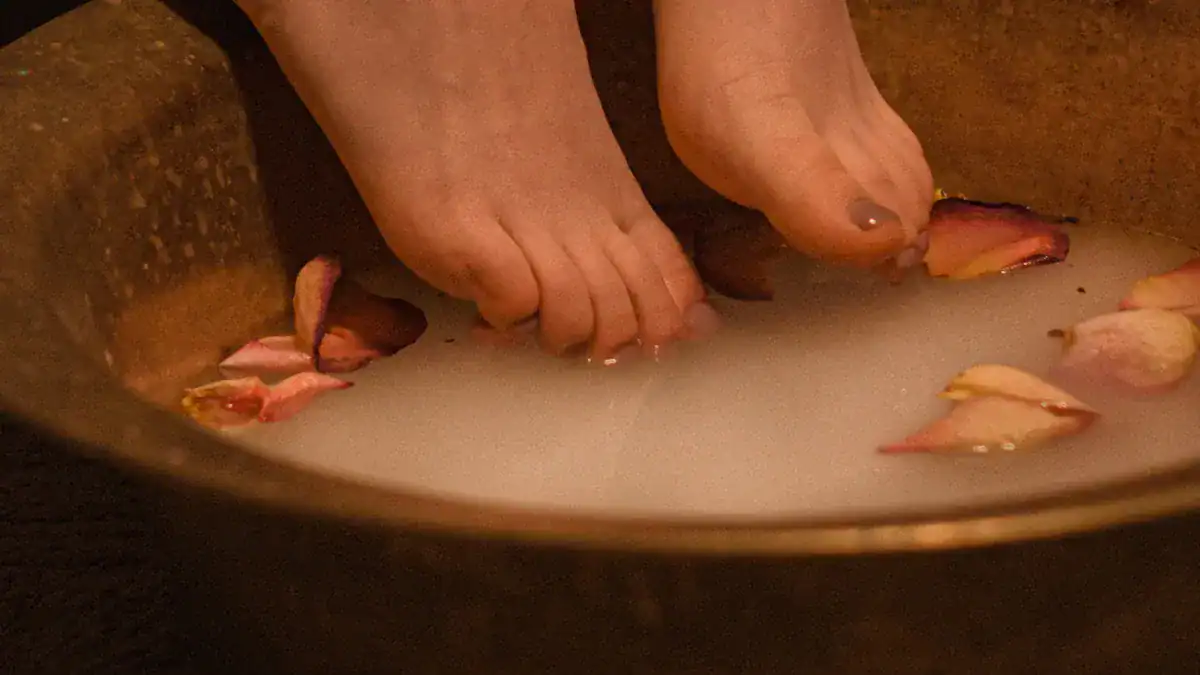
When your swollen feet feel tired and puffy, an epsom salt bath offers wonderful relief. This simple soak can help soothe your aching feet. It also helps reduce swelling. You can easily prepare an epsom salt bath right at home.
Preparing an Epsom Salt Soak
Getting ready for an epsom salt soak is easy. First, find a basin or a tub large enough for your feet. Fill it with warm water. Then, add the epsom salt. The Mayo Clinic suggests specific amounts for an epsom bath.
You can use 2 cups of epsom salt per gallon of warm water.
You might also try 1.5 cups (300 grams) of epsom salt per gallon of water.
Another option is 1 cup of epsom salt per gallon of water. Stir the water until the epsom salt dissolves. Soak your feet for about 15 to 20 minutes. Make sure the water is comfortably warm, not too hot. This epsom soak is a great way to relax. You will feel the soothing effects of the epsom working.
How Epsom Salt Helps
An epsom salt bath works wonders for your feet. The main ingredient, magnesium, absorbs through your skin. This magnesium helps relax your muscles. It also helps draw out toxins from your body. This process can significantly ease discomfort.
The warm water itself helps improve blood flow. When combined with the epsom, it creates a powerful remedy. This bath helps your body release excess fluid. It also calms inflammation. You will find your feet feel much better after this epsom treatment.
It is a simple yet effective way to manage swelling. The magnesium in epsom salt is key. It helps your body function better. It can reduce muscle cramps and nerve pain. This makes the epsom bath a holistic approach to comfort. Regular soaks can make a big difference in how your feet feel. You will notice a pleasant lightness and reduced tension. This simple home remedy provides a calming experience for your entire body.
Remedy 3: Stay Hydrated
You might think drinking more water would make swelling worse. Actually, the opposite is true! Staying well-hydrated is a simple yet powerful way to help your body manage fluid levels. It can significantly reduce swelling in your feet.
Hydration’s Role in Swelling
When you do not drink enough water, your body can get confused. It might think it needs to hold onto every drop of fluid it has. This can lead to fluid retention, which often shows up as swelling in your feet and ankles. Proper hydration helps your kidneys work better.
They can then flush out excess sodium and waste products from your body. This process helps prevent edema, which is that uncomfortable puffiness you feel. Drinking water does not cause swelling; it is a crucial part of staying healthy and keeping your body’s fluid balance in check. So, grab a glass of water to help your body reduce swelling.
Daily Water Intake
How much water should you drink? It varies for everyone, but there are good guidelines. Healthy individuals should aim for about 30 to 50 ounces of water each day. That is roughly 1 to 1.5 liters. Do not drink it all at once, though! Spread it out throughout your day.
The U.S. National Academies of Sciences, Engineering, and Medicine offer broader recommendations:
Men: Aim for about 15.5 cups (3.7 liters) of total fluids daily.
Women: Aim for about 11.5 cups (2.7 liters) of total fluids daily.
Remember, these amounts include fluids from all sources. This means water, other beverages like coffee and tea, and even the water in your fruits and vegetables. About 20% of your daily fluid intake usually comes from the foods you eat. Most people generally need at least four to six cups of plain water daily. Listen to your body. If you are active or it is hot, you will need even more. Keeping up with your water intake helps prevent swollen feet and keeps you feeling great.
Remedy 4: Gentle Movement and Exercise
When your feet feel heavy and puffy, you might think rest is the only answer. However, gentle movement and exercise can actually be a powerful way to reduce swelling. Staying active helps your body pump fluids more efficiently. This prevents fluid from pooling in your lower limbs.
Simple Foot Exercises
You can do some easy exercises right at home to help your feet. These movements improve circulation and make your feet feel better.
Point and Flex: Sit down and extend one leg. Point your toes forward for five seconds. Then, flex your foot back, pointing your toes toward the sky for another five seconds. Repeat this 10 times for each foot.
ABCs: While sitting, extend one leg. Use your foot like a paintbrush. Draw each letter of the alphabet in the air with your toes. Do this for both feet.
Toe Squeeze: Place a cotton ball between each toe. Squeeze your toes together for five seconds, then relax. Repeat this 10 times for each foot.
Tennis Ball Massage: Sit or stand. Place a tennis ball under the arch of one foot. Roll the ball from your heel to your toes and back. Apply gentle pressure for 30 seconds on each foot. This really helps increase blood flow.
Benefits of Regular Movement
Regular physical activity is very important for improving blood flow and helping to reduce swelling in your feet. Activities like walking, swimming, and cycling are great choices. They help pump blood through your veins. This prevents fluid buildup. Incorporating simple foot and ankle exercises, like the ones above, specifically targets circulation in your lower legs.
Walking, for example, strengthens your calf muscles. These muscles act like a second heart, pushing blood upward toward your heart. This reduces pressure in your veins and helps with swelling. Swimming is also excellent because the water’s buoyancy reduces pressure on your veins. The movement still stimulates blood flow. Even short walks or gentle movements throughout your day can make a big difference for your swollen feet.
Remedy 5: Compression Socks
When your feet feel puffy, compression socks can be a real game-changer. These special socks apply gentle pressure to your legs and feet. This pressure helps your body move fluid around. They are a simple and effective way to manage discomfort.
Selecting Compression Socks
Choosing the right compression socks is important. You want socks that fit well and provide the correct amount of pressure. Compression levels are measured in millimeters of mercury (mmHg). Different levels help with different needs. For mild foot swelling, you usually need a lower compression level.
Compression Level (mmHg) | Description/Uses |
|---|---|
8-15 mmHg | Mild compression, often used for everyday comfort, minor swelling, and preventing tired legs. |
15-20 mmHg | Moderate compression, commonly recommended for mild to moderate varicose veins, edema, and for travel to prevent DVT. |
20-30 mmHg | Firm compression, typically prescribed for moderate to severe varicose veins, post-surgical recovery, and managing lymphedema. |
30-40 mmHg | Extra firm compression, used for severe lymphedema, chronic venous insufficiency, and severe edema. |
40-50 mmHg | Medical grade compression, used for severe conditions under strict medical supervision. |
For general foot swelling, look for socks in the 8-15 mmHg range. These offer mild support. They are great for daily wear. If you have more severe issues, talk to your doctor. They can recommend stronger compression socks.
Compression Mechanism
Compression socks work by applying pressure to your lower legs, ankles, and feet. This pressure helps prevent blood from pooling. It also stops fluid from building up in these areas.
Compression stockings apply pressure to your feet and legs. This helps with circulation. It also helps reduce swelling.
When you stand for a long time, fluid can collect in your legs. Your veins work hard to push fluid back up. Light compression stockings can help with this issue. They reduce problems from prolonged swelling in your legs and feet.
The pressure helps improve blood flow. It squeezes your leg muscles. This pushes blood against gravity back to your heart. The pressure moves fluid and stops it from collecting.
Graduated compression socks are tightest around your ankle. The pressure slowly gets lighter as they go up your leg. This design helps blood flow faster from your feet back to your heart. It lets arteries relax. This promotes free blood flow. It also helps veins return blood to your heart. This prevents pooling and clotting. You should invest in compression socks if you experience regular foot swelling. They offer great support.
Remedy 6: Foot Massage
When your feet feel heavy and achy, a good foot massage can bring amazing relief. It is a simple, soothing way to help reduce discomfort and get fluids moving. You can easily give yourself a beneficial massage right at home.
Self-Massage Techniques
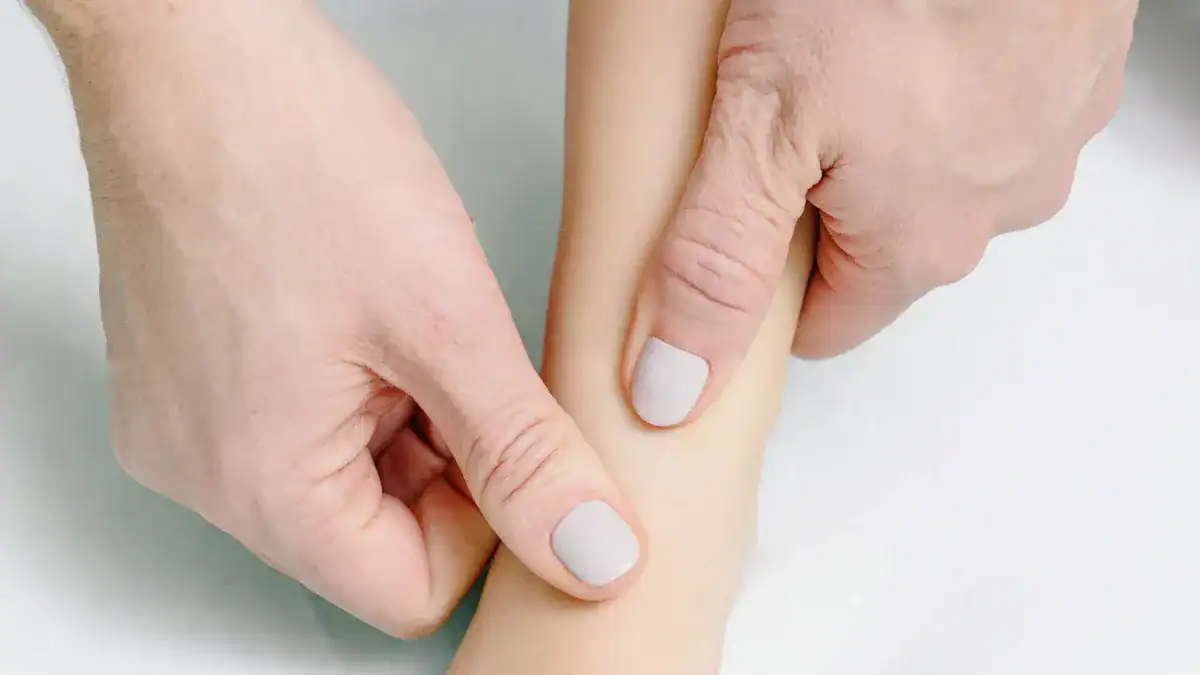
You do not need a professional to enjoy the benefits of a foot massage. You can easily massage your feet yourself. Start by finding a comfortable spot. You can use a lotion or oil to help your hands glide smoothly.
Here are some simple techniques to try:
Effleurage: Lightly glide your palms up the length of your calf and foot muscles. Use gentle, upward strokes towards your heart. This helps push fluid away from your feet.
Knuckle Glides: Make a loose fist and use your knuckles to gently glide along the arch of your foot. Apply light to medium pressure.
Petrissage: Gently knead the muscles of your foot and calf. Use your thumbs and fingers to squeeze and release the tissue. This helps relax tight muscles.
Always remember to stroke upwards towards your heart. This direction helps your body move excess fluid more effectively.
Massage Benefits
Giving your feet a regular massage does more than just feel good. It actively helps reduce swelling. Massage encourages the free flow of lymph fluid and oxygen-rich blood. This is super beneficial for reducing swelling. The relaxation you feel during a massage also promotes healthy blood flow. It counteracts the vessel constriction that stress can cause in your extremities.
Foot massage aids in reducing edema by helping venous blood flow return. It creates a pumping action through muscle compression. This process moves extra fluid without messing with the fluid inside your blood vessels. It also increases blood flow to your tissues and delivers more oxygen. You will find that regular massage can make a big difference for your swollen feet.
Remedy 7: Cold Compresses

When your feet feel hot and puffy, a cold compress can bring quick relief. This simple method helps calm inflammation and ease discomfort. You can easily apply cold therapy at home.
Cold Pack Application
Applying a cold compress is straightforward. You can use an ice pack, a bag of frozen vegetables, or a cloth soaked in cold water. Wrap your chosen cold item in a thin towel.
This protects your skin from direct contact with the ice. Then, place the wrapped compress directly on the swollen area of your foot. Cold therapy cools the affected area. This discourages inflammation. It also causes soft tissues to contract. This action helps decrease swelling and prevents it from worsening. Cold acts as a vasoconstrictor.
It impedes the transport of inflammatory chemicals and cells to the injured site. This diminishes the inflammatory reaction to trauma. It also reduces edema and hematoma formation. You will feel a soothing sensation as the cold works its magic.
Cold Therapy Timing
Timing is important when you use cold compresses. You should apply ice for about 15 to 20 minutes at a time. Some experts suggest 10 to 15 minutes for acute injuries. You can repeat this every few hours.
Make sure you allow your skin to return to its normal temperature between applications. This prevents tissue damage.
For best results, wait two hours before your next session. You can apply ice several times each day, especially if your symptoms are severe. You should stick to icing for the first 48 to 72 hours after an injury occurs. This helps to reduce swelling effectively.
Remedy 8: Dietary Adjustments
What you eat plays a big role in how your body manages fluids. Making a few simple changes to your diet can significantly help reduce and prevent swollen feet. These adjustments focus on balancing your body’s fluid levels.
Sodium Reduction
Too much sodium in your diet can make your body hold onto water. This leads to fluid retention and often causes edema. When you cut back on salt, you help your body release this extra fluid.
This is a key step to treat edema. For many people, especially those with high blood pressure or heart disease, limiting daily sodium intake to 1,500 milligrams is a smart move.
This target is lower than the general recommendation for others. The American Heart Association suggests this 1,500 mg limit for individuals sensitive to salt. This helps you treat edema and reduces your risk of blood-pressure-related heart issues. Always check food labels for sodium content. You will find it in many processed foods.
Diuretic Foods for Swelling
Certain foods act as natural diuretics. They help your body get rid of excess fluids. This can reduce swelling and ease discomfort. These foods are rich in water, potassium, or special plant compounds. They encourage your kidneys to produce more urine. This helps you treat edema by flushing out extra fluids and sodium.
Consider adding these to your diet:
🍉 Watermelon
🥒 Cucumbers
🌱 Celery
🍍 Pineapple
🍋 Lemons
🍇 Grapes
🌿 Parsley
☕ Caffeinated drinks like coffee and green tea can also have a diuretic effect.
Foods with high water content signal your body to release hormones. These hormones prevent water reabsorption from your kidneys. This helps increase urination and detoxification. You can also benefit from magnesium-rich foods. They help balance electrolytes and reduce fluid retention. Eating these foods helps your body naturally manage its fluid balance.
When to Seek Medical Advice
While many simple home remedies for swollen feet can bring you relief, it is crucial to know when to seek professional medical help. Sometimes, swelling in your feet can signal a more serious underlying health issue. You should always listen to your body and not hesitate to contact a doctor if you have concerns.
Persistent or Severe Swelling
You need to pay close attention if your swelling seems unusual or does not go away. Here are some signs that your swelling might be more serious:
Sudden or Severe Swelling in One Foot or Ankle: This could point to a blood clot, infection, sprain, or even a fracture. You might also feel sharp pain or find it hard to move your foot.
Swelling That Persists for More than a Few Days: If your swelling does not improve after trying home remedies for a few days, it could indicate conditions like heart failure, kidney disease, or venous insufficiency.
Difficulty Walking or Bearing Weight: This is a clear warning sign. It might mean you have an injury, like a sprain or torn ligament, or inflammation from conditions like arthritis.
Swelling Paired with Numbness, Tingling, or Discoloration: If your foot looks red or bluish, or you feel numbness, this could suggest nerve damage, poor circulation, or a blood clot. For people with diabetes, these symptoms might indicate neuropathy.
Swelling that Leaves an Indentation after Applying Pressure (Pitting Edema): This type of swelling often links to conditions like heart failure, liver disease, or kidney problems, showing your body retains too much fluid.
Swelling with Other Symptoms
If your swelling comes with other concerning symptoms, you should seek medical advice right away.
For example, if you experience chest pain, shortness of breath, or dizziness along with swelling, these could be signs of a heart issue. A high fever with swelling might mean an infection. Any sudden, unexplained symptoms with your swelling warrant a doctor’s visit.
Underlying Health Conditions
Many underlying health conditions can cause your feet to swell. These include systemic issues like heart, kidney, or liver diseases. These conditions affect how your body regulates fluid. Poor circulation, often from conditions like peripheral artery disease, also contributes to fluid buildup. Injuries, such as sprains or fractures, can trigger swelling as your body responds to trauma. Hormonal changes, especially during pregnancy, also play a role.
Other specific conditions that can cause swelling include:
Chronic Venous Insufficiency (CVI): Valves in your leg veins malfunction, causing blood to pool.
Deep Vein Thrombosis (DVT): A blood clot in a deep leg vein obstructs blood flow.
Heart Failure: Your heart struggles to pump blood effectively, leading to fluid retention.
Kidney disease: This affects your body’s ability to remove excess fluids.
Liver disease: It can cause fluid buildup when your liver fails to produce enough proteins.
Diabetes: This may lead to swelling due to poor circulation and nerve damage.
You now have 8 easy home remedies for swollen feet. These simple home remedies offer quick relief. You learned about elevation, Epsom salt baths, hydration, and gentle movement.
Compression socks, foot massage, cold compresses, and dietary adjustments also help your feet. Remember these home remedies for swollen feet are often effective. Always listen to your body. Seek medical advice if your swelling does not improve or if you have concerning symptoms. Taking proactive steps brings you comfort and lasting relief.