

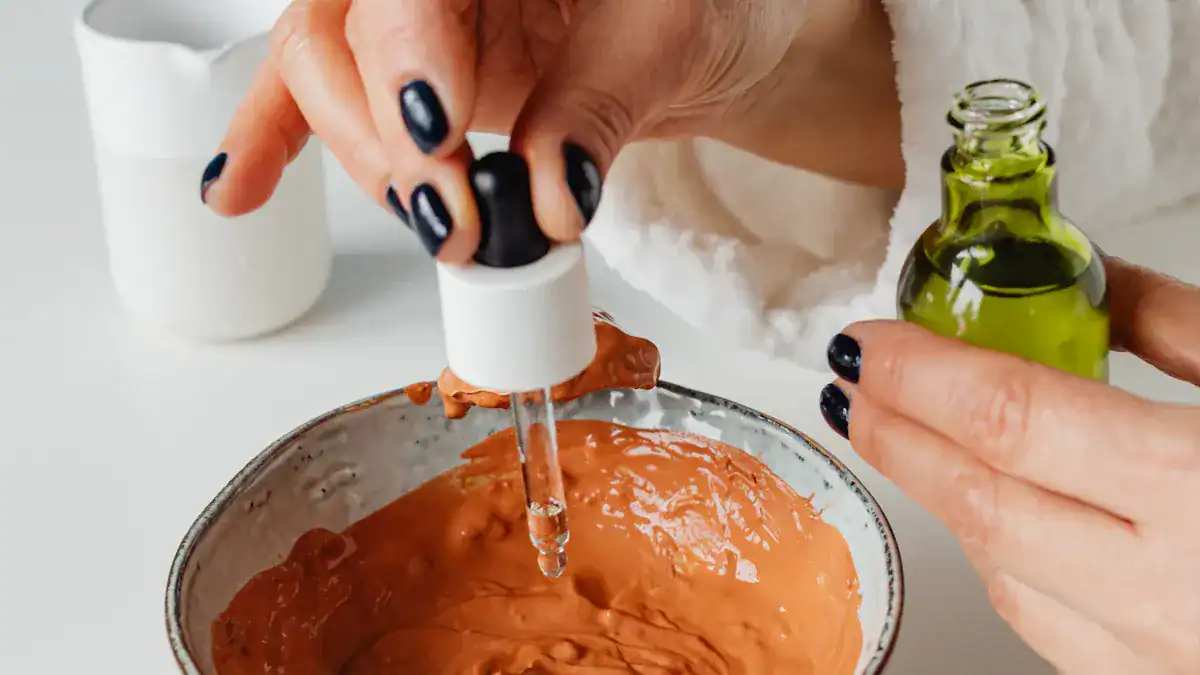
You are not alone in seeking natural ways to care for your skin. Many consumers, like 34% surveyed, now prefer natural and organic options. European countries also show a strong preference for natural ingredients in their skincare routines. Aloe vera is a true superstar for your skin, packed with natural benefits. Making a homemade aloe vera face mask is easy and effective. You can create amazing diy masks at home. This guide shares simple diy recipes for various skin needs. Discover your perfect aloe vera face mask!
Key Takeaways
Aloe vera is good for your skin. It helps heal, hydrate, and calm skin problems like acne.
You can make your own aloe vera face masks at home. Use fresh aloe vera or buy pure gel from a store.
Always clean your face before putting on a mask. Test a small spot of the mask on your skin first to check for reactions.
Different aloe vera masks help with different skin needs. You can make masks for hydration, clearing skin, brightening, soothing, or anti-aging.
Apply your mask carefully. Leave it on for 15-30 minutes, then rinse. Follow with your usual skincare products.
Benefits of Aloe Vera for Skin
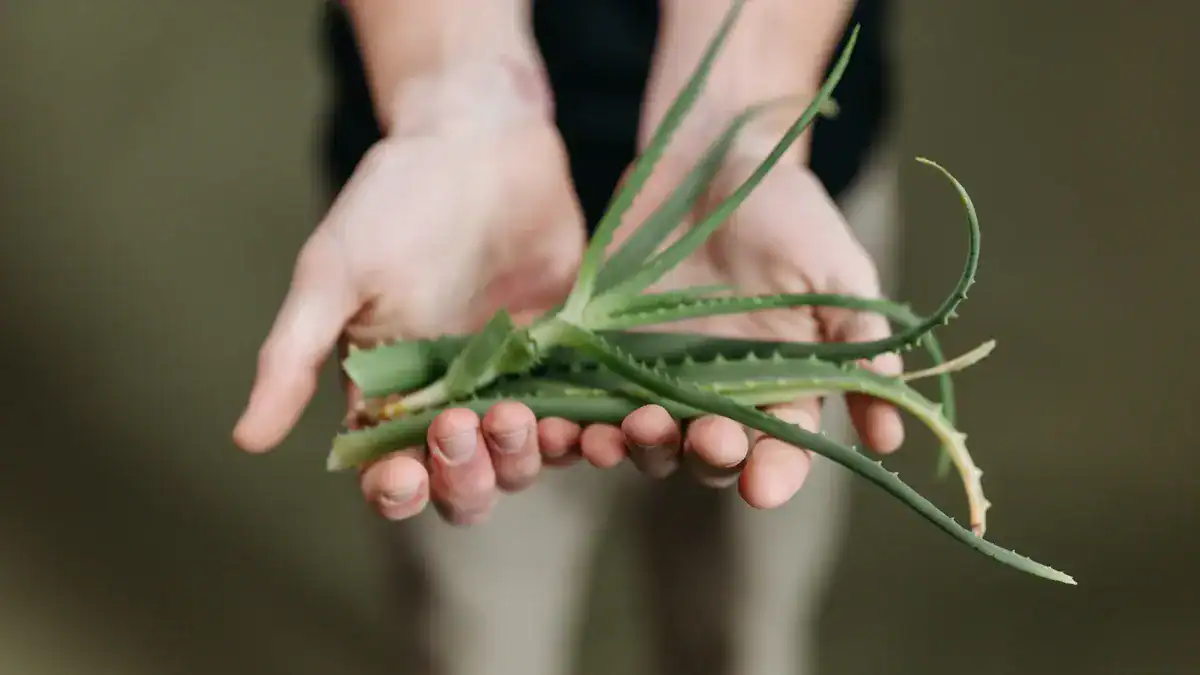
You might wonder why aloe vera is such a skincare hero. It’s packed with amazing compounds that work wonders for your skin. Let’s dive into what makes this plant so special.
Soothing and Healing Properties
Aloe vera is a natural healer. It helps your skin feel better and recover faster. This plant contains over 75 active ingredients in its gel. These ingredients work together to give you benefits like fighting germs, reducing swelling, and protecting your skin. They also help your skin heal from wounds. It’s not just one thing; it’s a team effort of many different parts of the plant. These parts work mainly through their antioxidant and anti-inflammatory actions.
For example, studies show that aloe vera extracts can really calm down skin inflammation. They stop your skin from making molecules that cause swelling. This means aloe vera can help reduce redness and irritation. It does this by blocking certain pathways in your cells that control inflammation.
Aloe vera also helps your skin heal from cuts and scrapes. It encourages new skin cells to grow and move where they are needed.
It makes fibroblasts grow and move. These cells are important for making new tissue.
It also makes keratinocytes grow and move. These are the main cells in your outer skin layer.
Aloe vera even protects these skin cells, helping them stay alive longer.
It also boosts important growth factors in your skin. These factors tell your skin to make more collagen and other proteins that keep it strong and healthy.
Hydration and Revitalization
Your skin loves moisture, and aloe vera delivers it deeply. It uses smart ways to get water into your cells. It gives you instant, deep cellular hydration by getting into your skin layers. The plant’s natural sugars, called polysaccharides, are like natural boosters for hydration.
All the good things in aloe vera, like proteins, enzymes, and tiny minerals, work together. They help your skin heal, grow new cells, and give it important nutrients. This all leads to healthy, well-hydrated skin. Aloe vera is packed with vitamins and minerals. It has vitamins A and C, for example. These vitamins, along with antioxidants and enzymes, help keep your skin moisturizing and soft.
Addressing Skin Concerns
Aloe vera can help with many common skin problems. If you have sensitive skin, it’s great for calming things down. It has a natural cooling effect and properties that fight inflammation. This helps calm redness, itchiness, and irritation. It also helps your skin heal faster.
It has a lot of water, over 90%, which makes it a great natural moisturizer. It hydrates your skin deeply without making it feel greasy.
It locks in moisture, keeping your skin soft and smooth.
It’s full of antioxidants, vitamins, and compounds that fight inflammation. These calm irritation, help your skin repair itself, and keep your complexion healthy.
Because it’s gentle, hydrating, and soothing, it works well for most skin types. This includes dry, sensitive, and eczema-prone skin. It helps calm redness and irritation.
Aloe vera can also help with acne. While using aloe vera gel alone might not completely clear up acne, it works really well when combined with other ingredients. For example, in one study, products with aloe vera gel and Ocimum oil helped clear up inflammatory acne spots faster than a standard treatment. The more aloe gel used, the better it worked.
Oil Regulation and Pore Clearing
If you have oily skin, aloe vera can help balance things out. It contains minerals like zinc and magnesium. These minerals are known to help control how much oil your skin makes. Its light gel texture hydrates your skin well without adding more oil. When your skin gets enough hydration without feeling heavy, it can signal your oil glands to make less oil. By keeping your skin hydrated without making it heavy, aloe vera helps prevent your skin from getting too dry. Sometimes, dry skin can make your skin produce more oil. Using aloe vera regularly can lead to less oiliness for people with oily skin.
Aloe vera also has properties that fight bacteria. These properties help fight the bacteria that cause acne and reduce breakouts. It also has salicylic acid, which helps remove dead skin cells and clean out clogged pores. Pure aloe vera won’t clog your pores. It can help clear them and prevent acne because it fights bacteria and inflammation. Putting it directly on your skin can kill acne-causing bacteria and improve blood flow, leading to clearer pores. This nourishing plant truly offers a wide range of benefits for your skin.
Essential Tips Before Your Homemade Aloe Vera Face Mask
Before you dive into making your own homemade aloe vera face mask, you need to prepare. A few simple steps ensure you get the best results. You want your skin to love your new mask.
Sourcing Aloe Vera
You have two main ways to get aloe vera gel: from a fresh plant or from a store.
If you use a fresh plant, choose mature leaves. They should be about 8 inches long. Pick them from the outside of the plant. First, let the yellow liquid drain from the cut leaf. Point the cut end down into a bowl. This yellow liquid can irritate your skin. Then, clean the leaf. Cut off the top third of the leaf. Remove the spiny edges from both sides. Lay the leaf flat. Carefully slice away the thin green skin. You will see the clear gel. Rinse this clear aloe vera gel two or three times. This removes any leftover yellow liquid. You can cube the gel for easy storage.
If you buy aloe vera gel, look for good quality. Organic gels are often purer. Cold-pressed gels keep more nutrients. Choose fragrance-free options if your skin is sensitive. Some products even have dermatologists’ approval.
Skin Preparation
Clean skin is very important before you apply any mask. You need to remove dirt and makeup. This prevents applying the mask over bacteria. Always wash your hands too.
You can cleanse your face with your usual cleanser. Gently massage it into your skin. Rinse with lukewarm water. This helps keep your pores open. You can also take a warm shower before your mask. The steam helps open your pores. Or, soak a washcloth in warm water. Place it on your face for a few minutes. This gives a similar pore-opening effect. You can also exfoliate your skin. This removes dead skin cells. It helps your skin absorb the mask ingredients better. Skip exfoliating if your mask already does this.
Patch Testing Importance
Always do a patch test before you use a new product. This helps you find out if something will irritate your skin. Many skincare products have ingredients that can cause reactions. You can identify if a product might cause a skin reaction.
Apply a small amount of the mask to a tiny skin area. Try behind your ear or on your inner arm. Leave it on for a day or two. Skin reactions can take time to develop. You might see a rash, itching, or swelling. Reports of allergic reactions to aloe vera are rare. Still, it is smart to test first. This helps you avoid any unwanted surprises.
Easy Homemade Aloe Vera Face Mask Recipes
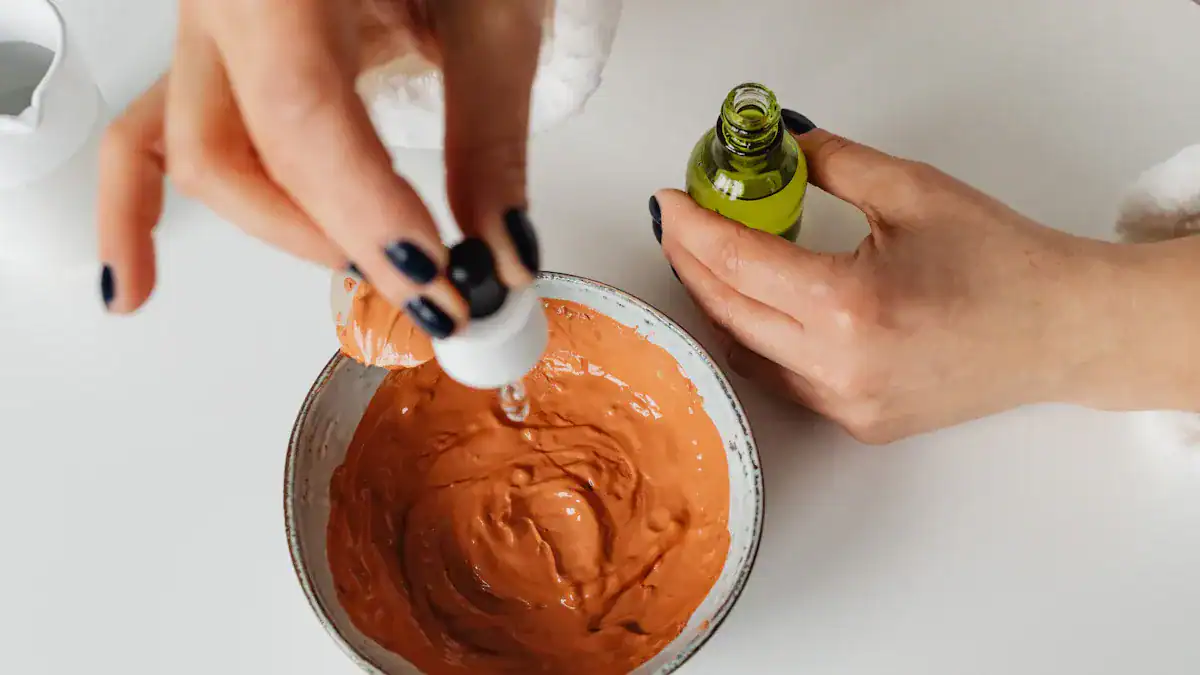
You are ready to create your own skincare magic! These simple recipes use aloe vera and other amazing natural ingredients. You can target specific skin concerns with these easy-to-make masks. Get ready to give your skin a treat with a homemade aloe vera face mask.
Hydrating Mask
Do you want to give your skin a big drink of water? This mask is perfect for you. It brings deep moisture to your skin.
Ingredients:
2 tablespoons fresh or store-bought aloe vera gel
1 teaspoon honey
Why it works: Honey is a fantastic addition. It helps calm redness and reduces scars. It also moisturizes your skin. For the best texture, use a 1:2 honey-to-aloe ratio. This means for every one part honey, you add two parts aloe vera gel. This ratio keeps the mask from getting too sticky.
How to make it: Mix the aloe vera gel and honey in a small bowl until smooth.
How to use it: Apply the mixture evenly to your clean face. Leave it on for 15-20 minutes. Rinse with lukewarm water.
Clarifying Mask
This mask helps clear out your pores and balance oily skin. It uses the power of natural ingredients to give you a fresh feel.
Ingredients:
2 tablespoons aloe vera gel
1 tablespoon natural yogurt
Why it works: Adding yogurt to your aloe vera mask brings many benefits. Yogurt helps lock in moisture. It can also brighten your skin and even out your skin tone. This helps with acne scars or sun spots. Yogurt may even protect your skin from UV rays. It can make your skin more elastic, which reduces fine lines. The good bacteria in yogurt can fight acne-causing germs and reduce swelling. It also helps with skin conditions like rosacea or eczema. Aloe vera itself treats acne and moisturizes your skin without making it greasy.
How to make it: Mix the aloe vera gel and yogurt until you have a smooth paste.
How to use it: Spread the mask on your face. Let it sit for 15 minutes. Rinse thoroughly.
Tip: You can also use other natural ingredients for clarifying. Milk, for example, gently exfoliates. Citrus juices like lemon or orange can refresh oily skin. Apple cider vinegar helps exfoliate and balance oil. Egg whites tighten skin and fight bacteria. Avocados moisturize. Green tea adds antioxidants. Witch hazel tones your skin. Turmeric can reduce dark spots.
Brightening Mask
Do you want a brighter, more even skin tone? This mask uses a natural exfoliant to reveal glowing skin.
Ingredients:
2 tablespoons aloe vera gel
A few drops of fresh lemon juice (start with 2-3 drops)
Why it works: Lemon juice contains citric acid. This acts as a natural exfoliant. It helps your skin shed dead cells. This can reduce dark spots and blemishes over time. Citric acid is an alpha hydroxy acid (AHA). It helps break down dead skin cells. This leads to smoother, brighter skin.
How to make it: Mix the aloe vera gel with the lemon juice.
How to use it: Apply the mixture to your face. Be careful around your eyes. Leave it on for 10-15 minutes. Rinse well. Use this mask at night because lemon juice can make your skin sensitive to the sun.
Soothing Mask
If your skin feels irritated or red, this mask offers a gentle, soothing touch. It calms and comforts your skin.
Ingredients:
2 tablespoons aloe vera gel
2 tablespoons cucumber puree (peel and blend a small piece of cucumber)
Why it works: Cucumber is mostly water. It provides a cooling and hydrating effect. When combined with aloe vera, it creates a powerful soothing mask. This helps reduce redness and inflammation.
How to make it: Mix the aloe vera gel with the cucumber puree until smooth.
How to use it: Apply the mask to your face. Relax for 20 minutes. Rinse with cool water.
Healing Boost: For extra healing, you can mix two tablespoons of aloe vera gel with 1/2 teaspoon of turmeric powder. Turmeric has strong anti-inflammatory properties.
Anti-Aging Mask
You can fight signs of aging with this nourishing mask. It uses powerful antioxidants to protect and revitalize your skin.
Ingredients:
2 tablespoons aloe vera gel
1 teaspoon Vitamin E oil (you can break open a Vitamin E capsule)
Why it works: Vitamin E is a strong antioxidant. It protects your cells from damage. It also helps your skin keep moisture. Vitamin E levels in your skin go down as you get older and from sun exposure. This face mask helps prevent moisture loss. It softens your skin. Vitamin E can also reduce sun damage by absorbing harmful UV rays. It lessens swelling and redness. Combining Vitamin E with natural ingredients like aloe vera makes a powerful anti-aging treatment. A general recommendation for mixing aloe vera with other ingredients is a 1:1 ratio. You can adjust this for the right consistency. For example, a night serum for brightening might use 1½ tablespoons of aloe vera gel with ¾ teaspoon of Vitamin E liquid.
How to make it: Mix the aloe vera gel and Vitamin E oil thoroughly.
How to use it: Apply the mask to your clean face. Leave it on for 20-30 minutes. Rinse with warm water.
Applying Your Aloe Vera Face Mask
You have mixed your perfect mask. Now, let’s talk about putting it on. Proper application helps you get the most from your homemade aloe vera face mask.
Application Techniques
Applying your mask correctly makes a big difference. You can use your clean fingertips or a soft brush. Spread an even layer across your face. Always avoid the delicate skin around your eyes and lips. If you are using a cream or gel mask, use your fingertips to apply it smoothly. For clay masks, focus on oily areas like your T-zone. Spread a thin, even layer. If you ever use a sheet mask, unfold it gently. Then, line it up with your face. Press it down to make sure it sticks evenly.
Optimal Mask Duration
How long should you leave your mask on? It depends on what you want to achieve.
Short-Term Use (15-30 Minutes): This time is great for quick hydration and soothing. Your skin absorbs the good stuff without getting too much. This works well for dryness or redness. After this time, rinse your face with lukewarm water. This prevents any sticky feeling or residue.
Overnight Use: You can leave aloe vera on overnight for deep hydration. This is especially good if your skin is very dry. It allows for more moisture to soak in. If you leave it on overnight, you might want to use a light moisturizer with it. This helps keep it from getting on your bedding.
You should wash off aloe vera if you feel any discomfort. If your skin feels sticky, tingly, or starts to burn, rinse it off right away. Also, wash it off if you see flakiness or residue. This can clog your pores.
Post-Mask Care
You have removed your mask. What’s next? These steps help lock in the benefits.
Pat, Don’t Rinse: Unless it was a detox mask, do not wash your face right after. Gently pat any extra serum into your skin. This helps your skin absorb all the nutrients.
Use Excess Serum: Don’t throw away any leftover mask mixture. You can apply it to your neck, chest, or even your hands. They can use extra hydration too!
Seal It In: Apply your favorite serum or moisturizer while your skin is still a little damp. Moisturizers create a barrier. This locks in moisture and protects your skin.
Tone and Protect: You can spritz your skin with toner. This helps balance your skin’s pH. Always finish with sunscreen during the day. This is very important, especially if your mask had ingredients that make your skin sensitive to the sun.
You now see how simple and effective a homemade aloe vera face mask can be. You can easily add these natural treatments to your skincare routine. Feel free to experiment with these recipes. Find what works best for your unique skin. There is joy in creating your own natural skincare. You get amazing benefits too. Go ahead, embrace your natural glow!


