Chicken provides a moderate amount of potassium. A raw skinless breast contains about 256 mg per 100 g. Cooked values vary: around 220 mg for a 3 oz breast and about 280 mg per 100 g for rotisserie, with dark meat like thigh usually a bit higher. Cooking method, portion size, and brining or processing change the numbers, so keep preparation in mind to match dietary goals.
Why Potassium Matters for Health
Balance matters. Whenever you eat foods with potassium, you help keep electrolyte balance steady so your body feels stable. You might notice fewer muscle cramps whenever potassium supports fluid and mineral levels.
That ease helps you move without worrying about sudden twinges during daily tasks or workouts. Potassium also helps clean nerve signaling, so messages between your brain and muscles travel smoothly.
Whenever signals run well, you feel more confident in your body and less isolated by health worries. Your heart rhythm depends on those same signals and balances, and keeping potassium in mind helps protect steady beats.
You belong to a body that responds to care, so small choices can make a real, comforting difference.
Daily Potassium Requirements by Age and Condition
You need different amounts of potassium at different stages of life, so we’ll look at age groups and special conditions like pregnancy and breastfeeding together.
Should you be pregnant or nursing your needs rise, and in case you have kidney disease you might actually need to limit potassium with a doctor’s guidance.
Grasping how age and health interact will help you use chicken and other foods to meet safe potassium goals.
Age-Based Potassium Needs
Whenever you’re figuring out how much potassium you need each day, age and life stage matter a lot because your body uses potassium differently as you grow and change. You belong to a community of people making choices for health, and it helps to know general ranges so you can plan meals like chicken portions to help meet needs.
Childhood needs and adolescent requirements shift as kids grow, so pay attention to portions and variety.
- Infants: small amounts from breast milk or formula with gentle guidance
- Young children: growing needs, aim for potassium-rich snacks
- Adolescents: higher demands during growth spurts and activity
- Adults: steady daily targets to support heart and muscle
- Seniors: adjust for medications and changing appetite
Pregnancy and Breastfeeding
After talking about how potassium needs change with age, let’s look at what pregnancy and breastfeeding ask of your body.
Whenever you’re pregnant, your blood volume and the baby’s needs rise, so your potassium needs climb too. You might lean on prenatal supplementation as part of a plan with your provider, but whole foods like chicken, beans, potatoes, and greens help you meet targets gently.
During lactation you pass nutrients to your baby, so lactation nutrition focuses on steady potassium, fluids, and balanced meals you can stick to. Consult with your care team about safe supplements and realistic meal ideas. You belong in this community of parents making small, steady choices that safeguard both you and your child.
Kidney Disease Considerations
Whenever your kidneys aren’t working well, they can’t keep potassium in the right range, so your daily needs and limits change and you need a clear plan you can follow. You deserve care that fits your life and keeps you safe. Work with your team to learn targets based on age, weight, and kidney stage. Ask about potassium binders should your levels be high. Talk about dialysis timing and how meals fit around sessions.
- Know your personalized potassium goal and write it down
- Plan chicken portions to match your target and preferences
- Schedule meals around dialysis timing for steadier levels
- Keep potassium binders info handy and follow instructions
- Reach out whenever you feel unsure so you stay supported
Potassium Content in Raw Chicken Cuts
Want to know how much potassium you’re getting from raw chicken cuts? You’ll find that different cuts vary, and you’re not alone in wanting clear facts. Skinless breast tends to have moderate potassium per ounce, while thigh and leg pieces often have a bit more.
Pay attention to cut surface potassium while you shop and prep, since exposed meat can show small differences in mineral content. Should you select a bone in variation, minerals could distribute differently near the bone, and that can slightly change your serving estimate.
You’ll want to weigh portions and consider that trimming fat or skin changes volume but not much of the potassium. Trust your instincts and ask questions so you feel supported in choosing cuts.
Potassium Content in Cooked Chicken Cuts
Whenever you prepare chicken, the potassium shifts a bit, so it’s useful to know how changes in temperature and moisture influence the amount you actually eat. You’ll notice that cooking concentrates minerals as water leaves the meat, so potassium per bite often increases. At the same time, sodium interaction from seasonings can alter how salty and satisfying the piece feels, which matters for your meal choices. Texture changes also matter since drier cuts might seem smaller but pack more potassium per ounce.
Here are friendly things to keep in mind as you cook with people you care about:
- Roasting reduces moisture and raises potassium density, good for sharing hearty plates
- Grilling chars surfaces and keeps minerals inside
- Poaching preserves moisture so potassium stays spread out
- Sautéing with salt emphasizes sodium interaction and flavor
- Resting meat retains juices and evens texture changes
Dark Meat vs. White Meat: Potassium Comparison
Even though both dark and white chicken give you potassium, you’ll observe differences that matter whenever you plan meals for health and taste.
Whenever you pick dark meat, you’re more likely answering Dark meat cravings and getting slightly more potassium per ounce. Dark cuts also bring richer Flavor profiles, with moist texture that helps you feel satisfied sooner.
Whenever you pick white meat, you tend to get leaner cuts, so you get less potassium but fewer calories.
You can mix both to balance nutrients and taste. Try combining roasted thighs with grilled breasts in a salad or bowl. That way you respect cravings and control intake.
You’ll find simple swaps and pairings that fit your group, your budget, and your aim to eat well together.
How Portion Size Affects Potassium Intake From Chicken
Whenever you alter how much chicken you put on your plate, you change how much potassium you get, and that matters more than you might suppose. You can feel confident adjusting portions whenever you know about portion variability and how serving swaps shift nutrients. Consider your habits and comfort level as you make changes.
- Choose a 3 ounce piece for a lighter potassium lift whenever you want less at dinner.
- Pick a 6 ounce portion for more potassium after a long day or workout.
- Try serving swaps like replacing fries with an extra slice of chicken to raise potassium.
- Share a family style platter so everyone controls their portion size easily.
- Use a food scale or visual cues like a deck of cards to keep portions steady.
These tips help you belong to your food choices.
Effects of Cooking Methods on Potassium Levels
How you cook chicken can change how much potassium stays on your plate, so it helps to know which methods keep more and which let more wash or drip away.
Whenever you bake or roast, juices stay mostly inside, so you keep more minerals including potassium.
Grilling and broiling let fat and liquid drip off, which can lower potassium a bit.
Boiling or poaching sends soluble potassium into the cooking water, so you’ll lose more unless you use that broth.
Marinating adds flavor and can pull out some marinade minerals that contain potassium, especially provided you rinse the chicken afterward.
Also check packaging loss whenever buying pre-cut or processed pieces since some potassium can leach into added liquids.
Trust your choices and cook in ways that match your goals.
Comparing Chicken to Other Potassium-Rich Foods
You’ve just learned how cooking can change the potassium in chicken, and now you might speculate how that compares to other foods you eat. You’re part of a group that wants practical swaps, so let’s look at common options and how potassium bioavailability matters whenever you make culinary substitutions. Shifting between foods is simple whenever you know what to pick.
- Bananas: handy snack, high potassium, easy culinary substitutions like banana slices on yogurt
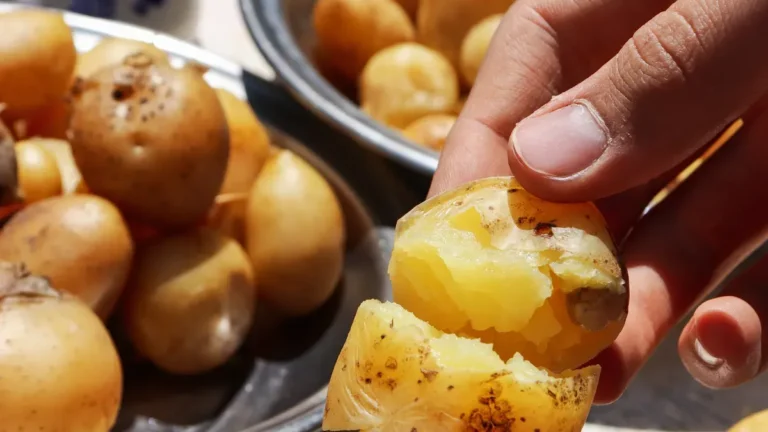
- Potatoes: versatile side, good potassium bioavailability when baked or mashed
- Spinach: leafy choice, goes well in salads or smoothies and pairs with chicken
- Beans: filling and rich in potassium, great swapped into stews with chicken
- Avocado: creamy lift, mixes well in sandwiches or salads with chicken
Potassium Considerations for Blood Pressure Management
You can use potassium to help manage blood pressure because it helps your body balance sodium and relax blood vessels.
Chicken provides a modest amount of potassium compared with fruits and vegetables, so it can be a helpful part of a blood pressure–friendly diet provided it’s paired with other potassium-rich foods.
Keep in mind that portion size and cooking methods affect how much potassium you actually get, so choosing lean, simply prepared chicken and combining it with veggies will support your heart health.
Potassium’s Role in BP
Whenever your blood pressure feels like a mystery, potassium can be one of the simplest, most powerful tools you already have in your kitchen.
You rely on potassium to help electrolyte balance and keep your vascular tone steady.
As you eat potassium rich foods, your body moves sodium out of cells, which eases pressure on vessels.
That gentle effect can make you feel cared for and in control.
- It helps muscles around arteries relax so blood flows more smoothly
- It supports kidney function to remove extra sodium and fluid
- It works with other minerals to keep heartbeat regular
- It reduces the strain high sodium causes on your vessels
- It fits into everyday meals and brings comfort with each bite
You can choose small changes that matter.
Chicken’s Potassium Content
Provided that potassium helps your vessels relax and keeps sodium in check, it makes sense to look at the foods you eat most, like chicken, and see how they fit into blood pressure care. You’ll find chicken offers modest potassium along with protein balance, so it supports heart health whenever paired with veggies and whole grains. Cooking science matters because preparation changes sodium and nutrient retention, and you’ll want to avoid heavy salt. You’re not alone in learning this; many in your community tweak recipes together.
| Cut | Potassium (mg) | Remark |
|---|---|---|
| Raw breast | 256 per 100g | Lean choice |
| Cooked thigh | 230 per 100g | Richer flavor |
| Rotisserie | 280 per 100g | Watch sodium |
Kidney Disease and Potassium: What Chicken Eaters Should Know
Should your kidneys be struggling, managing potassium becomes essential because this mineral can build up in your blood and cause problems; chicken can be a helpful part of your meals provided you know how to choose and prepare it.
You deserve clear guidance and company while you learn. Talk with a clinician or dietitian about dietary counseling, and ask how your medicines might affect potassium and check medication interactions.
- Pick lean cuts and control portion size to limit potassium load
- Rinse and trim to lower mineral content whenever possible
- Share your concerns with friends or support groups so you don’t feel alone
- Track foods and symptoms to spot patterns together with your care team
- Ask about lab timing so you know at what points levels truly reflect your status
You’ll feel supported as you make steady, safe choices.
How to Plan Meals to Meet Potassium Goals With Chicken
You can plan meals around chicken so they hit your potassium targets without stress. Start through learning portion potassium estimates for chicken cuts and then pair them with higher potassium sides like beans, sweet potatoes, or spinach.
Use weekly meal templates to mix portions and pairings so you get variety and steady progress toward your goals.
Portion Potassium Estimates
While you plan meals, consider chicken portions the same way you’d regard a building block in a recipe for health, because the amount you eat changes how much potassium you’ll get. You belong to a group that cares about clear, simple choices, and portion control helps you meet potassium goals without stress. Reflect on usual servings and how they add up.
- 3 ounces cooked chicken breast roughly 220 mg potassium, handy for tracking
- 4 ounces cooked thigh roughly 280 mg potassium, richer and satisfying
- 1 cup diced cooked chicken roughly 300 mg potassium, easy to mix into salads
- 6 ounces cooked chicken roughly 420 mg potassium, a common dinner portion
- Adjust portions while you watch potassium bioavailability and balance with other foods
These estimates link portions to daily targets and help you plan meals with confidence.
Pairings to Boost Potassium
Now that you know how portions add up, consider about what to pair with chicken to raise potassium without fuss. You’re not alone in wanting simple swaps that feel like home. Mix chicken with banana smoothies for post-workout protein and a potassium kick. Toss chicken into avocado salads for creamy texture and extra potassium that still feels fresh.
| Quick Pairing | Why it helps |
|---|---|
| Banana smoothies | Fast, portable potassium |
| Avocado salads | Creamy, fiber rich |
| Roasted sweet potato | Hearty, potassium dense |
These combos fit busy routines and shared meals. Try swapping a starchy side for roasted sweet potato or blending a banana smoothie instead of a sugary drink. Small changes add up, and you’ll feel supported while meeting goals.
Weekly Meal Templates
Often you’ll find that a little planning makes hitting potassium goals with chicken feel easy and steady. You’ll want Weekly Meal Templates that fit your week and your circle. Start with Meal planning and Grocery prep as a team effort so everyone feels included and supported. Break the week into simple themes and rotate potassium-rich sides with chicken mains. Try this friendly template:
- Monday: Quick grilled chicken with roasted sweet potatoes and spinach salad for steady potassium.
- Tuesday: Chicken stir-fry with banana slices for dessert to add potassium naturally.
- Wednesday: Chicken soup with beans and carrots for cozy nourishment.
- Thursday: Sheet-pan chicken with potatoes and broccoli for easy Grocery prep.
- Friday: Chicken tacos with avocado and tomato for shared meals and joy.
These templates help you stick with goals while keeping meals warm and social.
Label Reading and Nutrition Databases for Accurate Potassium Counts
In case you want to know how much potassium is in the chicken you buy, start through learning to read food labels and use nutrition databases with care.
You can check ingredient labeling for added brines or seasonings that change potassium.
Read serving size, sodium, and potassium lines, and compare brands.
Nutrition databases help when labels lack details, but watch for database discrepancies between sources.
Use multiple trusted databases and pick the one that matches your product type.
Should you feel unsure, reach out to community groups, dietitians, or store staff for guidance.
Together you can learn what to trust.
Keep notes on labels and database entries so you build reliable habits and feel supported while tracking potassium.
Practical Recipes and Serving Ideas to Boost Potassium With Chicken
Should you want to add more potassium to your meals without losing flavor, chicken is a great place to start because it’s versatile and easy to pair with potassium-rich foods.
You can welcome friends or family into the kitchen and feel confident mixing tastes that comfort everyone. Try these simple ideas that blend textures and nutrients so you all feel nourished.
- Roast chicken with roasted plantains and a squeeze of lime for sweet savory balance.
- Make a salad with shredded chicken, creamy avocado, spinach, and cherry tomatoes for a fresh lift.
- Stir diced chicken into black beans and brown rice for a hearty one-pan meal.
- Wrap grilled chicken, sliced bananas, and greens in a whole wheat tortilla for portable warmth.
- Top chicken tacos with pico de gallo and slices of creamy avocado for shared joy.