
Imagine a kitchen humming with the sound of a blender, a vibrant orange Jell-O mold shimmering on the counter. The 1970s presented a unique and sometimes baffling culinary landscape. While some fads fade, the iconic 70s food trends left a lasting impression. What were those unforgettable dishes that defined the baby boomer era? Why have they largely vanished from modern tables? These retro and vintage tastes evoke deep food nostalgia for many a boomer. These specific food experiences and memories are primarily held by the boomer generation.
Key Takeaways
Jell-O was a popular food in the 1970s. People made both sweet and savory dishes with it.
Casseroles were easy and cheap meals. They often used canned goods and fed many people.
Hearty main dishes like meatloaf and Salisbury steak were common. They were practical and affordable for families.
Fondue made meals fun and social. People dipped food into melted cheese, hot oil, or chocolate.
Many unique snacks and desserts were popular. These included Watergate Salad and the long Marathon candy bar.
Jell-O Creations: A Boomer Staple
The 1970s kitchen often saw Jell-O take a surprising turn. It moved beyond sweet desserts into savory territory. This versatile gelatin became a true boomer staple, appearing in many forms.
Savory Jell-O Molds
People created wobbly, colorful Jell-O salads for potlucks. These molds often contained unexpected ingredients. Cooks mixed carrots, cottage cheese, and even ham into the gelatin. Some popular creations included ‘Molded Tuna Salad.’ This dish combined tuna, boiled eggs, pickles, and celery. Lime-flavored gelatin held it all together. These savory concoctions offered a unique blend of textures and flavors.
Layered Jell-O Delights
Beyond the savory, Jell-O also shone in elaborate layered desserts. These treats were a feast for the eyes. One common method involved dissolving Jell-O in boiling water. Then, people added two-thirds of frozen Cool Whip to the warm Jell-O. They stirred until it blended into a creamy mixture. This mixture went into cups, filling them two-thirds full. After three hours in the refrigerator, the first layer set firmly. The remaining Cool Whip then formed a third, fluffy layer on top before serving. Some creative cooks even tilted cups in the refrigerator. This made slanted, colorful layers, adding an artistic touch. The original Jell-O 1-2-3 product also created three distinct layers on its own, a marvel of convenience.
Aspic’s Wobbly Wonders
Aspic was another wobbly wonder of the era. It was a savory gelatin made from meat or vegetable stock. Cooks used aspic to mold meats, vegetables, or even seafood. It gave dishes a glossy, shimmering finish. Aspic creations often appeared at formal dinners or special occasions. They added a touch of elegance, albeit a very jiggly one, to the table. These clear, quivering molds showcased ingredients in a way that fascinated guests.
Casserole Comforts
Casseroles were the unsung heroes of the 1970s kitchen. They offered a perfect solution for busy home cooks. These dishes were filling, easy to put together, and tasty. They became deeply ingrained in middle-class kitchens, relying on ingredients that could survive in a suburban cabinet for months. Think egg noodles, cream of mushroom soup, and canned tuna. Casseroles were comfort food, often heavy with cheese, soup, and whatever else was in the pantry. They could feed a crowd, making them perfect for family dinners and potlucks. Minimal effort cooking was a key factor; home cooks simply layered ingredients and let the oven do the work.
Tuna Noodle Casserole
This dish was a true champion of affordability and convenience. Tuna noodle casserole was popular due to its accessible, affordable, crowd-pleasing makeup. It could feed a household on a dime. The recipe required little culinary technique and just as little time. The whole dish came together in around a half hour. Cooks made it mostly from low-cost, long-lasting pantry staples. A bag of frozen veggies often joined the mix. This warming, filling casserole easily satiated a crowd. Leftovers also held up well. Typical ingredients included egg noodles, canned tuna, cream of mushroom soup, and shredded Cheddar cheese. Many recipes topped it with crushed butter crackers for a satisfying crunch.
Green Bean Casserole
The classic green bean casserole became a year-round fixture. Dorcas Reilly, a home economist at Campbell’s Test Kitchen, created it in 1955. She aimed for an accessible recipe using ingredients readily available in 1950s kitchens. This dish remained a staple through the 1970s. Its core ingredients are simple: green beans (often canned or frozen), cream of mushroom soup, and crispy fried onions. Some versions added a dash of soy sauce. This casserole made less popular vegetables palatable by combining them with processed cheese and other comforting flavors.
Tater Tot Bakes
Tater Tot Bakes brought a playful twist to the casserole scene. These hearty dishes often featured ground beef or chicken, a creamy sauce, and a generous topping of crispy tater tots. They were another easy weeknight meal. Families loved their satisfying crunch and savory flavors. These bakes offered a full meal in one dish, with ingredients mingling during baking. They were a hit with kids and adults alike, providing a comforting and straightforward dinner option.
Hearty 70s Mainstays: Boomer Food Nostalgia
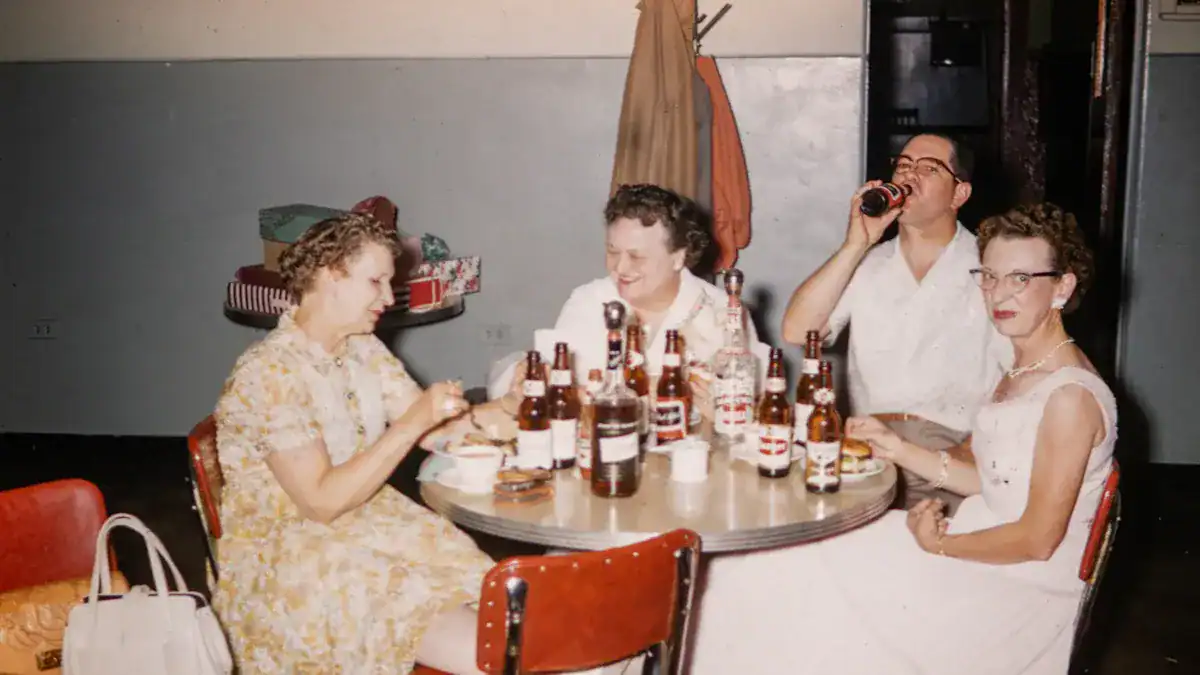
The 1970s kitchen offered substantial main dishes. These meals often appeared less glamorous than today’s gourmet plates. Yet, they represented “real food” for many families. Cooks prioritized practicality, affordability, and robust, satisfying meals. They often stretched the dollar, adding filler to more expensive ingredients. Every meal counted. These iconic 70s food trends relied on pantry staples like canned cream-of-something soup. This practical cooking prioritized affordability over elaborate preparation. Families enjoyed efficient, hearty meals, like oven-baked buttermilk chicken and potatoes.
Meatloaf with Ketchup Crown
Meatloaf stood as a classic family favorite. Cooks often shaped ground meat into a loaf, then baked it. A shiny “ketchup crown” often topped the finished dish. This sweet and tangy glaze baked onto the meat. In the 1970s, manufacturers offered an inexpensive ground meatloaf mix. This mix typically contained one-third pork, one-third veal, and one-third beef. This convenient option helped meatloaf regain its status as an economical and simple meal.
Salisbury Steak Suppers
Salisbury steak provided another popular supper option. This dish featured ground beef patties, shaped like steaks. A rich brown gravy covered them. Often, mushrooms or onions joined the gravy. Families frequently served Salisbury steak with mashed potatoes and a green vegetable. It offered a comforting, hearty meal. Many people remember Salisbury steak from tv dinners, a convenient option for busy boomer households.
Creamed Chipped Beef on Toast
Creamed chipped beef on toast, affectionately known as “S.O.S.” in some circles, was a simple, filling meal. Cooks melted butter in a pan. They sprinkled in flour and whisked it to create a roux. Then, they slowly whisked in whole milk until the mixture became smooth and creamy. Next, they stirred in chopped dried beef, often from brands like Buddig or Hormel. They seasoned it with black pepper and a pinch of nutmeg. This savory gravy poured over buttered toast. It offered a quick, warm, and satisfying food for any time of day.
Liver and Onions
Liver and onions was a dish many boomer parents insisted their children eat. This less glamorous main course featured pan-fried liver slices, usually beef or calf liver. Caramelized onions often accompanied the liver. While not universally loved, it provided an economical and nutritious meal. Another unique iconic 70s food trends for many was Braunschweiger. This spreadable liver sausage often appeared on crackers or in sandwiches. It holds a special place in boomer food nostalgia.
Fondue Fun
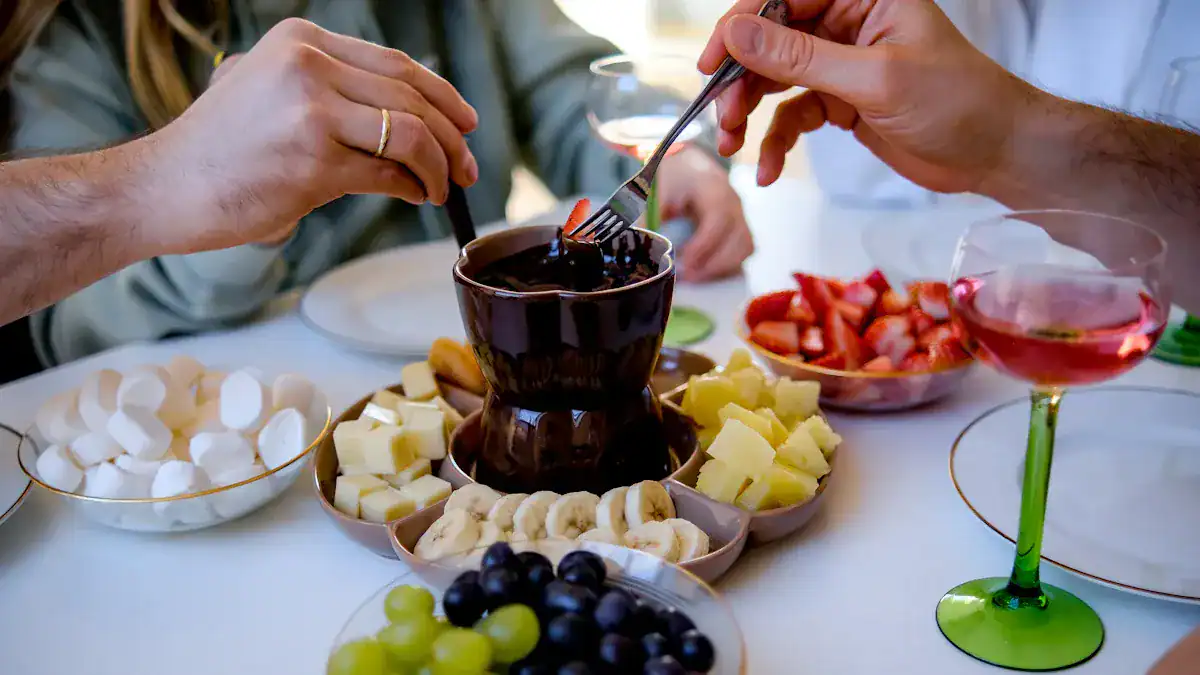
The 1970s brought a truly interactive dining experience to homes: fondue. This trend transformed meals into social events. Fondue parties gained popularity because they mirrored the evolving social norms of the era. They embraced a growing sense of informality and community. Its communal nature made it an appealing choice for gatherings. Fondue pots were highly popular, bringing people together to dip various foods. This style of dining was ideal for grazing and accommodating a crowd. It offered a relaxed alternative to formal, coursed-out dinners. Fondue provided a fun and informal way to host at home.
Cheese Fondue Parties
Cheese fondue became a party staple. Guests gathered around a bubbling pot of melted cheese. They used long forks to dip cubes of bread, vegetables, or fruit. Classic recipes often called for two types of Swiss cheese. Gruyère cheese was the most traditional choice. Many people also used Emmental, sometimes combined with Gruyère for a milder flavor. Hosts found fondue a convenient and easy way to organize a dinner party. It was a practical option for entertaining after a busy day.
Oil Fondue for Meats
Oil fondue offered a savory alternative. Guests cooked small pieces of meat in hot oil at the table. Beef tenderloin, cut into ¾-inch cubes, was a popular choice. People also enjoyed strips of chicken, beef, and shrimp. A variety of dipping sauces accompanied the cooked meats. Common options included caper butter, a zesty mustard sauce, or a red sauce made from catsup, vinegar, and horseradish. Some hosts offered barbecue sauce or a gussied-up soy sauce. A simple mix of equal parts ketchup and mustard also served as a favorite.
Chocolate Fondue Desserts
Chocolate fondue satisfied sweet cravings. A warm, melted chocolate mixture filled the fondue pot. Guests dipped an array of treats into the rich chocolate. Marshmallows, strawberries, banana slices, and pieces of cake were popular choices. This sweet ending provided a delightful and engaging dessert. It kept the interactive fun going until the very end of the meal.
Sweet Treats and Snack Nostalgia
The 1970s also offered a delightful array of sweet treats and snacks. These items evoke strong nostalgia for many a boomer. They often featured unique flavors and memorable packaging. Some of these treats have become truly iconic, even if they are now discontinued foods.
Watergate Salad
Watergate Salad was a dessert that appeared around 1975. It combined pistachio pudding, nuts, whipped cream, pineapple, and marshmallows. Kraft Corporate Affairs stated they developed the recipe for ‘Pistachio Pineapple Delight’ in 1975. This was the same year pistachio pudding mix was released. Kraft did not use the ‘Watergate Salad’ name until consumers requested the recipe under that name. An unnamed Chicago food editor reportedly renamed it ‘Watergate Salad’ to generate interest. Another theory suggests the name came from the similar ‘Watergate Cake.’ Both the cake and salad were part of a trend of satirically named recipes during the Watergate scandal era.
Pineapple Upside-Down Cake
Pineapple Upside-Down Cake was a classic dessert. A 1974 recipe included separated eggs, butter, brown sugar, drained pineapple slices, pecans, maraschino cherries, cake flour, baking powder, salt, granulated sugar, melted butter, and almond extract. Cooks arranged pineapple slices, pecans, and cherries in a skillet. They then poured batter over the fruit. Many people also used a yellow cake mix as a base. They substituted pineapple juice for water in the mix. This made preparation even easier.
Marathon Candy Bars
The Marathon bar was a unique candy introduced in 1973. It featured a braided caramel core coated in smooth milk chocolate. Its most unique characteristic was its astonishing eight-inch length. This made it stand out. The marketing campaign was memorable. It featured a cowboy character named ‘Marathon John.’ Ads used the catchy slogan: ‘Lasts a long time.’ The candy was easily recognizable by its vibrant red wrappers. These wrappers also included a handy ruler. This allowed customers to measure its impressive length. This was one of the more memorable discontinued foods from the era.
Shake-A-Puddin’
Shake-A-Puddin’ offered a quick and fun dessert. Kids loved shaking the cup to create instant pudding. It was a convenient snack, much like the pop tarts of the time. This simple treat provided a sweet fix with minimal effort.
The 1970s kitchen truly offered a unique, often experimental, and sometimes perplexing culinary landscape. These iconic 70s food trends were more than just meals. They served as social statements, convenience solutions, and reflections of the era’s changing tastes and technologies. New appliances like the slow cooker made hearty meals easier. A growing health movement also began to shift how people thought about food. These iconic 70s food trends hold powerful nostalgia for many a boomer. They shaped a distinct culinary chapter. What iconic dishes will future generations remember from our time?
FAQ
What made savory Jell-O molds so popular in the 70s?
Savory Jell-O molds offered a unique, wobbly presentation for potlucks. Cooks mixed ingredients like carrots, cottage cheese, or even ham into gelatin. These colorful creations provided a blend of textures and flavors. They were a conversation starter at any gathering.
What was the appeal of casseroles for 70s families?
Casseroles provided convenient, hearty meals for families. They used affordable pantry staples like egg noodles and canned soup. These dishes fed a crowd with minimal effort. They offered comfort and practicality for busy home cooks.
What was Creamed Chipped Beef on Toast?
Creamed chipped beef on toast featured dried beef in a creamy white sauce. Cooks poured this savory gravy over buttered toast. It offered a quick, warm, and satisfying meal. Many people called it “S.O.S.”
What made fondue a fun dining experience?
Fondue transformed meals into social events. Guests gathered around a pot to dip food. Cheese fondue, oil fondue for meats, and chocolate fondue for dessert encouraged interaction. It offered a relaxed, communal way to entertain friends and family.
What was the Marathon Candy Bar?
The Marathon bar was a unique candy from 1973. It featured an eight-inch braided caramel core coated in milk chocolate. Its impressive length made it stand out. The wrapper even included a ruler, adding to its memorable appeal.