Your white blood cells are critical for your body’s defense system. A strong immune system needs healthy white blood cell counts. This helps you fight off infections and maintain overall well-being. Your diet plays a big role to increase white blood cell production and activity. Good nutrition can truly boost your immunity. We will show you practical immune boosting foods to support your immune function naturally.
Key Takeaways
Eating certain foods helps your body make more white blood cells.
White blood cells are like tiny defenders that fight off sickness.
Foods like citrus fruits, garlic, and leafy greens are good for your immune system.
Omega-3s from fish and probiotics from yogurt also make your immune system stronger.
Good sleep, drinking water, and less stress also help your body stay healthy.
Understanding White Blood Cells
What Are White Blood Cells
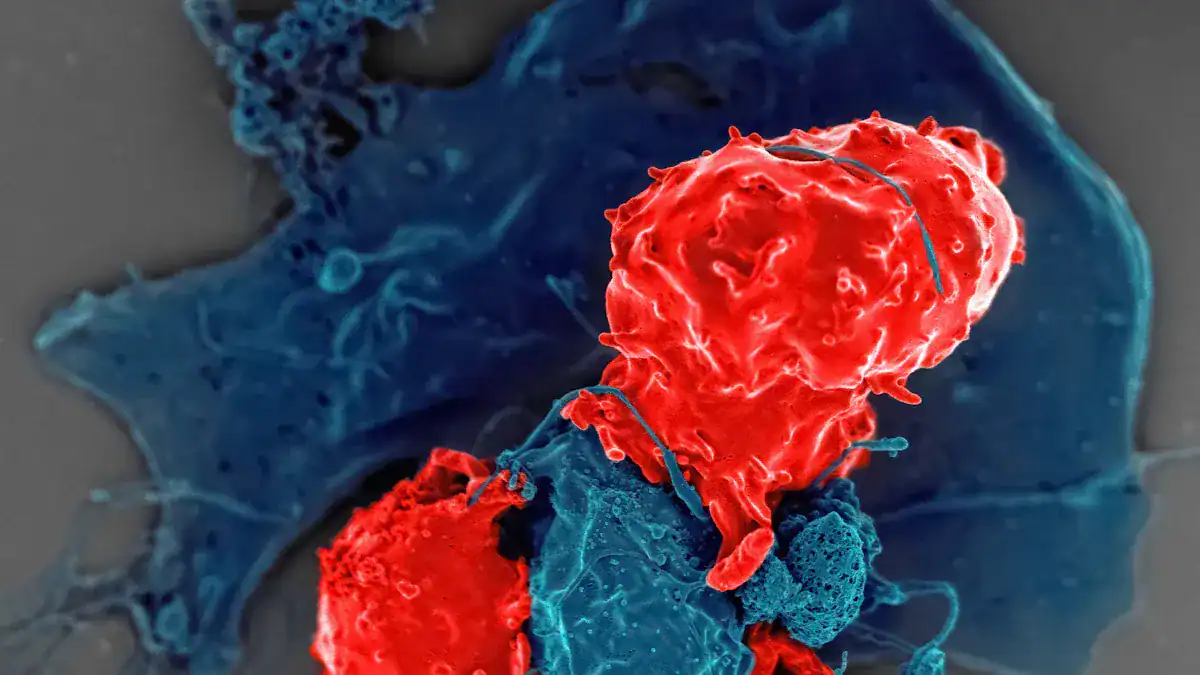
You have tiny but mighty defenders inside your body. These are your white blood cells. They are also called leukocytes. These special immune cells protect you from sickness. They find and destroy harmful invaders like bacteria, viruses, and fungi. Your immune system relies on them. Different types of white blood cells perform specific jobs:
Granulocytes:
Basophils: You see more of these after an allergic reaction.
Eosinophils: They fight parasitic infections. They also help with general immune responses.
Neutrophils: These act like tiny cleaners. They surround and destroy bacteria and fungi.
Lymphocytes:
B cells: They make antibodies. Antibodies help your immune system fight infection.
T cells: They find and remove cells that cause infections.
Natural killer cells: These attack and kill cells with viruses or cancer.
Monocytes: They target and destroy cells that cause infections. They are especially active during long-term infections.
Why Boost White Blood Cells
You need a healthy number of white blood cells. This helps you stay well. When your white blood cell count is low, you face a higher risk of getting sick. For example, if your neutrophil level drops too low, you can easily get an infection. This risk grows as your neutrophil count stays low. You are very likely to get an infection if your neutrophil count is less than 0.5 x 10^9/L. Your body’s defense is weakest when these counts are at their lowest.
Low white blood cell counts can make you feel unwell. You might experience:
Body aches
Chills and fever
Cough and sore throat
Dizziness
Fatigue
Sores on your mouth or skin
Trouble breathing
You can also become more susceptible to infections. You might get fevers or rashes. Mouth ulcers that do not heal can appear. Sores around your anus are also possible. You could even get pneumonia or other serious illnesses. Feeling tired is common. Painful sores in your mouth or anus might develop. You could also experience unusual illnesses. Therefore, you want to boost white blood cells. A strong count helps your body fight off these threats. You can boost your overall health and strengthen your immune system.
Top 10 Immune Boosting Foods
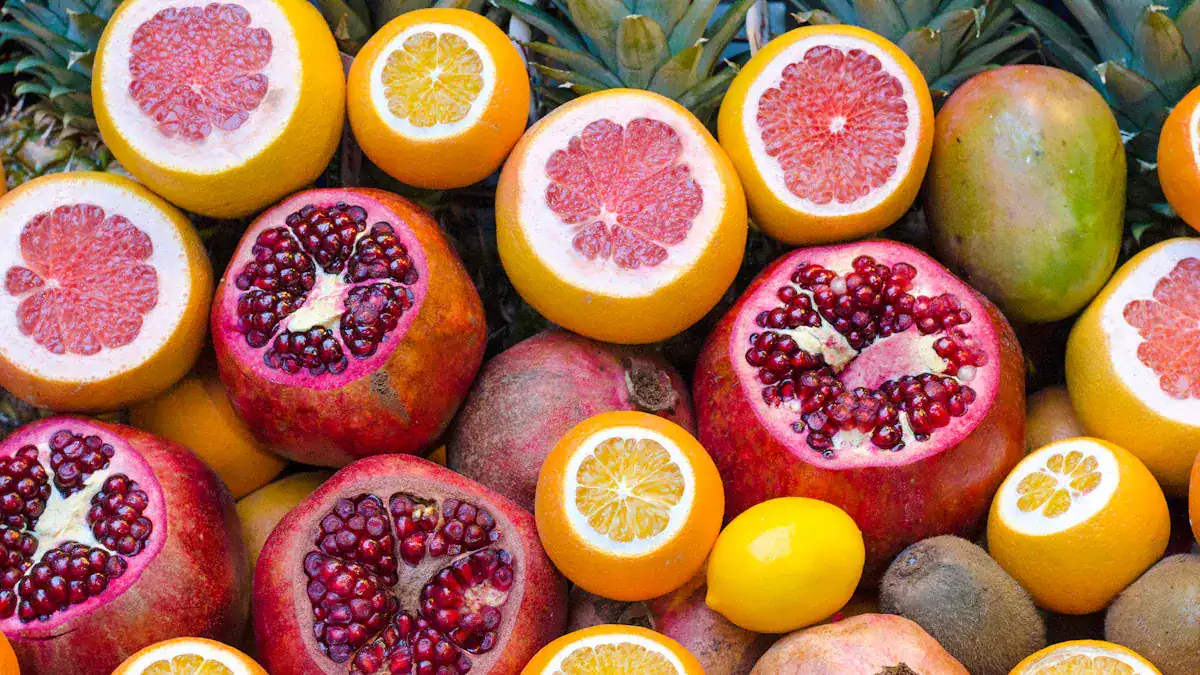
You can empower your body’s defenses. You do this by choosing the right foods. Here are 10 specific food categories. They support your white blood cell production and overall immune function.
Citrus Fruits
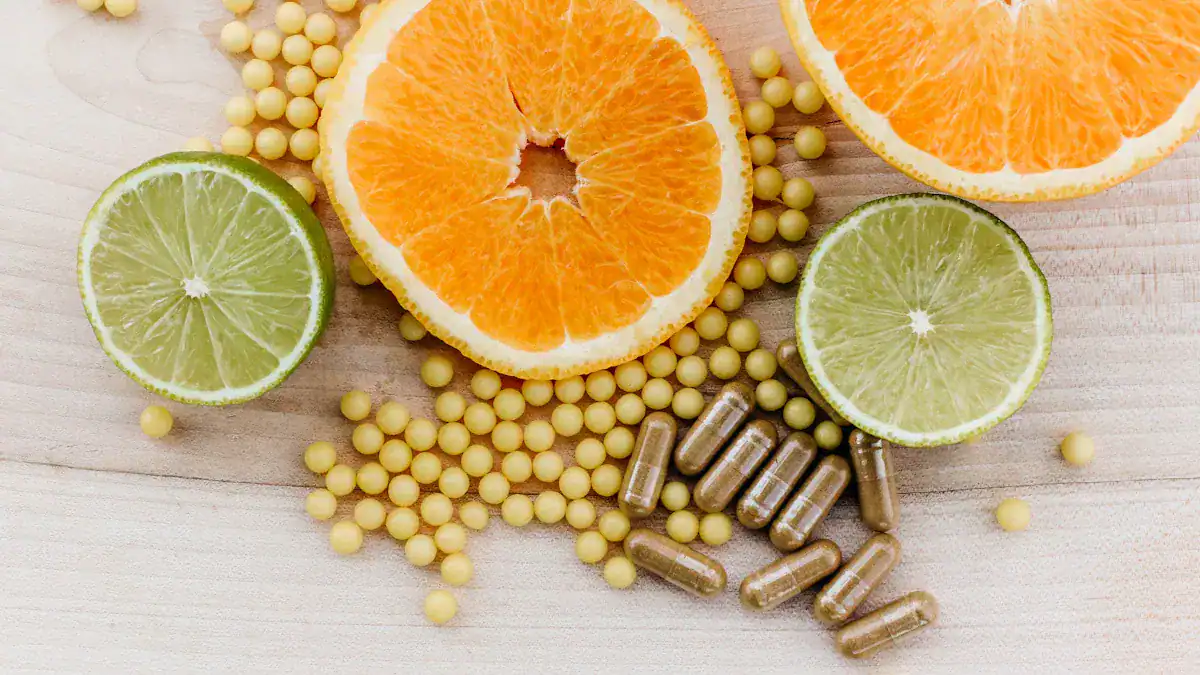
You know citrus fruits for their bright flavors. They are also powerhouses of Vitamin C. This vitamin is crucial for your immune system. It helps your body produce more white blood cells. These cells are your body’s main fighters against infections. Vitamin C also helps these white blood cells work better.
Citrus fruits contain more than just Vitamin C. They have phytonutrients like flavonoids and carotenoids. These compounds fight inflammation. They also improve how your cells communicate. This strengthens your immune response. Carotenoids, such as beta-carotene, can turn into Vitamin A. Vitamin A is important for your immune function. Hesperidin, a flavonoid in citrus, changes how your white blood cells express genes. This leads to anti-inflammatory effects.
Tip: Regularly consuming 1–2 grams of vitamin C per day may help reduce the duration of common cold symptoms. It can also enhance your immune system. This intake may also help prevent iron deficiency anemia. Vitamin C is crucial for overall health. It supports the cellular function of your immune system. Getting enough vitamin C can help prevent infections. A deficiency can make you more susceptible to them.
You can easily add citrus fruits to your diet. Enjoy oranges, grapefruits, tangerines, lemons, and limes. They are delicious ways to increase white blood cells and boost your immunity.
Red Bell Peppers
You might think citrus fruits have the most Vitamin C. But red bell peppers actually contain even more! They are excellent immune system boosters. One cup of chopped red bell peppers gives you 152mg of Vitamin C. Oranges provide 96mg per cup. This makes red bell peppers a superior choice for Vitamin C. They also contain other antioxidants. These antioxidants protect your cells from damage. This helps to boost immune function.
Garlic
Garlic is a common kitchen staple. It is also a powerful immune system ally. It contains a compound called allicin. Allicin gives garlic its strong smell. It also gives garlic its immune-stimulating properties. Allicin enhances your body’s pro-inflammatory immune responses. It helps dendritic cells mature and expand. These cells then lead to more pro-inflammatory mediators. Allicin also helps CD4+ T cells expand. This supports a strong immune response. It can also regulate immune cell autophagy. This means it helps your immune cells clean themselves. This contributes to overall immunity.
Ginger
Ginger is famous for its anti-inflammatory effects. It also has immune-modulating properties. Compounds in ginger, like gingerols and shogaols, help your immune cells. They decrease certain signaling pathways. This reduces inflammation. Ginger phenolics also activate NRF2. NRF2 induces antioxidant genes. It also inhibits NF-κB activity. NF-κB is a protein complex that controls inflammation. This helps your body fight off illness. Ginger can truly boost your immune function.
Turmeric
Turmeric is a vibrant yellow spice. It contains curcumin. Curcumin is the main active compound in turmeric. It has been used for centuries for its medicinal benefits. Curcumin can modulate your immune responses. It binds to proteins like cyclooxygenase-2 (COX-2) and lipoxygenase. It also influences important transcription factors. These factors regulate cell cycle and stress responses. Curcumin impacts both your innate and adaptive immune system. It affects T cells, B cells, dendritic cells, monocytes, macrophages, and neutrophils. While it often suppresses inflammation, curcumin can also stimulate your immune system.
Leafy Greens
Leafy greens are packed with vitamins and minerals. These nutrients are essential for your immune system function.
Vitamin C: Kale contains Vitamin C. It helps produce white blood cells. This is crucial for fighting infection.
Beta-carotene: Spinach and kale have beta-carotene. Your body converts it into Vitamin A. Vitamin A is an anti-inflammatory vitamin. It helps antibodies respond to toxins.
Vitamin E: Spinach contains Vitamin E. This vitamin is key in regulating and supporting your immune system.
Folate: Dark leafy greens provide folate. Folate contributes to white blood cell production.
Antioxidants: Dark leafy greens are rich in antioxidants. They support a healthy immune system. They can also help reduce the risk of certain immune disorders.
You can include spinach, kale, and broccoli in your meals. These are excellent immune boosting foods.
Fatty Fish
Fatty fish are rich in Omega-3 fatty acids. These fatty acids are important for your immune system. They increase white blood cell activity. This helps your body fight infections more effectively. The American Heart Association recommends eating at least two servings of fish per week. Fatty fish are preferred. This means about 6 to 12 ounces per week. This intake provides about 450-500mg of EPA and DHA daily. These are the beneficial Omega-3s. You can choose salmon, tuna, or mackerel. They are great sources of these healthy fats.
Yogurt and Fermented Foods
Yogurt and other fermented foods contain probiotics. Probiotics are beneficial bacteria. They play a big role in your gut health. Your gut health is closely linked to your immunity. Consuming fermented foods increases the diversity of your gut microbiome. A diverse microbiome is a healthy microbiome. Studies show that fermented foods can reduce the activation of certain immune cells. They can also decrease inflammatory proteins in your blood. This includes interleukin 6, which is linked to chronic inflammation.
Specific probiotic strains offer immune benefits.
Lactobacillus plantarum HEAL9: This strain secretes antimicrobial substances. It helps create a better microbial balance in your gut.
Lactobacillus paracasei 8700:2: This strain boosts innate immune functions. It increases phagocytosis and natural killer cells.
Lactobacillus rhamnosus (LGG®): This strain has lowered the incidence of middle ear infections and upper respiratory tract infections in children.
Lactobacillus paracasei CASEI 431®: This strain can reduce the duration of cold and flu symptoms.
You can enjoy yogurt, kimchi, sauerkraut, and kefir. These are excellent immune boosting foods. They support your immunity from the inside out.
Nuts and Seeds
Nuts and seeds are small but mighty. They provide essential nutrients for your immune system. They offer antioxidant protection.
B vitamins: B1, B6, and folate are important for fighting infection. They also reduce inflammation. Pistachios are rich in B1 and B6. Almonds and flaxseeds provide folate.
Zinc and Selenium: These minerals support glutathione. Glutathione is your body’s master antioxidant. It is crucial for immunity and cell signaling. Pine nuts, peanuts, cashews, and almonds contain zinc. Brazil nuts are a good source of selenium. Selenium influences inflammation and immune response.
Vitamin E: This vitamin reduces inflammation. Sunflower seeds, almonds, hazelnuts, and pine nuts contain alpha-tocopherols. Walnuts, sesame seeds, pecans, pistachios, flaxseed, and pumpkin seeds have gamma-tocopherols.
Omega-3 fatty acids: Chia, flax, pumpkin, and hemp seeds are rich in Omega-3s. These are important for overall immune function.
Sweet Potatoes and Carrots
Sweet potatoes and carrots are vibrant root vegetables. They are rich in beta-carotene. Your body converts beta-carotene into Vitamin A. This conversion happens mainly in your intestines and liver. Vitamin A is vital for your immune health. It helps with cell differentiation. This means it helps your immune cells mature and specialize. Beta-carotene also enhances the proliferation of T and B lymphocytes. It improves the function of effector T cells and natural killer cells. These are all types of white blood cells. They are crucial for fighting off invaders.
Beyond Diet: Lifestyle for Immunity
Eating well is a big part of a strong immune system. But other daily habits also play a huge role. You can further strengthen your body’s defenses. Focus on these key lifestyle factors.
Hydration Matters
Your body needs water for all its functions. This includes your immune system. Water helps carry nutrients to your cells. It also removes waste products. Staying hydrated helps your white blood cells work properly. You need enough fluid each day.
Category | Daily Fluid Intake (L) |
|---|---|
Adult Males | 3.7 |
Adult Females | 2.7 |
Note: These amounts include fluid obtained from food (0.7 L for males, 0.5 L for females).
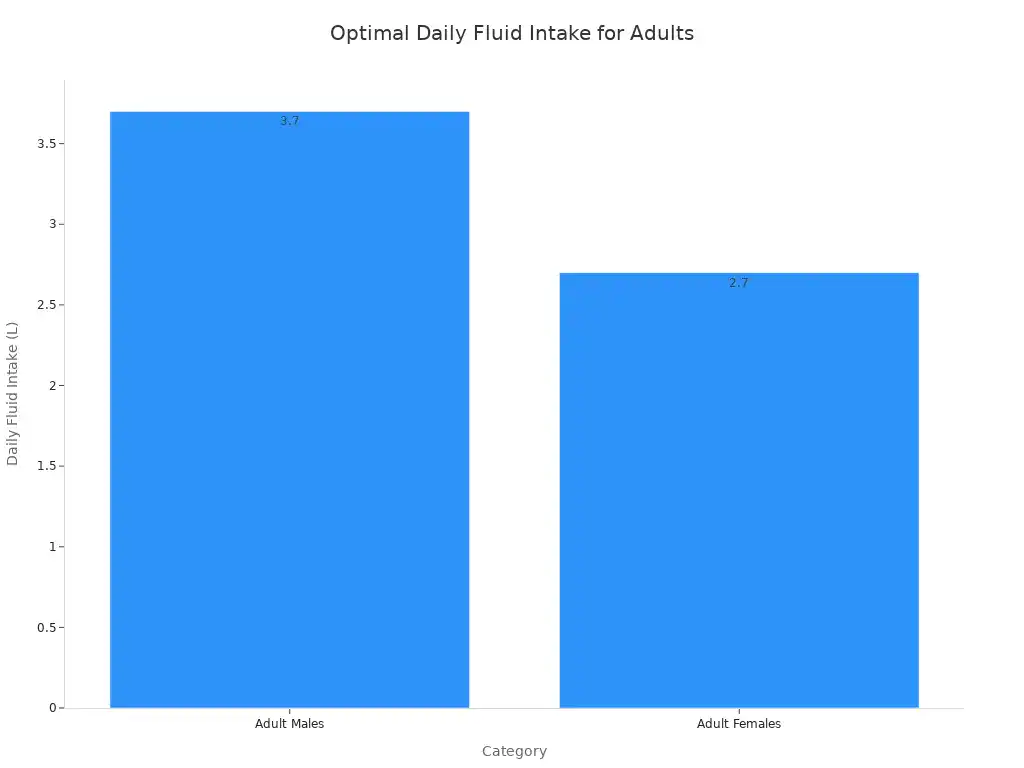
You should aim for around 8 glasses of water daily. Your individual needs can vary. Listen to your body’s signals.
Quality Sleep
Sleep is not just rest. It is vital for your immune system. Most adults need 7-9 hours of sleep each night. This helps your body recharge. It also maintains a strong immune system. When you sleep, your body cycles through four stages. These stages are crucial for immune processes.
“So take a group of healthy people, limit them to four hours of sleep for one night, and what you see is a 70% reduction in natural killer cell activity, seven zero. That is an alarming state of immune-deficiency. And it happens quickly essentially after one bad night of sleep.”
Even a little sleep loss can harm your immunity.
Partial sleep deprivation reduces natural killer (NK) cell activity.
NK cells fight viruses and cancer cells.
Sleep deprivation triggers stress hormones. These hormones can reduce NK cell numbers and activity.
Your NK cell activity returns to normal after a night of good sleep.
Stress Management
Chronic stress weakens your immune system. It can change your body’s immune balance. Stress increases cortisol levels. High cortisol can reduce white blood cell counts. It can also impair immune function.
Chronic stress activates your hypothalamus. This releases corticotropin-releasing hormone (CRH).
CRH stimulates your pituitary gland. This releases adrenocorticotropic hormone (ACTH).
ACTH then tells your adrenal glands to make cortisol.
High cortisol levels can reduce lymphocyte count by up to 15%. This harms your immune function.
You can manage stress. Techniques like mindfulness meditation help. Mindfulness-Based Stress Reduction (MBSR) can reduce inflammation markers. It also improves immune cell function. MBSR can boost T cells and natural killer cells.
Regular Activity
Regular physical activity helps your immune system. Moderate exercise is best. It stimulates the movement of immune cells. These cells move between your blood and tissues.
White Blood Cell Type | Effect of Moderate Exercise |
|---|---|
Total WBCs | Significant increase |
Monocytes | Significant increase |
Lymphocytes | Initial increase |
Neutrophils | Significant increase |
Eosinophils | Significant increase |
Moderate exercise increases white blood cell counts. It also increases their subgroups. This happens due to blood flow changes. It also involves hormones like catecholamines. Exercise helps move immune cells into your bloodstream. This helps your body watch for threats. A temporary rise in lymphocytes and neutrophils happens after exercise. This moves immune cells to possible sites of damage or infection. Aim for at least 150 minutes of moderate activity each week. Also, do two days of muscle-strengthening activities. This can significantly boost your immunity.
A diet rich in specific nutrients significantly supports white blood cell production and overall immune function. You learned about immune boosting foods like citrus, garlic, leafy greens, and fatty fish. These foods help increase white blood cells. Remember, good nutrition is one part of your health. Quality sleep, hydration, and stress management also boost your immunity. This holistic approach builds strong immune defenses. It helps your body stay resilient. Start adding these foods to your daily routine for a healthier body. Always talk to a healthcare professional for personalized advice.
FAQ
What are white blood cells?
White blood cells, or leukocytes, are your body’s immune cells. They find and destroy harmful invaders. These invaders include bacteria, viruses, and fungi. Different types of white blood cells perform specific defense jobs. You need them to stay healthy.
What nutrients help increase white blood cells?
Many nutrients support your white blood cells. Vitamin C helps your body make more of them. Zinc and selenium protect your immune cells. Vitamin A helps your immune cells mature. Omega-3 fatty acids increase white blood cell activity.
What foods are best for boosting immunity?
You can choose many foods to boost your immunity. Citrus fruits, red bell peppers, and leafy greens provide Vitamin C. Garlic and ginger offer immune-stimulating compounds. Fatty fish give you Omega-3s. Nuts and seeds provide zinc and Vitamin E.
What else helps your immune system besides food?
Beyond diet, your lifestyle greatly impacts immunity. You need to drink enough water. Quality sleep is crucial for immune cell function. Managing stress helps keep your immune system strong. Regular, moderate exercise also boosts your body’s defenses.