Iron is an essential mineral found in every cell of your body. This vital mineral helps store oxygen in your cells. It directly impacts your daily energy and the health of your blood. Iron is a key part of hemoglobin, which carries oxygen from your lungs to all your tissues. This crucial process enables your cells to function. Iron is a vital component of your overall mineral intake, supporting your growth and development. How does iron truly power your body and support vital functions, contributing to your overall iron health benefits?
Key Takeaways
Iron is important for your body. It helps you have energy and makes your blood healthy.
You can get iron from foods like meat, beans, and spinach. Eating Vitamin C with plant iron helps your body use it better.
Too little iron can make you tired and weak. Too much iron can also be bad for your health.
Always talk to a doctor before taking iron pills. They can tell you if you need them and how much to take.
Unlocking Iron Health Benefits
Iron is a vital mineral present in every cell of your body. It plays a crucial role in your growth and development. Understanding the specific iron health benefits helps you appreciate its importance.
Boosting Energy and Vitality
You need iron for daily energy. Iron is indispensable for many physiological processes, including generating cellular energy. It helps your cells produce the energy you use every day.
Iron is a key part of cytochromes. These are enzymes vital for mitochondrial electron transport. This process is necessary for your cells to make energy.
Cytochromes carry electrons during the creation of ATP. ATP is the main energy currency of your cells.
Other iron-containing enzymes, like NADH dehydrogenase and succinate dehydrogenase, are essential for energy metabolism. They work within the citric acid cycle.
Iron is also crucial for cellular energy generation. It is a key part of various enzymes involved in many biological processes. This includes cellular energy generation. Iron also plays a role in oxidative phosphorylation. This process can boost cell growth by giving necessary iron to its enzymes. Adequate iron levels help you feel more energetic and experience reduced fatigue.
Supporting Blood Production
Iron is fundamental for healthy blood. It helps your body make hemoglobin. Hemoglobin is the protein in red blood cells that carries oxygen throughout your body.
Your cells need iron to build heme. Heme is a crucial part of the hemoglobin molecule.
Iron is essential for producing hemoglobin. This protein in red blood cells transports oxygen.
About 80% of the iron in your body goes to making heme and producing hemoglobin.
Iron is crucial for oxygen transport. It is a key part of oxygen-carrying proteins like hemoglobin and myoglobin. About 70% of your body’s total iron is in hemoglobin. This hemoglobin is inside your red blood cells. This ensures oxygen reaches all your tissues.
Strengthening Immune Function
Iron also plays a significant role in your immune system. It helps your body fight off infections. Iron influences many cell activities essential for immune cell function. These include DNA synthesis, ATP production, and mitochondrial respiration. Iron is an essential factor in making enzymes and proteins. This involves electron exchange, which is fundamental to immune processes.
Iron supports immune function through “nutritional immunity.” Your body restricts iron availability to pathogens during an infection. This means reducing iron uptake from your gut. It also increases iron storage in ferritin. Your body transfers iron from plasma to ferritin. This lowers free iron concentration to stop pathogen growth.
Iron is a vital trace element for both you and pathogens. It is crucial for various cellular and metabolic processes. Free iron helps create reactive oxygen species (ROS). These are part of your body’s defense mechanism. Iron greatly impacts how your immune cells work and develop.
Immune Cell | Iron-Dependent Activity |
|---|---|
Neutrophils | ‘Respiratory bursts’ |
Macrophages | Killing intracellular pathogens |
T cells | Regulating iron metabolism for efficient proliferation |
Lymphocytes (T and B cells) | Development and proliferation |
TH1 cells | More sensitive to intracellular iron depletion for immune responses |
B cells | Antibody type class switching |
Enhancing Cognitive Performance
Your brain needs iron to function well. Iron status affects how your brain works. Iron deficiency can lead to higher levels of norepinephrine (NE) outside your cells. This happens even if tissue levels stay the same. Studies show increased NE and dopamine-β-hydroxylase activity in iron-deficient rats. This suggests more NE production to make up for altered dopamine response. The brain’s NE transporter also goes down in iron deficiency.
Studies show a positive link between iron levels and cognitive function. Young women with more body iron and ferritin performed better in tests. These tests measured planning speed and spatial working memory. Women who responded to ferritin treatment showed bigger improvements in planning speed, spatial working memory strategy, and attention. Correcting iron-deficiency anemia with iron supplements can fix brain activity problems. It also improves attention, learning, and memory. These are important health benefits of iron.
Promoting Healthy Pregnancy
Iron needs increase significantly during pregnancy. The Recommended Dietary Allowance (RDA) for iron goes up to 27 mg daily. This meets the higher needs of a pregnant person. The demand for absorbed iron grows from 0.8 mg/day in early pregnancy to 7.5 mg/day in late pregnancy. A non-pregnant person usually needs 18 mg of iron per day. A pregnant person needs 27 mg or more daily. Total iron needed for a pregnant woman is about 1000 mg.
Iron deficiency during pregnancy carries risks for both mother and baby.
Risks for mothers include:
Breathing difficulties
Fainting
Tiredness
Palpitations
Sleep difficulties
Increased risk of infection
Pre-eclampsia
Bleeding
Postpartum cognitive and behavioral issues
Risks for the fetus include:
Intrauterine growth retardation
Prematurity
Low birth weight
Birth asphyxia
Neonatal anemia
Developmental difficulties (cognitive, social-emotional, adaptive functions)
Delays in language and motor development
Iron deficiency in the first trimester has a greater negative impact on fetal growth. It also increases the risk of premature labor.
Improving Sleep Quality and Athletic Performance
Iron influences your sleep and physical abilities. Iron deficiency is a key factor in sleep disorders. This includes restless leg syndrome (RLS) and overall sleep quality. Up to 40% of people with chronic insomnia show signs of low iron. Low iron levels disrupt the brain’s dopamine balance. This balance is crucial for movement and your sleep-wake cycle. This can lead to restless nights and frequent awakenings. Iron also helps transport oxygen to your brain and muscles. It supports energy production and healthy brain function. All these are vital for good sleep.
Iron deficiency can also affect your athletic performance. Iron is crucial for muscle function and oxygen transport. Iron-deficiency anemia can reduce physical performance. Even without anemia, iron deficiency can harm endurance. It can also affect ventilatory threshold, energetic efficiency, and fatigue resistance. Athletes are often prone to iron deficiency. This is due to increased losses during training, not enough iron in their diet, and inflammation. Optimizing your iron status, especially if you are iron-deficient, improves physical performance. This includes aerobic abilities, strength, and recovery.
Optimizing Your Iron Intake
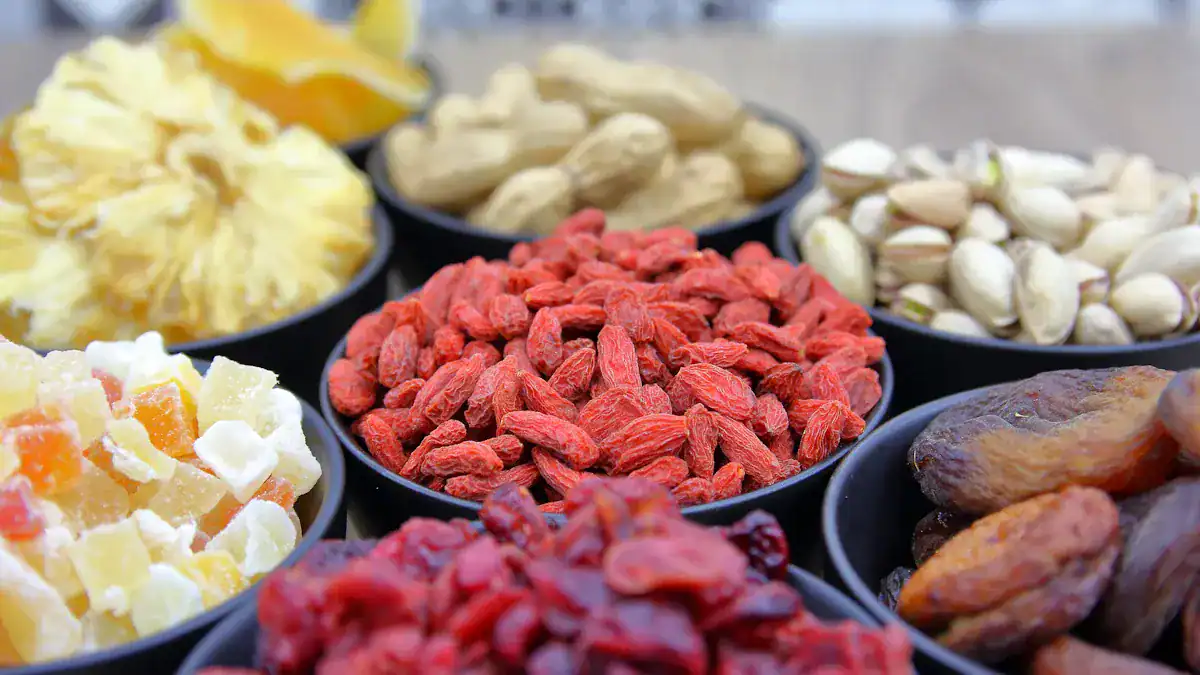
You can ensure your body gets enough iron by understanding your needs and choosing the right foods. This helps you maintain good iron health.
Daily Iron Needs
Your daily iron requirement changes based on your age, gender, and life stage. The recommended daily iron intake helps you meet these needs.
Age Group | Male (mg/day) | Female (mg/day) |
|---|---|---|
Birth to 6 months | 0.27 | 0.27 |
7–12 months | 11 | 11 |
1–3 years | 7 | 7 |
4–8 years | 10 | 10 |
9–13 years | 8 | 8 |
14–18 years | 11 | 15 |
19–30 years | 8 | 18 |
31–50 years | 8 | 18 |
51+ years | 8 | 8 |
Pregnancy | — | 27 |
Lactation (<18 yrs) | — | 10 |
Lactation (19–50 yrs) | — | 9 |
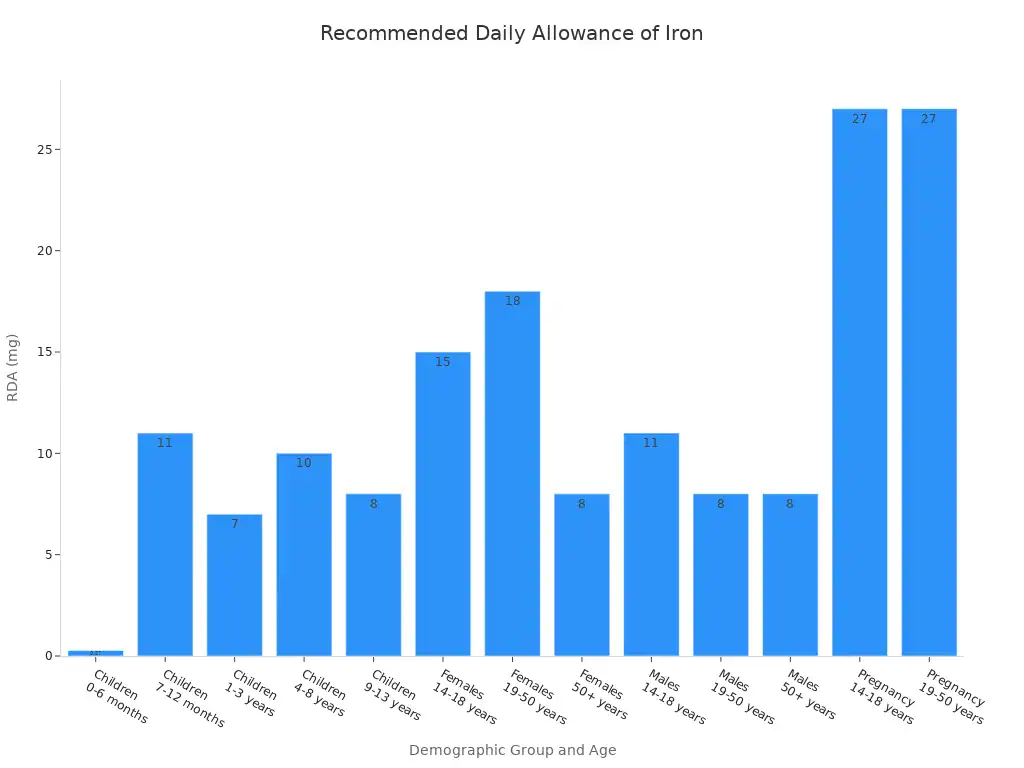
You can see how your needs change in this chart:
Women aged 19-50 need about 18 mg of iron daily. This is mainly due to menstrual blood loss. During pregnancy, this increases to 27 mg to support fetal development. After menopause, your daily requirement decreases to 8 mg. Adult men generally need 8 mg of iron per day. Children aged 4-8 years need 10 mg daily. Teenagers between 14 and 18 years old require 11 mg for boys and 15 mg for girls. This accounts for growth spurts and the start of menstruation. Transgender individuals should consult a healthcare professional for specific iron needs.
Top Dietary Iron Sources
You get iron from two main types of foods: heme iron and non-heme iron. Heme iron comes from animal products. Non-heme iron comes from plants and fortified foods.
Here are some top iron-rich foods:
Top 10 Heme Iron Foods | Heme Iron Content (mg per 3 oz serving) |
|---|---|
Clams | 23.8 |
Liverwurst | 8 |
Chicken Liver | 8 |
Oysters | 7.8 |
Beef Liver | 5.8 |
Mussels | 5.7 |
Venison | 2.8 |
Extra Lean Ground Beef | 2.5 |
Sardines | 2.4 |
Lamb Chop | 2.1 |
Top 10 Non-Heme Iron Foods | Serving Size | Non-Heme Iron Content (mg) |
|---|---|---|
Soybeans (cooked) | 1 cup | 8.8 |
Blackstrap Molasses | 2 Tbsp | 7.2 |
Lentils (cooked) | 1 cup | 6.6 |
Spinach (cooked) | 1 cup | 6.4 |
Tofu | 4 ounces | 6.4 |
Bagel (enriched) | 1 medium | 6.4 |
Chickpeas (cooked) | 1 cup | 4.7 |
Tempeh | 1 cup | 4.5 |
Lima Beans (cooked) | 1 cup | 4.5 |
Black-eyed Peas (cooked) | 1 cup | 4.3 |
This chart shows the iron content of various foods:
You can include these iron-rich foods in your diet to boost your intake.
Maximizing Iron Absorption
You can enhance iron absorption from your iron-rich meals. Vitamin C is a powerful enhancer. Eating foods high in Vitamin C with your iron-rich foods helps your body absorb more iron. For example, drink orange juice with your spinach. Meat also helps your body absorb non-heme iron.
Some foods and substances can inhibit iron absorption. Calcium, found in dairy products, can reduce absorption. Oxalates in spinach and polyphenols in coffee and tea also inhibit absorption. Try to avoid drinking coffee or tea with your iron-rich meals. Phytates in whole grains and legumes can also reduce iron absorption.
Tip: Pair non-heme iron sources with Vitamin C to significantly increase absorption.
Understanding Iron Deficiency and Anemia
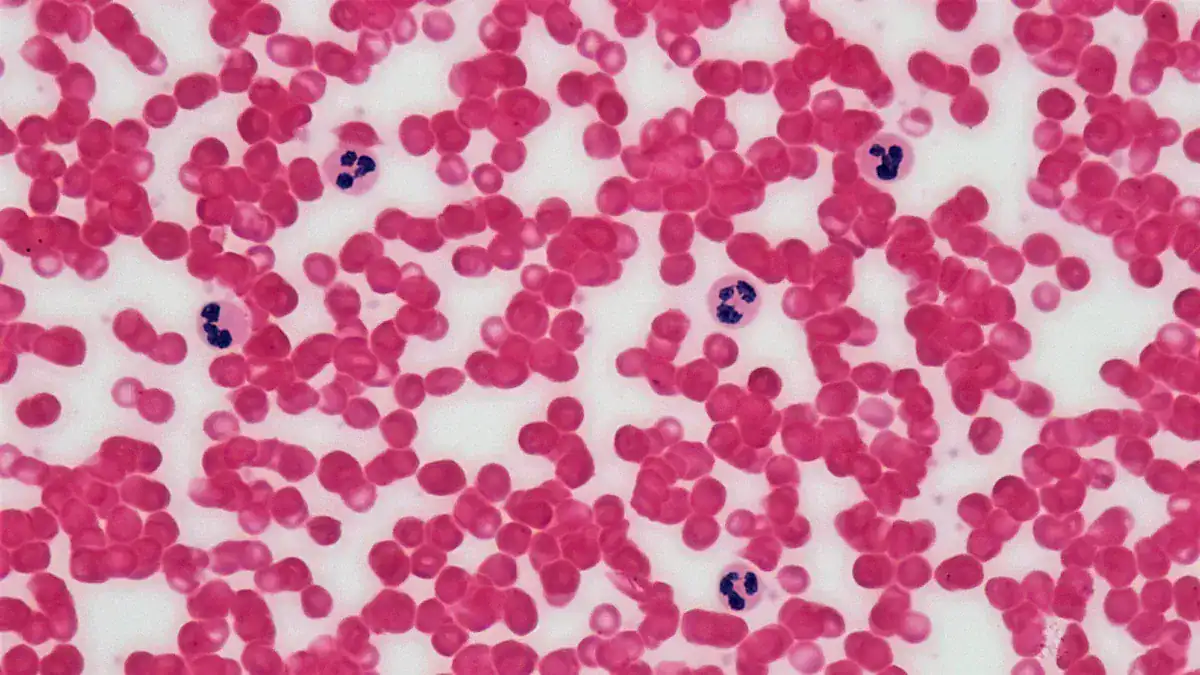
You need enough iron for your body to work correctly. When your body does not have enough iron, you develop a condition called iron deficiency. This means you lack sufficient iron stores. If this condition becomes severe, it leads to iron deficiency anemia. This is a common type of anemia where your blood lacks healthy red blood cells. These cells carry oxygen to your body’s tissues. Without enough iron, your body cannot produce enough hemoglobin, the substance in red blood cells that makes them red and allows them to carry oxygen.
Recognizing Iron Deficiency Symptoms
You might notice several signs if you have iron deficiency. Early symptoms often include unusual tiredness and fatigue. Your body works harder to deliver oxygen, making you feel drained. You might also experience headaches. Your skin may look paler than usual because low hemoglobin levels make your blood less red. You might also feel short of breath, even during simple activities, as your body tries to get more oxygen.
Other common symptoms of iron deficiency include:
Irritability.
A racing heart.
A sore tongue or dry mouth.
Cracks and ulcers at the corners of your mouth.
Feeling cold, especially in your hands and feet.
A craving to eat non-food items, like ice or dirt. Doctors call this “pica.”
Restless leg syndrome, which gives you an uncontrollable urge to move your legs.
Hair loss, where you lose more hair than normal.
Brittle or spoon-shaped nails that chip easily.
You might also get sick more often because your immune system weakens.
In more severe cases of anemia, you might see other clinical signs. Your fingernails can become brittle or spoon-shaped. Your tongue might look glossy due to the loss of small bumps. You could develop fissures at the corners of your mouth. Some people experience cold intolerance, which means you feel cold even when others do not. Children with iron deficiency might show behavioral problems, impaired development, or lower IQs. They also face a higher risk for psychiatric disorders like depression or anxiety. You might also crave ice, a specific type of pica called pagophagia. Leg cramps, especially when climbing stairs, and chronic daily headaches can also occur. You might feel fatigue and have less capacity for physical work, even if your hemoglobin levels are not extremely low.
Preventing Iron Deficiency Anemia
You can take steps to prevent iron deficiency anemia. A key strategy involves your diet. You should increase your intake of iron-rich foods. These include meats, poultry, and fish, which provide heme iron. Plant-based options like green leafy vegetables and legumes offer non-heme iron.
To make sure your body absorbs enough iron, especially from plant foods, combine them with foods rich in Vitamin C. For example, eat spinach with oranges. Be aware that some foods can block iron absorption. These include calcium in dairy products, oxalates in spinach, and polyphenols in coffee and tea. Try to avoid drinking coffee or tea with your iron-rich meals.
Public health efforts also help prevent deficiency. These include:
Fortifying common foods with iron.
Providing iron supplements to specific groups.
Counseling individuals and families on good iron nutrition.
Screening people at risk for iron deficiency.
Treating those with suspected iron deficiency.
Pregnant women need special attention. Doctors encourage them to eat iron-rich foods and take iron supplements. They also screen pregnant women for anemia early in pregnancy. If you have anemia during pregnancy, doctors will treat you with iron doses and dietary advice.
Risks of Low Iron Levels
Ignoring iron deficiency can lead to serious health problems. The risks of too little iron affect many parts of your body.
One major risk is a weakened immune system. Severe iron deficiency anemia makes you more likely to catch colds, flu, and other infections. Your body cannot fight off germs as effectively.
Your heart and lungs can also suffer. When you have severe anemia, your heart works much harder to pump enough oxygen-rich blood. This can lead to a very fast heartbeat, called tachycardia, or even heart failure.
For pregnant women, severe iron deficiency carries significant risks. You face a higher chance of complications during pregnancy and after birth. You might also develop postnatal depression. Your baby could be born prematurely or have a low birth weight. Babies born to mothers with severe anemia may also have their own iron level issues and perform less well on mental ability tests later in life.
Many people with iron deficiency also experience restless legs syndrome. This condition often improves with iron supplements.
Chronic deficiency also impacts your cardiovascular health. About half of all heart failure patients have iron deficiency, whether they have anemia or not. This deficiency links to a higher risk of death and hospitalizations for heart failure patients. It can also increase your risk of heart attacks and cardiovascular death, even if you do not have existing heart disease. Iron deficiency is common in people with coronary artery disease, cerebrovascular disease, and pulmonary hypertension. In heart failure patients, iron deficiency can reduce your ability to function, increase hospital stays, worsen symptoms, and lower your quality of life. Doctors now see iron deficiency as an important target for treatment in heart failure patients, even if they do not have anemia.
Addressing Iron Overload and Supplementation
Dangers of Iron Toxicity
While iron is essential, too much iron can be harmful. This is called iron overload or iron toxicity. Acute iron toxicity happens when you take a very large amount of iron at once. You might experience severe abdominal pain, nausea, and vomiting, which can include blood. Your stools might become black or bloody, and you could have diarrhea. A metallic taste in your mouth is also common. In severe cases, you might feel dizzy, confused, or even fall into a coma. Your skin might look bluish or pale, and you could have breathing difficulties due to fluid in your lungs.
When too much iron enters your bloodstream, it builds up in vital organs like your liver, heart, and nervous system. This can lead to serious problems. For example, excess iron damages liver cells, causing inflammation and liver failure. High iron levels can also weaken your heart muscle, leading to irregular heartbeats and low blood pressure. This can even cause heart complications. Iron toxicity can also lead to a dangerous buildup of acid in your blood, called metabolic acidosis, which impairs essential body functions.
Long-term ingestion of high-dose iron supplements can also lead to symptoms similar to iron overload. If you have an untreated condition like hemochromatosis, which causes your body to absorb too much iron, you could develop arthritis, cancer, liver problems, diabetes, or heart failure over time.
Who Needs Iron Supplements
You might need iron supplements if your body’s iron requirements are high or if a doctor diagnoses you with an iron deficiency. Women of childbearing age, especially during pregnancy and lactation, often need iron supplements. This is because their physiological needs for iron increase significantly.
Certain medical conditions also make iron supplements necessary. If you have peptic ulcer disease or gastritis, you might experience blood loss that depletes your iron stores. Conditions affecting your duodenum, where iron is absorbed, such as celiac disease or Crohn’s disease, can impair absorption. Surgeries like gastric bypass can also affect iron absorption. Cancers of the esophagus, stomach, or colon often lead to hidden bleeding, requiring more iron. If you have Helicobacter pylori infection, you might need iron therapy until the infection is gone. Even excessive exercise can cause iron loss, especially in adolescent female athletes.
Safe Supplement Practices
If you think you need iron supplements, always talk to a doctor or registered dietitian first. They can determine if you truly need them and recommend the correct dosage. The recommended daily iron intake for adults typically ranges from 8 to 18 milligrams. The tolerable upper limit for iron is 45 milligrams for individuals 14 years and older. Always check supplement labels to ensure the dosage stays within safe limits.
Common side effects of iron supplements include dark urine, constipation, or diarrhea. You might also feel dizzy or have gastrointestinal discomfort. Taking iron supplements with meals can help reduce nausea. Black stools are often a sign the iron is working, but tarry stools or red streaks need medical attention. Liquid iron can stain your teeth, so mix it with liquid and use a straw. Iron supplements can also interact with certain medications, such as penicillin or seizure medications.
Your doctor will determine the right iron supplement dosage for you. While daily dosing is common, some research suggests taking iron every other day might improve absorption. Certain foods like dairy, eggs, spinach, whole grains, and caffeine can hinder iron absorption. Avoid these for at least an hour before and after taking your supplements. If you have iron deficiency anemia, your doctor might prescribe higher doses than the recommended daily allowance.
Group | Age Range | Recommended Daily Allowance (RDA) |
|---|---|---|
Children | 0–6 months | 0.27 mg |
7–12 months | 11 mg | |
1–3 years | 7 mg | |
4–8 years | 10 mg | |
9–13 years | 8 mg | |
Females | 14–18 years | 15 mg |
19–50 years | 18 mg | |
50+ years | 8 mg | |
Males | 14–18 years | 11 mg |
19–50 years | 8 mg | |
50+ years | 8 mg | |
During Pregnancy | 14–18 years | 27 mg |
19–50 years | 27 mg |
Iron is crucial for your energy, blood health, and overall well-being. These broad iron health benefits are indispensable. You must maintain a balanced iron intake through your diet. This prevents both iron deficiency and potential iron overload. Listen to your body for signs of imbalance in your iron status. Addressing any iron deficiency is key for your health.
For personalized advice on iron intake, especially if you consider supplements or suspect a deficiency, consult a doctor or registered dietitian.
FAQ
How can you tell if you’re getting the right amount of iron?
You can tell if you’re getting the right amount of iron by observing your body. Look for symptoms like fatigue, pale skin, or shortness of breath. A doctor can perform a blood test to check your iron levels. This is the most accurate way to know your iron status.
What is the difference between heme and non-heme iron?
Heme iron comes from animal products like meat and fish. Your body absorbs it easily. Non-heme iron comes from plants, such as beans and spinach. Your body absorbs non-heme iron less efficiently. Eating Vitamin C with non-heme iron helps absorption.
Can vegetarians get enough iron from their diet?
Yes, vegetarians can get enough iron. They need to focus on iron-rich plant foods. These include lentils, beans, spinach, and fortified cereals. Pairing these with Vitamin C sources, like oranges or bell peppers, boosts absorption.
What are the signs of too much iron in your body?
Too much iron can cause symptoms like stomach pain, fatigue, and joint pain. It can also lead to liver damage over time. A doctor can diagnose iron overload through blood tests. Do not take iron supplements without medical advice.