Facing knee replacement surgery brings many questions. You may wonder about your knee replacement recovery time. Understanding your recovery timeline empowers you. This guide offers a clear timeline for knee replacement, detailing what to expect after your surgery. Your successful recovery depends on patience and following medical advice.
Active physical therapy is crucial for your knee surgery recovery. Most people experience significant pain reduction after surgery. Over 90% of replacement knees function well for 15 years, and 82% for 25 years. While most gain better mobility, some individuals still report low levels of pain. This journey requires your active participation for the best knee replacement recovery.
Key Takeaways
Your knee replacement recovery is a personal journey. Many things like your health and surgery type affect how fast you heal.
Physical therapy is very important for your recovery. It helps you get back your strength and how well you can move your knee.
You need to manage pain well after surgery. Doctors use different medicines and methods to keep you comfortable.
Eating healthy food and drinking enough water helps your body heal. It gives you the energy and building blocks you need.
Full recovery can take up to 18 months. Most big improvements happen in the first year. Be patient and keep working on your therapy.
Understanding Your Recovery Journey
Factors Influencing Recovery Speed
Your knee replacement recovery time is unique. Many factors influence how quickly you heal. Your individual health status plays a big role. For example, your Body Mass Index (BMI) affects your recovery. Your age-adjusted Charlson Comorbidity Index (aCCI) also matters.
Good sleep quality helps your body repair itself. Bone Mineral Density (BMD) can impact healing. Effective pain management strategies are crucial. Your psychological state and social support systems also contribute to a smoother recovery. Some people experience fear of falling, which can slow progress. Lower quadriceps strength after surgery or limited knee flexion range of motion can also affect your recovery.
The type of surgery you have also impacts your knee surgery recovery. A total knee replacement generally requires a longer recovery period than a partial knee replacement. This is because a total knee replacement involves more extensive work.
Minimally Invasive Surgery (MIS) can sometimes lead to faster functional recovery, even if operating times are longer. Robotic assistance in surgery often results in more precise outcomes. This can reduce your overall recovery period for joint replacement. Rapid recovery protocols also aim to achieve high knee flexion quickly.
Setting Realistic Expectations for Your Recovery Timeline
You need to set realistic expectations for your recovery timeline. Your journey is personal. While a typical recovery timeline exists, your experience may differ. Do not compare your progress to others. Focus on your own improvements. Patience is key during this recovery.
Follow your doctor’s instructions carefully. Adhere to your physical therapy plan. This helps you achieve the best possible outcome from your procedure. Understand that recovery is a gradual process. There will be good days and challenging days. Celebrate small victories. This mindset helps you stay motivated throughout your recovery.
Immediate Knee Surgery Recovery: Days 1-7
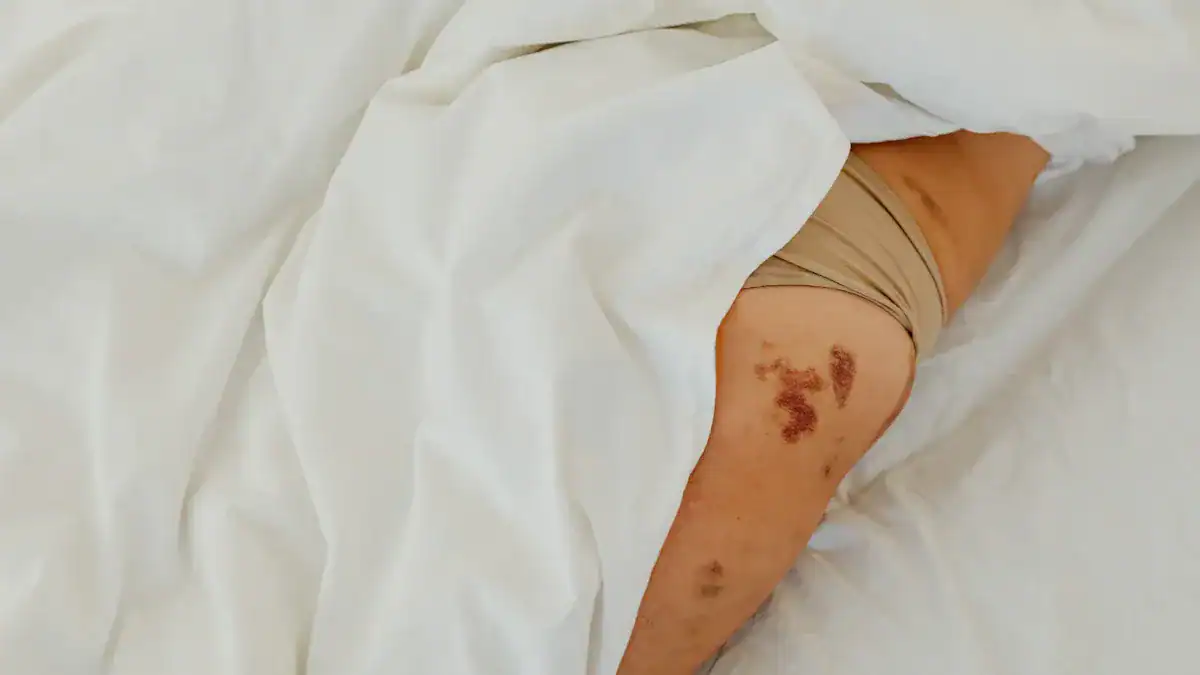
The first week after your knee replacement surgery is a critical time. You will spend these initial days in the hospital. Doctors and nurses will closely monitor your progress. This period focuses on managing your immediate needs and starting your journey toward full recovery.
Hospital Stay and Initial Healing
You will typically stay in the hospital for a short time after your surgery. Most patients are discharged within three days.
If you do not go to an inpatient rehabilitation center, you might stay an extra day or two. This allows your medical team to ensure you are stable before you go home. A study involving 1200 patients showed that the average hospital stay after total knee arthroplasty was indeed three days. During this time, your body begins the important process of healing.
First Steps: Mobility and Physical Therapy
You will start moving your new knee very soon after surgery. This early mobility is crucial for your knee surgery recovery. Physical therapy usually begins within 3 to 5 days after your surgery. A physical therapist will guide you through gentle exercises. You can typically walk with a walker or cane within the first few days.
Your therapist will teach you specific exercises to do. These help improve your mobility and strength.
Ankle pumps: You move your feet up and down. This helps with blood flow.
Quad sets: You tighten the muscles on the front of your thigh.
Straight leg raises: You lift your leg straight up while lying down.
Heel slides: You slide your heel towards your buttocks, bending your knee.
These early exercises are foundational. They prepare you for the next stages of your recovery. Your active participation in physical therapy is key to a successful outcome.
Early Recovery: Weeks 1-6
This phase marks your initial recovery period. You will see significant improvements in your knee function during these weeks. This period typically lasts up to 12 weeks, but weeks 1-6 are crucial for setting a strong foundation.
Managing Pain and Swelling at Home
You will continue to manage pain and swelling once you return home. Effective strategies help you stay comfortable and promote healing. You need to balance rest with gentle activity. This allows your tissues to recover without overexertion. Apply ice packs to your knee for about 20 minutes at a time.
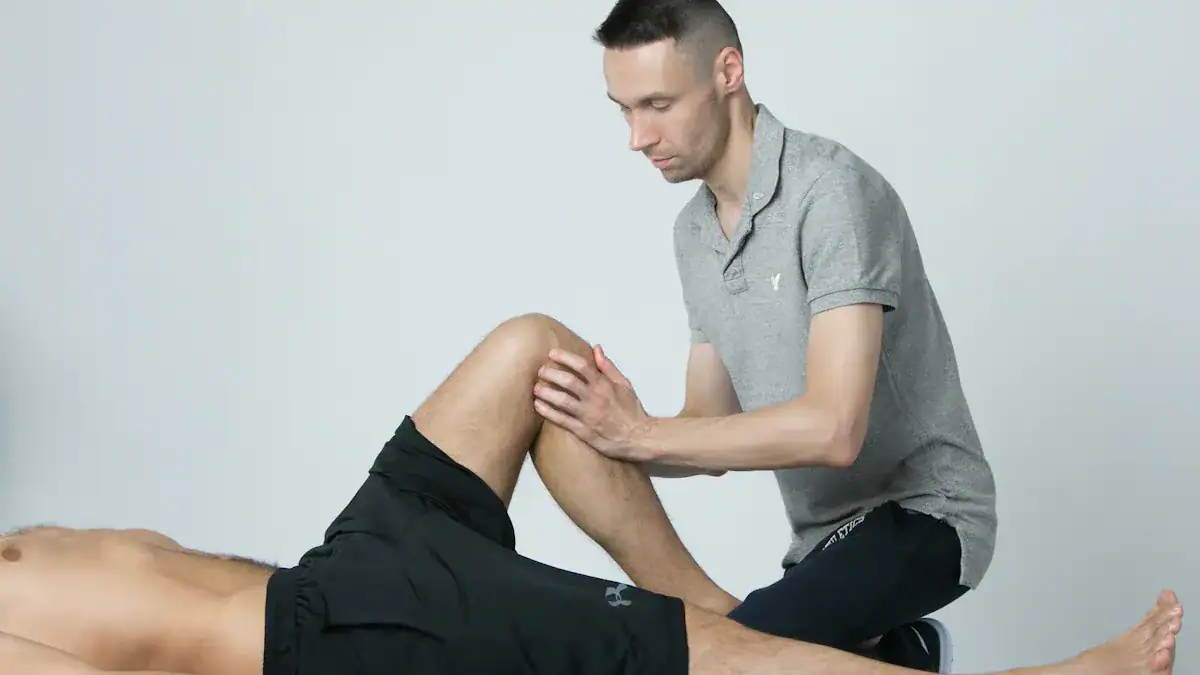
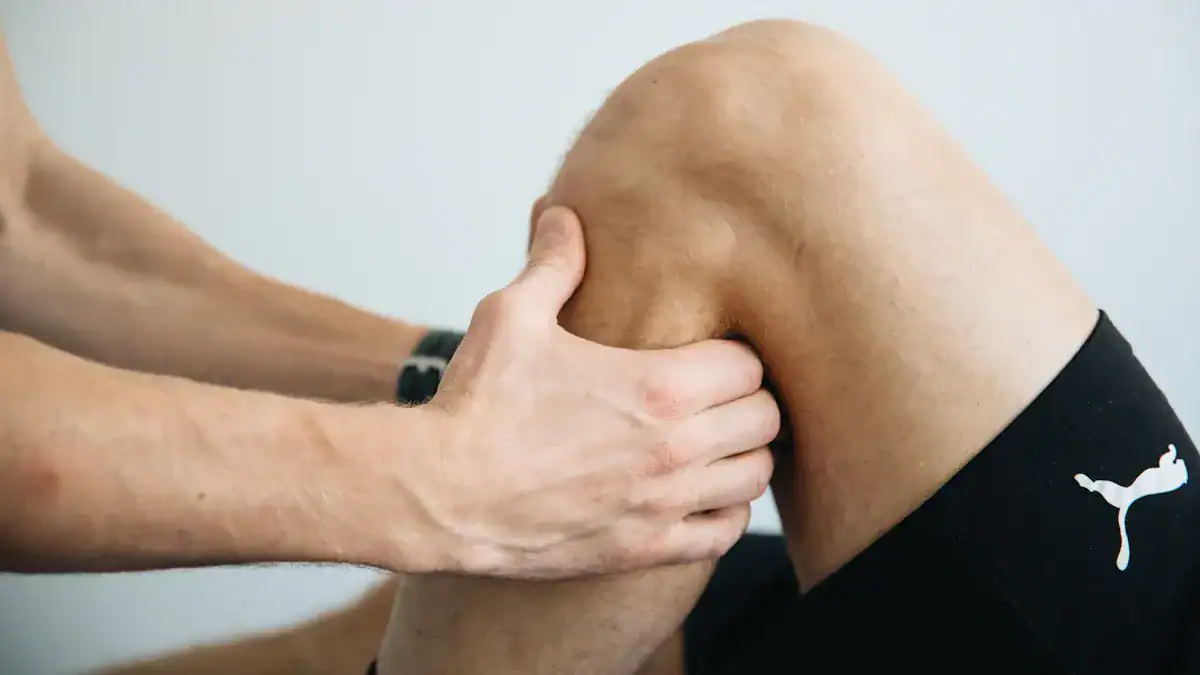
This reduces swelling and discomfort. Always protect your skin with a cloth when using ice. Elevate your leg above chest level. This encourages fluid drainage. Use a pillow under your ankle or foot, but avoid placing it directly under your knee. Perform gentle, controlled movements like ankle pumps. Your physical therapist recommends these to promote circulation. You can also gently massage your leg away from the wound site. Do this only when your surgeon or physical therapist says it is safe. This helps reduce fluid buildup and manage swelling.
Physical Therapy: Foundational Exercises
Physical therapy remains a cornerstone of your recovery. You will likely transition to outpatient physical therapy or continue with home therapy. Your therapist focuses on several key areas.
These include pain management and swelling control. Protecting your surgical repair is also a top priority. You will do gentle range of motion exercises to prevent stiffness. Quadriceps activation through gentle isometric exercises is also important.
Your physical therapy sessions will include specific exercises:
Brace Use and Protected Weight Bearing: You may use a brace and follow protected weight-bearing instructions.
Straight Leg Raises (SLR): Perform these with good quad control and no extension lag.
Quad Sets: Do these hourly, possibly with electrical stimulation, in four directions.
Ankle Pumps, Hamstring, and Gluteal Sets: These exercises improve circulation and muscle activation.
Active Extension: Work on extending your knee from 90 to 50 degrees out of your brace.
Patella Mobilizations: Gently move your kneecap superiorly, inferiorly, medially, and laterally.
AROM/PROM Exercises: Work on active and passive range of motion, aiming for 0-90 degrees.
Hip Flexor and Abductor Exercises: Strengthen these surrounding muscles.
Progression to SLRs: Move from standing to sitting, then supine straight leg raises.
Continued Active Flexion: Encourage full extension and progress your range of motion to full.
Gait Training: Practice walking with an assistive device, following non-weight-bearing instructions if given.
Open Chain Exercises: These include side-lying hip abduction and adduction, sitting hip flexion, ankle theraband exercises, and standing hamstring curls to tolerance.
Stationary Bike: Use a stationary bike with low resistance as your mobility improves.
Regaining Basic Mobility and Independence
You will notice significant progress in your mobility during this phase. By week 6, many patients experience reduced pain. You will also have better controlled swelling and increased stamina.
A key goal at this stage is walking without the support of a cane or other assistive device. Your knee strength and range of motion will improve significantly if you consistently follow your rehabilitation plan. You will also see reduced swelling and inflammation.
The primary goal is to enhance your knee strength and range of motion through physical therapy. Most patients no longer need a cane or other assistive device for mobility. Towards the end of week 6, you can typically walk further. You can also perform more daily tasks like cooking and cleaning. This indicates a return to independence.
Here is a general guide for your walking progress:
Weeks | Mobility Milestone | Walking Duration | Step Count |
|---|---|---|---|
2–6 | Transition to a cane as strength and confidence improve. Begin outdoor walks on even surfaces. | Walk 5–10 minutes, 3–4 times daily. | ~1,000–3,000 steps/day |
Activity Restrictions and Precautions
You must follow specific activity restrictions during these early weeks after surgery. This protects your healing knee. Avoid activities like cutting, jumping, and contact sports.
Do not sit for extended periods, more than an hour at a time. Limit excessive use of stairs. Do not walk without the aid of a cane or walker unless your therapist advises otherwise.
Refrain from driving while you take pain medications. Activities involving limited knee twisting, such as golf, gentle yoga, and dancing, are generally restricted until the 6- to 8-week mark. You may use pools, baths, or hot tubs after the first 4 weeks. However, you need explicit surgeon approval before doing so. These precautions are vital for a successful recovery.
Mid-Stage Recovery: Months 2-3
You enter a new phase of your knee surgery recovery during months two and three. This period focuses on building strength, improving your knee’s movement, and getting back to more of your regular routine. Your commitment to your rehab program remains vital.
Advancing Physical Therapy and Strengthening
Your physical therapy becomes more challenging now. You will focus on advanced exercises to make your knee stronger and more stable. These exercises help you regain full function. You might perform seated knee extensions with resistance.
This involves straightening your knee with ankle weights or a resistance band while seated. You will work until your muscles feel tired. Wall squats are another exercise. You bend your knees against a wall and hold the position for at least 15 seconds.
You will increase the hold time as your strength improves. Bridges help strengthen your glutes. You lie on your back, then lift your hips off the floor by squeezing your buttocks. You repeat this until fatigue. You can add weight for more challenge later.
Standing knee bends with resistance involve using an ankle weight. You slowly bend your knee to bring your heel towards your buttocks, controlling the return. Squats are also introduced. You stand with your feet hip-width apart, bend your knees, and keep your back straight.
You transfer your weight to your heels. You can add weights as your strength increases. Deadlifts, using a broom or light weights, involve hinging from your hips with a slight knee bend. You keep your spine straight, focusing on contracting your gluteal muscles. This continued physical therapy is crucial for your overall recovery.
Improving Range of Motion and Endurance
You will see significant improvements in your knee’s range of motion during this time. Your knee flexion, which is how much you can bend your knee, increases rapidly in the first 40 days after surgery.
It then gradually levels off. A common goal for knee flexion after surgery is 110 degrees. This range of motion helps you with activities like climbing stairs evenly or riding a bicycle.
However, everyone heals differently. There is no set timeline for achieving a specific range of motion. Your individual recovery journey is unique. By weeks 4-6 post-surgery, you should be approaching or have already achieved 110-120° of full knee flexion. This improved mobility allows you to do more.
Returning to Most Activities
You will gradually return to most of your normal activities during months two and three. Your pain should be much lower, and your knee will feel more stable. You can often resume light recreational activities. This includes walking for longer distances or swimming.
Listen to your body and avoid pushing too hard too soon. Your physical therapist will guide you on when it is safe to increase your activity level. This phase marks a significant step towards returning to daily activities.
Driving and Travel Considerations
You must meet specific criteria before you can safely drive again after knee replacement surgery. Always get your medical provider’s approval first. You need the ability to quickly and forcefully press on the gas and brake pedals. Weakness or stiffness can make driving dangerous.
Building strength and reducing swelling are key. Avoid driving if you take prescription painkillers or other medications that affect your thinking or reaction time. Talk to your doctor about medication side effects. The type of vehicle also matters.
An automatic transmission car might allow you to drive sooner if you had left knee surgery. Manual transmission vehicles require more leg movement. Your individual healing rate affects your readiness. Factors like your age, pre-surgery physical condition, and adherence to therapy all play a role in your recovery.
Advanced Recovery: Months 4-6
You now enter a more advanced stage of your knee surgery recovery. This period focuses on refining your strength and movement. You will build on the progress you made in earlier months. Your commitment to your rehab continues to be important.
Continued Rehabilitation and Functional Exercises
Your physical therapy progresses with more challenging exercises. You aim to restore full function and prepare for higher activity levels. For general rehabilitation, you should perform these functional exercises:
Speed Focused Squats (2-3 sets of 4-6 reps)
Speed Focused Step-Up (2-3 sets of 4-6 reps)
Weighted Squats to Chair (3-4 sets of 6-8 reps)
Single Leg RDL’s (3-4 sets of 8-12 reps)
Lateral Band Walks (3-4 sets of 8-12 reps)
Weighted Split Squats (3-4 sets of 8-12 reps)
Deficit Weighted Single Leg Heel Raises (3-4 sets of 8-12 reps)
Aerobic Activity of Choice (30-60+ minutes), such as biking, incline treadmill walking, brisk outdoor walking, or water aerobics.
If you plan to return to higher-demand activities like tennis or running, your physical therapy will include specific exercises. These help you build explosive power and agility. You will gradually increase intensity and duration.
Resuming Moderate Activities and Hobbies
You can now resume many moderate activities and hobbies. Your knee feels stronger, and you experience less pain. You might enjoy longer walks, swimming, or cycling. Listen to your body.
Avoid pushing yourself too hard. Gradually increase your activity levels. This careful approach helps prevent setbacks in your recovery.
Addressing Lingering Stiffness or Discomfort
Some people experience lingering stiffness or discomfort. This is normal. Continue your exercises. Communicate any persistent pain or stiffness to your physical therapist or doctor. They can adjust your rehab plan. You manage any remaining pain effectively.
Lifestyle Adjustments for Long-Term Health
You make lifestyle adjustments for long-term knee health after surgery. These changes protect your new joint.
Adapt Daily Activities: Adjust how you perform daily tasks. This protects your knee from too much stress.
Exercise and Activity: Engage in regular low-impact activities. Walking, swimming, and cycling maintain joint function.
Nutrition and Weight Management: Eat a healthy diet. Control your weight. This reduces pressure on your prosthetic joint.
Regular Check-Ups: Monitor your knee health. Regular check-ups ensure proper function. They also help detect complications early.
Prosthesis Management: Follow your healthcare team’s guidance. Proper care safeguards your prosthesis’s longevity. This ensures a successful long-term recovery.
Long-Term Knee Replacement Recovery: Months 7-12+
You have reached a significant milestone in your knee replacement recovery. This phase focuses on maximizing your gains and enjoying your renewed mobility. Full recovery can extend up to 18 months, though most significant improvements occur within 6 months to 1 year.
Achieving Maximum Strength and Mobility
During this period, you work towards achieving maximum strength and mobility. Full recovery, allowing a return to most desired daily activities, can extend up to a year after knee replacement surgery.
This period requires patience and consistent effort. While the typical recovery timeline for knee replacement surgery ranges from 3 to 6 months, achieving full recovery, including scar healing and maximum strength gains, can take up to a year.
Most patients can resume normal activities within 3 months, but regaining full strength and mobility may require a longer period. You continue to refine your physical capabilities.
Returning to Sports and High-Impact Activities
You can now consider returning to various sports and high-impact activities. This depends on your individual knee surgery recovery and surgeon approval. After 7-12 months post-knee replacement, you are typically in the ‘Return-to-Sport Phase’. High-impact or competitive sports are evaluated on a case-by-case basis, often after 9-12 months. This depends on your recovery progress and surgeon approval.
Low-Impact Sports (Generally Safe): You can enjoy walking and light jogging (after full recovery), swimming, stationary or outdoor cycling, golf, Tai Chi, Yoga, and bowling.
Moderate-Impact Sports (With Medical Clearance): You might resume hiking, doubles tennis or badminton, low-intensity dancing, and elliptical training. Doubles tennis can be safely resumed around 6 months post-surgery. You should avoid running and keep games low impact to prevent undue stress on the knee.
High-Impact Sports (Often Discouraged): Running or sprinting, soccer, basketball, football, squash or singles tennis, martial arts, gymnastics, jumping, or high-impact aerobics are often discouraged. Resumption of these activities requires evaluation of joint strength, balance, and flexibility by an orthopedic doctor.
The Role of Ongoing Exercise and Healthy Habits
Ongoing exercise and healthy habits are crucial for the long-term success of your knee replacement. Regular physical activity maintains your strength and mobility.
You should continue with a balanced exercise program. This includes strength training, flexibility exercises, and cardiovascular activities. Maintaining a healthy weight reduces stress on your new joint. Good nutrition supports overall health and joint longevity. These habits contribute to a lasting recovery.
Recognizing and Managing Potential Long-Term Issues
Even after a successful surgery, you should recognize and manage potential long-term issues. Pain after knee replacement surgery can stem from several factors. These include surgical trauma, inflammation, scar tissue formation, or improper rehabilitation. You must communicate any persistent or new pain to your healthcare provider. This helps identify and address the underlying cause.
Here are some potential long-term issues:
Complication | Description |
|---|---|
Instability | You might report symptomatic instability, confirmed by laxity on physical examination. |
Malalignment | You may have symptomatic malalignment, confirmed radiographically with angular deformity. |
Stiffness | You could experience limited range of motion, with extension limited or flexion reduced. |
Deep periprosthetic joint infection | This is diagnosed by a sinus tract or pathogen isolation from samples. |
Periprosthetic fracture | This involves a fracture of the distal femur, proximal tibia, or patella. |
Extensor mechanism disruption | This means a disruption of the extensor mechanism. |
Patellofemoral dislocation | This is a dislocation of the patella from the femoral trochlea. |
Tibiofemoral dislocation | This involves a dislocation of the tibiofemoral joint. |
Bearing surface wear | This is wear of the bearing surface that is symptomatic or requires reoperation. |
Osteolysis | You might see an expansile lytic lesion adjacent to an implant. |
Implant loosening | This is confirmed intraoperatively or identified radiographically. |
Implant fracture or tibial insert dissociation | This involves a fracture of the implant or dissociation of the tibial insert. |
Reoperation | This means a return to the operating room related to the index Total Knee Arthroplasty (TKA). |
Revision | This involves a revision of one or more of the TKA implants. |
Other issues include:
Blood clots or DVT (deep vein thrombosis): Doctors manage these with anticoagulant medicines, compression stockings, or anticoagulant medicines to reduce risk.
Wound infection: Doctors usually treat this with antibiotics; severe cases may require further surgery.
Damage to nerves or tissue: This is not common. Doctors can repair it during surgery or it may heal afterwards.
Problems with your new knee: These include issues bending the knee, ongoing pain and stiffness, or instability. Physical therapy and specific exercises can help.
Optimizing Your Knee Replacement Recovery
You can take specific steps to make your knee replacement recovery successful. These actions help you heal faster and regain full function. Your active participation is key to a positive outcome.
The Critical Role of Physical Therapy
Physical therapy is essential for your recovery. It helps you regain strength and mobility. You will typically attend formal physical therapy for about three to four weeks. You should continue exercises independently for at least two months after surgery.
Research shows that attending more than 19-22 sessions might not improve your outcomes. The biggest gains in knee flexion happen within the first six weeks. After this period, you see fewer returns from extra therapy sessions. You will likely have in-home physical therapy sessions about three times a week for two weeks. Continue your exercises for several months to ensure full strengthening.
Effective Pain Management Techniques
Managing pain effectively is crucial for your comfort and progress. You will use a multimodal approach. This includes prescribed pain medication like opioids, NSAIDs, and local anesthetics. Physiotherapy and exercise also reduce pain and improve mobility. A healthy diet helps with healing and reduces inflammation.
Psychological techniques like mindfulness can help you manage discomfort. Some patients receive an intraosseous infusion of morphine and vancomycin during surgery. This can reduce post-operative pain. Remember, up to 30% of patients experience chronic pain. Your doctor will recommend regional anesthesia and non-narcotic medications to minimize reliance on opioids.
Mental Well-being and Emotional Support
Your mental state impacts your physical recovery. Psychological support can make a big difference. Relaxation therapy shows promising results. Cognitive Behavioral Therapy (CBT) and Guided Imagery (GI) can also be helpful. Psycho-education alone is often not enough.
Interventions with fewer than six sessions are usually ineffective. Comprehensive programs that change thinking styles and manage stress are best. Patients receiving psychological support show much lower rates of anxiety and depression compared to those receiving routine care.
Your knee replacement recovery time is a personal journey. This structured timeline offers an invaluable guide. Adhering to medical and physical therapy instructions is paramount for a successful outcome. This commitment ensures your recovery timeline progresses well. You will gain improved quality of life and reduced pain. Remember, patience and consistent therapy lead to positive results. Your dedication makes your recovery successful.