Nocturnal leg cramps are involuntary, painful muscle contractions. These leg cramps happen during sleep or rest, often in your calf, foot, or thigh. Up to 60 percent of adults experience nocturnal leg cramps. These episodes significantly disrupt your sleep quality. They can last an average of nine minutes and cause much discomfort. This blog explores their causes, offers fast relief techniques, and provides long-term solutions to prevent these painful leg cramps while sleeping. You can regain control over your sleep and well-being.
Key Takeaways
Nocturnal leg cramps are painful muscle tightenings. They happen during sleep. Many things cause them, like dehydration, tired muscles, or certain health problems.
You can get fast relief from leg cramps. Stretch the muscle, massage it, or use heat or cold. Standing up and putting weight on your leg can also help.
Prevent leg cramps by drinking enough water. Eat foods with potassium, magnesium, and calcium. Stretch your muscles regularly, especially before bed.
Change your sleep position to help prevent cramps. Review your medicines with a doctor if cramps continue. This can help find solutions.
See a doctor if your leg cramps are very bad or happen often. Also, seek help if you have other symptoms like swelling or redness. This is important for your health.
Understanding Leg Cramps at Night
What Are Nocturnal Leg Cramps
Nocturnal leg cramps are sudden, painful tightening in your leg muscles. These involuntary muscle cramps often strike when you are sleeping or resting. You feel them most often in your calf, foot, or thigh. These episodes are more than just a nuisance. They can severely disrupt your sleep.
The pain from these leg cramps can be intense. It can wake you up suddenly. You might wonder what causes these painful leg cramps while sleeping. Your body has special neural networks called Central Pattern Generators (CPGs). These CPGs can create rhythmic movement patterns.
Sometimes, these movements happen when your brain’s higher control is less active, like during sleep. This can lead to the disinhibition of more primitive brain layers. This process can trigger the muscle contractions you feel as nocturnal leg cramps. You might also experience propriospinal myoclonus.
This involves jerks in your trunk and limbs. These movements can make it hard to fall asleep. However, they usually stop once you enter light sleep. For some, brief, asymmetric jerks happen during NREM sleep. This is called excessive fragmentary myoclonus. The exact reason for these specific symptoms of leg cramps is still unclear. It might be due to a lack of inhibitory drive or too much activation.
Common Causes of Nocturnal Leg Cramps
Many factors contribute to leg cramps at night. You might experience common nocturnal leg cramps due to your daily habits. For example, sitting for long periods, like at a desk job, can lead to muscle shortening.
This increases your risk of leg cramps. Overusing your muscles, especially after higher-than-usual activity, also makes them tired. Standing or working on concrete floors for extended periods can fatigue your muscles.
Poor posture during the day can also play a role. Inactivity during the day is another factor. Lack of regular stretching or exercise contributes to these night leg cramps. Your body position while sitting or lying down can restrict blood flow. This can induce leg cramps. For instance, resting one leg on the other or crossing your legs can be a cause.
Underlying Medical Conditions
Sometimes, nocturnal leg cramps point to an underlying health issue. Many medical conditions can be causes of leg cramps.
For example, kidney failure can lead to these painful episodes. Diabetic nerve damage is another common cause. Mineral deficits, such as imbalances in calcium, potassium, and magnesium, can trigger leg cramps.
Issues with blood flow, like peripheral artery disease, also contribute to leg cramps at night. Certain medications list muscle cramping as a side effect. Older age also increases your risk.
Individuals over 60 are more prone to nocturnal leg cramps. Pregnancy is another factor linked to nocturnal leg cramps. This might be due to increased nutritional demands or hormonal changes. Other conditions include neurological issues like Parkinson’s disease, alcohol abuse, low blood sugar, and certain hormone disorders like hypothyroidism. Flat feet can also contribute to these nocturnal muscle cramps.
Key Factors Contributing to Leg Cramps
Many specific factors can trigger or worsen leg cramps. These factors include your daily habits, health conditions, and medications. Understanding these causes helps you find solutions for your leg cramps.
Dehydration and Electrolyte Imbalance
Dehydration is a major cause of leg cramps. When you exercise in hot weather, your body loses fluids, salt, and electrolytes through sweat. This loss can lead to muscle spasms and leg cramps.
Dehydration also causes an electrolyte imbalance. Essential minerals like potassium, calcium, and magnesium can become too high or too low. This imbalance disrupts important bodily processes.
Studies show that drinking fluids with electrolytes (sodium, potassium, chloride) and glucose after dehydration makes muscles more resistant to cramps. This suggests consuming electrolyte-containing fluids is better for preventing exercise-associated muscle cramps. Low levels of sodium, potassium, magnesium, chloride, or calcium can contribute to leg cramps.
Medication Side Effects
Certain medications can cause leg cramps as a side effect. Diuretics are a common culprit. These drugs flush sodium and potassium from your system. This leads to low electrolyte levels and intense leg cramps.
Examples include indapamide and some potassium-sparing diuretics. Antipsychotics can alter dopamine levels. This interferes with muscle control and causes stiffness or painful cramping. Beta-blockers narrow peripheral arteries. This reduces blood flow to your legs and feet, causing tightness or cramps. ACE inhibitors can raise potassium levels, leading to achy, cramp-like sensations.
Physical Activity and Muscle Fatigue
Intense or prolonged physical activity often leads to muscle fatigue. This fatigue can cause leg cramps.
When you overuse your muscles, they become strained. This strain can trigger idiopathic leg cramps, which may occur at night. A tight muscle might contract more intensely when it tries to relax, causing a cramp. This is similar to nocturnal leg cramps. Exercise-induced cramps can also come from electrolyte imbalances, dehydration, or muscles that are out of shape.
Nerve Issues and Circulation Problems
Nerve issues can also cause leg cramps. Conditions like peripheral neuropathy, motor neuron diseases (such as ALS), and radiculopathies can increase your risk. These conditions affect how your nerves communicate with your muscles. Circulation problems also play a role.
Peripheral artery disease (PAD) narrows blood vessels in your legs. This condition reduces blood flow to your leg muscles. Your muscles do not get enough blood, especially during activity. This insufficient blood supply causes pain, numbness, or leg cramps at night. PAD is caused by plaque buildup in your arteries.
Age, Pregnancy, and Other Factors
Your risk of nocturnal leg cramps increases as you age. Pregnancy is another significant factor for leg cramps. The expanding uterus presses on pelvic veins. This slows blood flow from your legs.
This leads to oxygen deprivation in your muscles. Hormonal changes, like elevated progesterone, also slow circulation. Increased body weight and a shifted center of gravity during pregnancy strain leg muscles. This causes greater fatigue. Pregnancy also increases your demand for magnesium, calcium, and potassium. Deficiencies in these electrolytes, along with dehydration, disrupt muscle chemistry. This can cause erratic contractions and nocturnal leg cramps.
Fast Relief for Leg Cramps
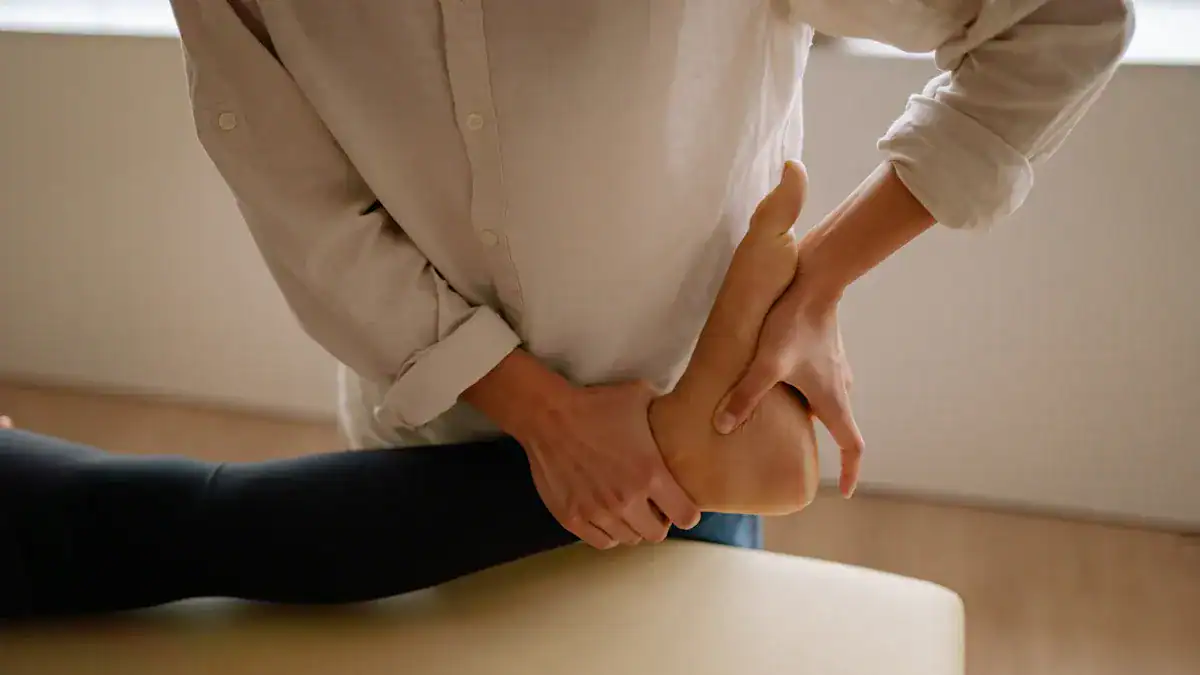
A sudden leg cramp can be very painful. You want to stop the pain quickly. These cramps usually last less than 10 minutes. You can take immediate steps to find relief. These actions help your muscles relax. They also reduce the intense pain.
Immediate Stretching Techniques
Stretching is often the first step for fast pain relief from leg cramps. You can stretch the affected muscle. This helps it release its tight grip.
Calf Muscle Stretch (with a wall):
Stand an arm’s length from a wall.
Place your right leg in front of your left leg.
Reach both arms to the wall.
Press your back (left) heel into the floor.
Straighten your back leg. Keep your front leg bent.
Hold this position for 15–20 seconds.
Do three sets. Repeat on your other leg.
Calf Muscle Stretch (without a wall):
Step forward with your right leg.
Shift your body weight onto your front (right) leg.
Keep your back heel pressed into the floor.
Hold for 15–20 seconds.
Do three sets. Repeat on your other leg.
Heel Cord Stretch (with bent knee):
Stand with your right leg in front of your left.
Lightly bend your back (left) knee. Point your toes inward slightly.
Press both hands against a wall.
Keep both heels flat on the ground. Press your hips toward the wall.
Hold for 30 seconds.
Do three sets. Repeat on your other leg.
Towel Stretch:
Sit on the floor. Keep both legs straight.
Loop a hand towel around the ball of one foot.
Hold both ends of the towel.
Keep your legs straight. Pull the towel toward your body.
Hold for 30 seconds. Relax for 30 seconds.
Do three sets.
Massage and Pressure Application
Massaging the cramped area can bring quick pain relief. You can gently work through the tight muscle. Stop exercising if you are active. Then, gently massage the muscle. Apply light pressure with your thumbs. This helps ease the pain. It also works out any tight spots or knots.
Here are some massage motions you can use:
General Massage Motion:
Apply enough pressure to feel it in the muscle. Do not cause pain.
Alternate between light and heavy pressure.
Move your fingers from your ankle upwards.
Repeat this movement around your entire leg up to 10 times.
Use your palm or heel for more pressure.
Chopping or Percussion Motion:
Start at your ankle.
Gently hit your leg muscles with a fist.
You can also use the pinkie side of your hand in a chopping motion.
Work your way up your leg to your hip.
Focus on any sore or tight areas.
Squeezing and Kneading Motion:
Wrap your fingers around your ankle.
Work your way up your leg, squeezing the muscle.
Use your thumbs to apply extra pressure if you need it.
Continue up to your hip. Repeat this around your leg.
Heat or Cold Therapy
You can use heat or cold to help with leg cramps. Heat therapy often works best for muscle cramps. Heat helps to raise your pain threshold. It also relaxes your muscles. You can apply a warm towel or a heating pad to the cramped area. This can bring significant pain relief.
Do not use heat on areas that are swollen, red, or hot. Do not use it on new injuries. Heat can increase inflammation in these cases. Cold therapy can numb the area. This might reduce pain. You can use an ice pack wrapped in a cloth. Apply it for short periods.
Movement and Weight Bearing
Sometimes, simply moving your body can help. Standing up and putting weight on the affected leg can provide relief from leg cramps.
This action helps to stretch the muscle naturally. It can reduce the pain more quickly. Be careful when you stand up. You want to prevent falls. Ask for help if someone is nearby. This simple movement can be an effective treatment for leg cramps.
Preventing Leg Cramps While Sleeping
You can take many steps to prevent leg cramps while sleeping. A good prevention plan focuses on long-term strategies.
These strategies include lifestyle changes. They help reduce how often and how bad your leg cramps become. You can improve your sleep quality and overall well-being.
Hydration and Nutrition Strategies
Staying well-hydrated is crucial to prevent leg cramps. Drink plenty of water throughout your day. This helps maintain your body’s fluid balance. Proper hydration also supports muscle function. You should also pay attention to your electrolyte intake. Electrolytes like potassium, calcium, and magnesium are vital. They help your muscles work correctly. You can get these minerals from foods. Leafy greens, nuts, bananas, dairy products, and whole grains are good sources.
Some people consider supplements for leg cramps. Quinine is one treatment that has shown effectiveness for leg cramps. However, quinine has serious side effects. The FDA recommends against using quinine.
They cite these serious side effects. Magnesium and calcium are often promoted for leg cramps. Yet, studies have not found them particularly effective. These supplements can also cause side effects.
You might experience abdominal bloating, diarrhea, muscle weakness, constipation, or kidney stones. Adding salt to drinking water can reduce cramping rates. However, be careful. Too little or too much sodium or potassium can cause adverse effects. Always talk to your doctor before starting any new supplement.
Regular Stretching and Exercise
Regular stretching and exercise are powerful tools to prevent leg cramps. Make stretching a daily habit. Focus on your calf and hamstring muscles. You can also do some light exercise. Riding a stationary bike for a few minutes before bed can help. This warms up your muscles. It also improves blood flow.
Here are some effective stretches you can do:
Calf stretch: This stretch targets your gastrocnemius and soleus muscles. It improves flexibility and circulation. This helps reduce common calf cramps.
Stand an arm’s length from a wall.
Place one foot behind the other.
Bend your front leg. Keep your back knee straight.
Keep your heel on the floor.
Hold for 20-30 seconds. Then switch legs.
Hamstring stretch: This stretch eases tightness. It prevents cramps in the back of your thighs. It relaxes your hamstring muscles. This reduces strain and spasms.
Sit on the floor. Extend one leg.
Tuck your other leg in.
Reach towards your extended foot.
Hold for 20-30 seconds. Then switch legs.
Quadriceps stretch: This stretch keeps your quadriceps flexible. It prevents cramps and tightness in the front of your thighs. It helps maintain muscle elasticity.
Stand on one foot.
Bend your other knee. Bring your heel towards your buttock.
Grab your ankle. Gently pull.
Hold for 20-30 seconds. Then switch legs.
Hip flexor stretch: This stretch targets the muscles at the front of your hip. It relieves tightness and reduces tension. This is especially good if you sit a lot.
Kneel on one knee.
Place your other foot in front at a 90-degree angle.
Push your hips forward.
Hold for 20-30 seconds. Then switch sides.
Seated leg stretch: This stretch targets your hamstrings and lower back. It loosens them to prevent leg cramps. It promotes overall flexibility. It also reduces lower body tension.
Sit on the floor. Extend both legs.
Lean forward from your hips towards your toes.
Hold for 20-30 seconds.
Make stretching before bed a part of your nightly routine. This can significantly help in preventing cramps.
Lifestyle Adjustments
Simple lifestyle changes can greatly reduce night leg cramps. Your sleep position matters.
Sleeping on Your Back: Place a pillow or folded blanket under your knees. This keeps your legs slightly bent. It reduces muscle tension. Keep your feet in a neutral position. Do not point them downward. This avoids over-tightening your calf muscles.
Side Sleeping: Use a pillow between your knees. This keeps your hip and spinal alignment correct. Avoid tucking your legs up too tightly. This prevents restricted circulation. If you can, sleep with your bottom leg straight. Keep your top leg slightly bent. This reduces nerve compression.
Sleeping on Your Stomach: Use this position with caution. Place a pillow under your pelvis and lower abdomen. This supports your spine. Avoid pointing your toes downward. Consider placing a rolled-up towel under your ankles. This keeps your feet in a neutral position.
Beyond sleep positions, other habits help. Continue to stay hydrated throughout the day. Drink plenty of water and electrolyte-rich fluids. This maintains your mineral balance.
Ensure you get enough magnesium, potassium, and calcium. Eat foods like leafy greens, nuts, bananas, dairy, and whole grains. Wear comfortable sleepwear and bedding. Choose breathable, loose items. This allows for natural movement. It also prevents your feet from being forced into a downward-pointing posture. These adjustments can help prevent leg cramps at night.
Medication Review and Management
Sometimes, medications contribute to leg cramps. If you experience persistent leg cramps, review your medications. Medication use is a key factor when doctors investigate muscle cramps. This is especially true for idiopathic cramps, which have no clear cause.
Consult a healthcare provider if your leg cramps continue. Your doctor can review your current medications. They might adjust the dosage of a medication. Alternatively, they could switch you to a different medication. This new medication would not cause cramps. It is very important never to stop or change your medication on your own. Always seek professional medical guidance. Your doctor can help you find solutions for nocturnal leg cramps. This ensures your safety and health.
When to Consult a Doctor
You can often manage leg cramps at home. However, some situations require a doctor’s visit. You should know when to seek professional medical attention. This ensures you get the right care for your leg cramps.
Persistent or Severe Cramps
You should consult a doctor if your leg cramps are severe. Seek medical help if they happen frequently. Do this if your leg cramps do not improve with stretching and enough fluid intake. Also, see a doctor if your leg cramps last a long time. You need medical advice if your leg cramps come with other symptoms. These include swelling, redness, or a feeling of warmth. Muscle weakness with leg cramps also needs a doctor’s review.
Accompanying Symptoms
Certain symptoms with leg cramps mean you need immediate medical attention. Look for sudden, severe leg pain. This pain might come with swelling, warmth, or redness.
The pain might feel different from typical leg cramps. It could be a deep ache or a burning feeling. Difficulty breathing or chest pain with leg cramping is serious. Persistent leg weakness or numbness after the cramp stops also needs attention. Watch for changes in skin appearance. This includes paleness, a blue tint, or coolness in the affected leg. These signs suggest a more serious problem.
Impact on Quality of Life
Leg cramps can greatly affect your daily life. Many people report sleep disturbances. This happens to over half of those with leg cramps. These cramps can also negatively impact your mental health. They can harm your physical health.
You might find your daytime function impaired. Overall, leg cramps can reduce your quality of life. Your doctor will ask you questions to understand this impact. They will ask where and when cramps occur. They will ask you to describe the cramp’s nature.
Your doctor will ask what makes the cramps better or worse. They will also ask about other symptoms like numbness or cold limbs. Your doctor will review your medical history and current medications. They will also perform a physical exam. This includes checking your lower limb’s vascular and neurological systems. This helps them create the best treatment plan for you.
Nocturnal leg cramps are common, but you can manage them. You learned about their causes, fast relief methods, and prevention strategies for leg cramps. Implement these tips to improve your sleep quality and reduce leg cramps. Understanding the causes of leg cramps helps you prevent future leg cramps. Listen to your body.
Consult a doctor if your leg cramps are severe, persistent, or have other symptoms. You can regain control over your sleep and well-being, free from painful nocturnal leg cramps. These strategies help you avoid leg cramps and improve your overall health. Say goodbye to those disruptive leg cramps.