


A low MPV indicates smaller than average platelets. This often suggests the bone marrow might not be producing enough new blood platelets. Patients often wonder what these low mpv blood test results signify for their health. While a low MPV is a single data point, it is an important indicator when considered with other blood work. Understanding blood test results helps doctors assess overall blood health. Your mpv results provide valuable information about your blood.
Key Takeaways
A low MPV means your platelets are smaller than average. This can suggest your body is not making enough new platelets.
Doctors look at your MPV with other blood test results. This helps them understand your overall health.
Many things can cause a low MPV. These include problems with bone marrow, autoimmune diseases, infections, and some medicines.
A low MPV does not always mean a serious problem. Your doctor will decide if more tests are needed.
Eating healthy foods and living a healthy lifestyle can help your platelets stay healthy.
Understanding MPV: What It Is and Why It Matters

What is MPV?
MPV stands for Mean Platelet Volume. It is a measurement included in a routine blood test called a complete blood count (CBC). This test measures the average size of your platelets. Platelets are tiny blood cells. They play a crucial role in stopping bleeding.
A normal MPV range for healthy adults is typically between 7.5 and 11.5 femtoliters (fL). However, lab-to-lab variations can occur due to equipment and calibration standards. Some laboratories cite a normal MPV range as 7.0 to 10.0 fL. This understanding of blood test results helps doctors assess platelet health.
Platelets’ Role in Clotting
Platelets are essential for blood clotting. When a blood vessel gets damaged, platelets rush to the site. They stick together and form a plug. This plug helps to stop the bleeding. Platelets also release chemicals. These chemicals attract more platelets and other clotting factors. This process forms a stable blood clot. Proper platelet function is vital for overall health. The mpv test provides information about these important blood components.
How MPV is Measured
Doctors measure MPV as part of a complete blood count (CBC). This routine blood test provides a comprehensive look at your blood cells. MPV values are calculated by dividing the total mass of platelets (plateletcrit) by the total number of platelets in a blood sample.
Several methods exist for measuring MPV. These include impedance distribution, optical detection systems, and image analysis of blood films. The mpv test results give doctors insight into the size of your platelets. A low mpv can indicate smaller platelets. This information, combined with other blood test results, helps in understanding blood test results.
Causes of Low MPV
A low mpv can point to several underlying health issues. These conditions affect how the body produces or uses platelets. Understanding these causes helps doctors interpret mpv blood test results accurately.
Bone Marrow Production Issues
The bone marrow produces all blood cells, including platelets. Problems in the bone marrow can lead to a low mean platelet volume. This means the bone marrow might not produce enough new, larger platelets. Instead, it releases smaller, older platelets into the blood.
Some conditions directly impact bone marrow function:
Aplastic anemia (AA): This condition stops the bone marrow from making enough new blood cells.
Acute leukemia: This cancer affects the blood and bone marrow, leading to abnormal blood cell production.
Myelodysplastic syndrome (MDS): This group of disorders involves ineffective blood cell production in the bone marrow.
Chemotherapy-induced thrombocytopenia: Chemotherapy treatments often damage bone marrow cells, reducing platelet production.
Inherited disorders can also affect how the bone marrow produces platelets, resulting in a low mpv.
Autoimmune Conditions
Autoimmune diseases occur when the body’s immune system mistakenly attacks its own healthy tissues. These conditions can also affect platelet size.
For example, Systemic Lupus Erythematosus (SLE) often shows a lower mean platelet volume compared to healthy individuals. In patients with active SLE, the mpv decreases. This happens because larger platelets move to sites of inflammation. They become activated and then get used up. This process leaves behind smaller, older platelets in the blood. A higher Erythrocyte Sedimentation Rate (ESR), which indicates inflammation, also links to a lower mpv in SLE patients. This suggests a connection between inflammation and platelet size. Lower mpv values in SLE patients also associate with cumulative disease damage, especially affecting the kidneys, blood vessels, and muscles.
Infections and Inflammation
Chronic infections and ongoing inflammation in the body can also lead to a low mpv. The body’s response to these issues can change platelet production and size.
Conditions linked to a low mpv include:
Tuberculosis during disease flare-ups
Ulcerative colitis, an inflammatory bowel disease
Systemic lupus erythematosus (SLE) in adults
Certain cancers, such as non-small-cell lung cancer and cancer of the uterine cervix
These conditions cause the body to use up larger platelets, leaving smaller ones in circulation.
Certain Cancers and Treatments
Various cancers and their treatments can impact platelet size. This often leads to a low mpv. The disease itself or the therapies used to fight it can affect bone marrow function and platelet characteristics.
Specific cancer treatments known to cause a low mpv include:
Chemotherapy in general
Platinum analogs, a type of chemotherapy drug
Platinum-based regimens, which are common chemotherapy treatments
These treatments can damage the bone marrow, reducing its ability to produce new, larger platelets. This results in smaller, older platelets circulating in the blood.
Interpreting Low MPV Blood Test Results
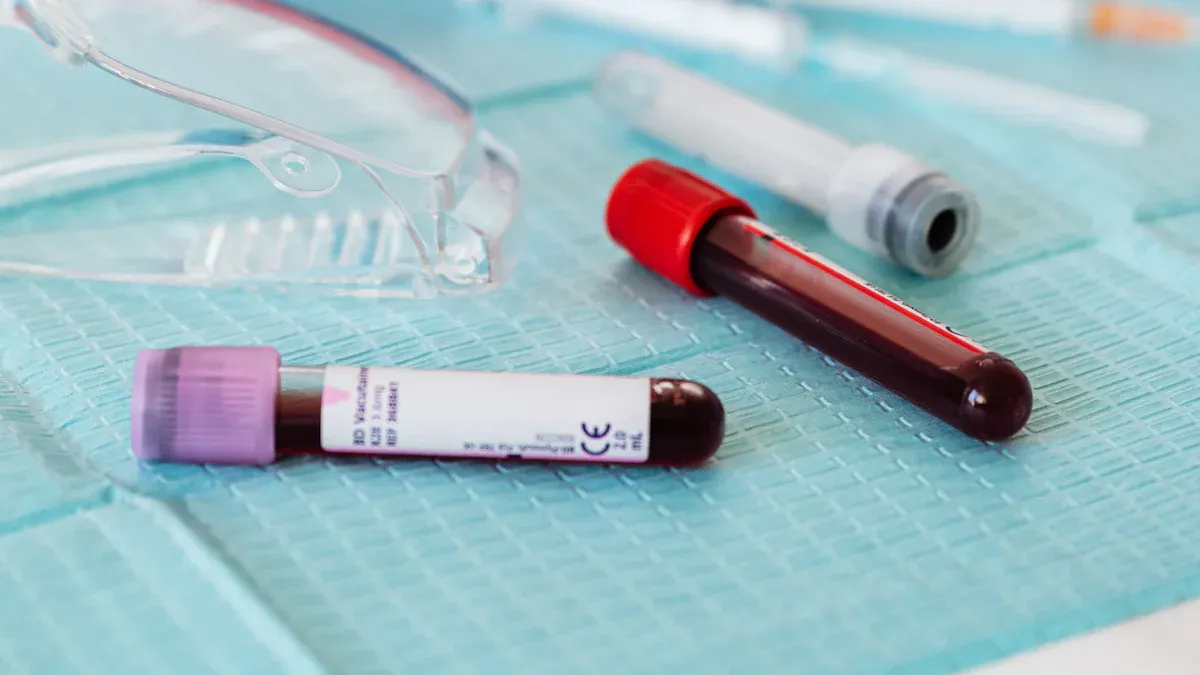
A low mean platelet volume (MPV) result requires careful consideration. Doctors do not interpret this single value in isolation. They look at it alongside other blood test results and a patient’s overall health picture. Understanding blood test results involves a comprehensive evaluation.
When to Be Concerned
A low MPV does not always signal a serious problem. However, an abnormally low MPV can indicate impaired platelet production or a bone marrow disorder. This requires further investigation. Patients should be concerned if they experience certain symptoms alongside a low MPV test result. These symptoms include unexplained bruising, frequent nosebleeds, or excessive bleeding from cuts.
A low MPV can also point to various underlying conditions. These include:
Certain cancers
Side effects from specific medicines
Aplastic anemia
Autoimmune diseases
Bacterial or viral infections
Genetic conditions
Alcohol use disorder (AUD)
These conditions affect the body’s ability to produce or maintain healthy platelets.
The Complete Blood Count Context
Doctors always examine MPV within the context of a complete blood count (CBC). This comprehensive blood test provides a full picture of blood components. Platelet results, including Mean Platelet Volume (MPV), should correlate with red blood cell and white blood cell parameters. A clinical assessment of the patient’s values is crucial.
For example, low MPV is observed in patients with thrombocytopenia due to megakaryocyte hypoplasia. In this condition, malfunctioning megakaryocytes cannot maintain the total platelet mass. Any platelets produced remain small. This differs from high MPV in thrombocytopenia from peripheral destruction. MPV can also differentiate congenital thrombocytopenic disorders. Doctors see low MPV in conditions like Wiskott-Aldrich syndrome.
While various parameters of red blood cells (RBCs) and platelets (PLTs), including MPV, can be analyzed, limited information exists on the relationship between low and high RBC parameters and platelet count. Further study is important. Many anemic patients associate with platelet disorders. This suggests a potential correlation between these parameters. In one patient cohort, Mean Platelet Volume was significantly lower compared to healthy controls. However, this study reported no correlation between MPV and HbA1C or the duration of the disease. This highlights the complexity of interpreting low MPV results.
Further Diagnostic Steps
A healthcare professional determines the next steps after reviewing low MPV results. They consider the patient’s symptoms, medical history, and other CBC findings. Doctors might order additional tests to pinpoint the cause. These tests could include:
A peripheral blood smear to visually examine blood cells.
Bone marrow biopsy to assess platelet production directly.
Specific tests for autoimmune markers or infections.
These diagnostic steps help doctors understand the underlying reason for the low MPV. They ensure an accurate diagnosis and appropriate management plan.
Lifestyle and Dietary Factors
Lifestyle and dietary choices can influence platelet health. Patients can adopt certain habits to support healthy platelet production and function.
Consider these dietary adjustments:
Increase intake of:
Fresh fruits, vegetables, nuts, legumes, and whole grains.
Leafy green vegetables, rich in vitamin K, calcium, and other minerals.
Healthy fats like olive oil and canola oil.
Organic foods, not treated with pesticides or herbicides.
Foods rich in Folate, such as spinach, black-eyed peas, asparagus, and broccoli.
Foods rich in Vitamin B12, including clams, bluefin tuna, Atlantic salmon, and eggs.
Foods rich in Iron, such as fortified breakfast cereals, oysters, lentils, and spinach.
Omega-3 fatty acids, found in fish and walnuts, reduce platelet activation and aggregation.
Dietary proteins rich in glycine and arginine may positively influence platelet function.
Limit or avoid:
High-fat diets, especially saturated and trans fats, which enhance platelet aggregation.
Simple, refined carbohydrates, as excessive consumption may heighten platelet reactivity.
Alcohol, which can suppress bone marrow.
High glycemic index (GI) foods.
Certain fruits and vegetables containing quercetin, like blueberries, kiwi, grapefruit, garlic, and ginger, which can interfere with clotting.
Saturated fat found in red meat, dairy, fried foods, and processed foods.
High-sodium foods and artificial sweeteners.
Micronutrients also play a role. Vitamin E links to reduced platelet adhesion. Zinc shows promise in regulating platelet aggregation. Magnesium can influence platelet calcium channels, potentially modulating platelet responsiveness. Vitamin B12 and Vitamin C are crucial for DNA replication, cell division, and efficient platelet functioning. Always consult a healthcare professional before starting any supplement regimen.
Lifestyle adjustments also contribute to platelet health:
Stress management can improve platelet activity and immune-modulatory capacities.
Regular exercise can cause a temporary rise in platelet count.
Sufficient sleep promotes healthy blood flow and may improve platelet production.
Do not smoke; tobacco products can lower platelet count.
Avoid certain medications like aspirin, acetaminophen, ibuprofen, some antibiotics, and chemotherapy drugs that can cause drug-induced thrombocytopenia (DITP).
Avoid toxins such as plastics, chemicals, and pesticides.
Managing food allergies and sensitivities is also important. They can impact platelet count and overall well-being. Symptoms can mimic thrombocytopenia, so testing may be beneficial if symptoms worsen after consuming certain foods.
A low MPV result is one piece of a larger diagnostic puzzle. Doctors do not interpret it alone. It can indicate various underlying conditions. Further investigation by a healthcare professional is crucial for an accurate diagnosis and appropriate management. Discuss specific MPV results and any concerns with a doctor. Personalized medical advice is essential for understanding blood test results. This helps clarify what a low MPV means for individual health.
FAQ
What does a low MPV blood test mean?
A low MPV blood test indicates smaller than average platelets. This often suggests the bone marrow might not produce enough new, larger platelets. Doctors consider this result with other blood findings to understand its significance for a patient’s health.
What is a normal MPV blood test result?
A normal MPV blood test result typically falls between 7.5 and 11.5 femtoliters (fL). However, laboratories can have slight variations in their normal ranges. Always check the specific reference range provided by the lab that performed the test.
What other tests are done with an MPV test?
Doctors usually perform an MPV test as part of a complete blood count (CBC). A CBC provides information about red blood cells, white blood cells, and the overall platelet count. This comprehensive view helps doctors interpret the MPV results accurately.
What conditions can cause a low MPV?
Several conditions can cause a low MPV. These include bone marrow production issues, certain autoimmune diseases, chronic infections, and some medications. Specific cancers and their treatments can also lead to a low MPV.
Does a low MPV always indicate a serious problem?
No, a low MPV does not always indicate a serious problem. It is one piece of information doctors use to assess overall health. A healthcare professional evaluates the low MPV in context with other blood results and a patient’s symptoms.