

Living with eczema brings persistent discomfort and frustration. You constantly search for gentle, effective solutions. Eczema affects many, with approximately 20% of children and up to 10% of adults experiencing this challenging skin condition. Common types of eczema include atopic dermatitis and seborrheic dermatitis. Exploring natural cures offers a soothing approach to manage your skin symptoms. This post provides practical home remedies and strategies for relief.
Key Takeaways
Understand your eczema triggers. These include environmental factors, certain foods, and irritants. Avoiding them helps manage your condition.
Use natural remedies to soothe eczema. Colloidal oatmeal baths, coconut oil, aloe vera, and honey can reduce itch and hydrate your skin.
Practice gentle skincare daily. Choose fragrance-free products and soft fabrics like cotton. This protects your skin barrier.
Manage stress and stay hydrated. Stress can worsen eczema. Drinking enough water supports skin health.
Consult a doctor for severe eczema. Natural remedies help, but a dermatologist can offer more help for serious cases.
Understanding Eczema Triggers
Common Eczema Symptoms
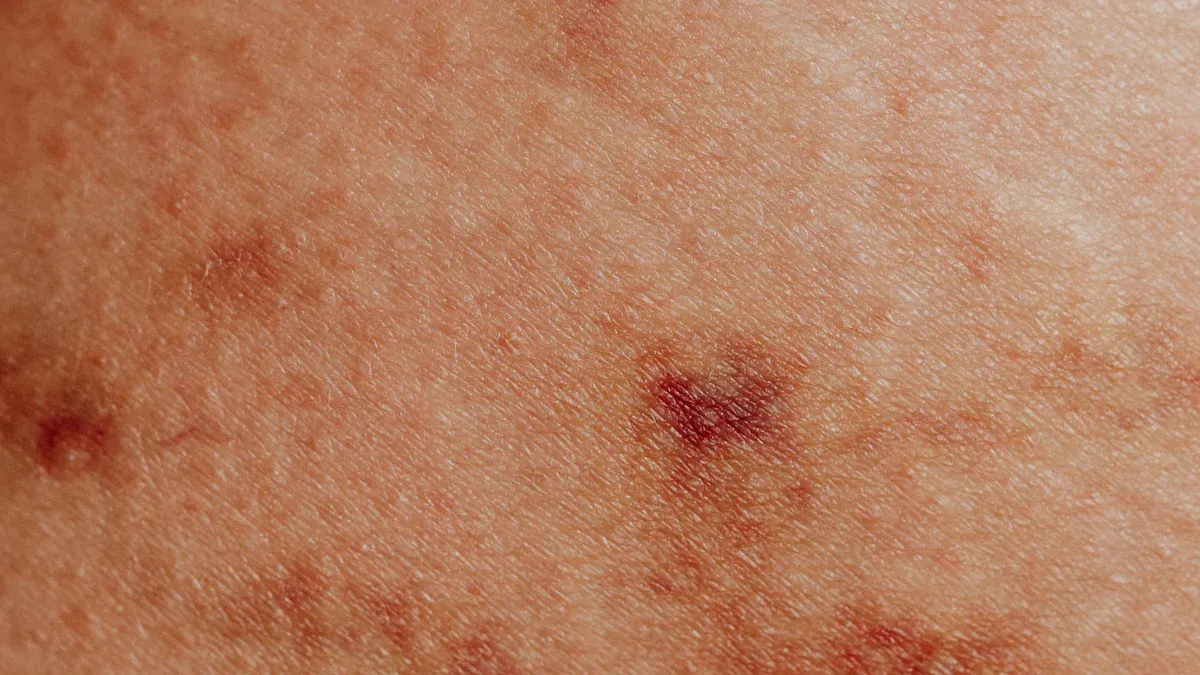
Eczema often shows up as dry, red patches on your skin. You might notice intense itch, especially at night. These patches can become thick, scaly, or even crack. Sometimes, small, raised bumps appear and may leak fluid. These are common eczema symptoms. You feel discomfort and your skin looks irritated.
Identifying Personal Flare Factors
Understanding your personal eczema triggers helps you manage the condition. Many things can cause your eczema to flare. Environmental factors play a big role. For example, household irritants like dust mites, pet dander, pollens, and molds can cause issues.
Cleaning products also act as triggers. Air pollutants and tobacco smoke are common irritants. You might find that fragranced soaps or lotions make your skin worse.
Certain fabrics, like wool or synthetic materials, can also irritate your skin. Metals such as nickel or cobalt chloride are contact allergens for some. Foods can also be triggers. Acidic foods like fresh tomato or citrus fruits sometimes cause a reaction. Chili spices can create a ‘nerve-tingly’ effect. Common food allergens linked to eczema include cow’s milk, eggs, nuts, soy, and wheat. Identifying these specific triggers helps you avoid them.
Skin Barrier Health
Your skin has a natural protective shield called the skin barrier. This barrier keeps harmful things out and holds moisture in. When your skin barrier is weak, it loses water easily. This leads to dry and itchy skin. A weak barrier also lets irritants, allergens, and germs get inside. This causes inflammation and starts the itch-scratch cycle. Maintaining a healthy skin barrier is key to reducing eczema flare-ups. Gentle skincare and regular moisturizing help restore this barrier.
Eczema Relief with Home Remedies
You can find significant relief from eczema symptoms using various natural cures right in your home. These remedies offer gentle ways to soothe your skin and reduce discomfort.
Colloidal Oatmeal for Itch Relief
Colloidal oatmeal is a finely ground oat product. It has a long history in skin care. People have used it since 2000 BC to soothe dry or itchy skin. The FDA approved colloidal oatmeal as a safe and effective over-the-counter drug. It helps relieve itchy eczema and irritation.
This natural ingredient works by reducing inflammation and stopping the itch. Studies show that compounds in oats, called avenanthramides, have anti-inflammatory and anti-itch effects. A 2015 clinical trial showed that a colloidal oatmeal lotion improved skin dryness, scaling, roughness, and itch intensity.
To use colloidal oatmeal:
Oatmeal Bath: Sprinkle about 10 CC of 100% natural colloidal oatmeal into running bathwater. Make sure the water is lukewarm. Soak in the bath for 15-20 minutes. This method gently cleanses and soothes sensitive skin. You do not need soap.
Creams and Lotions: You can find colloidal oatmeal in many products. These include cleansing bars, body washes, and lotions. A 1% colloidal oatmeal cream effectively treats mild to moderate eczema in children. This cream helps relieve itchy eczema.
Coconut Oil for Skin Hydration
Coconut oil is a great natural moisturizer for your skin. It quickly and efficiently penetrates your skin. This helps improve hydration and makes your skin more elastic.
Experts call coconut oil an emollient. An emollient is an oil or lipid that hydrates dry skin and makes it softer and smoother. A 2019 study showed that coconut oil can increase filaggrin levels in skin cells. This helps hydrate the skin and improves its moisture barrier. This research suggests virgin coconut oil can help with eczema treatment.
Coconut oil contains fatty acids like lauric acid. Lauric acid makes up almost 50% of coconut oil’s fat content. It has antimicrobial properties. This helps fight bacteria that can worsen eczema. A 2022 review indicates that these fatty acids help restore your skin barrier. This is very important for hydration when you have eczema.
To use coconut oil:
Apply a thin layer of virgin coconut oil directly to your affected skin areas.
Do this after bathing when your skin is still damp. This helps lock in moisture.
You can use it as a daily moisturizer.
Aloe Vera and Chamomile Soothe
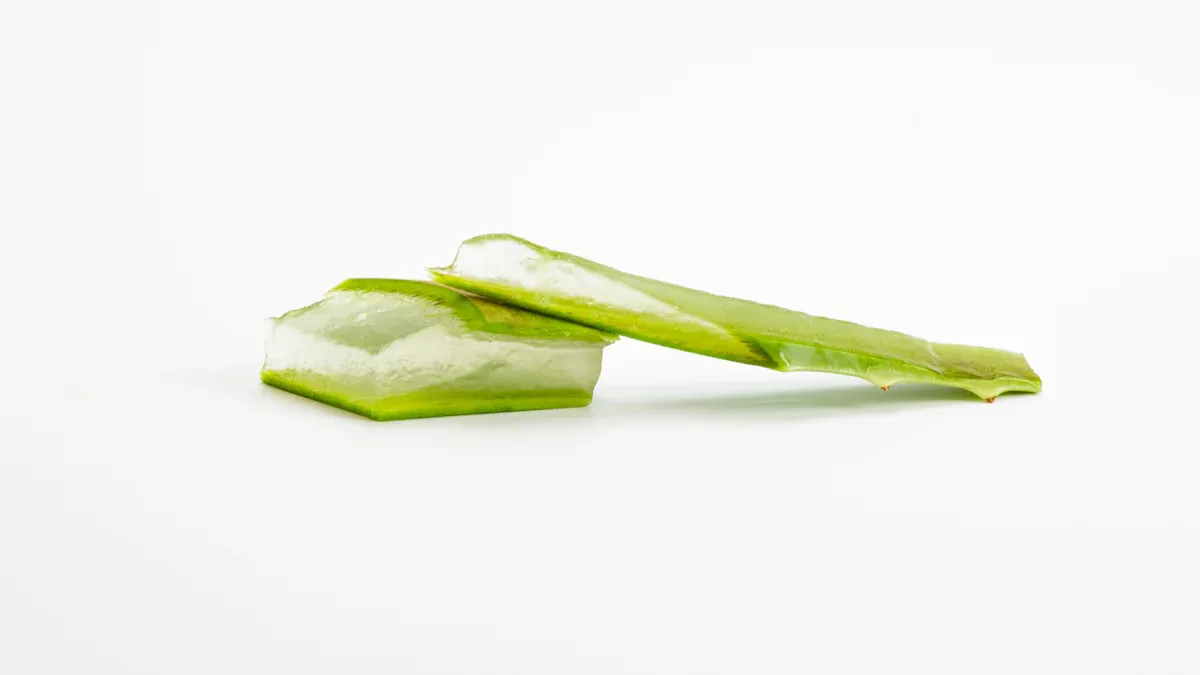
Aloe vera and chamomile are well-known for their soothing properties. Aloe vera contains aloin, a compound that protects your skin. Chamomile has active ingredients that speed up healing and calm inflammation. A clinical trial showed that components from aloe and chamomile reduced dermatitis. This means they can help with eczema symptoms.
To use aloe vera and chamomile:
Aloe Vera Gel: Apply pure aloe vera gel directly to irritated areas. Choose a product with minimal additives.
Chamomile Compress: Brew chamomile tea. Let it cool completely. Soak a clean cloth in the tea and apply it as a cool compress to your itchy patches. This provides instant itch relief.
Honey’s Healing Properties
Honey, especially medical-grade honey, offers healing benefits for eczema. Manuka honey, in particular, has extra antimicrobial activity. This helps prevent infections on damaged skin. A small 2017 study found that Manuka honey significantly improved eczema lesions.
To use honey:
Always use medical-grade honey. Non-medical honey might contain contaminants.
Wash your hands. Apply a thin layer of medical-grade honey to your itchy spots.
Cover itchy skin with sterile gauze or a bandage.
Leave it overnight. Wash it off in the morning.
Do a patch test first to ensure you have no reaction. Repeat nightly for one week.
Therapeutic Baths for Skin Comfort
Therapeutic baths are excellent natural therapies for eczema relief. They help soothe your skin and reduce itch. Always use lukewarm water, not hot water. Hot water can strip natural oils from your skin and worsen itch. Soak for 10-15 minutes. Longer soaks can dry out your skin. After bathing, gently pat your skin dry. Immediately apply a moisturizing ointment or eczema friendly ointment to seal in hydration. This is called the “soak and seal” method.
Here are some bath additives you can use:
Colloidal Oatmeal: Add colloidal oatmeal to your bath for itch relief. It has anti-inflammatory and antioxidant properties.
Bleach Baths: Diluted bleach baths can reduce bacteria and inflammation. Use them only after talking to a dermatologist. They are for moderate to severe eczema.
Epsom Salt or Magnesium Baths: These salts can reduce inflammation and relieve itchy eczema. They also promote relaxation.
Baking Soda: Add baking soda to your bath to soothe itch and help balance your skin’s pH.
Dead Sea Salt or Mineral Soaks: These salts are rich in minerals. They reduce scaling, inflammation, and itch. They also enhance skin hydration.
Remember to patch test any new ingredient. Consult a dermatologist for severe or infected eczema. These itch-relieving techniques are part of a good home remedy plan.
Targeted Natural Cures for Eczema Symptoms
You can find specific natural cures to target common eczema symptoms like inflammation and dryness. These remedies offer practical ways to manage your condition.
Apple Cider Vinegar for pH Balance
Apple cider vinegar (ACV) might help balance your skin’s pH. Your skin has a natural acidity that protects against bacteria. Alkaline soaps and cleansers can irritate your skin and worsen eczema. Acidic substances, like ACV, may help restore your skin’s natural acidity.
Some research suggests potential benefits:
Improved Skin Barrier (Mouse Study): A 2016 mouse study showed a vinegar-based cream improved the skin’s barrier health. It also maintained pH and prevented eczema lesions. However, scientists have not confirmed these findings in humans.
Managing Inflammation and Infection: Some 2018 laboratory research suggests ACV may reduce inflammation and infection. This could help with eczema-related swelling and prevent infection in broken skin.
Preventing Tap Water Irritation: A 2019 study found adding ACV to bathwater (to achieve a pH of around 4.5) might help prevent irritation from tap water chemicals.
However, you must use ACV with caution due to potential risks:
High Acidity and Irritation: ACV is highly acidic. It can cause irritation, burning, and even chemical burns. This is especially true on broken or sensitive skin.
Limited pH Effect and No Barrier Improvement (Human Study): A small 2021 study on diluted ACV (0.5%) found it immediately decreased skin pH. But the pH returned to previous levels within 60 minutes. The study found no evidence ACV improved the skin barrier or microbiome. Many participants experienced mild side effects.
Lack of High-Quality Human Research: Currently, no high-quality research validates ACV’s effectiveness for eczema symptoms in humans.
Not Recommended for Infants: No guidelines or research suggest ACV is safe for infants. A 2015 case report showed vinegar caused burns when applied to skin. It can potentially damage sensitive infant skin.
Always dilute ACV heavily before applying it to your skin. You should also do a patch test first.
Cool Compresses for Instant Relief
Cool compresses offer quick relief from the intense itch of eczema. They help calm inflammation and numb the area.
You can use several materials for cooling:
Cold compress
Ice pack
Gel packs
Cold water
Follow these steps to apply a cool compress:
Soak a clean towel or washcloth in cool water.
Wring the towel or washcloth until it is damp.
Apply the cool compress to the itchy skin.
After removing the compress, apply your moisturizer to the treated skin. This helps lock in moisture.
For quick relief from eczema symptoms, apply cool compresses for 10-15 minutes. You can re-wet the damp cloth if it dries out during this time for continued relief. Do not apply cold compresses for longer than 20 minutes at a time. This prevents potential issues like frostbite. If you need repeat applications, allow at least one hour between them. This helps relieve itchy eczema.
Sunflower Seed Oil Benefits
Sunflower seed oil is a beneficial natural oil for eczema-prone skin. It contains several components that help soothe and protect your skin.
Antioxidant Vitamin E: Sunflower oil contains vitamin E. This antioxidant fights negative impacts on your skin.
Linoleic Acid: This polyunsaturated fatty acid forms a protective barrier on your skin. It prevents moisture loss and keeps your skin hydrated. Linoleic acid is crucial for maintaining the skin barrier. It helps reduce transepidermal water loss, which alleviates dryness and irritation associated with eczema.
Oleic Acid and Sesamol: These, along with vitamin E and linoleic acid, contribute to sunflower oil’s ability to soothe, hydrate, and protect your skin.
Sunflower oil is non-comedogenic. This means it moisturizes without blocking pores. Its rich composition of fatty acids, including linoleic and oleic acids, provides anti-inflammatory properties. These properties minimize redness and swelling, contributing to a more balanced skin surface.
Studies show sunflower seed oil’s effectiveness:
A study involving 19 adults compared sunflower seed oil to olive oil. Sunflower seed oil preserved skin barrier function and improved hydration. Olive oil, however, worsened it.
A study on 86 children with moderate atopic dermatitis found a cream containing sunflower oil significantly reduced lichenification and excoriation when used with corticosteroids. It also decreased corticosteroid use and improved quality of life.
A precursor study on mouse epidermis showed sunflower seed oil significantly improved skin barrier function recovery. Other oils like mustard, olive, and soybean oils delayed it.
Apply sunflower seed oil directly to your skin as a moisturizer.
Petroleum Jelly for Barrier Support
Petroleum jelly is a simple yet effective ointment for supporting your skin barrier in eczema management. It creates an occlusive, hydrophobic barrier. This significantly reduces transepidermal water loss by up to 99%. It retains moisture and enhances hydration.
Petroleum jelly works by:
Improving the outer layer of your skin. It supports and seals together lipids.
Helping seal together lipids in the outer skin layer.
Exhibiting barrier repair and antimicrobial responses.
Follow these best practices to maximize its barrier support:
Apply petroleum jelly immediately after a shower or bath. Your skin should still be damp to lock in moisture.
Apply a thin layer to affected areas until your skin appears shiny.
The amount of petroleum jelly you use can vary. Factors include weather, whether you use it alone, and the extent of the affected body area.
You can use petroleum jelly alone or over a moisturizer or topical ointment. This helps seal in their effects.
Consider wet wrap therapy. Moisten gauze or cotton fabric. Cover the affected area. Then, wrap a dry dressing (like gloves or socks) over it for several hours or overnight. This seals in moisture and protects against irritants.
Apply a generous amount of petroleum jelly to your hands and feet before bed. Then cover them with gloves and socks to retain moisture.
Mix petroleum jelly with other oils like coconut oil or baby oil. This is especially helpful in dry conditions like winter.
For facial dryness (without acne), apply a layer of petroleum jelly over lotion or moisturizer. This technique, known as ‘slugging’, locks in moisture.
Lifestyle for Long-Term Eczema Management
Managing your eczema long-term involves daily habits. You can make choices that support your skin health and reduce flare-ups.
Gentle Skincare Practices
Your daily skincare routine greatly impacts your eczema. Choose products carefully. Avoid common irritants in skincare. These include perfumes, preservatives like parabens, and lanolin. Formaldehyde and cocamidopropyl betaine can also cause issues. Even natural essential oils can irritate your skin. When you wash clothes, use fragrance-free and dye-free detergents. Products labeled “unscented” might still have masking fragrances. Always wash new clothes before wearing them. Use an extra rinse cycle to remove all detergent residue.
Diet and Hydration for Skin Health
Your diet plays a role in managing eczema. Some supplements may help. Fish oil, rich in omega-3s, can reduce inflammation. Vitamin D may improve symptoms, especially if your levels are low. Zinc supports skin health. Probiotics might balance gut bacteria. However, evening primrose oil and borage oil have not shown significant improvement in global eczema symptoms. For hydration, drink about 2.7 liters of water daily if you are a woman. Men should aim for 3.7 liters. This includes fluids from food. Drinking more than this does not necessarily improve eczema.
Stress Reduction Techniques
Stress can worsen your itch and trigger eczema flares. Learning to manage stress is important. Try mindful meditation or deep breathing. Guided meditation apps can help. Daily journaling or yoga classes are also good options. Spending time in nature or engaging in creative activities like painting can reduce stress. These techniques can lower stress hormone levels. They help you manage your eczema better.
Choosing Skin-Friendly Fabrics
The clothes you wear touch your skin all day. Choose fabrics that are gentle. Cotton is soft, breathable, and absorbent. Look for 100% cotton. Silk is also soft and breathable. It helps regulate temperature. Bamboo and Lyocell (TENCEL) are other good choices. They are soft, breathable, and highly absorbent. Avoid rough fabrics like wool. Synthetic fabrics such as polyester can also trigger eczema flare-ups.
Consistent application of natural remedies offers powerful relief for your eczema. You have explored many options. These include soothing baths, hydrating oils, and gentle skin care. Be patient. Observe what works best for your unique skin. Consult a dermatologist for severe or persistent eczema. You can manage your eczema naturally and effectively.
FAQ
What is colloidal oatmeal?
Colloidal oatmeal is finely ground oats. You add it to bathwater or find it in creams. It helps soothe your itchy skin. It reduces inflammation and irritation from eczema.
What does coconut oil do for eczema?
Coconut oil is a natural moisturizer. It penetrates your skin quickly. It helps hydrate your skin and makes it softer. Its fatty acids also fight bacteria that can worsen eczema.
What are therapeutic baths?
Therapeutic baths are special baths you take to soothe your skin. You add ingredients like colloidal oatmeal or Epsom salts. They help reduce itch and inflammation. Always use lukewarm water for these baths.
What is the “soak and seal” method?
The “soak and seal” method involves bathing in lukewarm water for 10-15 minutes. Then, you gently pat your skin dry. Immediately apply a moisturizer or ointment to lock in hydration. This helps your skin retain moisture.
What is petroleum jelly used for in eczema?
Petroleum jelly creates a protective barrier on your skin. It locks in moisture and prevents water loss. This helps keep your skin hydrated. It also supports your skin’s natural barrier function.


