Noticing one leg bigger than other can certainly cause concern. While some leg length difference is common—studies indicate up to 90% of people have a measurable discrepancy—a truly noticeable difference, often exceeding 9mm, warrants attention. Conditions like lymphedema and hemihyperplasia are frequently responsible.
For instance, hemihyperplasia is a congenital condition where one side of the body, including a leg, grows significantly larger. Primary lymphedema, an inherited condition, also causes one leg to be larger than the other. You can find identifiable causes, and effective management strategies exist for both diagnosis and treatment. Understanding these conditions empowers you to seek professional help.
Key Takeaways
Many reasons can make one leg bigger than the other. Lymphedema and hemihyperplasia are common causes. Swelling from fluid or extra tissue often explains the difference.
Doctors use physical exams and imaging tests to find the cause. They measure legs and check for swelling. Specialized tests help them see how your lymphatic system works.
Treatment depends on what causes the size difference. Options include compression therapy, exercise, and special massages. Sometimes, medicine or surgery is needed.
Lymphedema needs ongoing care. This includes special massages, compression garments, and skin care. Eating healthy and staying active also helps manage symptoms.
See a doctor if you notice one leg is bigger. Do not try to figure it out yourself. Getting help early can improve your health and prevent problems.
Causes: Why One Leg Is Bigger Than The Other
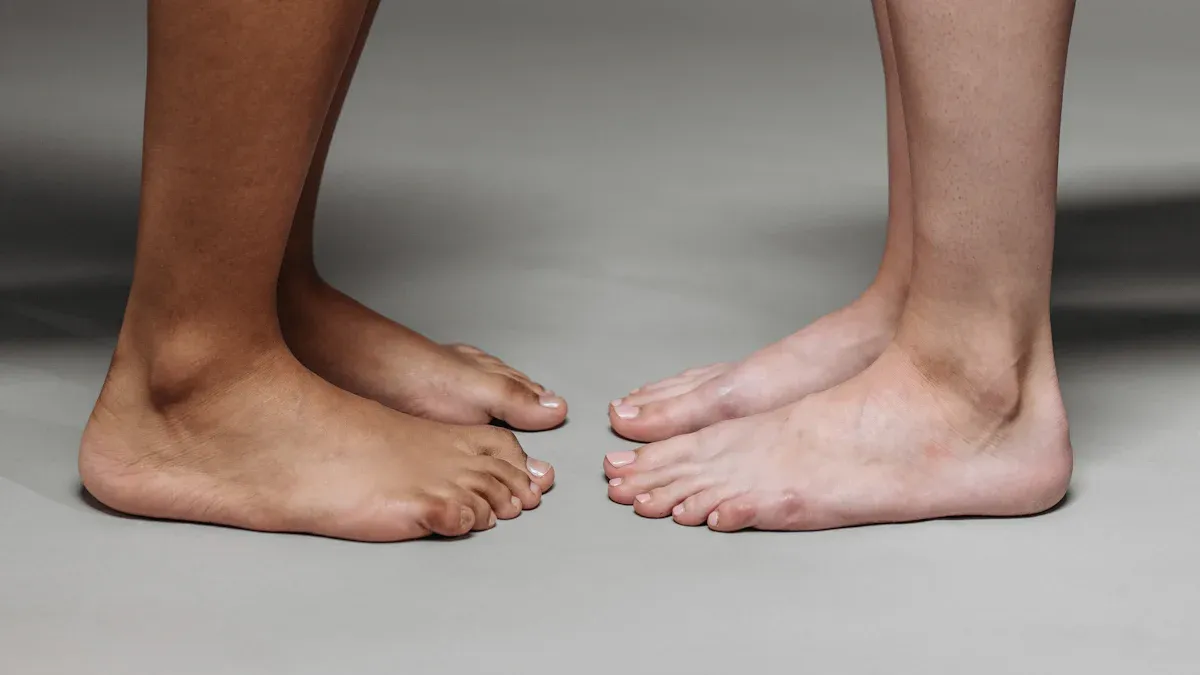
You might notice one leg bigger than other. Many reasons explain why one leg appears larger than the other. Often, extra fluid or tissue makes the difference. Swelling, also known as edema, is a primary reason for this perceived size difference. This section explores the various causes, from common to less common conditions.
Lymphedema: A Primary Cause
Lymphedema is a chronic condition. It causes swelling, usually in one leg or arm. This happens when your lymphatic system does not work correctly. Your lymphatic system is a network of vessels and nodes. It carries a fluid called lymph throughout your body. Lymph helps remove waste and toxins. When lymph flow is blocked, fluid builds up. This leads to swelling and a feeling of heaviness in the leg. The symptoms of lymphedema can include persistent swelling and skin changes. Lymphedema is a significant cause of one leg larger than the other.
Primary Lymphedema
Primary lymphedema is a rare, inherited condition. You are born with it. It happens because of problems with the development of your lymphatic system. These problems can be genetic. For example, mutations in the FOXC2 gene cause Lymphedema-distichiasis syndrome. This is a specific type of primary lymphedema. Scientists have found 19 genes linked to various forms of lymphedema. Mutations in FLT4, which makes VEGFR-3, cause primary congenital lymphedema (Nonne-Milroy lymphedema). Alterations in hepatocyte growth factor (HGF) and its receptor (MET) also appear in some families. A CCBE1 mutation links to cholestasis-lymphedema syndrome. The CELSR1 gene is another factor for hereditary lymphedema. These genetic mutations explain about 40% of familial lymphedema cases. They explain 10% of sporadic cases.
Primary lymphedema can show up at different ages. Congenital lymphedema is present at birth. It makes up 10–25% of primary lymphedema cases. Lymphedema tarda appears later in life. It accounts for less than 10% of primary lymphedema cases. The highest incidence of primary lymphedema is in adolescence. The ratio of congenital-onset to late-onset is 1:4. For people under 20, the incidence of lymphedema tarda is 1.15 in 100,000. These genetic causes lead to a lifelong condition.
Secondary Lymphedema
Secondary lymphedema is more common. It develops when an injury or disease damages your lymphatic system. This damage can block lymph flow. The causes of lymphedema vary by region. Worldwide, filarial infection is the leading cause. It affects over 120 million people. In developed countries, cancer and its treatments are the main culprits. This includes breast, gynecologic, urologic, melanoma, and lymphoma cancers. Treatments like axillary lymph node dissection or radiation therapy can damage lymph nodes.
Consider breast cancer-related lymphedema (BCRL). After axillary lymph node dissection (ALND), BCRL incidence ranges from 3% to 60%. Sentinel lymph node biopsy (SLNB) alone has a lower rate, from 1% to 12%. Radiation treatment can cause BCRL in 3–31% of cases. Chemotherapy can lead to BCRL in 5–60% of cases. Other causes of lymphedema include cellulitis/erysipelas, tuberculous lymphadenitis, and lymphogranuloma venereum. These conditions can all lead to lymphatic obstruction and swelling.
Hemihyperplasia
Hemihyperplasia is a condition where one side of your body grows larger than the other. This can make one leg bigger than other. It is a congenital condition, meaning you are born with it. Sometimes, doctors diagnose it at birth. Other times, the size difference becomes clear as a child grows. The true number of cases is hard to know. Subtle cases might not get diagnosed early. A study of 10,066 healthy young people found an incidence of 1 in 5000. Many children with hemihyperplasia see pediatricians between 10 and 18 years old.
Hemihyperplasia can be isolated. It can also be part of a syndrome. These syndromes include:
Beckwith-Wiedemann syndrome (BWS): This causes overgrowth of organs, an enlarged tongue, and kidney issues.
Proteus syndrome: This leads to uneven, patchy overgrowth.
Russell-Silver syndrome: This affects growth, causing a triangular face and short stature.
Neurofibromatosis type I (NF I): This causes non-cancerous tumors along nerves.
Klippel-Trénaunay-Weber syndrome (KTW): This affects blood and lymph vessels. Children with hemihyperplasia have a higher risk of tumors, especially in the kidneys.
Other Potential Causes
Beyond lymphedema and hemihyperplasia, other conditions can cause one leg to be larger than the other. Swelling is a common symptom across many of these.
Deep Vein Thrombosis (DVT): This is a blood clot in a deep vein, usually in your leg. DVT causes sudden or unexplained swelling in one leg. You might also feel persistent pain or tenderness, often in your calf or thigh. The affected area can feel warm or look red. Your skin might appear shiny, discolored, or bluish. Pain often worsens with movement or standing. DVT-related swelling usually does not improve with rest. Doctors diagnose DVT using ultrasound imaging. They might also use MRI, MRV, or CT scans. A D-dimer blood test can help rule out DVT if negative.
Chronic Venous Insufficiency (CVI): This happens when the veins in your leg have trouble sending blood back to your heart. This causes blood to pool, leading to swelling. The swelling often gets worse throughout the day. It usually improves when you elevate your leg.
Lipedema: This condition involves abnormal fat deposits. It almost exclusively affects women. Lipedema causes symmetrical fat accumulation in your hips, thighs, and legs. Your feet are usually spared, creating a “cuff” at the ankles. The fat does not respond to diet or exercise. It often causes pain, tenderness, and easy bruising.
Lipedema vs. Lymphedema: It is important to know the differences in symptoms.
Characteristic
Lipedema
Lymphedema
Affected Areas
Symmetrical fat in hips, thighs, legs; feet spared
Can affect one or both limbs; can include feet
Pain
Often causes pain, tenderness, easy bruising
Discomfort due to swelling
Skin Changes
Telangiectasias, hypothermia, hypermobile joints
Skin may feel tight, heavy, or thickened; can progress to permanent changes
Response to Weight Loss
Fat does not respond to diet or exercise
Swelling not typically reduced by weight reduction
Negative (you can pinch skin at base of second toe)
Positive (you cannot pinch skin at base of second digit)
These symptoms help distinguish between the two conditions.
Localized Edema from Injury or Lymphatic Malformation: An injury, like a sprain or fracture, can cause temporary swelling in one leg. This is your body’s natural response to trauma. Lymphatic malformations are abnormal growths of lymphatic vessels. They can also cause localized swelling. Mild edema often resolves on its own with rest and elevation. However, persistent or severe swelling needs medical attention to find the underlying causes.
Diagnosis: Identifying the Cause
When you notice one leg is bigger than the other, finding the exact causes requires a medical evaluation. Doctors use several steps to determine why you have this difference. This process helps them understand your specific condition.
Initial Medical Assessment
Your doctor starts with a thorough physical exam. They will inspect and palpate your legs and feet for size and any swelling. They use a tape measure to accurately note size differences. They measure your upper and lower leg circumference and ankle circumference. These measurements are normally equal on both sides. Your doctor also checks for pitting edema. They apply pressure with a finger on a distal location, like your feet, for 3-5 seconds. They note the location and how long the indentation lasts. If they see pitting distally, they check proximally. Pitting edema often gets rated on a scale of 1 to 4. Visual inspection, palpation, and circumference measurements are key. Doctors also use volume measurements, like the water displacement method, which is the gold standard.
Imaging for Leg Size Differences
Doctors often use imaging tests to see inside your leg. Ultrasound is a common tool. It is inexpensive and does not use radiation. Experienced users find it reliable. It serves as a convenient screening tool. However, ultrasound does not give a full analysis of the lower extremity. It may be less accurate than other methods. For evaluating leg length discrepancies, doctors recommend a CT scanogram. This is especially true for patients with knee flexion deformities. MRI is a promising newer method. It needs more study before routine use for assessing leg length differences.
Specialized Lymphatic Tests
To understand your lymphatic system, doctors use specialized tests. Lymphoscintigraphy helps them get detailed images of your lymphatic system. It locates lymph nodes and shows their drainage patterns. This test helps in diagnosing lymphedema and other lymphatic diseases. It can show abnormal circulation patterns. Lymphoscintigraphy has high sensitivity and specificity for diagnosing lymphedema. It helps differentiate lymphedema from other causes of swelling. Indocyanine Green Lymphography (ICGL) is another tool. It uses a non-ionizing dye. ICGL shows altered flow dynamics and drainage in lymphedematous lower limbs. It helps in diagnosing lymphedema and monitoring treatment.
Ruling Out Other Conditions
Your doctor will also perform tests to rule out other conditions. They might order blood tests. These tests include a complete blood count and a metabolic panel. They check your creatinine levels and perform a urinalysis. A thyroid panel and hepatic enzymes are also common. They measure albumin levels. For acute unilateral swelling, a D-dimer level helps rule out DVT. These tests help identify systemic causes of swelling. They ensure you get the correct diagnosis and treatment for your leg.
Treatment: Managing a Leg Size Difference
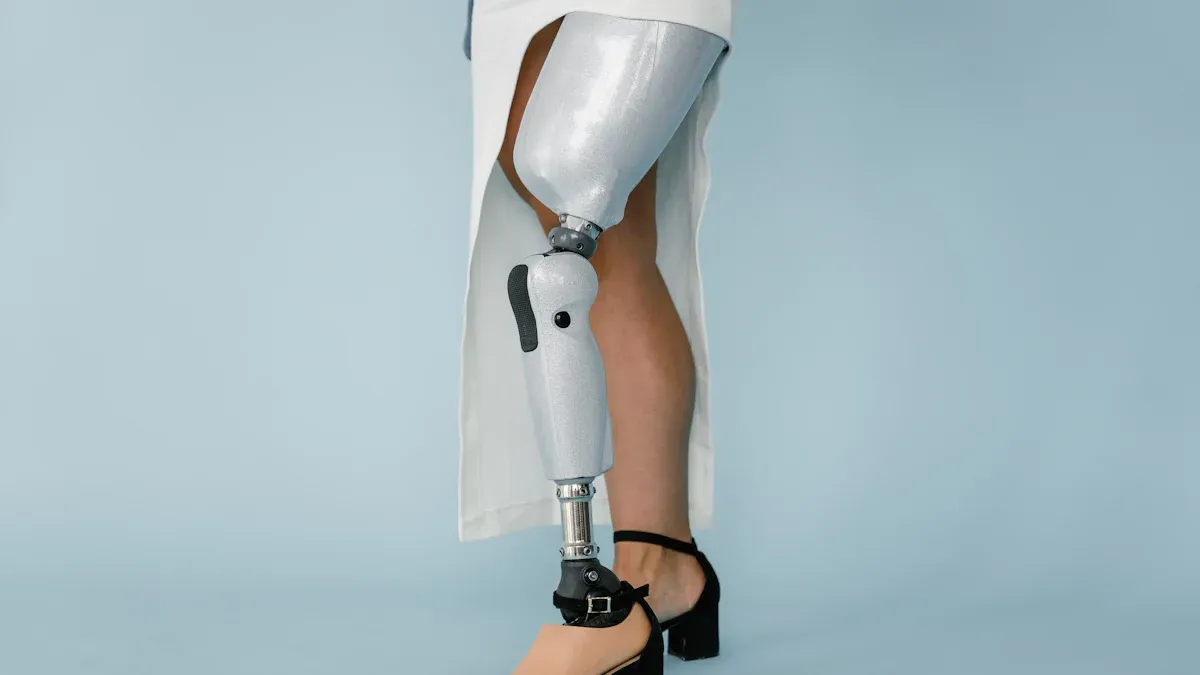
When you notice one leg larger than the other, effective management and treatment can significantly improve your quality of life. The approach depends on the underlying cause. You have various options, from simple lifestyle changes to complex surgical procedures. This section explores the different ways you can manage and treat conditions causing a leg size difference.
Conservative Management Options
You can often manage mild leg swelling and size differences with conservative methods. These approaches focus on reducing fluid buildup and improving circulation.
Compression Therapy: This is a cornerstone of treatment for many conditions causing leg swelling. You use compression garments to apply gentle pressure to your leg. This pressure helps push blood and fluid back towards your heart. It prevents fluid from pooling in your lower leg.
Types of Compression Clothing:
Compression stockings: These are common. They extend up to your knee. If your swelling is above the knee, you might use longer tights.
Bandages and wraps: Elastic bandages and Velcro wraps are easier to apply. They are good if you have trouble putting on socks. You usually apply them in multiple layers.
Inflatable devices: These garments cover your leg completely. They inflate to provide pressure. Athletes often use them.
Benefits of Compression Therapy:
Improved blood circulation: Compression therapy helps squeeze your leg muscles. This pushes blood against gravity back to your heart. This is good for conditions like chronic venous insufficiency.
Reduced swelling and pain: It can relieve swelling and pain. This includes pain from varicose veins and general edema. It prevents fluid buildup.
Prevention of deep vein thrombosis (DVT): Healthcare providers may recommend compression therapy if you are at risk of DVT. It helps prevent blood clots by promoting blood flow.
Promote recovery: It aids recovery by improving circulation. It reduces swelling. It also lowers the risk of complications like blisters and ulcers. These are crucial for treating conditions like edema and lymphedema.
Elevation: You can reduce swelling by elevating your leg above your heart. Do this for 15-30 minutes several times a day. This simple action uses gravity to help drain fluid from your leg.
Exercise: Regular, gentle exercise helps improve blood flow and lymphatic drainage. Simple movements like walking, ankle pumps, and cycling can be beneficial. These activities help your muscles pump fluid out of your leg.
Manual Lymphatic Drainage (MLD): This is a specialized massage technique. A trained therapist uses gentle, rhythmic strokes. These strokes encourage lymph fluid to move away from the swollen area. MLD is a key part of treatment for lymphedema.
Lymphedema Treatment and Lifestyle
Managing lymphedema is a lifelong commitment. You can significantly improve your symptoms and prevent progression with consistent treatment and lifestyle adjustments.
Comprehensive Decongestive Therapy (CDT): This is the gold standard treatment for lymphedema. It combines several approaches:
Manual Lymphatic Drainage (MLD): As mentioned, this specialized massage helps move fluid.
Compression Bandaging/Garments: You wear these to maintain reduced swelling.
Skin Care: Keeping your skin clean and moisturized prevents infections. Infections can worsen lymphedema.
Exercise: Specific exercises help pump lymph fluid.
Bridges: Lay on your back with knees bent, feet flat. Engage your core. Gently lift your hips a few inches. Then lower them. Repeat 10-15 times.
Leg Raises: Lay on your back. Extend one leg straight. Keep the other bent. Engage your core. Slowly raise the extended leg. Then lower it. Repeat 10-15 times per leg.
Heel Slide: Lay on your back with knees bent. Slide one heel down to extend the leg. Then slide it back up to bend the knee. Repeat 10-15 times per leg.
Hip Abductors: Stand holding a stable surface. Move one leg to the side. Move it back to the center. Keep your body straight. Repeat 10-15 times per leg.
Mini Squats or Sit to Stands: Stand at a stable surface. Squat down a few inches. Return to the start. Alternatively, sit and stand from a chair. Repeat 10-15 times.
Toe and Heel Raises: Hold a stable surface. Alternate lifting onto your toes. Then lift onto your heels. Repeat 10-15 times.
Bicycle Kicks: Stand holding for balance. Lift one leg in a marching motion. Kick it straight out. Then kick your heel back. Return to the start. Repeat 10-15 times per leg.
Dietary Recommendations: What you eat can impact your lymphedema symptoms.
Polyphenols: These compounds have anti-inflammatory effects. They act directly on your lymphatic system.
Weight Management: Maintaining a healthy weight is crucial. High body mass index correlates with lymphedema onset. Weight loss can reduce symptoms.
Medium-Chain Fatty Acids: Your body absorbs these directly into the portal system. They do not use the lymphatic system. This reduces accumulation and pressure in lymphatic ducts.
Fibers: Found in fruits and vegetables, fibers create short-chain fatty acids in your bowel. These have anti-inflammatory activity.
Omega-3 and Spices: Omega-3 fatty acids and spices like turmeric, garlic, and curry leaves can reduce inflammation and swelling.
Foods to Avoid: You should avoid salt, caffeine, omega-6 or 9 fatty acids, alcohol, and sweets. They can cause inflammation.
Mediterranean Diet: This eating pattern is recommended. It has anti-inflammatory properties. It includes fruits, vegetables, whole grains, legumes, healthy fats like extra virgin olive oil, fish, seafood, herbs, and spices. It minimizes red meat, processed foods, and added sugars.
Long-term Management Strategies: You need ongoing self-care to prevent lymphedema progression.
Self-care and Hygiene: Regular foot hygiene, using antiseptics, and applying emollients are important. Wear shoes and socks to prevent soil exposure. Wash affected limbs more than once a day. These practices reduce severity and acute inflammatory episodes.
Compression Therapy: Consistent use of compression garments, sleeves, and pneumatic devices is vital. Compression garments can reduce limb volume by 11.3-24%.
Exercise: Structured exercise programs, including resistance training and aerobic exercise, lower the incidence of secondary lymphedema. They maintain lymphatic flow.
Adjunct Treatments: These include antifungal therapy and physiotherapy. They can reduce lymphedema symptoms. Low-level laser therapy, Kinesio Taping (KT), and cryotherapy also offer benefits.
Do not self-diagnose if you notice one leg bigger than other. Seek prompt medical evaluation. While a definitive cure is not always possible for all causes, effective treatment strategies exist. These improve your quality of life and prevent complications. Early diagnosis and a personalized plan are crucial. Work with healthcare professionals. Be proactive in your health journey. You can manage your leg condition effectively.
FAQ
What is lymphedema?
Lymphedema is chronic swelling. It happens when your lymphatic system does not work right. Fluid builds up, making your leg feel heavy. It is a common reason for one leg being larger.
Can exercise help with leg size differences?
Yes, gentle exercise improves blood flow. It also helps lymphatic drainage. Walking, ankle pumps, and cycling are good options. These activities help your muscles move fluid out of your leg.
What is hemihyperplasia?
Hemihyperplasia means one side of your body grows larger. You are born with this condition. It can make one leg bigger. Doctors sometimes diagnose it at birth or as you grow.
When should you see a doctor for a leg size difference?
You should see a doctor for any noticeable difference in leg size. Do not self-diagnose. Prompt medical evaluation helps find the cause. Early diagnosis leads to better management and prevents complications.