

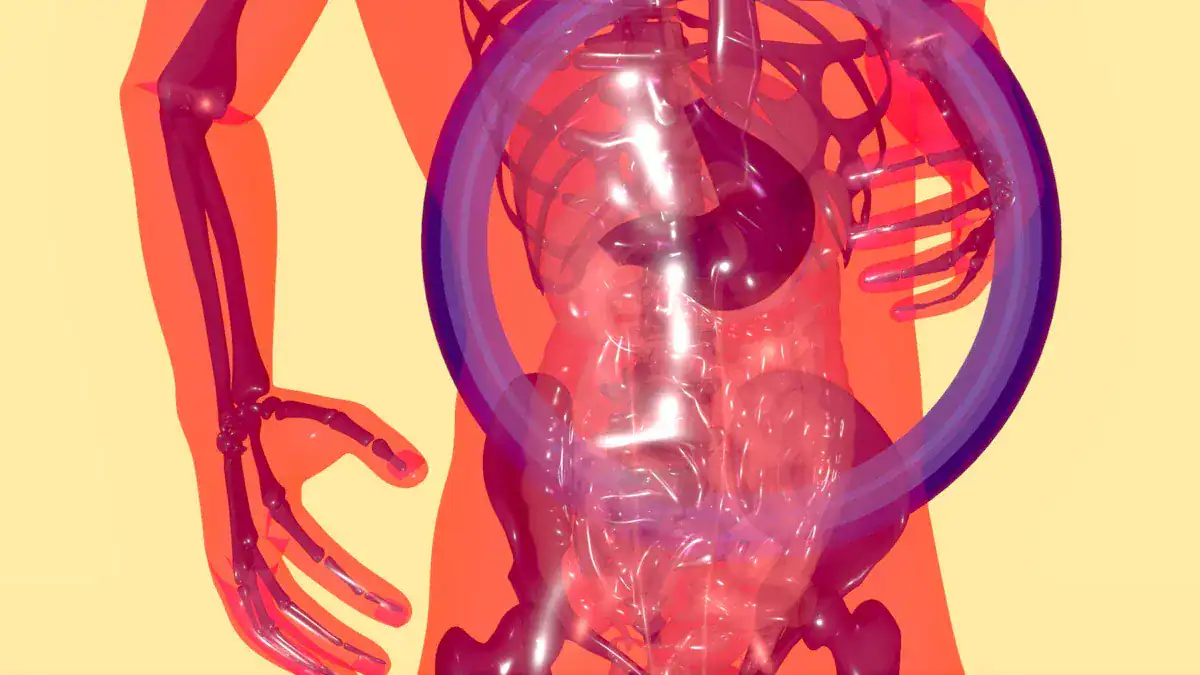
Understanding the internal geography of the human body is an essential anatomy guide for everyone. The human body houses many vital organs, with several important organs located on the right side. For instance, the liver and gallbladder are key components in this region of the abdomen. This blog serves as an essential anatomy guide, providing a clear overview of these right-sided organs, their functions, and common health considerations within the abdomen. This knowledge empowers readers to better understand their anatomy and health, especially concerning the right upper quadrant organs. Recognizing symptoms, such as pain in the right upper quadrant, becomes clearer with a solid understanding of this anatomy. The liver plays a significant role among these structures. This essential anatomy guide helps you navigate your body’s intricate systems and understand your anatomy better.
Key Takeaways
The liver is a large organ on your right side. It cleans your blood and helps digest food. It also stores important vitamins.
The gallbladder is a small organ under your liver. It stores bile, which helps your body break down fats from food.
Your right kidney filters waste from your blood. It helps keep your body’s fluids balanced and makes urine.
Pain in the upper right side of your belly can mean problems with your liver or gallbladder. Always see a doctor if you have this pain.
The Liver: Functions
Location
The liver is a large, vital organ. It sits primarily in the upper right quadrant of the abdomen. This position is just beneath the diaphragm. The liver has two main sections. The right lobe of the liver is significantly larger. It extends across the upper abdomen.
Key Roles
The liver acts as the body’s central processing unit. It performs many essential functions. One key role is detoxification. This process involves three phases. Phase I, or biotransformation, modifies toxic substances. Cytochrome P450 enzymes help convert compounds into more reactive forms. Phase II, or conjugation, binds these intermediates to molecules like glutathione.
This makes them water-soluble and less harmful. Phase III, or elimination, transports these toxins out of liver cells. They then exit the body through bile or blood. The liver also metabolizes nutrients. It processes fats, carbohydrates, and proteins from food. It converts glucose into glycogen for energy storage. It produces bile, a fluid essential for fat digestion in the small intestine. This bile travels through the biliary system. The gallbladder stores and concentrates this bile between meals. The liver also stores important vitamins and minerals, such as Vitamin A, D, E, K, and B12, and iron.
Common Conditions
Many conditions can affect the liver. Metabolic dysfunction-associated steatotic liver disease (MASLD) is very common. Its global prevalence is around 30.1% to 32.4%. This number is rising with obesity and diabetes rates. In the United States, MASLD prevalence is estimated between 34% and 35.1%.
Alcohol-related liver disease (ALD) and chronic viral hepatitis (Hepatitis B and C) are also significant health concerns. Liver dysfunction can lead to various health problems, impacting overall well-being. Sometimes, people experience pain in the right upper quadrant. This pain can signal issues with the liver or related organs, like the gallbladder. The right lobe of the liver is often involved in these conditions, showing symptoms like swelling or tenderness. The biliary system can also be affected by liver diseases, sometimes involving the gallbladder.
The Gallbladder: Role
Location
The gallbladder is a small, pear-shaped organ. It sits tucked beneath the liver on the right side of the abdomen. This position allows it to work closely with the liver in the digestive process.
Primary Function
The gallbladder’s main job is to store and concentrate bile. The liver produces this bile. Bile is a digestive fluid. It helps break down fats in the small intestine. The gallbladder stores bile between meals. It also makes the bile stronger. It removes water and electrolytes from the bile.
This concentration happens through the active transport of sodium and chloride ions. These ions move across the gallbladder’s lining. This process creates osmotic pressure. This pressure causes water and other electrolytes to reabsorb. This makes the bile 3 to 10 times more concentrated. When a person eats fatty foods, the gallbladder releases this concentrated bile. It sends the bile into the small intestine. This aids in fat digestion.
Common Conditions
Several conditions can affect the gallbladder. Gallstones are the most common problem. These form when excess bile products, often cholesterol, build into hard lumps. They can block bile flow. This blockage often leads to cholecystitis, which is inflammation of the gallbladder. Symptoms include severe pain in the right upper quadrant or center abdomen. This pain can spread to the back or right shoulder. People may also feel tenderness, nausea, vomiting, and fever.
Other issues include biliary dyskinesia. This is a problem with the gallbladder’s ability to move bile. It causes bile backup and chronic inflammation. Gallbladder polyps are growths on the lining. Larger polyps may need removal.
Gallbladder cancer is rare but serious. Chronic inflammation or problems with the gallbladder and biliary tree can increase risk. Acalculous gallbladder disease causes gallstone symptoms without actual gallstones.
Bile duct obstruction or inflammation can also occur. This can be due to gallstones, infection, or tumors. Pain in the right upper quadrant is a common symptom for many of these conditions. Other signs include jaundice, dark urine, or light-colored stool. These symptoms often point to a problem with the bile ducts or the gallbladder.
Right Upper Quadrant Organs: Key Structures
Liver and Gallbladder Overview
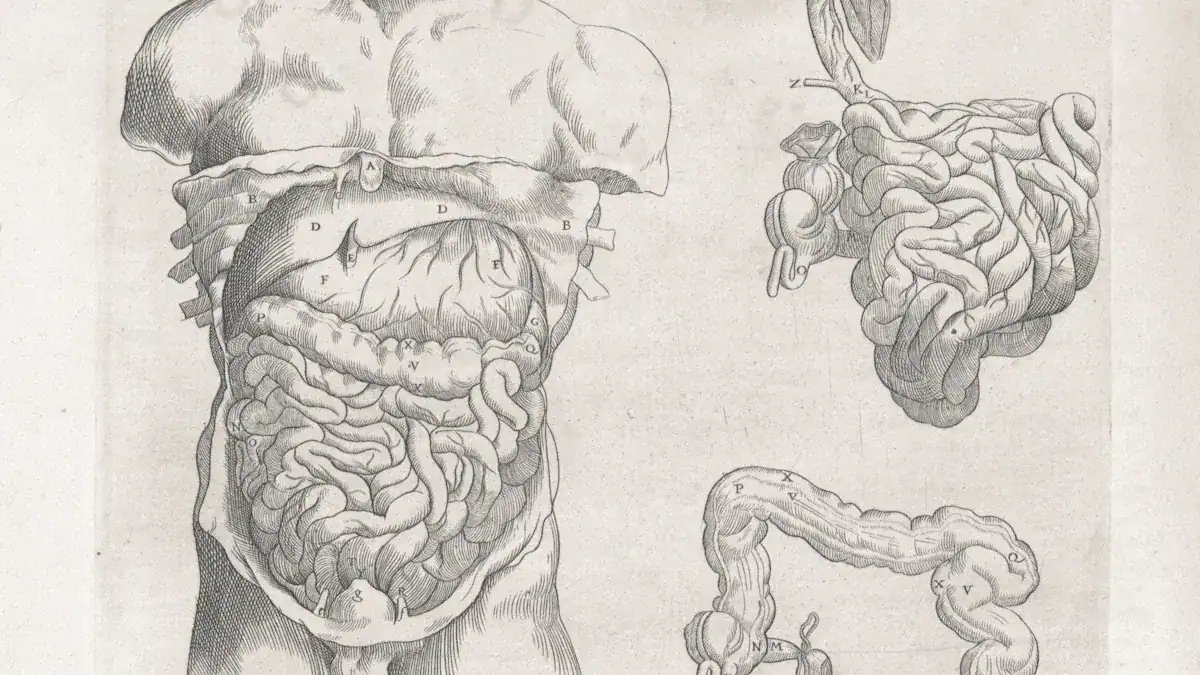
The right upper quadrant of the abdomen houses several vital organs. The liver, a large organ, dominates this area. It performs many critical functions for the body. Tucked beneath the liver is the gallbladder. This small organ stores and concentrates bile, which the liver produces. Both the liver and gallbladder work together. They play essential roles in digestion and detoxification. These right upper quadrant organs are crucial for overall health.
Duodenum and Pancreas Head
The duodenum is the first part of the small intestine. It has a ‘C’ or horseshoe shape. The head of the pancreas, its widest section, sits nestled within this curve. This close anatomical position is vital for their interaction. The duodenum releases cholecystokinin. This hormone tells the pancreas to secrete digestive enzymes. These enzymes include lipase for fats, amylase for carbohydrates, and protease for proteins. The descending part of the duodenum directly connects to the pancreatic duct. This connection allows pancreatic juices to enter the duodenum. These juices help break down fats, proteins, and carbohydrates. The pancreas also produces hormones like insulin. The liver processes many of the nutrients absorbed here.
Common Conditions and Pain
Problems with these right upper quadrant organs can cause pain in the right upper quadrant.
Pancreatic conditions: Pancreatitis, an inflammation of the pancreas, causes pain that gradually worsens. Nausea, vomiting, and fever often accompany this pain.
Gallbladder inflammation: Cholecystitis is inflammation of the gallbladder. It is a very common cause of right upper quadrant pain. This often happens when gallstones or biliary sludge block the gallbladder’s main opening. Symptoms include bloating, gas, food intolerances, nausea, and vomiting.
Liver conditions: Hepatitis, a liver abscess, or liver cancer can also lead to right upper quadrant pain. The liver’s health directly impacts the entire digestive system.
The Right Kidney: Filtration
Location
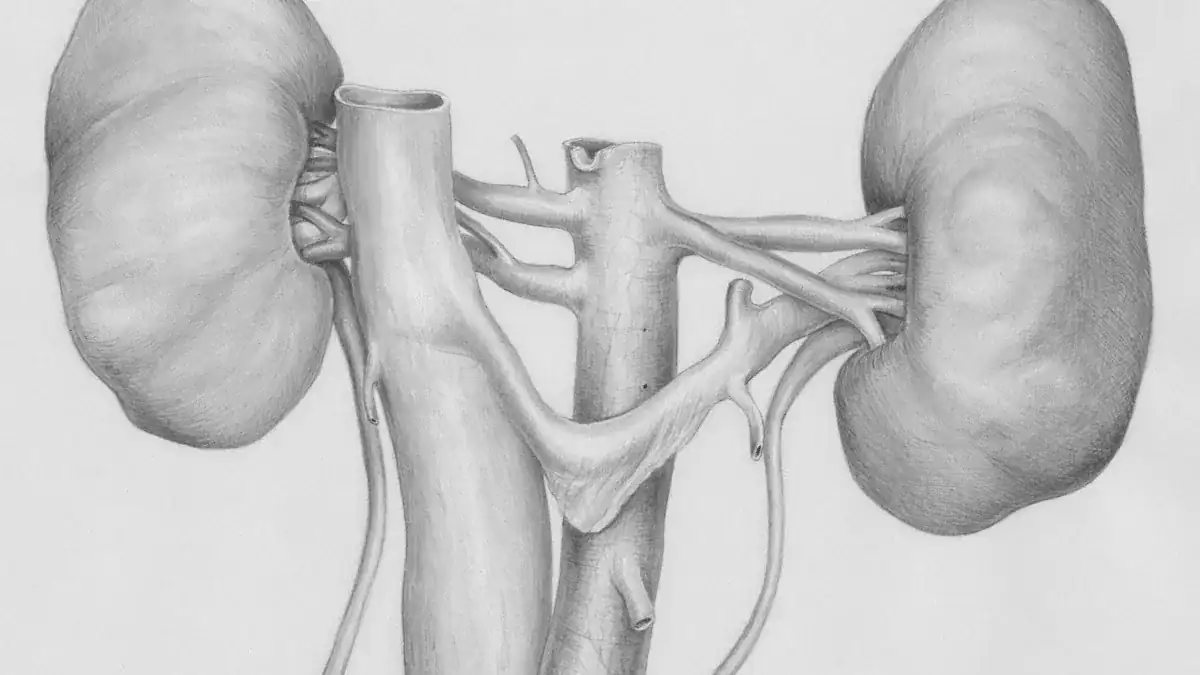
The right kidney is one of two bean-shaped organs. It sits on the right side of the spine. This organ is located in the upper posterior part of the abdomen. It rests just below the diaphragm and behind the liver. The right kidney is usually slightly lower than the left kidney. This is due to the large size of the liver above it.
Key Processes
The right kidney performs many essential functions. It filters waste from the blood. It also maintains fluid and electrolyte balance. The kidney produces urine. It regulates blood pressure. It even helps produce red blood cells. Each kidney contains over a million filtering units called nephrons.
Each nephron includes:
Glomeruli: These clusters of tiny blood vessels perform the initial stage of blood filtering. This process is known as glomerular filtration. They pass filtered substances to the renal tubules.
Renal tubules: These small tubes reabsorb essential water, nutrients, and minerals. Examples include sodium and potassium. They return these to the body. They also remove waste, including excess acid and fluids, through diffusion. The remaining waste goes to the kidneys’ collecting chambers. It is then excreted as urine.
The filtration process involves several steps:
Filtration: Water and solutes move from the plasma into the renal tubule. This happens in the renal corpuscle. Blood pressure drives this process. It filters about 180 liters of fluid daily.
Reabsorption: Water and solutes move from the tubule back into the plasma. Bulk reabsorption happens in the proximal tubule. Over 70% of the filtrate is reabsorbed here. Hormones influence regulated reabsorption in the distal tubule and collecting duct.
Secretion: Tubules actively secrete additional substances into the tubular fluid. This enhances waste elimination. It also helps regulate plasma potassium and pH levels.
Excretion: This is the final output. It represents what ultimately forms the urine. It is the filtered amount minus the reabsorbed amount plus the secreted amount.
Common Conditions
Several common conditions can affect the kidney. Kidney stones are hard deposits. They form inside the kidney. They can cause severe pain. Urinary tract infections (UTIs) can also affect the kidney. These infections can lead to kidney damage if left untreated. Chronic kidney disease (CKD) is a long-term condition. It means the kidneys slowly lose their ability to function. High blood pressure and diabetes are common causes of CKD. Recognizing symptoms early helps manage these conditions.
Other Right-Sided Organs: Beyond the Upper Quadrant
The Right Lung: Respiration
The human body contains many vital organs. Beyond the right upper quadrant, other important structures reside on the right side. The right lung is one such organ. It sits within the chest cavity, protected by the rib cage. This lung is slightly larger than the left lung. It has three lobes, while the left has two. The right lung’s main job is respiration. It takes in oxygen from the air. It then releases carbon dioxide, a waste product. This gas exchange is crucial for life. The heart, another vital organ, sits between the lungs. The liver also plays a role in overall body metabolism.
Intestines: Digestion and Absorption
Parts of the small and large intestines also occupy the right side of the abdomen. The small intestine includes sections of the jejunum and ileum. These parts continue the digestion process.
They absorb nutrients from food. The large intestine begins in the right iliac region. Here, the cecum acts as its initial segment. It receives digested food waste from the small intestine. The cecum then moves this waste to the ascending colon. The ascending colon begins extracting water and other vital nutrients from this waste material. It moves the waste upwards towards the transverse colon through peristalsis. The liver processes many of the nutrients absorbed by these intestines.
Appendix and Other Structures
The appendix is a small, finger-shaped pouch. It projects from the cecum in the right lower quadrant of the abdomen. Its exact function remains unclear. However, it may play a role in the immune system. Many conditions can affect the appendix and surrounding structures. These conditions often cause pain similar to appendicitis.
Common conditions mimicking appendicitis:
Gastroenteritis
Mesenteric adenitis
Meckel’s diverticulitis
Urinary tract infection
Inflammatory bowel disease (Crohn’s disease, ulcerative colitis)
Ectopic pregnancy (in women)
Pelvic inflammatory disease (in women)
Ovarian torsion (in women)
Kidney stones
Pancreatitis
Symptoms of acute appendicitis typically begin with pain around the navel. This pain then shifts to the right lower quadrant and intensifies. Nausea, vomiting, and fever often accompany this pain. The pain can worsen with movement, coughing, or pressure. Tenderness in the right iliac fossa is a common sign. The liver’s health is also vital for overall abdominal well-being.
This guide explored vital organs on the body’s right side. It covered the liver, gallbladder, right kidney, and parts of the intestines. The liver performs many vital roles in the abdomen.
These organs work together for overall health. The liver’s function is crucial. Recognizing symptoms, especially pain in the right upper quadrant, helps. This pain can signal issues with the liver or other organs in the right upper quadrant of the abdomen. Always consult a doctor for any health concerns.
FAQ
What are the primary organs in the right upper quadrant of the abdomen?
The right upper quadrant primarily contains the liver and the gallbladder. It also includes parts of the duodenum and the head of the pancreas. These organs work together for digestion and detoxification.
What essential functions does the liver perform?
The liver acts as the body’s central processing unit. It detoxifies harmful substances and metabolizes nutrients. It also produces bile for fat digestion. The liver stores vitamins and minerals, supporting overall health.
What is the gallbladder’s main job?
The gallbladder stores and concentrates bile. The liver produces this bile. When a person eats fatty foods, the gallbladder releases concentrated bile into the small intestine. This helps break down fats.
What is the right kidney’s primary role?
The right kidney filters waste products from the blood. It maintains fluid and electrolyte balance in the body. The kidney produces urine and helps regulate blood pressure. It also contributes to red blood cell production.
What are common symptoms of gallbladder issues?
Common symptoms of gallbladder issues include severe pain in the right upper abdomen. This pain can spread to the back or right shoulder. Nausea, vomiting, and tenderness in the area also occur frequently.


