Experiencing pain behind the ear and down your neck can be unsettling. You might feel worried about this discomfort, especially if you also have ear pain. This guide explores ten common causes of this specific ear and neck pain. Understanding the root of your pain behind ear is the first step toward finding relief. When you feel pain behind the ear, knowing the causes helps you manage it. We help you identify potential issues and know when to consult a doctor for your neck.
Key Takeaways
Many things can cause pain behind your ear and down your neck. These include muscle strain, jaw problems, nerve issues, and infections.
Poor posture and stress often lead to neck muscle tension. This can cause pain that spreads to your ear.
Dental problems like abscesses or wisdom teeth issues can cause pain. This pain can travel to your ear and neck.
Watch for signs like fever, swelling, or discharge from your ear. These symptoms mean you should see a doctor right away.
Tell your doctor about all your symptoms and medical history. This helps them find the right cause and treatment for your pain.
Neck Muscle Strain

Muscle strain in your neck is a very common reason for pain behind the ear and down your neck. Your neck muscles, especially the sternocleidomastoid, can become tight or injured. This leads to discomfort and limits how you move your head.
Cervical Muscle Tension
Cervical muscle tension happens when muscles in your neck become tight and stiff. You might feel stiffness, tenderness, or have trouble turning your head. Many things can cause this tension. Poor posture, like hunching over a computer, makes your neck muscles work harder. This can lead to overextension and inflammation. Sleeping in a bad position, such as on your stomach or with a large pillow, also strains these muscles. Repetitive neck movements can cause problems too. The National Institute of Neurological Disorders and Stroke says these movements can lead to pain and swelling. Teeth grinding, or bruxism, puts pressure on your jaw and neck muscles, creating tension. Injuries from lifting heavy things or sports can also strain your muscles. Stress makes your muscles tense up, causing pain in your neck and shoulders. A 2016 study showed that a forward head position, where your head sits too far forward, increases neck pain. This posture forces your neck muscles to work harder to support your head.
Tension Headaches
Tension headaches often come with neck pain. You might feel a tight band around your head. This pressure often comes from tense muscles in your neck and shoulders. Studies show that many people with tension headaches also experience neck pain. This suggests a strong link between the two. People with tension headaches often have lower pain thresholds, meaning they feel pain more easily.
Poor Posture Impact
Poor posture significantly affects your neck and can cause pain behind the ear. When you hold your head forward, it puts much more weight on your cervical spine. For every inch your head moves forward, your neck carries an extra 10 pounds. This can double or triple the load on your neck. Your lower neck bends too much, and your upper neck stretches back to keep your head level. This changes your neck’s natural curve. Your neck and upper back muscles must work constantly to fight gravity. This leads to painful strains and spasms. Poor posture also causes muscle imbalances. Some muscles become short and tight, while others get long and weak. This can increase your risk for spinal problems like degenerative disc disease. You might also experience reduced neck movement, headaches, and jaw pain.
TMJ Disorders: A Source of Ear and Neck Pain
Temporomandibular joint (TMJ) disorders can cause significant discomfort. You might feel pain behind the ear and down your neck. These disorders affect the jaw joints and the muscles that control jaw movement. Many people experience TMJ disorders. Approximately 12% of people in the United States have a TMJ disorder. Some studies suggest that up to 30% of the population experiences symptoms.
Jaw Pain And Clicking
You might notice tenderness in your jaw. You could also have difficulty chewing. Common symptoms of TMJ disorders include jaw pain, headaches, earaches, and neck pain. You might hear clicking, popping, or snapping sounds when you move your jaw. Sometimes, your jaw might even lock. A grating sound, called crepitus, can also occur. This often happens with degenerative joint disease in the TMJ. These symptoms can make daily activities uncomfortable.
Referred Pain Patterns
TMJ disorders often cause referred pain. This means the pain originates in your jaw but you feel it in other areas. You might feel pain behind the ear, even though the problem is in your jaw. This referred pain can also extend down your neck. The nerves and muscles in your face, jaw, and neck are closely connected. This connection explains why jaw problems can lead to ear and neck pain. You might also experience ringing in your ears or dizziness.
Bruxism Connection
Bruxism is when you grind or clench your teeth. This habit can happen while you are awake or asleep. Bruxism is a significant risk factor for TMJ disorder pain. It can also lead to disc displacement in the jaw joint. The amount of muscle activity during grinding, not just how often it happens, can predict sleep bruxism. While some studies link bruxism to TMJ symptoms, others show no direct connection. The relationship between bruxism and TMJ disorders is complex. It depends on many factors, including the wide range of symptoms and how doctors diagnose these conditions.
Occipital Neuralgia: Nerve Pain Behind Ear
Occipital neuralgia is a type of headache. It causes pain in the back of your head and neck. This pain comes from the occipital nerves. These nerves run from the top of your spinal cord to your scalp. You might feel this as a sharp pain behind the ear. This condition is not rare. In a community hospital-based headache clinic, nearly 25% of patients had occipital neuralgia. About 15.38% of these patients had only occipital neuralgia. Up to 85% had another type of headache too. In a Dutch population, 8.3% of facial pain cases were occipital neuralgia. The total incidence is 3.2 per 100,000 people. The average age for diagnosis is 54.1 years.
Nerve Compression
Nerve compression causes occipital neuralgia. This happens when something presses on your occipital nerves. Many things can cause this pressure. You might have pinched nerves. Tight muscles in your neck can also press on these nerves. A head or neck injury can lead to this condition. Chronic neck tension is another cause. Osteoarthritis in your upper cervical spine can compress nerves. Trauma to the greater or lesser occipital nerves also causes compression. Degenerative changes in your cervical spine can compress the C2 or C3 nerve roots. Cervical disc disease, tumors affecting nerve roots, gout, diabetes, blood vessel inflammation, and infections can also cause nerve compression.
Shooting Or Stabbing Pain
Occipital neuralgia causes a very specific type of pain. You will often feel sharp, shooting pain. It can also feel like an electric shock. This pain usually starts in the back of your head and upper neck. It can spread to your scalp or behind your eyes.
You may experience sharp, stinging or burning sensations on your scalp or behind your eye. Individuals with occipital neuralgia typically experience sharp, shooting pain or electric-shock-like sensations in the back of the head and upper neck. Movements such as turning the head or applying pressure to the scalp may exacerbate the pain. Occipital neuralgia is a condition characterized by sharp, stabbing pain that typically occurs in the back of the head and upper neck. This type of pain originates from the occipital nerves, which run from the base of the skull to the top of the head. … The pain can be intense and is usually described as shooting or electric-shock-like sensations. The pain can be intense. It might last for seconds or minutes. Sometimes, you have continuous pain with sudden shocks. This pain behind the ear can be quite severe. You might also feel pain behind the left ear or pain behind the right ear.
Triggers And Relief
Certain actions can trigger or worsen your pain. Turning your head or touching your scalp can make the pain worse. You might find relief by resting. Applying heat or cold to your neck can help. Your doctor might suggest pain relievers. Nerve blocks or muscle relaxants can also provide relief. Physical therapy can strengthen your neck muscles. This helps reduce nerve compression. Managing stress is also important. Stress can increase muscle tension in your neck. This tension can worsen your ear and neck pain.
Mastoiditis: Infection Causing Pain Behind Ear
Mastoiditis is a serious bacterial infection. It affects the mastoid bone. This bone sits behind your ear. You will feel significant pain behind ear if you have mastoiditis. This condition needs prompt medical attention.
Ear Infection Complication
Mastoiditis often starts as a complication of an ear infection. Specifically, it is the most frequent complication from acute otitis media, which is a middle ear infection. The infection spreads from your middle ear into the mastoid bone. This can cause severe ear and neck pain. You might wonder how common this is. Intracranial complications, meaning problems inside your skull, happen in 0.04% of children with acute mastoiditis. This rate might be increasing due to antibiotic-resistant bacteria. Among children with cerebral venous thrombosis from a head or neck infection, 80% had otomastoiditis. This shows a strong link between ear infections and this serious condition.
Swelling And Redness
You will notice clear signs if you have mastoiditis. The area behind your ear will become red and swollen. This swelling can even push your earlobe forward. You might feel intense pain behind the ear. This pain can be behind the left ear or pain behind the right ear, depending on which side is infected. The area might also feel tender to the touch.
Fever And Discharge
Other symptoms often accompany mastoiditis. You will likely develop a fever. This fever can be high or increase suddenly. You might also experience irritability. Drainage from your ear is another common sign. This discharge comes from the infected ear. You may also have a headache or hearing loss. If you notice these symptoms, especially after an ear infection, you should see a doctor right away.
Lymph Node Swelling: Causes of Pain Behind the Ear
You might feel pain behind the ear if your lymph nodes swell. Lymph nodes are small, bean-shaped glands. They are part of your immune system. They filter harmful substances and fight infections. When they swell, they can cause discomfort and contribute to ear and neck pain.
Infection Indicators
Many things can cause swollen lymph nodes behind your ear. These causes often point to an infection. For example, a tooth abscess or gum infection can make them swell. Ear infections, like otitis media, are also common culprits. Bacterial infections in your throat or larynx can lead to swelling. Fungal infections on your scalp can also cause this issue. Skin conditions, dental problems, or even certain cancers can make your lymph nodes enlarge. You might also experience swollen lymph nodes due to AIDS, HIV, mononucleosis, or rheumatoid arthritis.
Tenderness And Size
When your lymph nodes swell, you might notice changes in their size and how they feel. A normal lymph node is usually small, up to 1 centimeter in diameter. However, when infected, they can become much larger. For instance, an abnormal epitrochlear node is larger than 0.5 cm, and an abnormal inguinal node is larger than 1.5 cm. During an infection, these swollen lymph nodes often feel tender. This tenderness comes from the rapid increase in size, which stretches the node’s outer layer. They might also feel softer than usual. Most swollen lymph nodes remain enlarged for only a few days during an infection.
Viral Or Bacterial Causes
Infections are the most common causes of swollen lymph nodes. Your immune cells share information about infections, which makes the lymph nodes enlarge. This process often leads to pain behind the ear. Both viral and bacterial infections can trigger this response. For example, bacterial infections of the pharynx, tonsils, or larynx are frequent causes. Viral infections like mononucleosis also lead to swelling. You might also experience ear pain if an ear infection causes your lymph nodes to swell.
Cervical Radiculopathy: Nerve Issues Causing Ear and Neck Pain
Cervical radiculopathy can cause significant ear and neck pain. This condition happens when a nerve in your neck gets pinched or irritated. You might feel this as pain behind the ear or radiating down your arm.
Pinched Nerve In Neck
A pinched nerve in your neck is the core issue in cervical radiculopathy. A 2016 study indicates that age-related degeneration of your intervertebral discs is the primary cause. As these discs lose height, they narrow the openings where nerves exit your spine. This puts pressure on your discs and nerve roots. Certain activities can also contribute. You might experience this if you frequently lift heavy weights, dive, use vibrating driving equipment, or play golf. Herniated discs are a common cause. When the inner, jelly-like contents of a spinal disc leak out, they can press on nearby nerves. Degenerative disc disease, bone spurs, spinal stenosis, and neck arthritis also contribute to nerve compression.
Arm Numbness Or Weakness
When a nerve in your neck is pinched, you might feel more than just pain. You could experience numbness or weakness in your arm. This happens because the compressed nerve sends signals to your arm. You might notice a tingling sensation, like pins and needles. Your arm or hand muscles might also feel weak. This can make it hard to grip objects or perform daily tasks. This can also contribute to the pain behind the ear you experience.
Disc Herniation Or Degeneration
Disc herniation or degeneration often causes cervical radiculopathy. A herniated disc occurs when the inner, jelly-like material of a spinal disc leaks out. This material can press against nearby nerves, causing pain, numbness, and weakness. Degenerative disc disease also plays a role. Your spinal discs dry out and crack as you age, losing flexibility and cushioning. This can lead to chronic neck pain. Bone spurs are additional bone growths that form when discs lose height. These spurs can encroach on nerve spaces, irritating and compressing nerves. Spinal stenosis, a narrowing of spaces within your spine, puts pressure on your spinal cord and nerves. Neck arthritis, or cervical spondylosis, involves decreased disc height and bone spur formation. These changes can compress nerves, leading to ear pain or other symptoms.
Ear Infections (Otitis Media/Externa)
Ear infections are a common reason for discomfort. They can cause significant pain behind the ear and other symptoms. These infections affect either your middle ear (otitis media) or your outer ear canal (otitis externa). You need to understand these infections. They can lead to noticeable ear and neck pain.
Earache And Pressure
You often experience a relentless, throbbing pain with an ear infection. A feeling of fullness can clog your ears. Pressure and discomfort in your ear are also common. Fluid accumulation behind your eardrum often causes this. This leads to a sensation of clogged or full ears. It can also cause temporary hearing loss. Mild to severe pain in the affected ear can worsen over time. This happens if you do not treat the infection. You might feel this as pain behind the left ear or the right.
Hearing Changes
Ear infections frequently affect your hearing. The fluid buildup in your middle ear blocks sound waves. This makes it harder for you to hear clearly. You might notice sounds seem muffled. You could also have difficulty understanding conversations. This temporary hearing loss usually improves once the infection clears.
Fluid Buildup
Fluid buildup is a key part of many ear infections. This fluid creates pressure inside your ear. This pressure causes much of the ear pain you feel. It can also extend to your neck. Ear infections are quite common.
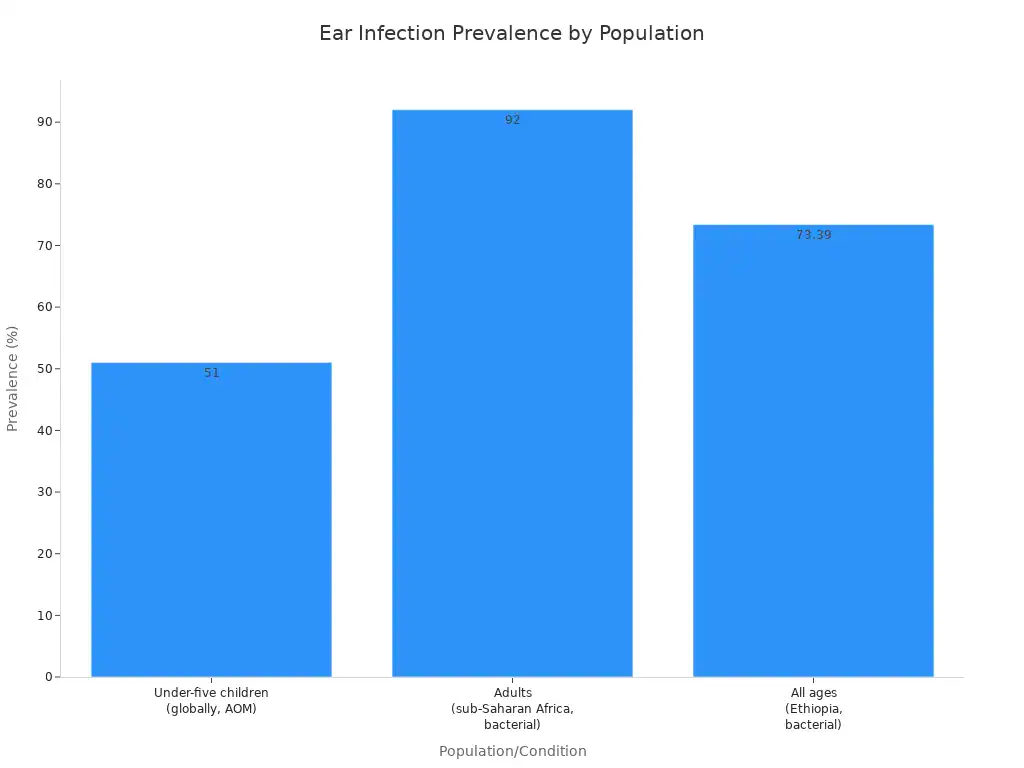
For example, 51% of children under five globally experience acute otitis media. Bacterial ear infections are also prevalent in adults. You should seek medical advice if you suspect an ear infection.
Dental Problems
Dental problems can often cause pain behind the ear and down your neck. You might not immediately think of your teeth as the source. However, issues in your mouth can create discomfort in other areas.
Tooth Abscess Or Infection
A tooth abscess is a pocket of pus. It forms due to a bacterial infection. This infection can happen at the root of a tooth. It can also occur in the gums. You will likely feel severe, throbbing tooth pain. This pain can spread to your jawbone, your neck, or your ears. You might also notice swelling in your gums, face, or cheeks. Your tooth may become sensitive to hot and cold temperatures. Chewing or biting can also cause pain. You might have tender or swollen lymph nodes. A fever can also occur with a tooth abscess. Sometimes, you get a sudden rush of bad-tasting fluid in your mouth. This happens if the abscess ruptures.
Wisdom Tooth Issues
Your wisdom teeth are your last set of molars. They usually come in during your late teens or early twenties. Sometimes, these teeth do not have enough room to erupt properly. They can become impacted. An impacted wisdom tooth can cause pain. It can also lead to infection. This pain often feels like it is in your jaw. It can also radiate to your ear. You might experience swelling and tenderness around the affected area. This can contribute to pain behind the ear.
Referred Pain To Ear
Dental problems frequently cause referred pain. This means the pain starts in your mouth but you feel it in your ear or neck. Dental issues like cavities, abscesses, and pulpitis are known causes of ear pain. You might have a toothache. This pain can travel along nerve pathways. It can then manifest as ear pain. Assessing your oral health is important when you have ear pain. Doctors often check for conditions like cavities, loose fillings, ulcers, or abscesses. The trigeminal nerve plays a role in this. Infections in your teeth can irritate this nerve. This irritation then causes secondary ear pain. This connection explains why you might feel ear and neck pain from a dental issue.
Migraines And Cluster Headaches
Migraines and cluster headaches are severe types of headaches. They can cause intense discomfort. You might feel this as pain behind the ear or in your neck. Understanding their specific symptoms helps you identify them.
Aura And Sensitivity
Migraines often begin with an aura. You might see flashing lights or zigzag lines. You could also feel tingling in your face or hands. After the aura, you often become very sensitive. Bright lights, loud sounds, and strong smells can make your pain worse. This sensitivity can make you seek a dark, quiet room. It can also contribute to overall discomfort in your head and neck.
Unilateral Pain
Both migraines and cluster headaches cause pain on one side of your head. Cluster headaches bring excruciating pain. You usually feel this pain around one eye or on one side of your head. People describe it as burning, piercing, or throbbing. This pain lasts from 15 minutes to 3 hours. It is intensely severe. You often feel it behind one eye. It happens multiple times a day during a ‘cluster period.’ You might also feel a stabbing or burning sensation. Nasal congestion, watery eyes, and restlessness are common. The pain in cluster headaches is unilateral. It affects only one side of your head. You often feel it behind the eye or on the side of the forehead. The pain stays on one side during a single episode. Migraines also frequently involve one-sided head pain. You can feel it behind the eye, by the temple, or even on both sides. It can also be in the front or back of your head. Migraine pain is typically throbbing. You often describe it as a pulsing sensation. This differs from the continuous pain of cluster headaches. Migraines cause a throbbing pain. It can be on one or both sides of your head. The intensity ranges from moderate to severe. It lasts from a few hours to several days. Nausea, vomiting, and sensitivity to light and sound often accompany migraines. This can contribute to your overall ear and neck pain.
Autonomic Symptoms
Cluster headaches often come with other symptoms. These are called autonomic symptoms. They appear on the same side as your head pain. You might have a watery or red eye. Your nostril might run or feel congested. Your eyelid could look puffy or droopy. These symptoms are distinct features of cluster headaches. They help doctors differentiate them from other types of headaches. Sometimes, this intense head pain can radiate, causing pain behind the ear and down your neck.
Stress And Anxiety
Stress and anxiety can significantly contribute to your physical discomfort. You might feel pain behind the ear or down your neck because of these mental states. Your body reacts to stress in many ways.
Muscle Tightness
Stress and anxiety often lead to muscle tightness. When you feel stressed, your body releases stress hormones like cortisol and adrenaline. These hormones trigger your body’s fight-or-flight response. This response causes your muscles to tense up. You will often feel this tension in your neck and shoulders. Sustained tension can cause chronic discomfort. It also reduces your flexibility. Anxiety can make you clench your jaw or hunch your shoulders. You might also breathe shallowly or maintain tense postures. These actions overload your neck muscles over time. This leads to muscle fatigue and inflammation.
Increased Pain Perception
Anxiety can make you feel pain more intensely. It lowers your pain threshold. This means you perceive pain more easily. Your body becomes more sensitive to discomfort. Even minor sensations can feel more painful when you are anxious. Positive emotional states, like listening to pleasant music, can reduce pain. However, anxiety does the opposite.
Psychological Factors
Your mind plays a big role in how you experience pain. How you focus on pain sensations can increase their intensity. If you distract yourself, the pain might feel less severe. The meaning you give to pain also matters. Thinking about the worst possible outcome can worsen your pain. This is called catastrophic thinking. Your expectations also shape your pain experience. If you expect more pain, you often feel more pain. Having control over a painful situation can make it feel less intense. Your cultural beliefs also influence how you communicate and tolerate pain. All these factors can make your pain behind the ear feel worse.
General Diagnostic Considerations
When you experience pain behind the ear and down your neck, understanding the diagnostic process helps you and your doctor find the right answers. Doctors consider several factors to pinpoint the exact causes of your discomfort.
Pain Type And Intensity
The type and intensity of your pain provide important clues. You might describe your pain as pulsating, like with migraines, or as a constant ache from muscle strain. Sharp, shooting pain often points to nerve irritation, such as occipital neuralgia. Ear infections can cause throbbing pain behind the ear. TMJ disorders might present as referred pain behind the ear, along with jaw stiffness. You should tell your doctor if the pain is mild, moderate, or severe. This helps them understand the urgency and potential underlying issues.
Accompanying Symptoms
Other symptoms you experience are crucial for diagnosis. If you have jaw clicking or difficulty chewing, TMJ disorders might be the cause. Hearing loss, ear discharge, or fever often indicate an ear infection. A sore throat, especially when swallowing, and swollen tonsils suggest a throat infection. For cervical spine issues, you might notice wear and tear in your neck, or signs of a herniated disc. You should tell your doctor about all your symptoms, even if they seem unrelated.
Medical History Importance
Your medical history is a vital part of the diagnostic process. A doctor will ask about your symptoms, recent activities, and past health conditions. You should tell them about any dental complaints or a history of dental disorders, as these can cause referred pain behind the ear. If you have pain or crepitus when talking or chewing, TMJ syndrome is a possibility. A history of depression or anxiety might point to psychogenic causes. Your doctor will also ask about aggravating factors, like chewing, and associated symptoms such as tinnitus or hearing loss. This comprehensive history helps your doctor narrow down the potential causes of your pain.
Pain behind the ear and down your neck has many causes. Some are minor, but others need medical attention. You should observe your symptoms and understand potential triggers. If you notice new or worsening infection signs like increased pain, warmth, redness, pus, or fever, call your doctor. Seek immediate care for new or worsening pain behind the ear, jaw, or neck. Go to the emergency room if your ear pain comes with neck stiffness, sudden hearing loss, extreme sluggishness, or a high fever. Once doctors make a proper diagnosis, effective treatments and management strategies are available.