Experiencing pain in the center of your chest can be alarming. You might feel a sudden discomfort in your chest. While not all chest pain is serious, some causes are life-threatening. In fact, chest pain accounts for 5% to 8% of all emergency department visits annually. You must know when to seek urgent medical attention for chest pain. Understanding the specific characteristics of pain in the center of your chest helps you make informed decisions. This guide helps you understand these critical differences and guides your actions.
Key Takeaways
Chest pain can be serious. Some causes need urgent medical help. Always know when to call 911.
Call 911 for sudden, severe chest pain. Also call if pain spreads to your arm or jaw. Look for shortness of breath or sweating.
Heart attacks cause chest pressure or squeezing. This pain can spread. It often lasts more than a few minutes.
Less urgent chest pain can come from GERD or muscle strain. These pains feel different. They do not have heart attack signs.
Do not guess the cause of chest pain. Always see a doctor. Quick medical help can save your life.
When to Call 911 for Chest Pain

You must know when to call 911 for chest pain. Some chest pain signals a serious medical emergency. Do not delay seeking help. Immediate action can save your life.
Sudden, Severe, or New Chest Pain
If you feel sudden, severe, or new chest pain, call 911 right away. This includes a sudden crushing, squeezing, tightening, or pressure in your chest. This type of discomfort often feels like a heavy weight on your chest. The pain may last more than a couple of minutes.
It might not go away with rest or medication. You might also experience pain that comes as a surprise. It can get worse over time. A feeling of pressure or tightness over a broad area, about the size of a closed fist, can indicate a heart attack. This chest pain is a critical warning sign.
Pain Spreading to Other Areas
A serious cardiac event often causes pain that spreads. This means the chest pain moves from your chest to other parts of your body. You might feel it down your arms, especially the left arm.
It can also spread into your neck, jaw, shoulders, back, or even your belly. Sometimes, you feel pain in these other areas without much chest pain. However, it feels like the pain comes from your chest or back. Pain that extends to the left arm is a classic sign. This spreading pain is a strong indicator you need emergency help.
Concerning Associated Symptoms
When chest pain comes with other symptoms, it becomes even more urgent. You might experience shortness of breath. This can happen at rest or get worse quickly. Other concerning chest pain symptoms include sweating, cold sweats, nausea, or vomiting.
You might also feel lightheadedness, dizziness, or even faint. Heart palpitations, a feeling of your heart racing or fluttering, are also serious. If you cough up blood with chest pain, seek immediate emergency treatment. These heart attack symptoms demand quick medical attention.
High-Risk Factors for Heart Attack
You have a higher risk for a heart attack if you have certain factors. These include a family history of heart disease, high blood pressure, high cholesterol, or diabetes. Smoking also increases your risk. If you experience any of the above symptoms and have these risk factors, do not hesitate. Call 911 immediately. Your risk factors make urgent medical evaluation even more critical.
Urgent Causes of Pain in Center of Chest
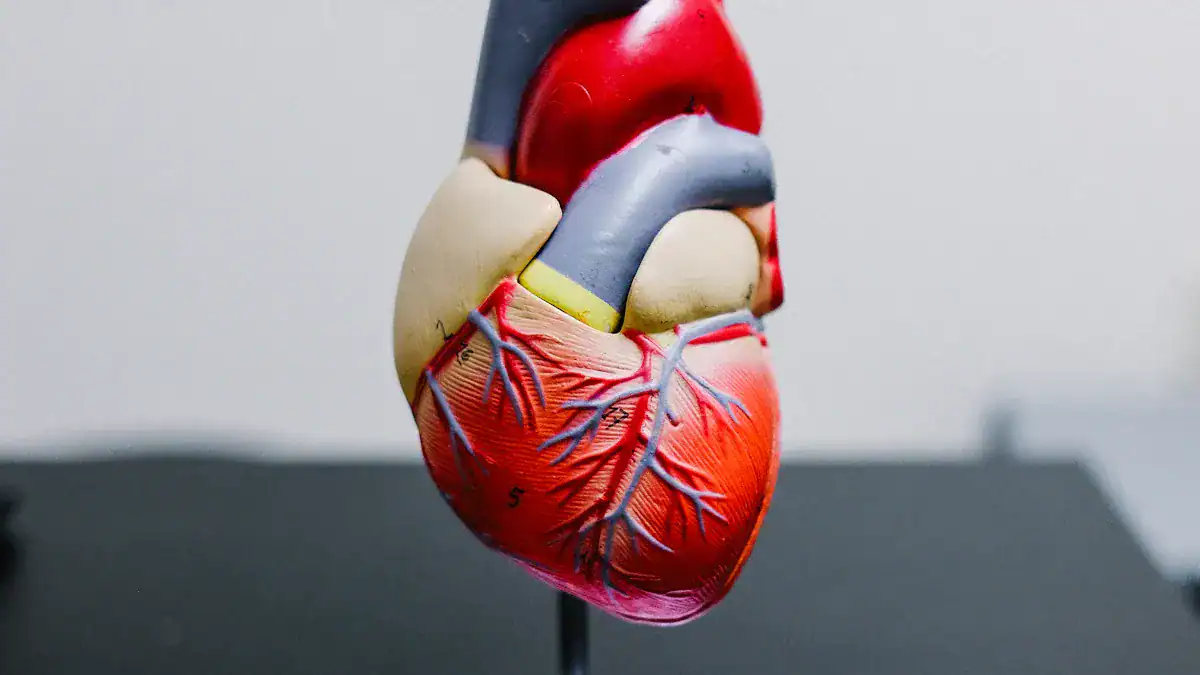
Understanding the urgent causes of pain in center of chest is vital. These conditions demand immediate medical attention. They can quickly become life-threatening. You must recognize their specific characteristics to act fast. These are critical chest pain causes.
Heart Attack: Urgent Chest Pain
A heart attack, also known as a myocardial infarction, is a top concern for chest pain. You might feel severe chest pressure, squeezing, or crushing. People often describe it as an elephant sitting on your chest or a vise squeezing your heart. This chest discomfort typically occurs behind your breastbone or slightly to the left. It can also appear on the right side. This feeling usually lasts more than a few minutes. It might go away and then come back. Unlike other chest pain, rest or changing your position does not usually make it better.
The discomfort can spread. You might feel it in your left arm, right arm, back, neck, jaw, or stomach. This happens because of shared nerve pathways. You might also experience other symptoms.
These include shortness of breath, nausea, vomiting, or sudden cold, clammy sweating. You could also feel lightheaded, dizzy, or faint. Sometimes, you feel a general discomfort, like pressure, tightness, squeezing, or burning. This often starts gradually. It can be a constant pain in center of chest. Physical exertion, emotional stress, or even rest can trigger it.
Aortic Dissection
An aortic dissection is a very serious condition. It involves a tear in the body’s main artery, the aorta.
This causes sudden, severe chest pain. Many describe it as the most severe pain they have ever felt. It often feels sharp, ripping, or tearing. This pain can be in your chest or back. It might spread between your shoulder blades, to your abdomen, or your lower back. The location depends on where the tear is. Most people with this condition feel chest pain.
Many also report back pain. If the tear is in the upper part of the aorta (Type A), you are more likely to have chest pain. If it is in the lower part (Type B), you might feel more back or abdominal pain. This severe and sudden pain or pressure that feels like tearing is a key sign.
Pulmonary Embolism
A pulmonary embolism happens when a blood clot blocks an artery in your lungs. This can cause chest pain. The pain can come from problems with blood flow in your lungs.
It can also come from irritation of the lung lining. Sometimes, a large clot can cause angina-like pain. This happens because your heart’s right side works too hard. You might feel intermittent chest pain. You could also experience severe chest pain when you take a deep breath. The pain often gets worse when you breathe in. It can be so sharp that you might mistake it for a heart attack. This sharp and sudden chest pain is a critical symptom.
Pericarditis
Pericarditis is inflammation of the sac around your heart. This condition can cause chest pain. The pain is often sharp and stabbing.
Sometimes, it feels like a dull ache or pressure. You might feel it in the middle or left side of your chest. It can spread to one or both shoulders, your back, or neck. Certain actions make the pain worse. These include coughing, swallowing, deep breathing, or lying flat. Sitting up and leaning forward often makes the pain better. This is a key difference from a heart attack. Nitrates, a common heart medication, do not relieve this pain. The pain can last for hours or even days. These causes of discomfort are distinct.
Esophageal Rupture
An esophageal rupture is a tear in your esophagus, the tube that carries food to your stomach. This is a medical emergency. It often starts with retching and vomiting.
Then, you feel chest pain and upper abdominal pain. The chest pain can be mild to severe. You might also feel nauseous or vomit blood. Other signs include fast breathing and a fever. On examination, doctors might find air under your skin (subcutaneous crepitus). They might also notice uneven breath sounds, a fast heart rate, or low blood pressure. These are serious causes of chest discomfort.
Less Urgent Causes of Chest Pain
Many conditions can cause chest pain that is not life-threatening. These causes still need attention. You should understand their symptoms. This helps you know when to worry less.
GERD: Common Non-Cardiac Chest Pain
Gastroesophageal Reflux Disease (GERD) often causes chest pain. Doctors sometimes call this noncardiac chest pain. It can feel like angina. You usually feel it behind or just under your breastbone. This pain often comes with a burning sensation.
It is less likely to spread to your left arm. The pain may feel closer to your skin. You might describe it as burning or sharp. Changing your body position, like sitting up, can make it better. Lying down or bending over can make it worse. You might also have trouble swallowing or frequent burping. A sour taste in your mouth from acid is common. This pain feels sharp and tender. It differs from the tight, squeezing feeling of heart disease.
Costochondritis
Costochondritis is inflammation of the cartilage connecting your ribs to your breastbone. This is a common cause of chest pain. You feel pain on both sides of your breastbone.
Deep breaths, coughing, or stretching can make it worse. It often affects the upper ribs, from the second to the fifth. The area might feel tender when you touch it. You usually do not see heat or swelling. The pain can be sharp or dull. It often worsens with movement. You might feel point tenderness where your ribs meet your sternum. The pain can be on the left side of your chest. It can spread to your arms and shoulders.
Anxiety and Panic Attacks
Anxiety and panic attacks can cause real chest pain. About 28.5% of people having a panic attack report chest pain. This pain often feels sharp and stabbing. It can appear suddenly, even when you are resting. The pain usually develops quickly and fades fast. It is more common in sudden attacks. You might also feel dizzy, faint, or short of breath. Trembling, changes in body temperature, and heart palpitations can occur.
Muscle Strain or Injury
A strained muscle in your chest can cause pain. This pain usually gets worse with movement.
Deep breathing or coughing can also increase it. You might feel pain or tenderness along your chest. Touching the injured muscle can hurt. Moving your arm might be difficult. You could also see bruising or swelling. Muscle twitching or spasms are possible.
Esophageal Spasms
Esophageal spasms are sudden contractions of your esophagus. These can cause severe chest pain. The pain can feel like a heart attack. It might wake you from sleep. You may feel heartburn or a squeezing sensation. This pain can spread to your neck, arm, or back. It often feels like squeezing, tightening, or pressure behind your breastbone. The pain can last from minutes to hours.
Other Non-Cardiac Causes
Other causes of chest pain exist. Pneumonia, a lung infection, can cause chest pain. You might also have a cough, fever, and produce sputum. Rib injuries, like bruises or fractures, also cause chest pain. This pain gets worse when you breathe deeply or cough. You might feel tenderness in the area. Pancreatitis, inflammation of the pancreas, can also cause pain in the upper abdomen that sometimes radiates to the chest.
Distinguishing Urgent from Less Urgent Chest Pain
You need to know the difference between urgent and less urgent chest pain. Recognizing these differences helps you decide when to seek immediate help.
Characteristics of Cardiac Discomfort
Cardiac chest pain often feels like pressure, tightness, or squeezing. You might feel a heavy weight on your chest. This discomfort can be in the center or left side of your chest. It might spread to your arm, jaw, back, shoulders, or neck. This pain often gets worse with physical activity or stress. It usually gets better with rest. You might also have shortness of breath, nausea, dizziness, or cold sweats. If you have these symptoms, especially with a feeling of pressure, you should seek medical attention.
Characteristic | Cardiac Chest Pain |
|---|---|
Sensation | Pressure, tightness, heaviness, squeezing, burning |
Location | Center or left side of chest, may radiate to arm, jaw, back, shoulders, neck |
Triggers/Behavior | Worsens with physical exertion or emotional stress, eases with rest |
Accompanying Symptoms | Shortness of breath, nausea, dizziness, cold sweats, clammy skin, lightheadedness, fatigue, weakness, indigestion |
Characteristics of Gastrointestinal Discomfort
Gastrointestinal chest pain often feels like a burning sensation. This pain is usually behind your breastbone.
It can spread to your neck, back, or arms. This discomfort often happens after you eat, lie down, or bend over. Antacids usually help relieve this type of pain. You might also have a sour taste in your mouth or feel stomach contents rise into your throat. Conditions like GERD, esophageal spasms, or peptic ulcers can cause this. For example, esophageal pain is felt in the middle of the chest, from your stomach area to your throat. It can spread to both sides of your chest.
Characteristics of Musculoskeletal Discomfort
Musculoskeletal chest pain can be dull or sharp. You might feel it across your chest or on one side. This pain often gets worse with certain movements. Deep breaths, coughing, or sneezing can also make it worse. You might feel tenderness, swelling, or bruising in the area. Pressing on the painful spot often makes it hurt more. This type of pain usually feels worse when you massage the area.
Characteristics of Anxiety-Related Discomfort
Anxiety can cause real chest pain. This pain often feels sharp or like a shooting pain. It can also be a persistent ache, burning, numbness, or a dull ache. You might feel a muscle twitch or spasm in your chest. Sometimes, you feel a heavy weight on your chest, making it hard to breathe. This pain often starts suddenly, even when you are resting. It usually fades quickly, often within about 10 minutes. Other anxiety symptoms like feeling faint, trembling, or heart palpitations can happen with this chest pain.
Characteristic | Anxiety Chest Pain | Heart Attack Pain |
|---|---|---|
Location | Stays in the chest | Spreads throughout chest, radiates to jaw, shoulders, arms |
Onset | Sudden | Starts slowly, gradually worsens |
Duration | Improves slowly, often goes away in about 10 minutes | N/A |
What to Do When Chest Pain is Unclear
You might feel uncertain about your chest pain. It is important to know what steps to take. Do not try to guess the cause yourself.
The Importance of Professional Medical Evaluation
Professional medical evaluation for unclear chest pain is very important. Even mild chest pain can hide serious health problems. These include heart attacks, angina, lung issues, or blood vessel emergencies.
Delaying evaluation can cause serious and lasting damage. You could suffer permanent heart muscle damage or heart failure. You might also experience irregular heartbeats or sudden death.
Doctors use tools like the HEART mnemonic (History, Electrocardiogram, Age, Risk factors, Troponin) to assess heart risk. They also use Chest X-rays, blood tests, and CT scans. This helps them find high-risk patients for urgent treatment. Dr. Martha Gulati, a heart expert, says, “time is heart muscle.” Prompt evaluation allows for quicker treatment. This improves your chances of recovery.
Preparing for a Doctor’s Visit
You should prepare for your doctor’s visit. This helps your doctor understand your symptoms better.
Describe your pain: Tell your doctor where the chest pain is. Explain if it is constant or comes and goes. Describe its quality: is it sharp, dull, tight, or burning?
Note when symptoms occur: When do you feel the pain? Does it happen before or after eating, in the morning, at rest, or during activity? How long does it last?
List what helps: Tell your doctor about any medications you take for your symptoms. Do they help? Mention any other treatments you use, like vitamins or herbs.
Share your concerns: Explain if stress affects your symptoms. Ask your doctor questions about your condition, treatment, and what to expect. This helps you understand your chest pain treatment options.
When to Seek Emergency Care
You must know when to seek emergency care. Always treat chest pain as a medical emergency. Call 911 or go to the nearest hospital right away. Seek emergency help if your chest pain lasts longer than five minutes. This is true if it does not go away with rest or medication. You also need emergency care if the chest pain is new or comes on suddenly.
🚨 Call 911 immediately if you experience:
Sweating, nausea, or vomiting
Shortness of breath
Light-headedness or fainting
A rapid or irregular heartbeat
Pain spreading to your back, jaw, neck, upper abdomen, arm, or shoulder
A sudden feeling of pressure, squeezing, tightness, or crushing under your breastbone
These symptoms mean you need immediate medical attention. Do not wait when you have these signs.
Any pain in center of chest demands attention. Always seek professional medical evaluation. Immediate medical care is crucial for specific symptoms and risk factors. This is especially true for heart attack signs. Do not self-diagnose your chest discomfort. Always choose caution with concerning chest feelings. Consult a doctor for any persistent or worrying pain in center of chest.