


You might experience an uncomfortable pain on bridge of nose. This common sensation can be quite bothersome. This blog explores the various reasons for bridge of nose pain. We will especially focus on sinus issues. You will also learn effective relief strategies. Understanding the exact cause of your pain in the bridge of the nose is important. This helps you get the right treatment. Many issues relate to your sinus health.
Key Takeaways
Pain on the bridge of your nose has many causes. These include sinus problems, injuries, and other medical conditions.
Sinus issues like infections, allergies, and polyps often cause nose bridge pain. Inflammation and blocked passages lead to pressure.
You should see a doctor if your nose pain is severe or does not get better. Look for signs of infection or injury.
Many home remedies can help with nose bridge pain. These include warm compresses, saline rinses, and steam inhalation.
Medical treatments for nose pain include decongestants, antihistamines, and nasal steroids. Sometimes, surgery is an option.
Understanding Bridge of Nose Pain
What Bridge of Nose Pain Feels Like
You might feel different sensations when you have pain on bridge of nose. Some people describe a dull ache. Others experience a sharp, stabbing feeling. You might also notice throbbing or a constant pressure. This discomfort often spreads. It can affect the area around your eyes and the bridge of your nose. Sometimes, you feel this pain specifically between your eyes. This often points to issues with your ethmoid sinuses. These sinuses sit between your eyes and behind the bridge of your nose. When they become inflamed, you feel pain in the bridge of the nose.
Common Misconceptions About Nasal Pain
Many people misunderstand the causes of bridge of nose pain. You might think a stuffy nose and facial pain always mean a sinus infection. This is not true. While acute sinus infections can follow a cold, chronic sinusitis often comes from other issues. These include allergies, blocked nasal passages, or asthma. It is not always an infection.
Another common belief is that you must use antibiotics for sinus infections. This is also false. Sinus infections can be viral, bacterial, or fungal. Antibiotics only work for bacterial infections. Most sinus infections are viral. They do not respond to antibiotics. You usually need rest and fluids for these.
You might also believe all sinus symptoms mean a sinus infection. This is incorrect. Sinus symptoms can come from acute sinusitis or chronic inflammation. Allergies, asthma, or nasal polyps can cause chronic inflammation. Other conditions also cause facial pain and pressure. These include migraine headaches, TMJ, and nerve pain. You do not always need an antibiotic for your sinus symptoms. Most sinusitis is viral. It gets better within 7 to 10 days without antibiotics. Antibiotics are only right if a bacterial infection is likely. This usually happens after 7 to 10 days of thick, discolored drainage that does not improve.
Finally, you might think all headaches in the sinus area are from sinusitis. This is not true. Headaches in these areas can also be tension headaches or migraines. Migraines cause at least half of chronic sinus headaches. Allergies can cause swelling and blockage. Even common colds can cause these headaches.
Causes of Bridge of Nose Pain
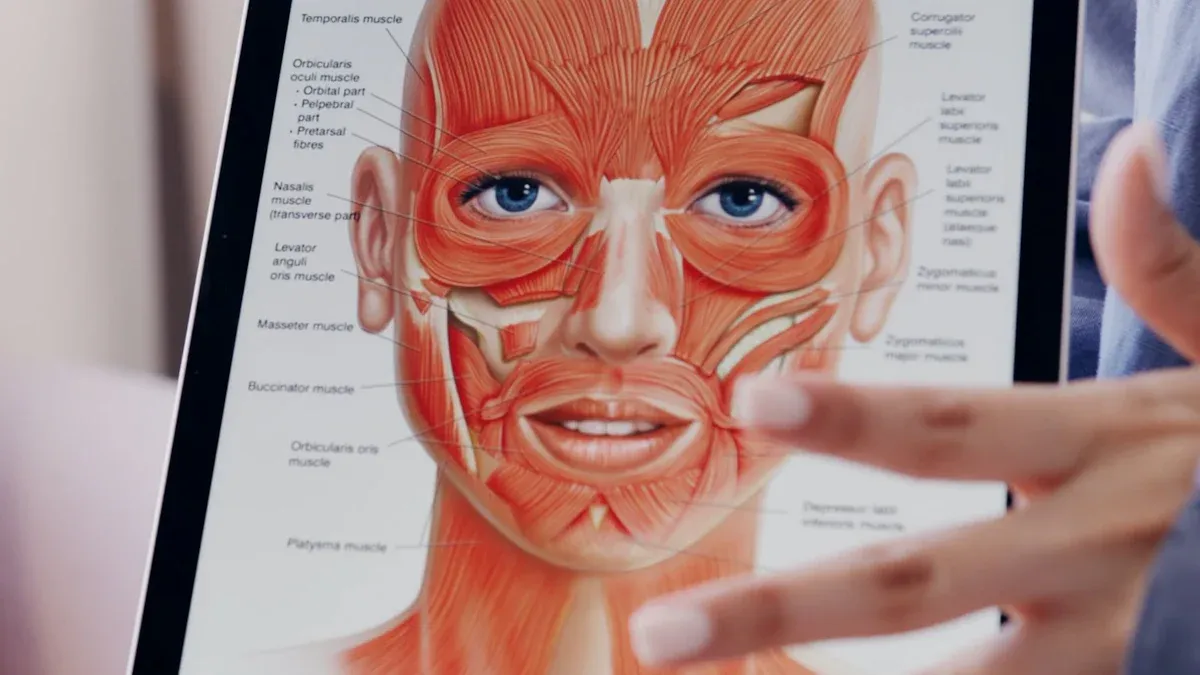
This section explores the many causes of bridge of nose pain. You can experience this discomfort for various reasons. Understanding these reasons helps you find the right treatment.
Sinus Pain: Common Causes
Sinus pain often leads to discomfort on your nose bridge. Your sinus cavities are air-filled spaces in your skull. When these become inflamed, you feel pain. This inflammation, called sinusitis, can come from different sources. Blockage of your sinus passage is a common issue. This blockage stops proper drainage. Mucus then builds up. This leads to pressure and pain. Seasonal or chronic allergies also cause sinus pain. A common cold can also trigger it.
Nasal polyps or a deviated septum can also block your sinus passages. Environmental factors like smog, air pollution, pollen, or dust can also irritate your sinuses. Underlying health issues, such as cystic fibrosis or a weak immune system, can also contribute. When you feel pain on bridge of nose and between your eyes, it often relates to your ethmoid sinuses.
Acute Sinus Infections
An acute sinus infection starts suddenly. It often follows a cold or allergies. Viruses, bacteria, or fungi can cause these infections. Viruses are the most common cause. When you have an acute sinus infection, your sinus linings swell. This traps mucus. You feel pressure and pain. This pain can be sharp or dull.
Chronic Sinus Infections
Chronic sinus infections last a long time. They continue for 12 weeks or more. You might feel tenderness or pressure. This pressure is often around your nose, eyes, and forehead. Sinus pressure can feel like a throbbing headache. You might also feel pressure behind your eyes, cheeks, or the bridge of your nose. This persistent inflammation can be due to allergies, polyps, or structural problems.
Allergic Rhinitis and Sinus Pressure
Allergic rhinitis is also known as hay fever. It happens when your immune system reacts to allergens. These allergens include pollen or dust mites. Your body releases substances like histamine.
This causes allergy symptoms. You can experience sinus pressure and nasal congestion. Allergic reactions can lead to sinusitis. You might have a stuffy nose and a sinus headache. These symptoms can feel similar to a sinus infection. However, allergies are a distinct condition. They cause inflammation and swelling around your nasal passages. This leads to mucus buildup and congestion. This often results in pressure around your eyes, cheeks, nose, or forehead.
Sinus Polyps
Nasal polyps are soft, painless growths. They grow on the lining of your nasal passages or sinuses. They are not cancerous. Large polyps or groups of polyps can block your nasal passages. This prevents proper drainage. This blockage causes sinus pain and pressure. You might feel this pressure as pain in the bridge of the nose. Polyps can also make you lose your sense of smell.
Trauma & Injury
Injuries to your nose are common causes of bridge of nose pain. Force exerted on your nose can cause external nasal trauma. Falls, sports injuries, car accidents, and physical assault are common causes. Internal nasal trauma happens when cartilage or blood vessels inside your nose get damaged. This can be from infections, nasal piercings, or nose picking.
Nasal Bone Fracture
A nasal bone fracture means a break or crack in the bones of your nose. This is a common injury. You will feel pain and see swelling on the bridge of your nose. Your nose might look crooked. You could also have bleeding, difficulty breathing, and bruising around your eyes. These symptoms appear right after the injury.
Nasal Cartilage Injury
Your nose has both bone and cartilage. Injury to the cartilage can also cause pain. A nasal fracture can involve the long piece of cartilage. This causes pain and swelling on the bridge of your nose. A septal nose perforation is a hole in the cartilage that divides your nasal passage. This can cause sinus pain in the nose bridge. Trauma, rhinoplasty, drug use, or even cancer can cause this. Even mild trauma can lead to post-traumatic nasal pain. This pain can sometimes appear long after the injury.
Post-Surgical Pain
You might experience pain after nose surgery. This is normal. The pain usually lessens over time. Your doctor will give you pain relief medicine. Follow their instructions for recovery.
Other Medical Causes
Beyond sinus issues and injuries, other medical conditions can cause discomfort on your nose bridge.
Migraines and Headaches
Migraines and other headaches can cause pain in your nose area. A sinus headache causes pressure and a dull ache. You can feel this around the bridge of your nose. This pain often worsens when you move your head suddenly or bend over. This is a symptom of sinusitis. Both sinus headaches and migraines can cause pressure on your forehead and cheeks. If you feel pressure around your eyes, cheeks, and forehead, it is more likely a migraine attack than a sinus headache.
Trigeminal Neuralgia
Trigeminal neuralgia is a chronic pain condition. It affects the trigeminal nerve. This nerve carries sensation from your face to your brain. You might feel sudden, severe facial pain. This pain can feel like an electric shock. It can affect your nose area.
Nasal Furunculosis
Nasal furunculosis is an infection. It looks like a large pimple or blister inside your nose. It often follows respiratory infections, heavy nose-blowing, or too much nose-picking. You might have crusting, discharge, and swelling. This infection can cause significant pain.
Sarcoidosis
Sarcoidosis is a disease where inflammatory cells grow. These cells form lumps called granulomas. They can appear in any organ. If they grow in your nose or sinuses, they can cause pain. This condition is often chronic. It comes from your immune system reacting to allergens or irritants.
Skin Conditions
Certain skin conditions can affect the skin on your nose. These can cause pain or discomfort. Examples include infections or inflammatory skin diseases.
Foreign Objects
Sometimes, a foreign object gets stuck in your nose. This is more common in children. The object can cause pain, blockage, and discharge. You need to remove it to stop the pain.
Diagnosing Bridge of Nose Pain
When you feel pain on your nose bridge, finding the cause is important. A correct diagnosis helps you get the right treatment.
When to Seek Medical Attention
You should see a doctor if your pain is severe or does not improve. Watch for these signs:
You have signs of a nasal infection. These include fever, pus drainage, or redness.
Your drainage is thin and yellow to clear. This could mean cerebrospinal fluid (CSF) leakage. This is serious. It might come with headache, nausea, vomiting, neck pain or stiffness, or changes in hearing.
Your pain worsens or does not get better with home remedies.
You have symptoms of a broken nose. These include a visibly crooked nose, trouble breathing, or bloody nasal drainage.
Medical History & Exam
When you visit an ENT specialist for nose pain, they will do a full check-up. They start by asking about your medical history. This includes your symptoms, what makes the pain worse, and past treatments. The doctor will ask many questions. For example:
Did you have a nose injury in the last two weeks?
Do you have an object in your nose?
Are you having trouble breathing?
Does your nose look swollen or crooked?
How bad is your pain?
Is your nose bleeding now?
Do you have a fever?
Imaging for Sinus Issues
Doctors use imaging tests to look inside your sinus. These tests help find problems.
X-rays
A sinus X-ray uses radiation. It shows details of your sinus. Doctors use it to find inflammation or fluid buildup. These issues appear as gray or white areas. A sinus X-ray can help if you have sinus problems. It can show pain or tenderness between your eyes. Normal sinus look like hollow black spaces. Inflamed sinus show as blocked with white discharge.
CT Scans
Computed tomography (CT) scans are very good for checking sinus cavities. They are the best way to image sinusitis. CT scans show if your sinus are blocked. Doctors use them if they suspect fungal sinusitis or tumors. They also find problems with your anatomy.
MRI Scans
MRI scans use magnets and radio waves. They create detailed images. Doctors use them for soft tissue problems or complex cases.
Endoscopy & Biopsy
Nasal endoscopy lets your doctor see inside your nose. They use a thin tube with a camera and light. This helps them look at your nasal passages and sinus openings. They can see inflammation, growths, or structural problems. This helps diagnose chronic sinusitis, nasal polyps, or other issues. Sometimes, they take a small tissue sample (biopsy) during the endoscopy.
Allergy Testing
Allergies can cause chronic sinus problems. Your doctor might suggest allergy testing. This helps find out if allergens trigger your sinus inflammation. Knowing your triggers helps you manage your symptoms.
Relief for Bridge of Nose Pain

You can find many ways to relieve pain on bridge of nose. This section covers immediate relief and long-term management. You have many effective treatment options. These options help reduce your discomfort. They also help you find long-term relief.
Home Remedies & Self-Care
You can often manage mild bridge of nose pain at home. These simple steps help ease your symptoms.
Warm Compresses
A warm compress can reduce swelling. It also opens your nasal passages. This helps promote sinus drainage. You can make one easily. Dampen a washcloth with warm water. Then, lie down. Place the washcloth on your forehead or across the bridge of your nose. Keep it there for 10-15 minutes. Repeat this as often as you need.
Nasal Saline Rinses
Nasal saline rinses help flush out mucus. They can relieve sinus pain. You can use tools like a Neti Pot. Mix salt and water for the solution. Here is how you perform a nasal rinse:
Fill your device with half of the saline solution.
Position your head over a sink or in the shower. Tilt your head sideways to the left. Breathe through your open mouth.
Gently pour or squeeze the solution into your right nostril. The solution should flow out of your left nostril.
Adjust your head tilt. This prevents the solution from entering your throat or ears.
Repeat the process on the opposite side.
Gently blow your nose. This clears any remaining water and mucus. After rinsing, gently blow your nose. Do not completely pinch your nose. This avoids pressure on your eardrums. If you feel comfortable, gently sniff any remaining solution. Do this once or twice. It helps clean the back of the passage. If solution reaches your throat, spit it out. To drain leftover solution, gently blow your nose. Tilt your head forward and to the opposite side of the recently rinsed passage.
Humidifiers & Steam Inhalation
Steam helps you breathe easier. It opens your nasal passages. The moisture from steam thins mucus. This can relieve sinus pressure. It also improves drainage. Warm steam reduces swelling and inflammation. This is a common symptom of sinusitis.
Steam can soothe the irritated lining of your nose and throat. You can breathe steam from warm water. A hot shower also helps. Humidifiers keep the air moist. This can also ease your sinus symptoms. A humidifying machine releases water vapor or steam. This prevents your nasal passages from becoming too dry. It thins mucus and reduces inflammation.
Rest, Hydration, & Head Elevation
Rest helps your body fight infection. It speeds your recovery. You should drink fluids like water or juice. This helps thin your mucus. You can also drink herbal teas or bone broth. Eat water-based fruits like watermelons and cucumbers. When you rest, elevate your head. Use pillows to prop your head up. This prevents mucus buildup. It allows comfortable breathing.
Dietary Aids (e.g., Spicy Foods)
Eating spicy foods can help clear your nasal passages. Try hot peppers or horseradish. Vitamin C may also help. It can fight sinus infection. It reduces inflammation. It may shorten the duration of your symptoms. You can also try acupressure. Place your index fingers on the bridge of your nose. Find the area between your nasal bone and the corner of your eyes.
Hold firm pressure there for about 15 seconds. Then, stroke downward along the side of the bridge of your nose. Repeat these slow downward strokes for about 30 seconds. This can trigger relief from sinus pain.
Preventing Future Bridge of Nose Pain
You can take proactive steps to avoid future bridge of nose pain. These strategies focus on maintaining nasal health and preventing common triggers.
Allergy Management
Managing your allergies is crucial for preventing nasal discomfort. You can use several methods to alleviate nasal congestion and potential pain. Consider using a humidifier. Both warm-mist and cool-mist humidifiers can relieve sinus congestion and pain. Always use distilled water and clean your humidifier daily. This prevents irritation and the growth of bacteria or mold. When you sleep, elevate your head. Use extra pillows. Gravity helps drain mucus and reduces inflammation. This prevents congestion from worsening at night.
Avoiding Irritants
You should avoid irritants to protect your nasal passages. Stay away from cigarette smoke and areas with high air pollution. If you smoke, quitting can soothe your sinuses and prevent inflammation. Limit your exposure to chlorinated pools. Chlorine can irritate nasal passages. Use nose clips if you swim.
Proper Nasal Hygiene
Good nasal hygiene helps prevent sinus problems. Wash your hands thoroughly and regularly with soap and water for at least 20 seconds. Use an alcohol-based hand sanitizer if soap and water are not available. Avoid close contact with sick individuals. Maintain a healthy lifestyle. Eat a nutritious diet, get adequate sleep, and exercise regularly. Limit alcohol consumption. These habits boost your immunity. Consider vaccinations. The pneumonia vaccine protects against common bacteria causing sinus disease. Flu and COVID boosters are also important.
Protecting Your Nose from Injury
Protecting your nose from injury is important. Wear appropriate protective gear during sports or activities where facial impact is possible. Be mindful of your surroundings to prevent accidental bumps or falls.
Pain on bridge of nose can stem from various causes. Sinus issues are a significant contributor. You need an accurate diagnosis for effective treatment. Sinusitis often resolves within four weeks. Medicines can aid recovery from sinusitis. If you have persistent sinus pain, or if your pain is severe, seek professional medical advice. Also see a doctor if you have other concerning symptoms. Effective relief and management strategies exist for pain in the bridge of the nose. You can find solutions for your pain in the bridge of the nose and related sinus discomfort, even with chronic sinusitis


