

Pancreatitis significantly impacts digestion, leading to noticeable changes in stools. The pancreas produces vital digestive enzymes. Pancreatitis, an inflammation of the pancreas, disrupts this crucial pancreatic function. This impairment affects nutrient absorption. This blog explores specific changes in stools, such as steatorrhea, pale stools, and diarrhea. These occur due to impaired pancreatic enzyme production.
They signal health issues. Recognizing these indicators is important for timely medical consultation. Both acute pancreatitis and chronic pancreatitis often present with these pancreatic issues. Acute pancreatitis and chronic pancreatitis both cause these changes. The pancreas’s health directly affects nutrient processing. Pancreatitis requires careful attention to these stool changes.
Key Takeaways
Pancreatitis is when your pancreas is inflamed. This stops it from making enzymes. These enzymes help your body digest food.
Fatty stools, called steatorrhea, are a key sign. They look greasy and float. This happens because your body cannot break down fats.
Stools can also be pale or clay-colored. This means bile is not reaching your intestines. Bile gives stools their brown color.
Diarrhea is common with pancreatitis. It happens because food is not digested well. This can lead to weight loss.
See a doctor if you have these stool changes. Early help is important for your health.
Pancreatitis and Digestive Function
Pancreas’s Role in Digestion
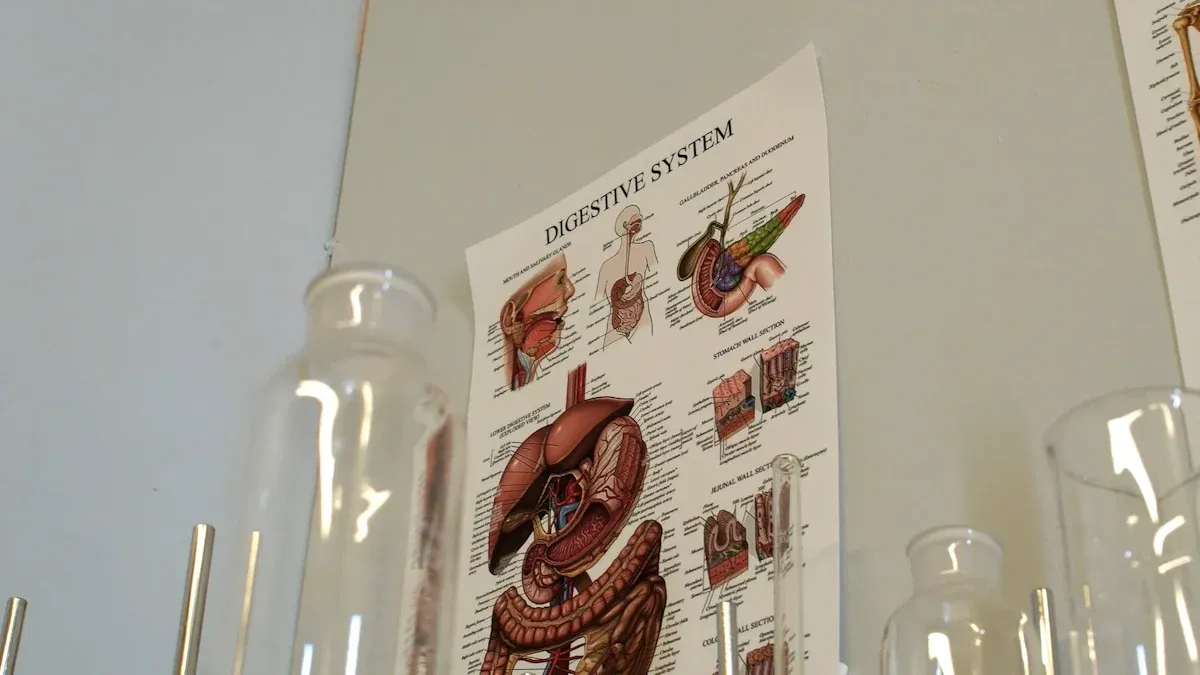
The pancreas is a vital organ. It sits behind the stomach. This gland plays a crucial role in the digestive system. It produces important substances for digestion. These substances are called pancreatic enzymes. Pancreatic enzymes break down food. They help the body absorb nutrients. Without these enzymes, food cannot break down properly. The pancreas also makes hormones like insulin. These hormones control blood sugar. But its digestive function is key for nutrient absorption.
The pancreas produces specific enzymes:
Lipase: This enzyme works with bile. It breaks down fat molecules. The body then absorbs these fats.
Protease: This enzyme breaks down proteins. It also helps keep the intestine free of parasites.
Amylase: This enzyme breaks down carbohydrates. It turns starch into sugars. This makes sugars easier to absorb.
How Pancreatitis Affects Enzyme Production
Pancreatitis is inflammation of the pancreas. This inflammation damages the pancreas. It reduces the organ’s ability to produce essential pancreatic enzymes. Both acute pancreatitis and chronic pancreatitis cause this damage. Acute pancreatitis happens suddenly. Chronic pancreatitis develops over time. It causes lasting damage.
Many factors can lead to pancreatitis. These are the causes of pancreatitis. For example, gallstone pancreatitis occurs when gallstones block the pancreatic duct. This blockage leads to inflammation. Other causes of pancreatitis include:
Chronic pancreatitis itself, which leads to ongoing damage.
Cystic fibrosis, a top cause in children. It blocks enzymes from reaching the small intestine.
Celiac disease.
Diabetes.
Inflammatory bowel disease (IBD).
Pancreatic cancer.
Surgery on the digestive tract.
Shwachman-Diamond syndrome, an inherited condition.
When the pancreas is inflamed, its cells get damaged. These cells normally make the digestive enzymes. Damaged cells make fewer enzymes. This leads to problems with food digestion. The body cannot properly break down fats, proteins, and carbohydrates. This enzyme deficiency causes many of the stool changes seen with pancreatitis.
Key Changes in Stools with Pancreatitis

Pancreatitis significantly alters the digestive process. This leads to distinct changes in a person’s stools. These changes provide important clues about the health of the pancreas. Both acute pancreatitis and chronic pancreatitis can cause these issues.
Steatorrhea: Fatty Stools in Pancreatitis
Steatorrhea is a common and noticeable change in stools for people with pancreatitis. It means there is too much fat in the stool. This happens because the pancreas cannot produce enough lipase, a pancreatic enzyme that breaks down fats. When fats are not digested, they pass through the body and end up in the stools.
Steatorrhea has several distinct characteristics:
Greasy or Oily Appearance: The stools often look shiny or oily. A film of oil might appear on the toilet water. This is undigested dietary fat.
Bulky and Large Volume: These stools are typically larger than normal. They have increased bulk.
Pale Color: They often appear pale, light brown, or even yellowish.
Foul-Smelling: Steatorrhea usually has a very strong, unpleasant odor.
Floating: The high fat content makes the stools less dense. They often float in the toilet bowl.
Difficult to Flush: Their greasy nature makes them sticky. They can cling to the toilet bowl, making them hard to flush away.
Visual observation of feces helps detect steatorrhea. Experienced doctors often use this method. Fecal output might exceed 200 grams per day. The fecal fat concentration can also exceed 4%. These are clear signs of fat malabsorption due to issues with the pancreas.
Pale or Clay-Colored Stools
Another common change in stools with pancreatitis is a pale or clay-colored appearance. This color change indicates a problem with bile flow. Bile gives normal stools their brown color.
Impaired bile flow, also called cholestasis, prevents bilirubin from reaching the intestines. Bilirubin is the substance responsible for the normal brown coloration of stools. When its passage is blocked, it cannot be eliminated through stools. This leads to light-colored or pale stools. This can happen if inflammation from pancreatitis blocks the bile duct.
Diarrhea and Loose Stools
Diarrhea is a frequent symptom for individuals with pancreatitis. It often accompanies other stool changes. Diarrhea associated with pancreatitis, especially chronic pancreatitis, is characterized by fatty stools. The pancreas produces fewer digestive enzymes. This enzyme deficiency leads to malabsorption of fats in the small intestine. Excess fats then pass into the stools. This process can result in chronic diarrhea, weight loss, and malnutrition.
These loose stools can be:
Watery: They have a high water content.
Oily: They may have an oily sheen due to undigested fats.
Foul-Smelling: The presence of undigested food and fats causes a strong, unpleasant odor.
When the pancreas is damaged, it cannot produce enough digestive enzymes. This impairs the body’s ability to digest fats. Undigested fats cannot be used by the body. They must be expelled through stools. This condition is steatorrhea. Steatorrhea indicates digestive system dysfunction. It often points to pancreatic issues. Stools in steatorrhea can be pale, foul-smelling, greasy, sticky, hard to flush, and loose or runny with increased bulk.
In Exocrine Pancreatic Insufficiency (EPI), the body fails to break down carbohydrates, proteins, and fats into absorbable substances. Undigested and unabsorbed food remains in the digestive tract. This leads to various uncomfortable gastrointestinal symptoms, including loose stools.
Other Stool Characteristics
Beyond steatorrhea, pale stools, and diarrhea, other characteristics can signal problems with the pancreas. These are often related to the malabsorption caused by pancreatitis.
Other unusual stool characteristics include:
Large Volume Stool: As mentioned, stools can be bulky due to undigested food.
Oily or Greasy Consistency: This is a hallmark of fat malabsorption.
Foul Odor: The smell is often very strong and unpleasant.
Stools that Float and are Difficult to Flush: This is due to the fat content.
Light-colored and Floating Stool: This indicates poor nutrient absorption because the pancreas malfunctions.
These changes in stools are common indicators of impaired digestion. They are especially prevalent in chronic pancreatitis. Recognizing these signs helps in understanding the impact of pancreatitis on the body.
The Science Behind Pancreatic Stool Changes
Fat Malabsorption and Steatorrhea
Pancreatitis causes significant changes in stools. These changes stem from the pancreas’s inability to produce enough digestive enzymes. Fat malabsorption is a primary issue. It leads directly to steatorrhea. Pancreatic exocrine insufficiency (PEI) is the main cause of fat malabsorption in pancreatitis. This condition involves a large drop in pancreatic enzyme activity, especially lipase, inside the intestine. Lipase output must fall to 5-10% of its normal level for this to happen.
Chronic pancreatitis often causes this reduction. A continuous destructive process replaces healthy tissue with fibrotic tissue. Intraductal calcifications can also block the pancreatic duct. This blockage stops pancreatic enzymes from reaching the intestine. The result is deficient lipase activity. This then causes steatorrhea.
Insufficient lipase and colipase impair lipid hydrolysis. This condition is pancreatic exocrine insufficiency. Chronic pancreatic inflammation and the loss of acinar cells most often cause this. Steatorrhea happens when pancreatic lipase secretion drops below 10% of its maximum output. Fat digestion relies mainly on pancreatic lipase and colipase. When lipase is not enough, lipid hydrolysis does not work well. This leads to fat maldigestion. This often occurs in advanced chronic pancreatitis. In this stage, acinar cells are damaged or destroyed. Sometimes, the pancreatic duct is completely blocked.
Several factors make lipase particularly vulnerable:
Fat digestion depends heavily on pancreatic lipase and colipase.
Lipase output decreases earlier and more significantly as chronic pancreatitis gets worse compared to other pancreatic enzymes.
Lipase is more easily destroyed by acid. Reduced bicarbonate secretion in chronic pancreatitis lowers the duodenal pH. This inactivates lipase.
A low duodenal pH also causes bile salts to clump together. This stops micelle formation. It further harms lipid digestion.
Lipase is more easily digested and broken down by pancreatic proteases than other digestive enzymes.
Protein and Carbohydrate Malabsorption
Pancreatitis also affects the digestion of proteins and carbohydrates. This leads to further malabsorption of nutrients. The pancreas produces proteases to break down proteins. When the pancreas is inflamed, it makes fewer proteases. This causes protein maldigestion.
Protein malabsorption has several consequences:
Protein malnutrition occurs due to fewer proteases.
Lower levels of serum proteins, such as albumin, prealbumin, and retinol-binding protein, show protein-calorie malnutrition.
Individuals often have a lower body mass index (BMI) and a poor quality of life.
Inflammation and a catabolic state worsen, especially when protein is lacking.
Chronic inflammation impairs protein use.
Chronic pancreatitis can cause severe abdominal pain. It also leads to exocrine pancreatic insufficiency and pancreatogenic diabetes. All these issues can make it hard to eat and digest food. This results in weight loss, various nutrient deficiencies, and overall malnutrition. Malnutrition in chronic pancreatitis is complex. It involves both macronutrients and micronutrients. This can lead to weight loss and sarcopenia. The condition can cause maldigestion and malabsorption of carbohydrates, protein, and fat. This happens because of the ongoing loss of exocrine acinar cells and reduced production of pancreatic enzymes by the pancreas.
Carbohydrate malabsorption also contributes to changes in stools. When the pancreas does not produce enough amylase, carbohydrates do not break down properly. Unabsorbed sugars increase the osmotic load in the intestines. This draws water into the gut. This increased water volume speeds up intestinal passage. Bacteria in the colon ferment these unabsorbed sugars. This produces gas and causes diarrhea. The colon’s ability to absorb extra water also affects how much diarrhea develops.
Carbohydrate malabsorption can manifest in specific stool characteristics:
Stool pH is less than 5.5. Carbohydrate fermentation causes this.
Glucose or other sugars, like sucrose and starches, are present in the stools.
This can lead to watery diarrhea, dehydration, and acidosis, especially in infants.
Carbohydrates cause the colon to move faster in a dose-dependent way. The unabsorbed osmotic load of carbohydrates and short-chain fatty acids mainly influences stool weight. Stool consistency changes based on its makeup. Diarrhea can happen when too many carbohydrates enter the colon. It can also occur when there is not enough time for their metabolism and absorption of organic acids and electrolytes.
When to Seek Medical Help for Pancreatitis Symptoms
Recognizing Warning Signs
Recognizing the warning signs of pancreatitis is crucial for timely medical intervention. Individuals should seek medical attention if they experience persistent or worsening symptoms. These symptoms often include significant changes in stool characteristics. Other concerning indicators accompany these stool changes. For example, many people experience chronic weight loss, even when they maintain normal eating habits. They may also have diarrhea, nausea, and vomiting.
Other common symptoms of pancreatitis include feeling sick (nausea) or being sick (vomiting). People might also experience diarrhea, feeling bloated, or farting a lot. Some individuals report feeling thirsty or needing to pee a lot.
Unexplained weight loss without trying to lose weight is another significant sign. The presence of severe abdominal pain, often radiating to the back, is a hallmark symptom of pancreatitis. This pain can be constant or come and go. Any new or worsening pain in the abdomen warrants a doctor’s visit. These symptoms of pancreatitis indicate a problem with the pancreas.