
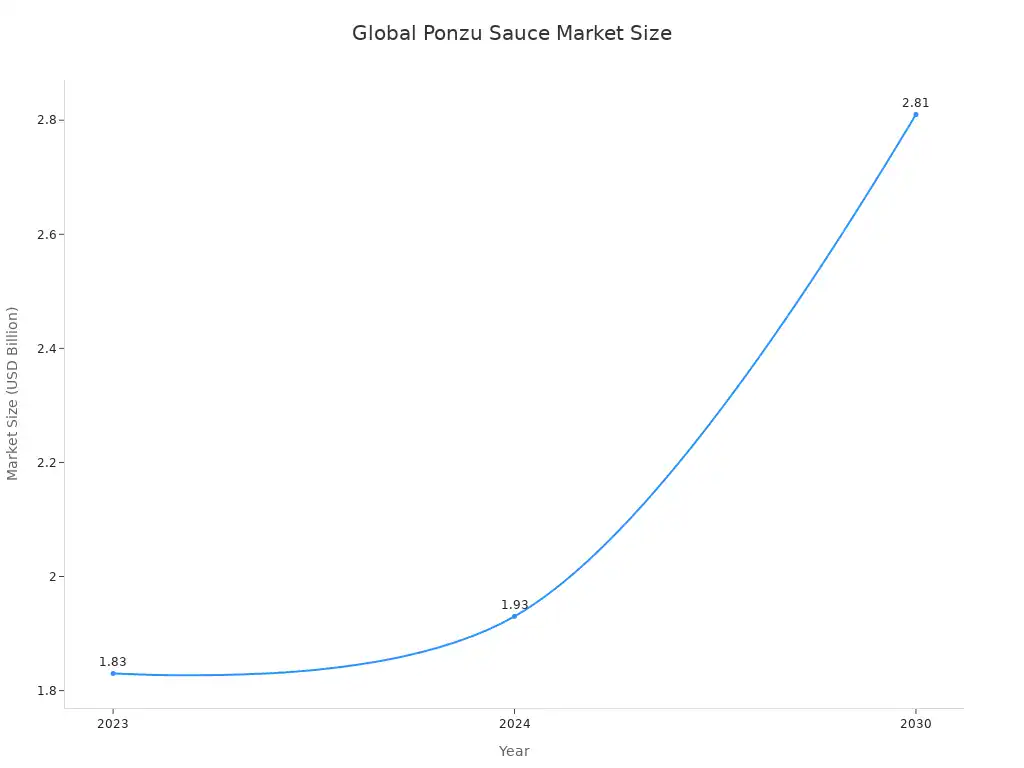
Ponzu sauce holds a special place in Japanese cuisine. This versatile Japanese condiment offers a vibrant, tangy, and savory flavor. You will find ponzu sauce brightens many dishes. Its unique taste profile makes ponzu a kitchen essential. The global appeal of ponzu is also growing significantly.
This citrus-based ponzu sauce adds an exciting dimension to your cooking. Understanding the distinctive flavor of ponzu, its diverse uses, and the nutritional value of ponzu sauce helps you master this amazing ponzu. This ponzu offers a unique flavor experience.
Key Takeaways
Ponzu sauce is a Japanese sauce. It tastes tangy and savory. Citrus fruits give it a bright flavor.
You can use ponzu sauce in many ways. It is good for dipping, marinating, and dressing salads. It adds a fresh taste to cooked foods.
Ponzu sauce has a unique flavor. It mixes tangy citrus, savory umami, and a balance of sweet and salty tastes. This makes it special.
You can make ponzu sauce at home. This lets you control the ingredients. You can also adjust the salt and sweetness to your liking.
Understanding Ponzu Sauce
What is Ponzu Sauce
Ponzu sauce is a traditional Japanese citrus-based condiment. You find it known for its tangy, bright, and savory flavor profile. This classic ponzu offers a refreshing taste. It stands apart from other Japanese sauces. You might wonder how ponzu sauce differs from common soy sauce or even yuzu sauce.
Consider these key differences:
Characteristic | Ponzu Sauce | Soy Sauce |
|---|---|---|
Flavor Profile | Lighter, refreshing, citrusy tang, bright, zesty, sweet | Rich, savory umami, sharp, salty |
Key Ingredients | Citrus juice (yuzu, sudachi, kabosu), soy sauce (in ponzu shoyu), sugar/mirin, katsuobushi, kombu, rice vinegar, dashi | Soybeans, wheat, salt |
Heat Resistance | Less heat-resistant; best added at the end of cooking or served uncooked | Handles heat exceptionally well; ideal for cooking at any stage |
Typical Uses | Finishing sauce, marinade, dipping sauce, salad dressing | All-purpose seasoning, cooking |
Ponzu sauce has a tart, lip-smacking quality with citrus notes. It also has a savory depth. This comes from the dashi. Yuzu sauce, while citrusy, lacks this savory depth. The ingredients also set it apart. Ponzu combines citrus juice, rice vinegar, broth-like dashi, sweet mirin, and soy sauce. Yuzu sauce is mostly yuzu juice. You will also notice the appearance. Ponzu is much darker. Yuzu sauce is typically yellow- or green-tinged. This traditional japanese sauce brings a unique taste to your dishes.
Brief History and Origin
The history of ponzu sauce is quite interesting. The term ‘ponzu’ entered the Japanese language as ‘ponsu’. This word came from the Dutch word ‘pons’. ‘Pons’ referred to a beverage made from fruit juices, like a punch. The sour taste of the sauce led to the final ‘-su’ being written with the character ‘酢’ (su). This character means ‘vinegar’.
Ponzu sauce originated in Japan during the 16th century. Portuguese culture influenced its creation. The Dutch word ‘pons’ means a mix of several ingredients. This historical development made ponzu a staple in Japanese cuisine. The ‘pons’ cocktail came to Japan from the Netherlands during the Edo period (1603-1688). The citrus juice in this drink became known as ‘ポンス’ (pons). Later, the ‘ス’ (s) part of ‘pons’ changed to the kanji ‘酢’ (su), meaning ‘vinegar’. This gave us ‘ポン酢’ (ponzu) for the sauce.
Ponzu was first made in Dejima, Nagasaki, during the Edo period. The name ‘ponzu’ itself means ‘vinegar punch’ in Japanese. This reflects its tangy, citrusy profile. It first became popular in Kyushu. It was a seasoning that added a Japanese twist to fruit juice. However, people did not widely use seasoned ponzu at home until the 1950s. This was due to oxidation issues. A big change happened in 1964. A major food manufacturer successfully developed and sold flavored ponzu sauce for home use. This started in the Kansai region. By 1967, it spread nationwide. This established classic ponzu as a common household seasoning.
Ponzu Flavor Profile
Ponzu offers a truly unique flavor. You will find its taste quite distinctive. This special taste profile makes ponzu a favorite. It balances many different elements. You experience tangy, savory, sweet, and salty notes all at once. This creates a complex flavor profile.
Tangy Citrus Notes
The first thing you notice about ponzu is its bright tanginess. This comes from fresh citrus juices. These juices give ponzu its refreshing taste. They provide a zesty, tart kick. You will find this citrusy flavor awakens your palate.
Specific citrus fruits contribute to this characteristic tanginess.
Yuzu offers a complex flavor profile. It combines sourness with herbal and floral notes. Yuzu also has a touch more sweetness than a lemon.
Kabosu is similar to a lemon in acidity. Kabosu also provides a slight sweetness. This sweetness reminds you of yuzu.
Sudachi has a lemon-like acidity. It also gives a robust herbal flavor with spicy undertones.
These fruits create the signature bright and tart taste of ponzu. This tangy depth is a key part of the ponzu experience.
Umami Richness
Beyond the citrus, ponzu also delivers a deep umami taste. Umami is often called the “fifth taste.” It is a savory, satisfying depth. This umami richness makes ponzu so appealing. You will find this savory depth rounds out the bright citrus.
Several ingredients contribute to this umami. Traditional ponzu sauce often includes:
Shiitake mushrooms
Konbu seaweed
Bonito flakes
These ingredients are often part of dashi. Dashi components significantly enhance the umami profile of ponzu sauce. Bonito flakes (Katsuobushi) infuse a smoky flavor and abundant umami. Additionally, kelp (Kombu), another marine element, introduces a briny taste along with extra umami. This combination gives ponzu its profound savory depth. The overall taste becomes much richer.
Sweet and Salty Balance
Ponzu achieves a wonderful balance between sweet and salty. This balance makes its taste so harmonious. You will find no single flavor overpowers the others. This careful blend creates a well-rounded taste profile.
Mirin and soy sauce are key to this balance. Mirin provides subtle sweetness in ponzu. Soy sauce contributes to its characteristic salty profile. The recipe ratios show soy sauce as the main salty component. Mirin is a key ingredient for sweetness. You can adjust these to get your desired sweetness levels.
The flavor of citrus in ponzu is balanced by soy sauce and mirin. The ingredients for this balance include:
Dark soy sauce (water, soybean, wheat, salt, alcohol)
Mirin (rice, rice koji, brewing alcohol, starch)
This combination ensures a perfect sweet and salty depth. For example, a 15g serving of Yuzu ponzu contains 2g of sugar. Kikkoman Ponzu Sauce typically has 1g of total sugars, including 1g of added sugars. This shows the controlled sweetness. This careful balance makes ponzu a versatile condiment. You will enjoy its complex taste.
Ways to Use Ponzu

You will find many ways to use ponzu in your kitchen. This versatile ponzu sauce enhances many dishes. Its bright, tangy flavor makes it a kitchen essential. You can easily incorporate ponzu into your daily cooking. Discover how this unique condiment can transform your meals.
Dipping Sauce Applications
Ponzu shines as a dipping sauce. Its refreshing taste complements rich foods. You can use ponzu for many traditional Japanese dishes. These include:
Shabu-Shabu (a type of pot dish)
Gyoza dumplings
Cold noodles
Sashimi
Tataki
The citrus in ponzu sauce cuts through richness. This makes ponzu a perfect accompaniment. You will enjoy its bright finish. It is a popular dipping sauce for grilled meats and seafood too.
Marinades and Dressings
Ponzu also makes a good marinade. You can marinate seafood, chicken, or beef before cooking. The citrus in ponzu tenderizes meats. It adds a tangy depth. This ponzu marinade infuses great flavor into your ingredients. You can also whisk ponzu with olive oil and a touch of honey for a vibrant salad dressing. This simple dressing elevates any green salad or vegetable dish.
Enhancing Cooked Dishes
You can drizzle ponzu over grilled fish or pan-seared scallops. It brightens roasted vegetables like asparagus or broccoli. A splash of ponzu sauce elevates stir-fries or noodle dishes. You will find ponzu adds a fresh, zesty finish to cooked dishes. It brings a burst of flavor without overpowering other ingredients. This makes ponzu a secret weapon for many chefs.
Creative Culinary Uses
Explore other creative culinary uses for ponzu. You can mix ponzu into cocktails for a zesty kick, especially with gin or vodka. Try it in homemade sauces for a unique twist on classic recipes. Ponzu adds a distinctive flavor to vinaigrettes or even homemade mayonnaise. These culinary uses show its adaptability across various cuisines. You can even use ponzu sauce in glazes for poultry or vegetables. Its diverse culinary uses make ponzu a truly versatile ingredient in your pantry.
Ponzu Key Ingredients
You understand ponzu’s unique flavor. Now, let’s explore the ingredients that create this special taste. Each component plays a vital role in making ponzu sauce so distinctive.
Citrus Fruits
Citrus fruits give ponzu its signature tang. These fresh juices provide a bright, zesty kick. You will find different citrus varieties contribute unique notes to ponzu.
Citrus | Flavor Profile |
|---|---|
Kabosu | Refreshing tartness, lighter aroma than sudachi. Ideal for ponzu. |
Yuzu | Tart citrus, but when green, it is not as fragrant or juicy. Can be used for ponzu. |
Sudachi | Tangy-sour with tangerine-like overtones. |
Both (Sudachi & Kabosu) | Lighter and less acidic than lemon or lime, described as ‘sawayaka’ (invigorating, refreshing). When mixed with soy sauce and dashi, they create a memorable ponzu sauce. |
These citrus fruits are essential for the vibrant flavor of ponzu.
Soy Sauce and Mirin
Soy sauce provides the savory, salty foundation for ponzu. Mirin adds a subtle sweetness. Together, they create a balanced flavor profile. Many ponzu recipes use a specific ratio for these two.
Ingredient | Quantity |
|---|---|
Shoyu (Japanese soy sauce) | 1/2 cup |
Mirin (Dashi Base) | 5 tsp |
Mirin (Ponzu Components) | 5 tsp |
This combination forms the savory soy sauce base of ponzu.
Dashi and Umami Boosters
Dashi is a Japanese broth. It brings a deep umami flavor to ponzu. You often find dashi made from kombu (kelp) and katsuobushi (bonito flakes). These ingredients boost the savory depth of ponzu. They make the ponzu sauce richer.
Vinegar and Sweeteners
Vinegar adds another layer of tartness to ponzu. It enhances the citrus notes.
Rice vinegar: Commonly found in store-bought ponzu, it contributes to sweetness and acidity.
Vinegar is a key ingredient in ponzu sauce. The proportion of vinegar used directly influences the tartness of the sauce; a higher amount leads to a more robust tart flavor. Sweeteners, like mirin or a touch of sugar, balance the tartness. They ensure the ponzu has a harmonious flavor.
Nutritional Profile of Ponzu Sauce
You might wonder about the nutritional content of ponzu. Understanding what you consume helps you make informed choices. Ponzu sauce offers a unique flavor, but you should also know its nutritional breakdown.
Calorie and Macronutrient Breakdown
Ponzu sauce is generally low in calories. A tablespoon of ponzu sauce contains about 10 calories. This makes ponzu a light option for adding flavor to your meals. You also find specific macronutrients in each serving.
Here is a typical breakdown for one tablespoon (15ml) of ponzu:
Nutrient | Amount Per Serving (1 Tbsp / 15ml) |
|---|---|
Protein | <1g |
Total Fat | 0g |
Total Carbohydrate | 2g |
You can see that ponzu contains very little fat. It provides a small amount of carbohydrates and protein. This makes ponzu a condiment that adds taste without many extra calories or fat.
Vitamins and Minerals
Ponzu does not offer many vitamins or minerals. You will find no significant amounts of Vitamin C, Vitamin A, or most B vitamins. Minerals like calcium, iron, and potassium are also not present in large amounts. Most brands of ponzu sauce show no quantifiable amounts of these nutrients. The only mineral you find in a notable amount is sodium.
Sodium Content and Health
Ponzu sauce contains sodium. A typical tablespoon of ponzu sauce has around 400 mg of sodium. Some brands, like Kikkoman Ponzu Citrus Seasoned Dressing & Sauce, show 480mg per tablespoon. Mikee ponzu sauce can have up to 530mg per tablespoon. This amount is about 17% of your daily recommended value. You should be careful with your intake. If you have high blood pressure, you should limit ponzu. People on low-sodium diets also need to watch their consumption of ponzu. Excessive sodium intake can lead to elevated blood pressure.
Homemade vs. Store-Bought
When you make ponzu at home, you control the ingredients. This means you can adjust the sodium levels. You can choose low-sodium soy sauce or reduce the overall amount. Store-bought ponzu sauce often has higher sodium. Making your own ponzu gives you more control over its nutritional profile. You can also experiment with different citrus fruits to customize the flavor of your homemade ponzu.
Ponzu Sauce Recipe
You can easily make your own ponzu at home. This homemade ponzu sauce allows you to control the flavors. Making your own ponzu is a rewarding experience. Here is a basic ponzu sauce recipe.
Essential Ingredients
You need a few key ingredients for your ponzu. You can choose from different combinations. These options help you create your perfect ponzu.
Ingredient | Measurement (Option 1) | Measurement (Option 2) |
|---|---|---|
Soy sauce | 0.25 c | 1/2 cup |
Mirin | 2 tsp | 2 Tablespoons |
Citrus juice | 2 tbsp | 1/4 cup |
Water | 2 tbsp | |
Rice wine vinegar | 2 tbsp | |
Dry sake | 1.5 tbsp | |
Dashi or vegetable broth | 1/4 cup | |
Granulated sugar | 1 teaspoon |
Step-by-Step Preparation
First, prepare your dashi. This forms the umami base for your ponzu.
Kombu Soaking: Soak kombu for at least 30 minutes. You can also soak it overnight. This rehydrates the kombu. It releases umami.
Kombu Removal: Remove the kombu just before the water boils.
Katsuobushi Steeping: Add katsuobushi to simmering water. Steep for about 1 to 2 minutes for stovetop dashi. For cold brew dashi, steep for 8 to 24 hours.
You can also steep used bonito flakes in your ponzu sauce. This enhances its umami flavor. Next, combine all other ingredients from your chosen recipe. Gently heat the mixture. Do not boil it. This helps the flavors meld. Let the ponzu cool completely. Then, strain it to remove any solids. Your fresh ponzu is ready.
Customizing Your Ponzu
You can easily customize your ponzu. Adjust the citrus type. Use yuzu, sudachi, or kabosu for different flavor notes. For a vegetarian ponzu sauce, use vegetable broth instead of dashi made with katsuobushi. This creates a delicious vegetarian ponzu sauce. You can also adjust the sweetness. Add more mirin or a touch of sugar if you prefer a sweeter ponzu. Experiment with different vinegars. Rice wine vinegar is common. Try apple cider vinegar for a different tang. Making your own ponzu lets you create an authentic ponzu sauce tailored to your taste.
Ponzu Storage and Purchase
Proper Storage for Freshness
You want to keep your ponzu fresh. Proper storage ensures its vibrant flavor lasts. Store-bought ponzu sauce usually comes in a sealed bottle. You should refrigerate it immediately after opening. This helps maintain its quality and prevents spoilage. Always check the label for specific storage instructions. Most commercial ponzu contains preservatives. These help it last longer, often for several months in the refrigerator.
Homemade ponzu requires more careful handling. You should store homemade ponzu in an airtight glass container. Keep it in the refrigerator. Some experts suggest consuming homemade ponzu within one week for optimal freshness and safety. This shorter shelf life is due to the absence of preservatives found in commercial versions. However, if you prepare it carefully, using pasteurized ingredients and thoroughly straining out any solids, homemade ponzu can last up to 6 months when refrigerated. Always trust your senses. If your ponzu smells off, looks cloudy, or shows any signs of mold, you should discard it immediately.
Identifying Quality Products
When you buy ponzu, you want to choose a high-quality product. Read the ingredient list carefully on the bottle. High-quality ponzu sauce uses real citrus juices. Look for specific names like yuzu, sudachi, or kabosu. Avoid products that list artificial flavors, colors, or excessive amounts of high-fructose corn syrup. A good ponzu will clearly list soy sauce, citrus, and dashi components. These ingredients are key to its authentic taste and umami depth. The color should be a rich, dark brown, and the liquid should appear clear, not murky. A clear, bright appearance often indicates good quality and proper filtration. You want a ponzu that offers a balanced flavor profile, with both a refreshing tang and a satisfying umami.
Popular Brands and Varieties
Many brands offer excellent ponzu. Kikkoman is a widely available brand. It makes a popular ponzu sauce that you can find in most grocery stores. Mizkan is another well-known name in Japanese condiments. You can find different varieties of this versatile condiment. Some are specifically labeled as yuzu ponzu. This type highlights the distinct, aromatic flavor of yuzu citrus. Other options might feature different citrus fruits or a blend. Explore these varieties to find your favorite. Each brand and type offers a slightly different taste and acidity level. This allows you to choose the best ponzu for your specific culinary needs and preferences.
You now understand ponzu sauce. This versatile Japanese condiment offers a distinctive flavor. Its wide range of uses makes ponzu a kitchen essential. You also learned about ponzu’s nutritional aspects. We encourage you to experiment with ponzu in your own cooking. See how this unique ponzu sauce elevates various dishes. The bright flavor of ponzu will transform your meals. Ponzu’s growing popularity shows its culinary potential. This makes ponzu a true kitchen essential. You will find many uses for ponzu sauce. This amazing ponzu brings a great flavor. Try this ponzu sauce today.
FAQ
What is the main difference between ponzu and soy sauce?
Ponzu has a citrus base. It offers a tangy, bright flavor. Soy sauce is purely savory. It provides a salty, umami taste. You use ponzu for a refreshing zest. You use soy sauce for deep savory notes.
What does “ponzu” mean?
The word “ponzu” comes from Dutch. It means “punch.” The “su” part means “vinegar” in Japanese. So, “ponzu” refers to a citrus-based vinegar sauce. It highlights its tangy nature.
What is ponzu shoyu?
Ponzu shoyu is ponzu sauce with added soy sauce. Many people call it just “ponzu.” The “shoyu” means soy sauce. This version is more common. It combines citrus tang with savory soy sauce.
What kind of citrus is typically in ponzu?
Ponzu often uses Japanese citrus fruits. These include yuzu, sudachi, and kabosu. These fruits give ponzu its unique tangy and aromatic notes. They are less acidic than lemons.