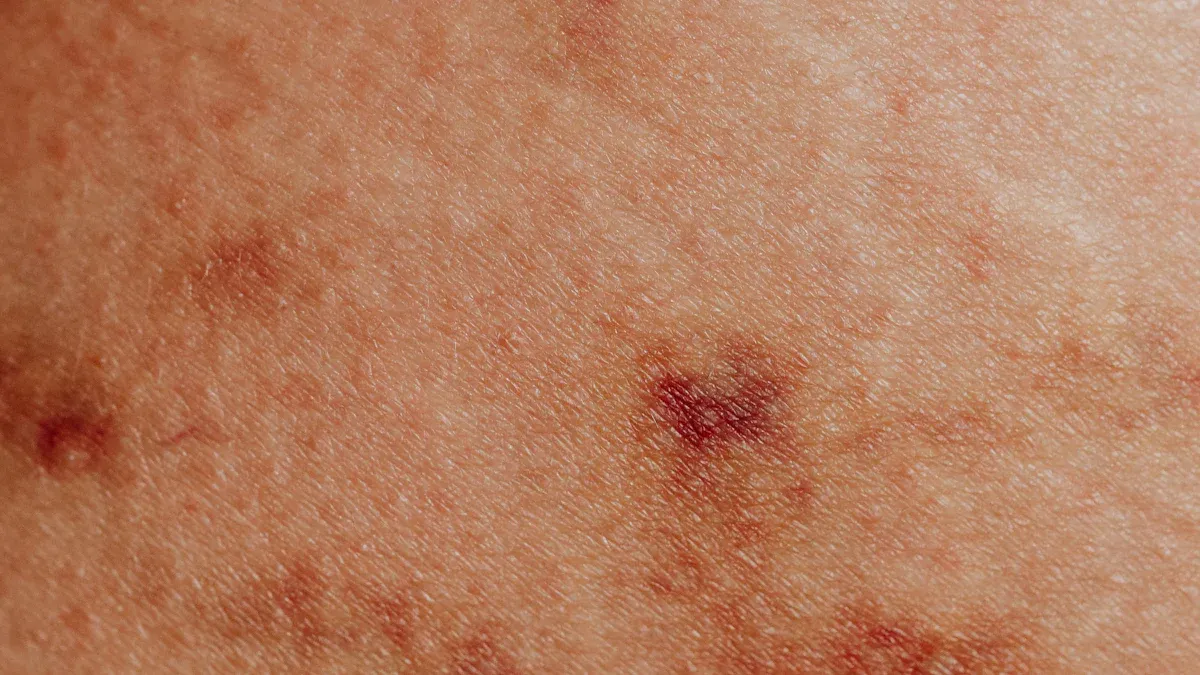
You might experience a rash behind your knee. This common skin issue is often uncomfortable. Many causes are benign, but understanding them is key to effective relief. Identifying the specific type of rash helps you get proper treatment. This guide will help you navigate common causes, diagnostic steps, and effective relief strategies for your rash behind knee.
Key Takeaways
Many things can cause a rash behind your knee. Common causes include eczema, contact dermatitis, and fungal infections.
A doctor can find the cause of your rash. They will ask about your health and look at your skin. Sometimes, tests like skin cultures are needed.
You can use home remedies for relief. Cold compresses, oatmeal baths, and aloe vera can help. Over-the-counter creams also reduce itching.
Preventing rashes is important. Avoid things that trigger your rash. Wear loose, breathable clothes. Keep your skin moisturized.
See a doctor if your rash gets worse. Also see a doctor if you have a fever or trouble breathing. This means you need medical help.
Common Causes of Rash Behind Knee
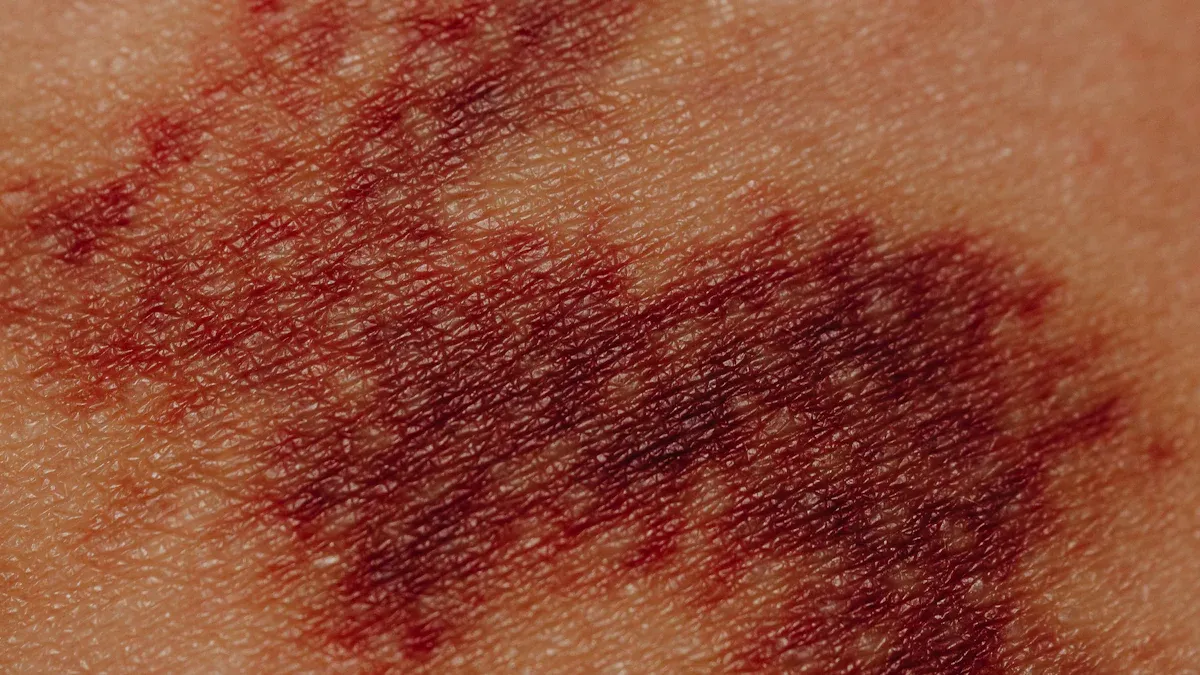
You might find a rash behind your knee for many reasons. This section details the most frequent causes. Understanding these conditions helps you identify what might be affecting your skin.
Eczema (Atopic Dermatitis)
Eczema, specifically atopic dermatitis, is a very common cause of a rash behind your knee. This chronic condition often appears in areas where your skin bends or flexes, like behind your knees and inside your elbows. It can affect anyone, but it is more common in children. Your skin might look irritated, red, dry, bumpy, and feel very itchy.
Atopic dermatitis happens because of changes in your skin’s protective barrier and how your immune system works. Several things can trigger it. These include allergens or irritants such as certain foods, skincare products, plants, cleaning products, soaps, and detergents. Hormonal changes, skin infections, stress, and even temperature changes (like heat or cold) can also make your eczema flare up.
Contact Dermatitis
Contact dermatitis is another type of rash that can appear behind your knee. This reaction happens when your skin touches something it is sensitive to. It could be an allergen, which causes an allergic reaction, or an irritant, which directly damages your skin. For example, certain metals, fragrances, or chemicals in clothing or lotions can cause this type of rash. The affected area often becomes red, itchy, and sometimes blistered.
Fungal Infections
Fungal infections can also cause a rash behind your knee. These infections thrive in warm and moist environments. The skin behind your knee provides an ideal spot for them to grow, especially if you sweat a lot or wear tight clothing. Candida, a type of yeast, is a common fungal infection that can affect your skin. It often appears as a red, itchy rash, sometimes with small bumps or peeling skin.
Psoriasis
Psoriasis is a chronic autoimmune condition that can cause a rash behind your knee. It makes skin cells build up quickly, forming thick, scaly patches. Several types of psoriasis can affect this area:
Plaque psoriasis: You might see raised, scaly patches that vary in size. These often cause itching and can appear on both the front and back of your knee. The patches can be pink or red with white or silvery scales, or salmon-colored with silvery scales. For darker skin tones, they might appear violet with gray scales or dark brown.
Inverse psoriasis: This type appears in skin folds, like behind your knee. You will notice smooth, discolored, and sometimes shiny patches. They range in color from red to brown and often look darker than the surrounding skin.
Guttate psoriasis: This type causes tiny, sometimes scaly, bumps that can appear in clusters. They typically affect large areas, including the back of your knee. Children or young adults often get guttate psoriasis, sometimes after an infection.
Pustular psoriasis: This form involves inflamed skin patches with pus-filled bumps. While it usually affects hands or feet, a rare form can spread up your leg to your knee.
Erythrodermic psoriasis: This serious form makes the skin over most of your body, including the backs of your knees, look burnt. It often develops in people whose psoriasis is already getting worse.
Heat Rash
Heat rash, also known as prickly heat or miliaria, occurs when your sweat ducts become blocked. This traps sweat under your skin. It commonly happens in warm, humid conditions or when you wear clothing that does not allow your skin to breathe. The rash appears as small, red bumps or tiny blisters, and it can feel itchy or prickly. The area behind your knee is prone to heat rash because it can get warm and moist, especially during physical activity.
Less Common Causes and Contributing Factors
Sometimes, a rash behind your knee comes from less common sources. These factors can still cause discomfort and require your attention.
Folliculitis
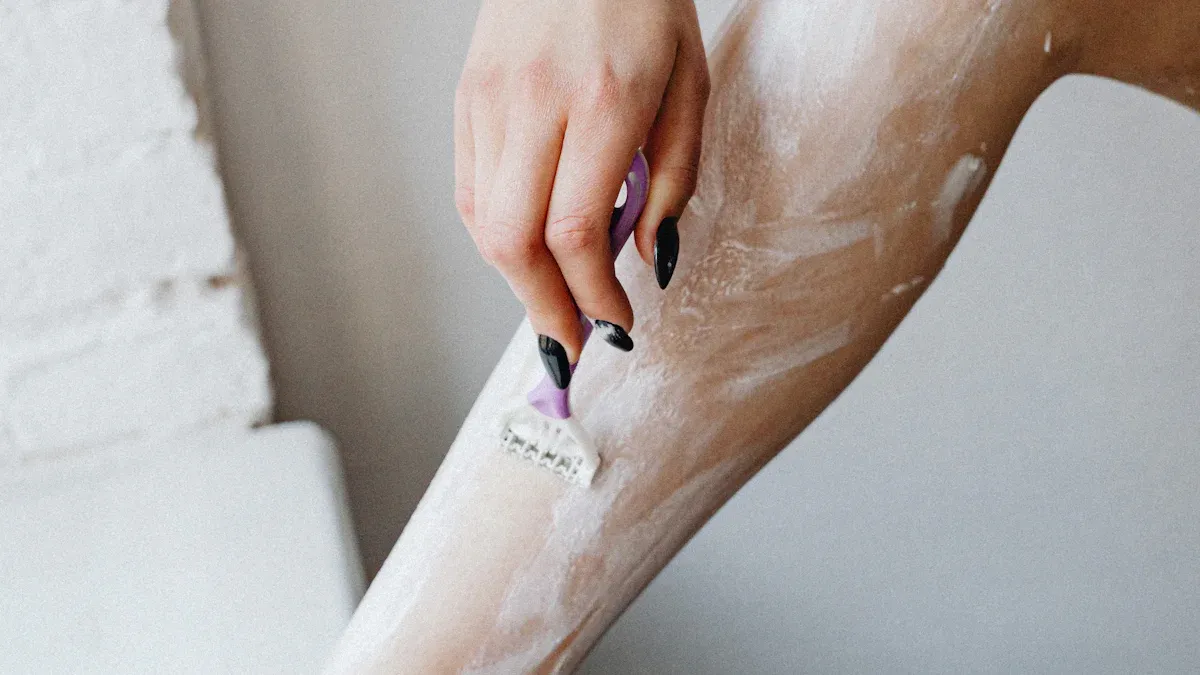
Folliculitis happens when hair follicles become inflamed. This often looks like small red bumps or pimples around hair follicles. Bacteria, fungi, or even ingrown hairs can cause it. You might notice it behind your knee if you shave the area or if friction irritates the hair follicles there. The bumps can be itchy or tender.
Insect Bites
Insect bites can also cause a rash behind your knee. Different insects leave different marks.
Chiggers frequently bite behind your knees. They also target ankles, lower legs, and other areas where skin folds or clothing fits tightly. These bites cause irritated, inflamed skin and very itchy red welts.
Flea bites can appear above your knee. This happens especially if you spend a lot of time lying down. If you have an allergy, flea bites might even cause blisters.
Scabies mites also cause bites that lead to a rash and intense itching. You often find these in the bends of your knees.
Viral Rashes
Certain viruses can cause a rash behind your knee. One example is the Coxsackie virus, which causes Hand, Foot, and Mouth Disease. This virus can create a rash of small red spots. These spots might even blister. While you commonly see these rashes on palms and soles, they can also appear on your knees, elbows, buttocks, or genital areas.
Scabies
Scabies is a skin condition caused by tiny mites that burrow into your skin. It leads to a very itchy rash. You will experience intense itching, especially at night. The rash often looks like small pimples. You might also see scales or blisters. Scratching can create sores. Sometimes, you can even see tiny, grayish-white lines on your skin. These are the burrows the female mites make to lay eggs. Scabies mites frequently infest the folds of your knee.
Friction and Irritation
Repeated rubbing can irritate your skin and cause a rash behind your knee. This is often called chafing.
Chafing results from friction, moisture, and irritating fabric.
Endurance sports like biking or running combine sweat and repeated body motions. This can easily cause chafing.
Ill-fitting clothes, such as tight pants or leggings that rub repeatedly, also lead to chafing.
Intertrigo is another inflammatory rash. It happens from skin-on-skin friction, moisture, and poor airflow. The area behind your knee is prone to this because it can be warm, damp, and poorly ventilated.
Diagnosing Rash Behind Knee
When you have a rash, finding the cause is the first step to relief. Your doctor uses several methods to diagnose a Rash Behind Knee. They gather information and perform examinations.
Medical History and Consultation
Your doctor starts by asking about your medical history. They want to understand your symptoms. They will ask when the rash started. They will ask where it began and if it has spread. Is the rash itchy? Does anything make it better or worse? Have you had this type of rash before? Do you have any other symptoms? Your doctor also asks about recent activities. Have you taken any new medications? Have new products touched your skin? Did you eat anything unusual, like shellfish or nuts? Have you traveled overseas or been outdoors in woodlands? Did an insect or tick bite you? Have your parents or any other family members ever had a similar rash?
Physical Examination
Next, your doctor will examine your skin. They look closely at the rash behind your knee. They check its color, texture, and any scales or blisters. They might also examine other parts of your body. This helps them see if the rash is isolated or widespread.
Diagnostic Tests
Sometimes, your doctor needs tests to find the cause. A patch test identifies specific allergens that might cause your rash. A skin culture checks for bacterial or fungal infections. A skin biopsy takes a small skin sample. Doctors examine this sample under a microscope. This helps them find the underlying cause. Allergy tests, like skin prick tests, help identify allergens. Blood tests can find antibodies related to skin diseases. They can also identify systemic illnesses that show up as rashes.
Further Investigations
If initial tests do not give clear answers, your doctor might order more investigations. These help rule out less common conditions. They ensure you get the correct diagnosis.
Differentiating Conditions
It is important to know the difference between similar rashes. For example, eczema often appears behind your knees and in the creases of your elbows. Psoriasis, however, typically affects the front of your knees. Inverse psoriasis can appear behind your knees. It looks extremely red and possibly shiny. It usually does not have scales because of moisture in that area.
Relief Strategies for Rash Behind Knee
You can find relief for a rash behind your knee through various strategies. These include immediate actions and long-term prevention. Understanding these options helps you manage your symptoms effectively.
Home Remedies and Self-Care
Many home remedies offer comfort and help reduce inflammation and itching. You can try several options:
Cold Compresses: Apply cold to the inflamed area. This numbs the skin, reduces swelling, and stops itching. Use an ice pack or a damp cloth for about 10 minutes at a time. Repeat this as needed. Never place ice directly on your skin.
Oatmeal Baths: Oatmeal contains anti-inflammatory and antioxidant properties. These properties relieve itchiness, dryness, and roughness. Dissolve colloidal oatmeal in warm bathwater. Soak for 15 to 30 minutes.
Aloe Vera: The clear gel from aloe leaves soothes itchy and irritated skin. It has anti-inflammatory, antimicrobial, antiviral, and antioxidant properties. Apply the gel directly to the affected skin twice a day or more.
Coconut Oil: This oil contains medium-chain fatty acids. These fatty acids have antibacterial, antiviral, anti-inflammatory, and healing properties. You can use it as a moisturizer on itchy areas. Virgin coconut oil works best.
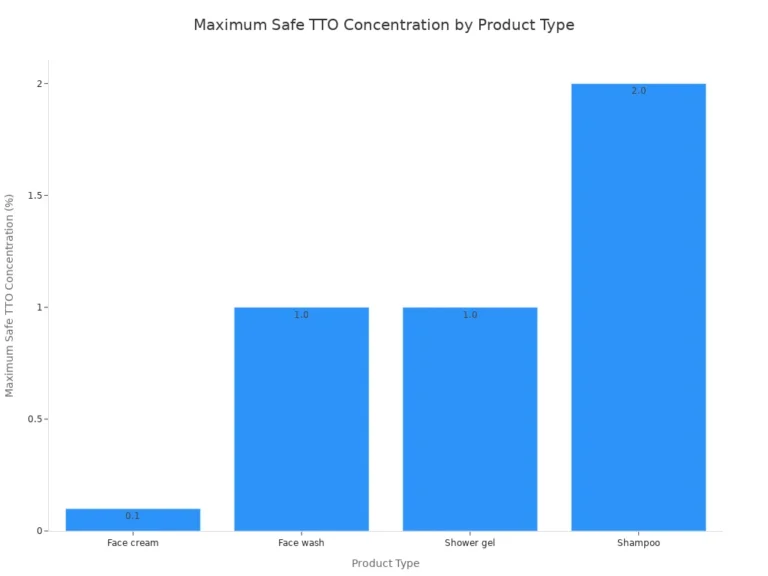
Tea Tree Oil: This oil is known for its antiseptic and anti-inflammatory properties. It can combat bacterial, viral, fungal, and protozoal skin infections. Always dilute tea tree oil with a carrier oil, like coconut or olive oil, before applying it to your skin.
Baking Soda: This old household remedy helps itchy skin. It acts as a buffer to balance your skin’s pH, soothing irritation. Add 1 to 2 cups of baking soda to lukewarm bathwater and soak. Alternatively, make a paste with water and apply it to the affected area.
Indigo Naturalis: This dark-blue powder comes from a Chinese herb. It may effectively treat inflammation-caused skin conditions. You can find it as an ointment. Apply it twice daily.
Apple Cider Vinegar: This centuries-old remedy limits inflammation-producing cytokines. It may help reduce itching. You can apply it full strength or diluted. You can also use it in a bath. Avoid using it on cracked or bleeding skin.
Epsom Salts: Soaking in Epsom salts, or magnesium sulfate, improves skin barrier function. It helps your skin retain moisture and reduces inflammation. Add 2 cups to a warm bath and soak for 15 minutes.
OTC Treatments
Over-the-counter (OTC) treatments provide effective relief for many rashes.
Topical Hydrocortisone Cream: This low-potency steroid reduces irritation, itching, and inflammation. It works well for eczema. You can find it in various forms like ointments, creams, lotions, and gels. Apply it 1 to 4 times daily for up to seven days. Always follow the label directions.
Antihistamines: You can buy these without a prescription. They help treat eczema by reducing itchiness. Diphenhydramine or Benadryl are common choices.
Moisturizers: For rashes caused by conditions like eczema, use fragrance-free moisturizers. Look for ingredients such as ceramides, glycerin, and mineral oil. Products like Cortizone-10, Cort-Aid, Dermarest Eczema, and Neosporin Eczema contain hydrocortisone. They help control itching, swelling, and redness linked to eczema.
Prescription Treatments
Sometimes, OTC options do not provide enough relief. Your doctor might prescribe stronger medications. These can include stronger topical corticosteroids. They might also prescribe calcineurin inhibitors. These medications help calm your immune system’s response in the skin. For fungal infections, your doctor might prescribe stronger antifungal creams or oral medications. If you have severe psoriasis, your doctor could suggest specialized treatments. These include biologics or other systemic medications.
Prevention and Lifestyle
You can make lifestyle adjustments to prevent rashes from coming back.
Identify and Avoid Triggers: Pay attention to what causes your rash. These triggers can include allergens, emotional stress, irritating products or fabrics, food allergies, and temperature changes.
Use Home Remedies for Prevention: Continue using home remedies. Oatmeal baths, coconut oil for moisture, fragrance-free laundry detergents, and cotton clothing help keep your skin healthy.
Manage Itching: Keep your nails trimmed to prevent skin damage from scratching. Use antihistamines for nighttime itching. Apply cool compresses. Regularly use emollients and moisturizers.
Prevent Skin Infections: Consistently use emollients and moisturizers. Treat dermatitis promptly. Your doctor might also advise occasional bleach baths.
When to See a Doctor
Most rashes improve with home care and OTC treatments. However, some signs indicate you need medical attention. You should see a doctor if you experience any of the following:
The rash spreads rapidly to other body parts.
You have difficulty breathing, wheezing, or shortness of breath.
You experience significant swelling of your face, lips, tongue, or throat.
You feel dizzy or faint.
You have intense pain or discomfort that continues despite OTC treatments.
A high fever accompanies the rash.
You see signs of infection. These include increased redness, swelling, pus, or fever. This is especially important if the rash does not improve after a few days of home treatment.
A rash behind your knee can stem from various causes, and each one requires a specific approach. You must get an accurate diagnosis for effective treatment and lasting relief. Implement appropriate self-care measures. Seek medical advice when your symptoms persist, worsen, or appear with other concerning signs. Remember, most rashes are treatable with proper care.
FAQ
What makes a rash behind the knee itch so much?
Many things can make a rash behind your knee itch. Eczema causes intense itching due to skin barrier issues. Allergic reactions from contact dermatitis also trigger severe itch. Fungal infections and insect bites also cause significant discomfort. Your skin’s nerve endings send itch signals to your brain.
What should you do first if you get a rash behind your knee?
First, gently clean the area with mild soap and water. Then, apply a cool compress to reduce inflammation and itching. Avoid scratching the rash. You can also try an over-the-counter hydrocortisone cream. If the rash does not improve, see a doctor.
What types of clothing should you wear to prevent rashes?
Wear loose-fitting clothing made from breathable fabrics. Cotton is an excellent choice. It allows air circulation and reduces moisture buildup. Avoid tight clothing or synthetic materials. These can trap sweat and cause friction. This helps prevent heat rash and chafing.
What is the difference between eczema and contact dermatitis?
Eczema (atopic dermatitis) is a chronic skin condition. It often runs in families. Contact dermatitis happens when your skin touches an irritant or allergen. Eczema is a long-term issue. Contact dermatitis is a direct reaction to something specific.