

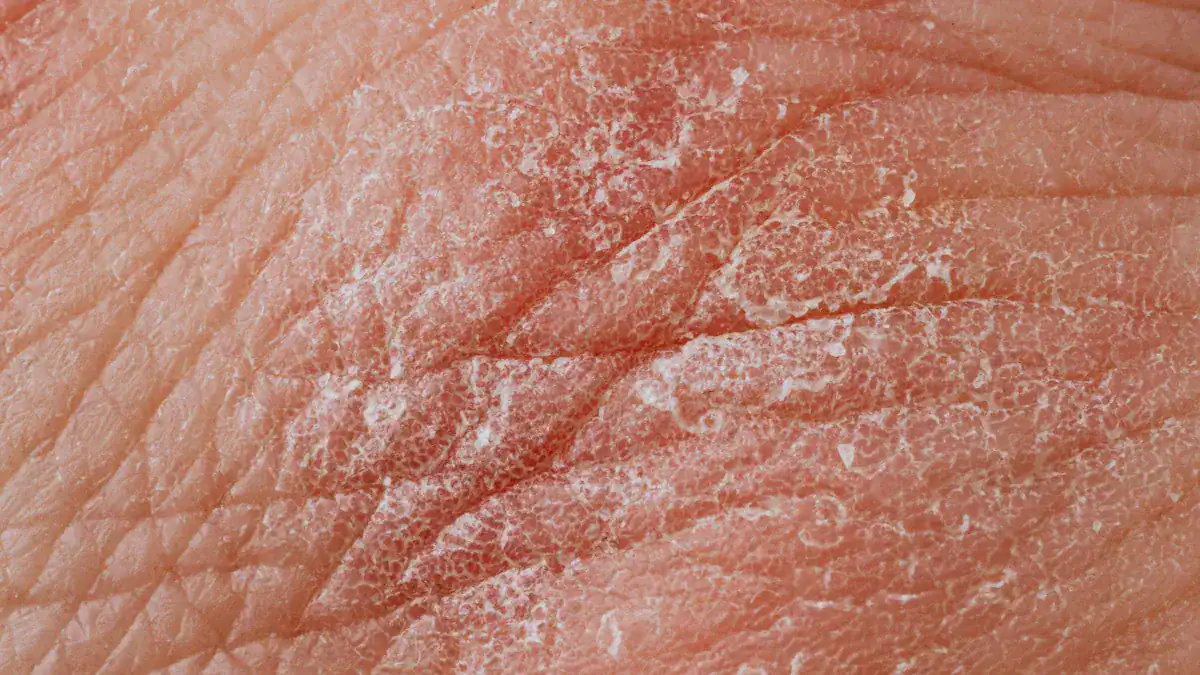
You might notice a skin rash that appears and then fades, only to return later. While many such rashes are harmless, some signal urgent underlying medical conditions. You must recognize these urgent signs for timely intervention. Rashes That Come and Go mean a skin rash that appears intermittently. This includes chronic hives, a type of recurring skin rash. Chronic spontaneous urticaria affects 0.5–1% of the population at any given time, presenting as a recurring rash. You will see these hives appear and disappear.
Key Takeaways
Some rashes that appear and disappear can signal serious health problems.
Severe allergies, autoimmune diseases, infections, and medicine reactions can cause recurring rashes.
Look for red flags like trouble breathing, fast-spreading rashes, fever, or blisters. These mean you need urgent medical help.
See a doctor if your rash keeps coming back. They can find the cause and help you manage it.
Understanding Recurring Rashes
Defining Intermittent Skin Rashes
You experience an intermittent skin rash when a rash appears, fades, and then returns. These are rashes that come and go. This type of skin rash can be frustrating. You might see a rash on your skin for a few hours or days. Then it disappears. Later, the same rash or a similar one reappears. Understanding these patterns is important. Many types of skin rashes can behave this way. You need to know their common characteristics.
Chronic Hives and Other Recurring Skin Conditions
One common example of a recurring skin rash is chronic hives. These are also known as chronic urticaria. You have chronic urticaria when hives persist for longer than six weeks. This differs from acute urticaria, which lasts less than six weeks. Many people experience hives that recur daily. These hives can appear anywhere on your body. They often cause itching. You might wonder why these hives that come back. Sometimes, you might have hives that recur daily without a clear cause.
Diagnosing urticaria is usually clinical. This means your doctor looks at your symptoms and performs an exam. The first step involves a thorough history and physical examination. This helps characterize the rash. Your doctor will gather key historical elements:
The onset, timing, location, and severity of your hives.
Any associated symptoms.
Potential environmental triggers.
Your medication use, allergies, and recent infections.
Your doctor will also check your vital signs. They will examine the hives and test for dermatographism. This is a type of rash where skin irritation causes a raised mark. They will also check other body systems. This helps rule out other causes for your recurring hives. Sometimes, doctors diagnose chronic idiopathic urticaria. This means the cause of your chronic hives is unknown. You might have recurring hives without a clear reason. There are various types of skin rashes, but chronic idiopathic urticaria is a specific form of hives that recur daily.
Urgent Causes of Rashes That Come and Go
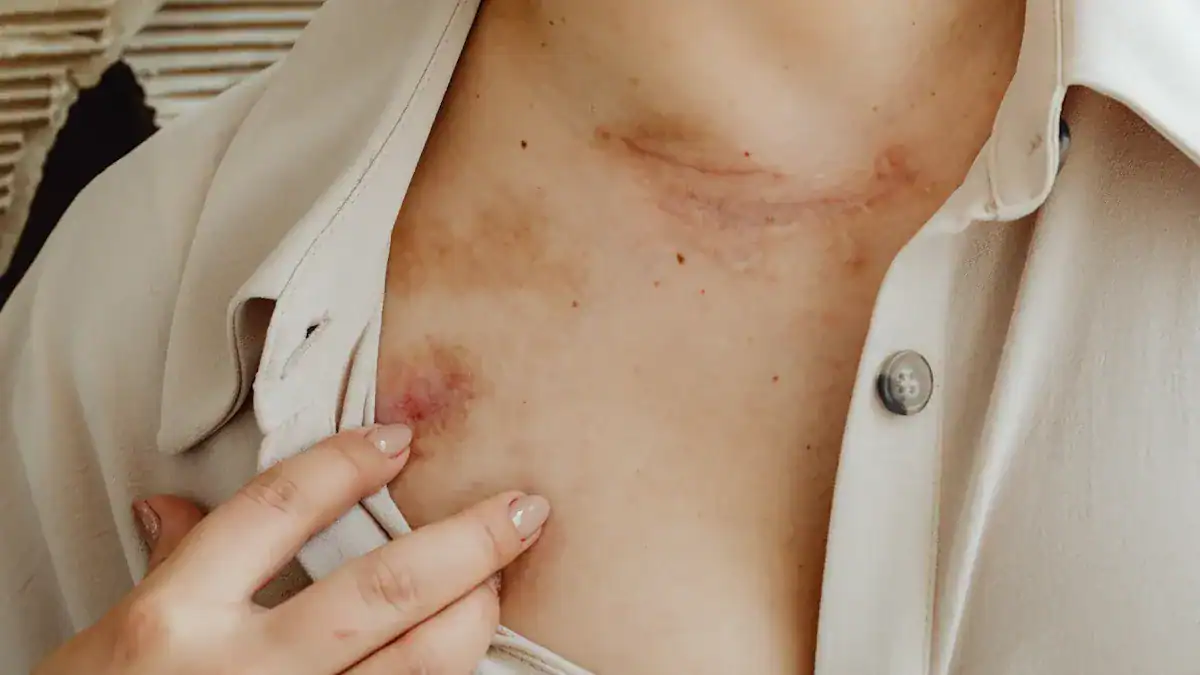
You need to understand that some recurring skin issues are not just annoying. They signal urgent medical conditions. These conditions can manifest as rashes that come and go. You must recognize these signs.
Severe Allergic Reactions: Hives, Angioedema, Anaphylaxis
Severe allergic reactions often cause a sudden skin rash. This rash can appear as hives, angioedema, or even anaphylaxis. Hives are red, itchy welts that appear on your skin. Angioedema is swelling under your skin. Anaphylaxis is a life-threatening reaction.
Your immune system identifies allergens as invaders. It overreacts. It produces Immunoglobulin E (IgE) antibodies. These IgE antibodies travel to cells. These cells then release chemicals. This triggers an allergic reaction. You see this reaction on your skin. Common skin manifestations include urticaria (hives). This is an itchy, red rash. Atopic dermatitis, a type of eczema, also results from allergen exposure. It presents as itching, reddening, flaking, or peeling of the skin.
Many things can trigger these severe allergies.
Medicines: Penicillin, other antibiotics, aspirin, and insulin are common causes in adults.
Foods: Peanuts, tree nuts, shellfish, fish, milk, eggs, sesame, soy, and wheat are leading causes in children. Adults often react to shellfish, tree nuts, and peanuts.
Insect stings and bites: Bees, wasps, hornets, yellow jackets, and fire ants can cause severe reactions. Tick bites can also cause severe reactions to meat.
Latex: Natural rubber latex can cause severe reactions. This happens through direct contact or breathing in airborne particles.
Physical activity: Exercise can induce anaphylaxis. Sometimes, other factors like temperature, seasonal changes, drugs, alcohol, or certain foods play a role.
Idiopathic anaphylaxis: This occurs when doctors find no specific trigger.
Allergic contact dermatitis is another type of reaction. It is a delayed hypersensitivity reaction. It occurs 48–72 hours after you touch an allergen. CD4+ T-lymphocytes recognize an antigen on your skin. These T-lymphocytes release cytokines. Cytokines activate your immune system. This leads to dermatitis, a type of eczema.
Autoimmune Conditions and Skin Manifestations
Autoimmune conditions happen when your immune system mistakenly attacks your healthy cells. This leads to inflammation and skin irritation. These rashes can appear as raised bumps, scaly patches, or blisters. They often spread or change shape over time. You might find the affected skin inflamed and red. It can feel warmer than the surrounding skin. Many autoimmune rashes cause itching. Others cause pain or discomfort.
Several autoimmune conditions commonly present with a recurring skin rash:
Psoriasis: You see scaly, dry, and often red skin. It commonly affects your elbows, knees, lower back, and scalp.
Eczema: This is an itchy skin condition. Atopic dermatitis is a common form. Genetics or autoimmune disease cause it. It leads to rashes on various body parts.
Lupus: Two-thirds of patients develop skin conditions. These include rashes, sores, or lesions. Sun exposure often worsens them. A butterfly-shaped rash on your face is common.
Sjögren’s syndrome: This can cause dry, rough skin. You might see blood spots on your legs, purple-to-red rashes, and red, ring-shaped lesions.
Dermatomyositis: This rare disorder causes red or purple skin rashes on sun-exposed areas. You also experience muscle weakness.
Celiac disease (Dermatitis herpetiformis): This can trigger an itchy, blistering rash. It usually appears on your elbows, knees, or buttocks.
Scleroderma: This causes skin changes due to increased collagen production. Your skin becomes shiny and thicker. Morphea is a severe type with thick, red skin.
Lichen planus: This may trigger swelling and irritation on your skin, scalp, nails, genitals, and mucous membranes. It typically causes purple, itchy, flat bumps.
Behçet’s disease: This rare disorder leads to blood vessel inflammation. It causes various skin manifestations.
Serious Infections Causing Intermittent Rash
Certain serious infections can also cause a recurring skin rash. These infections might spread to new areas.
Infection Type | Epidemiological Trend |
|---|---|
Fungal Infections (Chromoblastomycosis, Sporotrichosis) | Spreading to new geographic areas outside classical endemic territories due to climate change, with intermittent cases reported in previously dry/temperate climates. |
Vector-borne Diseases (e.g., Leishmania) | Expanded spatial distribution due to climate change, with disease-causing agents found in new regions (e.g., Southern Europe) due to enhanced vector habitats. |
Tropical Pathogens (e.g., Buruli ulcer, cutaneous larva migrans) | Increased circulation in peri-urban slums due to urbanization, inadequate sanitation, and lack of healthcare facilities. |
You might encounter these infections in new regions. Climate change and urbanization contribute to their spread.
Medication Reactions and Hypersensitivity
Medications can cause hypersensitivity reactions. These reactions often appear as a recurring skin rash. You might experience a rash that comes and goes due to a drug allergy.
Some medications are more likely to cause these reactions:
Anticonvulsant drugs (especially carbamazepine, phenobarbital, and phenytoin)
Allopurinol (an anti-gout medication)
Olanzapine
Sulphonamide antibiotics
Medication-induced hypersensitivity reactions can manifest in different ways:
Maculopapular rash (MPR): You see macules and papules. They are confluent. You have no other systemic symptoms.
Drug reaction with eosinophilia and systemic symptoms (DRESS): This has a variable clinical picture. You predominantly see papules over your entire body. You also have systemic manifestations like eosinophilia and fever. It can start as a maculopapular rash.
Acute generalized exanthematous pustulosis (AGEP): You see erythema and numerous pinhead-sized pustules. They appear on your face, skin folds, and trunk.
Stevens-Johnson syndrome (SJS): This involves blisters and epidermal separation. Erosions typically start on your face. You later see them mainly on your trunk.
Toxic epidermal necrolysis (TEN): This involves skin separation over larger areas. It is a variant of SJS. You see blisters and erosions occupying large areas of your skin and mucous membranes.
Urticaria: This is a rash of itchy, erythematous wheals (hives). It represents a type I hypersensitivity reaction.
Allergic Contact Dermatitis: This usually occurs within 48 to 72 hours of contact. You see a vesicular and itchy rash with redness at contact points. It can spread, leading to erythema and scaling. Acute cases may involve erythema, vesicles, and bullae.
DHS (Drug Hypersensitivity Syndrome): This is a maculopapular eruption. You have eosinophilia, fever, facial edema, lymphadenopathy, pharyngitis, and oral ulcers. You also experience organ dysfunction. The erythematous rash ranges from mild pink to deep red. You see macules or papules arranged symmetrically on your face. It spreads down your body.
Fixed Drug Eruptions: You see circular erythematous lesions. They are painful or itchy. They reappear at the same site when you re-expose yourself to the drug. They are dull red to brown plaques. They may have central bullae.
Erythema Multiforme: This varies in presentation. Classic lesions are circular papules less than 3 cm. They have a central target. Atypical lesions appear as raised “irregular” circular papules with two color regions. Lesions appear on your distal limbs. They may progress to the middle of your body or mucous membranes.
Serum Sickness–Like Reaction (SSLR): This commonly presents as a maculopapular or urticarial rash. It appears on your lower abdominal area or under your arms. It spreads to your back, lower trunk, and extremities.
You must be aware of these potential reactions. They can cause a recurring skin rash or chronic hives.
Recognizing Urgent Symptoms and Triggers
You need to know when a recurring skin issue signals something serious. Recognizing key signs helps you act quickly.
Key Red Flags for Urgent Rashes
Certain signs with your skin rash mean you need urgent attention. Look for these red flags:
Your rash comes with severe trouble breathing.
The rash appears suddenly.
The rash covers your entire body.
Your rash spreads very fast.
You have a fever with the rash.
The rash blisters or forms open sores.
The rash looks infected. It might be red, warm, swollen, or have yellow pus.
You see widespread rashes covering your whole body.
Your rash is painful and you also have a fever.
Hives appear suddenly and spread quickly across your body.
You notice blistering rashes.
A purplish rash spreads suddenly over your body.
Rashes appear as large red or purple spots under your skin.
You see skin discoloration or changes along with the rashes.
There is bruising or swelling around the rash.
A petechiae rash is also serious. This rash has purple or dark red tiny dots. These dots happen from bleeding into your skin. Any of these skin rash symptoms mean you should seek medical help.
Common Triggers for Recurring Hives and Rashes
Many things can cause rashes that come and go. Identifying these triggers helps you manage your condition. Common triggers for recurring hives and other skin rash types include:
Infections, like viral or bacterial ones.
Autoimmune conditions, such as Celiac disease, Diabetes, Lupus, Rheumatoid arthritis, or Thyroid disease.
Major life events or high-stress events.
Extreme temperatures, like very hot or cold water.
Pressure or pinching on your skin.
Vibration or friction.
Sunlight exposure.
Certain medications, such as NSAIDs (aspirin, ibuprofen) or prescription pain medications (opioids).
Other common hives triggers include:
Food additives.
Alcohol.
Seafood.
Certain produce.
Fermented foods.
Pollen.
Insect bites.
Winter cold or cold conditions, like swimming pools.
Bacterial, viral, parasitic, or fungal infections.
Some medications, like penicillin, sulfa antibiotics, aspirin, or ibuprofen.
Extra pressure on your skin, such as from tight clothing.
Understanding these common triggers helps you avoid future outbreaks of chronic hives or other itchy bumps.
When to Seek Immediate Medical Care
You need to know when to get help for your skin rash.
Urgent Care for Rashes: Visit urgent care if your rash worsens. Go if it lasts more than a few days. Also go if it has mild symptoms like a low-grade fever, localized swelling, or itchiness.
Emergency Room for Severe Rashes: Go to the emergency room if your rash has a high fever. Seek emergency care if you have facial swelling, blisters, confusion, low blood pressure, or a rapidly spreading rash. Get help for rashes with purple or black spots. These are purpura or necrosis. Also go for severe pain, dizziness, a low pulse, or delirium. If you are immunocompromised and get a new rash, seek prompt evaluation. Do this even if symptoms seem mild. Avoid telehealth for rashes with fever, severe pain, facial swelling, or shortness of breath. Seek immediate emergency care for life-threatening rashes. These include Toxic epidermal necrolysis (TEN), Stevens-Johnson syndrome (SJS), Meningococcemia, and Vasculitis. These conditions often present with severe hives and intense itchiness.
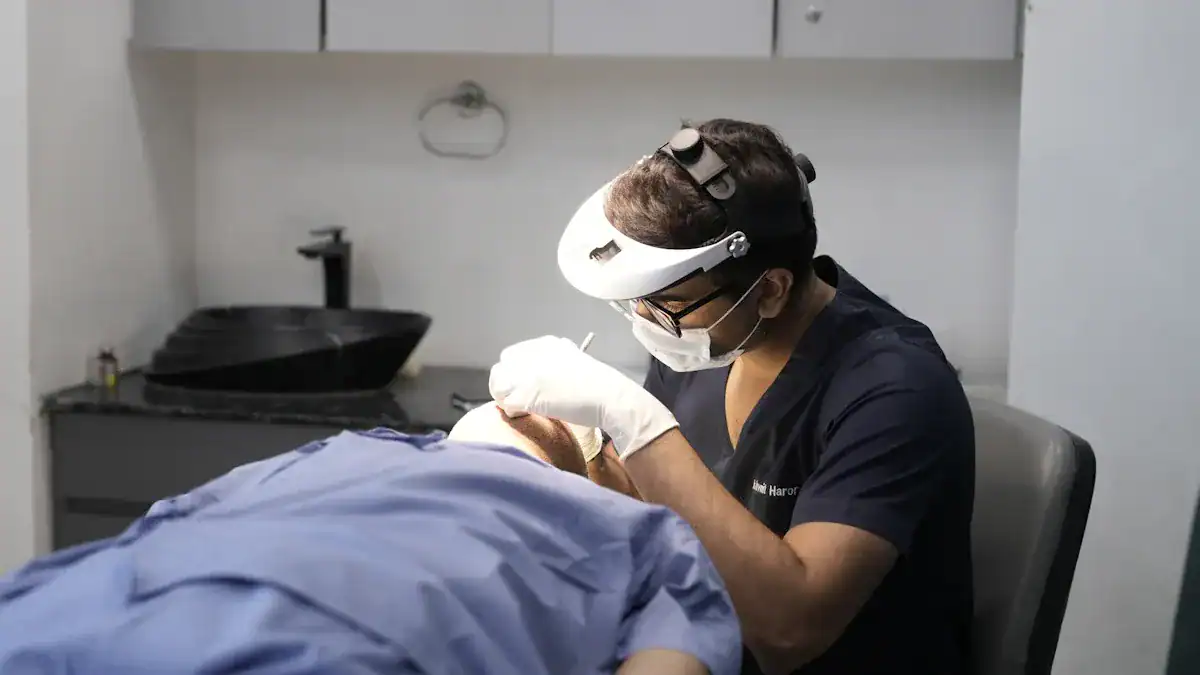
Managing Urgent Rash Causes
Managing urgent rashes depends on their cause. For severe allergic reactions causing a rash, antihistamines are a common treatment. They block histamine, which triggers allergic swelling. Antihistamines calm itching and hives. You can find them as pills, liquids, melting tablets, or nose sprays. For allergic or atopic dermatitis, primary treatment includes:
First- or second-generation antihistamines
Topical naltrexone (1% cream)
Topical steroids
Long-term management for autoimmune conditions causing a recurring skin rash involves several strategies. These conditions are often lifelong. Your allergist may suggest immunosuppressants or specific treatments like a gluten-free diet for celiac disease. Adjusting daily routines, including diet and physical activities, also helps.
For chronic hives, an allergist might prescribe allergy shots (omalizumab) or corticosteroids. Hydroxychloroquine helps with autoimmune disease-induced chronic hives. Cyclosporine is for severe chronic hives. At home, you can apply anti-itch cream, use cool compresses, or take cool baths. Stress management also plays a role in hives management.
You must never ignore recurring rashes, especially those with severe hives symptoms. These hives can indicate urgent medical conditions. We discussed severe allergies, which often cause hives.
Autoimmune issues also manifest as hives. Serious infections and medication reactions can lead to hives. Recognize the signs and common triggers for these hives. If you experience persistent hives or any concerning rash, consult a healthcare professional promptly for any unexplained rashes that come and go. Do not overlook these hives.


