


Noticing red feet can certainly cause concern. Many common causes of foot redness exist, ranging from minor irritations like athlete’s foot or contact dermatitis to more serious conditions. Sometimes, inflammation from conditions like gout or issues with circulation can also make your feet appear red. While some causes are benign, others demand urgent attention. This blog outlines six urgent reasons why your feet might be red. It also guides you on when to seek medical help, emphasizing that you should not ignore persistent or severe redness.
Key Takeaways
Red feet can signal serious health problems. These include infections, blood clots, or poor circulation. You should not ignore persistent redness.
Conditions like cellulitis, gout, and DVT need quick medical help. These can cause severe pain, swelling, and fever. They can also lead to serious health issues.
Look for ‘red flag’ symptoms. These include severe pain, fever, or difficulty walking. If you have diabetes, any foot changes need urgent care.
Good foot care helps prevent problems. Wash and dry your feet well. Wear clean socks and proper shoes. Eat healthy foods.
See a doctor if your red feet symptoms are severe or do not go away. Early treatment helps prevent worse problems and keeps your feet healthy.
Cellulitis: Bacterial Skin Infection
What is Cellulitis
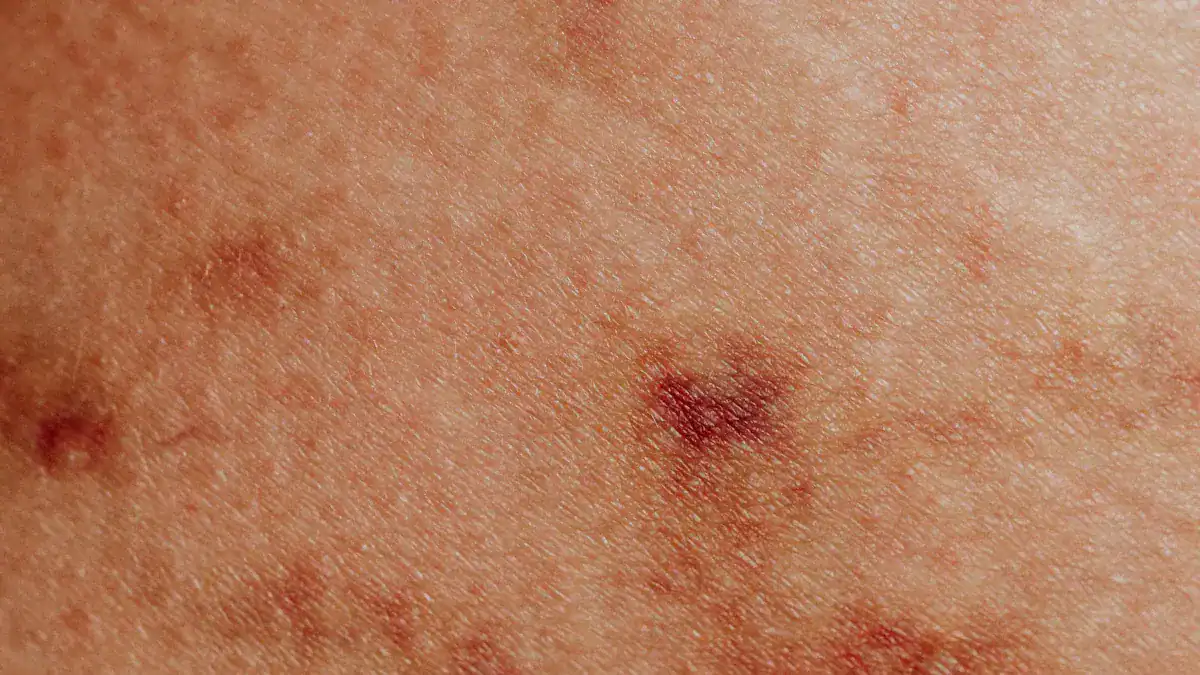
Cellulitis is a common and serious bacterial skin infection. It affects the deeper layers of your skin. This condition often starts when bacteria enter through a break in your skin. These breaks can be small cuts, insect bites, or even surgical wounds on your foot.
It is one of the more serious foot infections you can encounter. The most common causes are Streptococcus species, especially Group A Streptococcus. Staphylococcus species are also frequent culprits. These bacteria lead to rapid infections and inflammation.
Symptoms and Progression
When you have cellulitis, you will notice your skin becomes red and swollen. The affected area feels warm to the touch and is often painful. The redness spreads quickly, sometimes in a matter of hours.
You might also experience fever, chills, and sometimes blisters on the skin. These symptoms can worsen rapidly. If you see these signs on your feet, you should act quickly. The redness can be quite intense, and the swelling can make your feet feel tight and uncomfortable.
Urgency of Cellulitis
Cellulitis is an urgent condition. You need immediate medical attention. Without prompt treatment, the infection can spread to your bloodstream. This can lead to a life-threatening condition called sepsis. Sepsis is a severe reaction to a bacterial invasion.
It can cause organ damage throughout your body. Doctors treat cellulitis with antibiotics. Early treatment prevents severe complications and protects your overall health. Ignoring these issues can have serious consequences for your feet. If your feet show signs of cellulitis, do not delay seeking help.
Gout: Red Toes and Joint Pain

Gout’s Impact on Feet
Gout is a type of inflammatory arthritis. It happens when uric acid crystals build up in your joints. These crystals cause sudden, severe attacks of pain, swelling, and redness.
Gout often affects your feet. Specifically, it commonly strikes the big toe. This condition is called podagra. You might notice your big toe becomes very red and swollen. In fact, gout affects the big toe in 50% of all first flares. Historically, 76% of gout patients experienced issues in their big toe. Other areas of your feet and ankles can also be affected.
About 50% of patients in older studies had gout in their ankle or foot. These attacks can make your red toes feel extremely sensitive.
Recognizing Gout Flares
Recognizing a gout flare is important. You will experience intense pain, tenderness, and warmth. The affected joint, often your big toe, will be very red. This inflammation can reach its worst point within one day.
Many people wake up at night because of the throbbing or burning gout pain. The pain can be severe, often rating above 7 on a 0-10 scale. Your red toes might also show signs of inflammation. The skin over the joint can peel later. Sometimes, you might feel tired or have a fever. These are signs of a strong inflammatory response in your body. Look for these specific signs of red toes.
Why Gout Requires Prompt Care
Prompt treatment for gout is crucial. It helps manage flares and prevents long-term joint damage. Untreated gout can lead to serious problems. Uric acid crystals can form hard lumps called tophi.
These tophi appear around your joints, including your feet and toes. They can destroy joints and deform them. Tophi might not always hurt, but they can erode bone. This can reduce joint stability.
Chronic inflammation from gout also causes further joint damage. You might experience permanent pain and disability. In some cases, you could even need surgery. Do not ignore persistent red toes or other gout symptoms. Early care protects your joints and prevents further damage to your red toes.
Deep Vein Thrombosis (DVT): Blood Clot Danger
DVT and Foot Redness
Deep vein thrombosis (DVT) involves a blood clot forming in a deep vein, usually in your leg. This condition can cause redness, swelling, warmth, and pain in your foot and calf. You might notice the affected area feels tender.
The incidence rate of Deep Vein Thrombosis (DVT) in adults is reported to be between 88 and 112 per 100,000 person-years. The total incidence of DVT among adults is cited as 50 to 100 per 100,000 persons. This shows DVT is a significant health concern.
DVT-related foot redness has specific characteristics. The redness is typically accompanied by warmth. It usually appears in only one leg. Your affected foot may also show unequal swelling. The color might shift to burgundy or bluish purple. These signs help distinguish DVT from other causes of foot redness.
Other Critical DVT Symptoms
Beyond foot redness, DVT presents other critical symptoms. You might experience pain or tenderness in your calf or thigh. The skin over the affected area can feel warm. You may also see visible surface veins. Sometimes, you might not have any symptoms at all. This makes DVT particularly dangerous. These circulatory concerns require your immediate attention.
Immediate Action for DVT Suspicion
You must seek immediate medical evaluation if you suspect deep vein thrombosis. Pulmonary embolism (PE) is the most serious risk. It is the biggest immediate danger stemming from untreated DVT. A blood clot fragment can detach from a DVT. It travels through your bloodstream.
It then lodges in your lungs. This can cause lung tissue damage or death due to blocked blood flow. Untreated DVT carries approximately a 30% death risk. About one-third of individuals with undiagnosed and untreated PE do not survive. PE causes almost all DVT-related deaths. If left untreated, DVT can become life-threatening. Do not delay seeking help for these serious circulatory issues in your feet.
Peripheral Artery Disease (PAD): Restricted Blood Flow
PAD’s Effect on Foot Color
Peripheral Artery Disease (PAD) happens when narrowed arteries reduce blood flow to your limbs. This condition often affects your legs and feet. When you have PAD, your feet might show changes in color.
You may notice foot redness, especially when you dangle your feet. This happens because reduced blood flow increases pressure in your arteries. This increased pressure causes inflammation of the skin. This inflammation can make your skin appear red.
Accompanying PAD Symptoms
Beyond color changes, PAD causes other symptoms. You might feel pain, numbness, or coldness in your feet. Your legs may feel tired or cramp during activity. PAD is not common before age 60.
However, it affects about 20% of people aged 80 and older. The prevalence of PAD peaks at ages 70–74 years. For Black men, the prevalence is approximately 13% at age 60-69. It rises to about 25% at age 70-79, and 59% at 80 years or older. Between 12% and 20% of individuals in the United States over 65 years old have PAD. About 20% of people over 70 are affected by this circulatory condition.
When PAD Becomes Urgent
PAD becomes urgent when it causes severe ischemia. This means your limbs do not get enough blood. This lack of blood flow can lead to non-healing wounds. It can also result in limb loss.
Obesity and Type 2 Diabetes increase your risk for severe complications. These include critical limb ischemia, which can lead to amputation. People with type 2 diabetes also have a higher chance of painful PAD symptoms and worse outcomes. These outcomes include a higher likelihood of limb amputation. You need prompt medical attention for these serious circulatory concerns.
Contact Dermatitis: Allergic Foot Redness
Identifying Triggers
Contact dermatitis is an inflammatory skin reaction that occurs when the skin comes into contact with an allergen or irritant. On the feet, this often results in noticeable redness. A variety of substances can trigger this response. Common causes include chemicals used in rubber manufacturing—frequently present in shoes—and certain components of leather.
Potassium dichromate, a chemical used in the leather-tanning process, is a well-known allergen. Other frequent culprits include mercapto mixtures and p-tert-butylphenol-formaldehyde resin, often found in rubber products. Additionally, fragrances, preservatives, and dyes used in socks or footwear may provoke reactions. Even antifungal agents or biocides in detergents and paints can cause irritation. Increased foot sweating, particularly inside waterproof footwear, can also lead to irritant contact dermatitis.
Symptoms Beyond Redness
Foot redness is only one possible sign of contact dermatitis. You may develop an itchy, red rash accompanied by swelling. Small or large blisters can appear and may ooze fluid or pus. The skin may become dry, scaly, or cracked, and in some cases, it may thicken over time.
A burning or stinging sensation is also common. When bacteria enter broken skin, pustules may form, signaling a secondary infection. These symptoms can range from mildly uncomfortable to significantly painful.
Managing Severe Allergic Reactions
While contact dermatitis often improves once the triggering substance is removed, certain situations require urgent attention. Severe or widespread reactions can cause intense pain and extensive blistering, increasing the risk of secondary infection.
If your symptoms are severe, rapidly worsening, or causing substantial discomfort, you should seek medical care. Your doctor may recommend systemic treatments—such as a short course of corticosteroids—to help manage acute, intense reactions. Prompt medical evaluation reduces the risk of complications and helps ensure effective relief.
Erythromelalgia: Burning Redness Syndrome
What is Erythromelalgia
Erythromelalgia is a rare neurovascular condition. It causes intense burning pain, warmth, and redness, mainly in your feet. This condition affects your blood vessels and nerves. It often comes in episodes.
These episodes can severely impact your daily life. A study by the Global Health Institute shows an increase in erythromelalgia prevalence. It went from about 1.3 cases per 100,000 people a decade ago to about 1.7 cases per 100,000 now. For people over 60, the prevalence can rise to about 4 cases per 100,000. Another study in Dunedin found at least 15 per 100,000 people had burning feet symptoms like erythromelalgia. This is much higher than earlier reports. The incidence of primary erythromelalgia is 0.25 to 2 per 100,000 people each year. In patients with certain blood disorders, the prevalence can be as high as 3-65%.
Characteristic Symptoms and Triggers
You will experience severe burning pain, warmth, and redness in your feet. Your toes often feel especially hot. These symptoms usually affect both feet, but sometimes only one.
The pain can be so bad it stops you from walking or sleeping. Triggers for these episodes include heat, exercise, standing for long periods, or wearing tight shoes. You might find relief by cooling your feet, but too much cooling can also cause problems. The redness in your toes can be very noticeable during an episode.
Seeking Diagnosis for Erythromelalgia
Getting a diagnosis for erythromelalgia is important. It helps you manage your symptoms. Doctors often diagnose it based on your signs and symptoms alone. You do not always need specific tests. If your doctor suspects primary erythromelalgia, they might consider genetic testing. This looks for changes in the SCN9A sodium channel gene.
If your doctor thinks another condition is causing your erythromelalgia, they might order blood tests. These tests help identify underlying diseases. Early diagnosis helps you find ways to alleviate your symptoms and improve your quality of life.
When to Seek Urgent Medical Attention for Red Feet
Red Flag Symptoms to Watch For
You must recognize specific red flag symptoms. These signs tell you when your red feet need urgent attention. Look for severe pain, fever, swelling, or difficulty walking. If you have chronic conditions like diabetes or vascular diseases, any changes in your feet’s appearance are critical. Redness, inflamed skin, pus, or fever from ingrown toenails or infections, especially if you are diabetic, demand immediate care. Gout flare-ups also show sudden, severe attacks of pain, fever, redness, or tenderness in the joint or your feet. This indicates a possible infection.
Redness accompanied by an open wound or a wound oozing pus is serious. Also, watch for foot redness with warmth or tenderness in the affected area, or a fever over 100 F. You should not ignore an inability to put weight on your foot or walk. If you are diabetic, redness with a deep, swollen, or warm wound on your foot that is not healing requires urgent medical help.
The Importance of Timely Consultation
Do not delay seeking professional attention. Immediate medical help is crucial for wound infections, especially if increased redness extends beyond the wound borders. Early recognition and treatment of wound infections prevent more severe conditions.
Immediate medical attention is necessary if your foot pain is severe and sudden. This is especially true when it comes with swelling or redness. For sudden, unexplained foot pain, visit an urgent foot care center. This helps determine the cause and receive treatment. Gout, characterized by sudden, intense pain, redness, and swelling in your feet (often the big toe), also warrants immediate medical consultation. Timely action protects your health.
Preparing for Your Doctor’s Visit
Prepare well for your doctor’s appointment. Make a list of your symptoms and questions. Include when they started and what at-home treatments you tried. Also, note what provides relief.
Provide your complete medical history. This includes past injuries, surgeries, and conditions like diabetes or arthritis. List all current medications. Gather and bring important medical records and laboratory test reports. These include X-rays, MRIs, or lab results from other doctors or hospitals.
Wear comfortable, supportive shoes that are easy to remove for examination. Bring any footwear you wear regularly, such as work or exercise shoes. The podiatrist can examine them. Choose loose-fitting clothing, like pants that roll up to your knee. This allows for examination of your lower legs, posture, and gait. Wash your feet with soap, but avoid nail polish or extensions. The doctor may need to inspect your nails. Arrive a few minutes early to complete paperwork.
Home Care and Prevention Tips
Managing Mild Redness at Home
You can manage mild foot redness at home. Several effective home remedies and over-the-counter products can help. A warm foot bath can soothe foot pain. Icing your feet for 5 to 15 minutes a few times daily reduces inflammation. You can use an ice pack or roll your feet on a frozen water bottle. Over-the-counter pain relievers like acetaminophen target pain. NSAIDs such as ibuprofen and naproxen sodium address both pain and inflammation. Applying topical pain relievers can also help. These products contain ingredients like menthol or eucalyptus. They provide cooling and pain-relieving sensations. These home remedies can effectively treat redness and discomfort.
Foot Hygiene and Protection
Good foot hygiene protects your feet. It prevents redness and infections.
Wash Your Feet Thoroughly: Use warm water and mild soap. Scrub your soles and between your toes daily. This reduces sweat and bacteria.
Dry Completely: Pat your feet dry with a clean towel. Ensure no dampness remains between your toes. Dampness causes fungal infections.
Trim Your Toenails Correctly: Cut toennails straight across. Use clean, sharp clippers. Smooth rough edges with a file. This prevents ingrown nails.
Change Socks and Rotate Shoes Daily: Wear breathable, moisture-wicking socks. Change them at least daily. Allow shoes to air out. Remove insoles to aid drying.
Moisturize: Apply foot-specific cream to your soles and heels. Avoid applying it between your toes. This prevents fungal growth.
Disinfect Shoes and Shower Areas: Spray shoe interiors with antibacterial spray. Clean home and gym shower areas regularly. Wear flip-flops in communal showers.
Lifestyle Adjustments for Foot Health
Specific lifestyle adjustments improve your foot health. They also help prevent redness. Eat a balanced diet. Include anti-inflammatory foods like salmon, spinach, and berries. These foods speed healing and reduce pain. Limit sugary, highly processed foods. Stay hydrated.
Minimize sugar intake. This prevents conditions like swelling or gout. Incorporate vitamin C from citrus fruits. Vitamin D from egg yolks and calcium are vital for strong bones. B vitamins support nerve function and circulation. Keep your feet active.
Regular activity maintains strength and blood flow. Balance activity and rest. This prevents injuries. Include exercises for intrinsic foot muscles. Warm up with dynamic stretches. Increase exercise intensity slowly. Take rest days for tissue recovery. Cool down with static stretches. Staying hydrated post-exercise aids recovery. It decreases inflammation.
Persistent or unexplained red feet can signal various conditions. Some require immediate medical attention. Prompt recognition of red feet is crucial. It prevents complications and ensures proper foot health. Red and swollen feet can indicate infections, like bacterial or fungal issues.
Persistent redness, especially with pain or warmth, may signal life-threatening conditions such as Deep Vein Thrombosis (DVT). Other serious causes include Peripheral Artery Disease (PAD) and cellulitis. You must seek professional medical advice for accurate diagnosis and effective treatment. Do not ignore persistent or worsening symptoms, especially with pain, swelling, or fever. Ignoring these can lead to serious consequences like chronic ulcers or even amputation. Prioritize your foot health.


