Noticing a red scrotum can be alarming. While some causes are minor, others demand immediate medical attention. Scrotal health is important; chronic scrotal pain affects up to 4.75% of men, indicating that various scrotal concerns are common.
This post explains seven urgent reasons for a red scrotum and guides you on when to seek professional help. Never self-diagnose. Always consult a healthcare professional for any instance.
Key Takeaways
A red scrotum can be a sign of serious problems. Some causes need immediate medical help.
Testicular torsion is an emergency. It causes sudden, severe pain and needs surgery right away to save the testicle.
Infections like epididymitis, orchitis, and cellulitis can make your scrotum red. You need antibiotics to treat them.
Fournier’s Gangrene is a very dangerous infection. It spreads fast and needs urgent surgery and strong medicine.
Always see a doctor if your scrotum turns red, especially with pain, swelling, or fever. Do not try to guess what is wrong.
Testicular Torsion: Urgent Medical Emergency
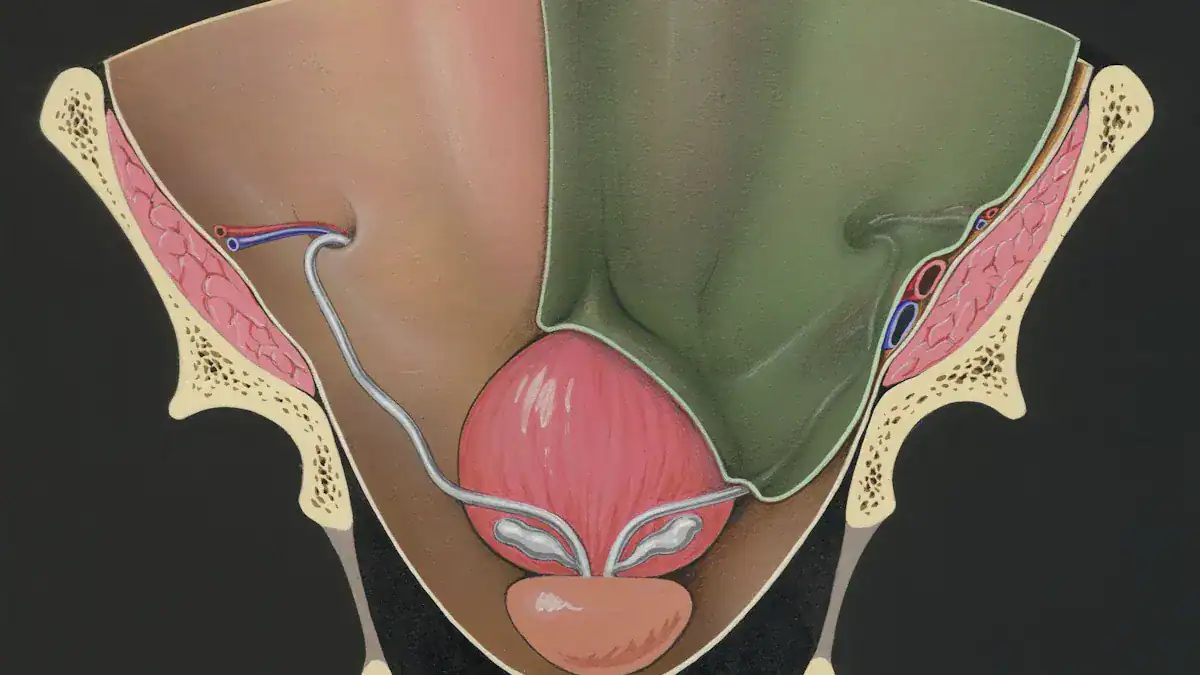
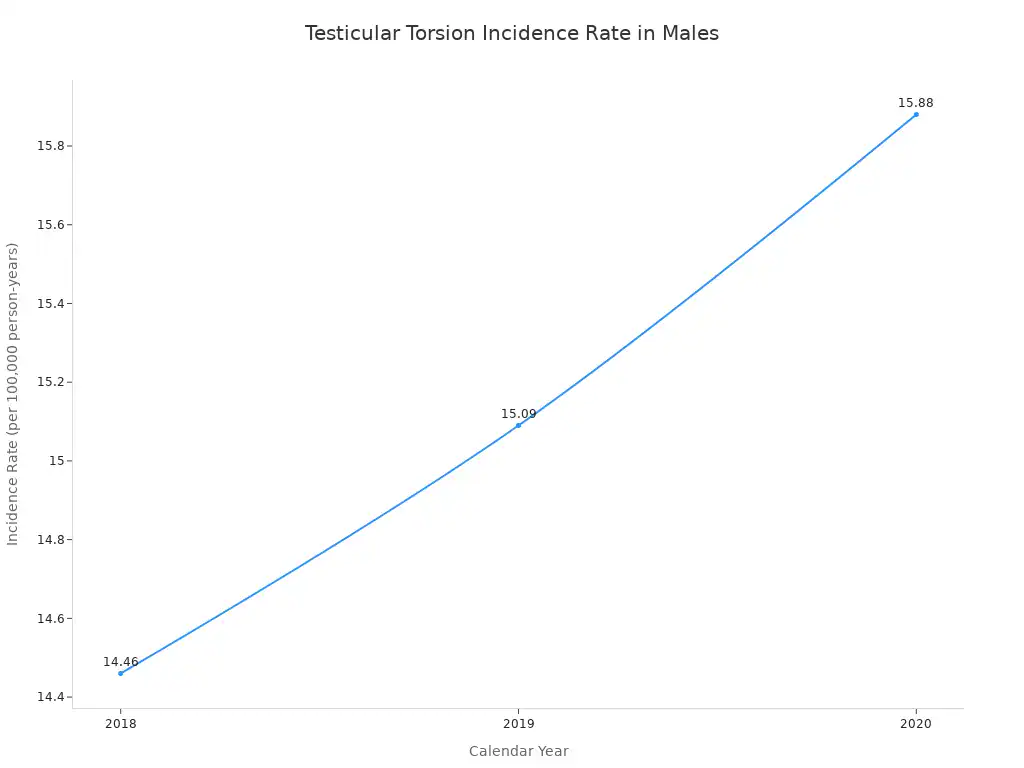
Testicular torsion is a critical cause of a red scrotum. It is an urgent medical emergency. This condition happens when your spermatic cord twists. This twisting cuts off blood supply to your testicle. It requires immediate attention. The incidence rate of testicular torsion varies by age. For males under 21 years, the incidence has shown a slight increase.
Calendar Year | Incidence Rate (per 100,000 person-years) for males < 21 years |
|---|---|
2018 | 14.46 |
2019 | 15.09 |
2020 | 15.88 |
Total | 15.13 |
In Korea, the overall incidence is about 2.02 cases per 100,000 person-years. Males aged 10 to 19 years have the highest incidence, about 10.46 cases per 100,000 person-years. In the U.S., males under 25 years have an incidence of 4.5 cases per 100,000 person-years.
Sudden, Severe Scrotal Pain
You will typically feel sudden, severe pain in your scrotum. This pain often starts very quickly. It can also spread to your abdomen. Most people feel intense pain in one side of the scrotum and one testicle.
Sometimes, the discomfort might come and go. You might only feel discomfort in your lower abdomen and groin. While symptoms usually start suddenly, some people report them increasing gradually. This is less common.
Swelling and Testicle Position Changes
Your scrotum will likely swell. The affected organ may also change its position. You might notice it:
Sitting higher within the scrotum than the unaffected side
Lying at an unusual angle
Having a transverse lie (lying horizontally instead of vertically)
Appearing elevated
These changes happen because of the twisting. The twisting pulls the organ upwards and changes its orientation.
Immediate Surgical Intervention
Testicular torsion is a true surgical emergency. You need immediate medical attention. Doctors must restore blood flow to the affected organ quickly. If you have surgery within six hours of symptoms starting, the chance of saving the organ is high. Some studies show a success rate of 76.9% within this critical time. Early intervention prevents serious damage. It can also save the organ. Do not delay seeking help if you suspect torsion.
Epididymitis and Orchitis: Inflammation and Infection
Epididymitis and orchitis are conditions that cause inflammation in your scrotum. Epididymitis is an inflammation of the epididymis, a coiled tube at the back of the testicle. This tube stores and carries sperm. Orchitis is an inflammation of the testicle itself.
You can have both conditions at the same time, which doctors call epididymo-orchitis. These conditions can lead to a red scrotum. Approximately 600,000 cases of epididymitis occur annually in the United States. In a specific group of men visiting the Emergency Department for genitourinary issues, 1.3% had epididymitis, orchitis, or both.
Pain, Swelling, and Tenderness
You will likely experience pain, swelling, and tenderness in your scrotum. The affected side of your scrotum may appear red and feel warm to the touch. The pain can range from mild to severe.
It often starts gradually. You might also feel a heavy sensation in your testicle. This inflammation can make daily activities uncomfortable.
Orchitis Symptoms: Fever and Discomfort
Orchitis symptoms often include more than just scrotal pain. You might develop a fever and feel generally unwell. Nausea and vomiting can also occur with orchitis. The discomfort from orchitis can spread to your groin.
If you have orchitis, you may also notice blood in your semen. Untreated orchitis can lead to serious orchitis complications, including infertility.
Orchitis Causes: Infections and Other Factors
Infections are the most common orchitis causes. In younger men and adolescents, sexually transmitted infections (STIs) often cause epididymitis and orchitis. Common STIs include gonorrhea and chlamydia. These bacteria can travel from the urethra to the epididymis and testicle.
Men who have sex with men also face a risk of STDs and can get epididymitis from gastrointestinal bacteria like E. coli. In older men, E. coli and similar bacteria are primary bacterial culprits.
Other orchitis causes include the mumps virus, especially in unvaccinated individuals. Mycobacterium tuberculosis can also cause this infection. Ureaplasma is another possible bacterial cause. A proper diagnosis is crucial to determine the specific infection and guide treatment.
Fournier’s Gangrene: Life-Threatening Infection
Fournier’s Gangrene is a very serious type of necrotizing fasciitis. This severe bacterial infection rapidly destroys tissue. It affects the perineum, genitals, and scrotum. This condition is rare, but it progresses quickly. It needs immediate medical help.
Rapidly Spreading Redness and Swelling
You will notice redness and swelling that spreads very fast. This redness often starts in the scrotal area. It can quickly move to the groin and abdomen. The skin may look shiny and feel very tender. You might also see blisters or dark spots on the skin. These signs show that the tissue is dying.
Intense Pain and Tissue Death
You will experience intense pain in the affected area. This pain is often much worse than what the visible skin changes suggest. As the infection progresses, the tissue dies. This can lead to a foul odor from the affected area. You might also feel generally unwell.
This includes fever, chills, and extreme tiredness. Fournier’s Gangrene has a significant risk. Mortality rates vary in studies. Some reports show rates from 20% to 40%. Other studies indicate a lower rate, around 7.5% to 18%. A review of 1,726 cases found an overall mortality rate of 16%. This highlights the serious nature of this infection.
Emergency Medical Treatment
Fournier’s Gangrene is a medical emergency. You need urgent medical and surgical intervention. Doctors will perform surgery to remove the dead tissue. This is crucial to stop the infection from spreading.
You will also receive strong antibiotics. These medicines fight the bacteria causing the infection. Early treatment is vital to save your life and prevent severe complications.
Allergic Reaction and Contact Dermatitis
Sometimes, your red scrotum comes from something touching your skin. This is an allergic reaction or contact dermatitis. Your skin reacts to certain substances. These substances can irritate your skin or cause an allergic response.
Itching, Rash, and Skin Irritation
You will often experience itching, redness, and a rash. Your skin might also swell or show scaling. These symptoms appear where the irritant or allergen touched your skin. The discomfort can range from mild to intense.
Identifying Allergenic Triggers
Many things can cause this reaction. Common triggers include soaps, detergents, and certain fabrics. Topical medications you apply can also be a problem. For example, some people react to preservatives like methylisothiazolinone in products. Others react to vehicle components in creams, such as propylene glycol. Dyes in clothing or latex in condoms can also cause issues.
Avoiding Irritants for Relief
You must identify what caused the reaction. Think about new products you used or new clothes you wore. Once you find the trigger, you can avoid it. Avoiding the irritant helps your skin heal. It also prevents future reactions. Your doctor can help you pinpoint the exact cause.
Scrotal Cellulitis: Bacterial Skin Infection
Scrotal cellulitis is a bacterial infection. It affects the skin and tissues under your scrotum. This condition can cause significant discomfort. You need prompt treatment to prevent it from spreading.
Warm, Tender, Spreading Redness
You will notice warm, tender, and spreading redness on your scrotum. The affected area often feels hot to the touch. It can also be painful. The redness might expand quickly. You might also see swelling. Sometimes, the skin looks shiny or stretched. Breaks in your skin, like cuts or scrapes, can allow bacteria to enter. This starts the infection.
Bacterial Entry and Infection
Bacteria cause this type of skin infection. They enter through small breaks in your skin. Common culprits include:
Streptococci
Staphylococcus aureus
Group A Streptococcus (GAS)
Gastrointestinal bacteria
Group B Streptococcus (GBS)
Anaerobic bacteria (predominantly Bacteroides sp.)
These bacteria multiply and spread within the skin layers. This leads to the inflammation and redness you observe.
Antibiotic Treatment Required
You need antibiotics to treat scrotal cellulitis. A doctor will prescribe oral or intravenous antibiotics. This depends on the severity of your infection. Taking antibiotics as directed is crucial. This stops the bacteria from spreading further. It also prevents more serious complications.
Do not delay seeking medical help if you suspect cellulitis. Early treatment helps you recover faster.
Incarcerated Hernia: Trapped Tissue
An incarcerated hernia happens when a part of your intestine or other tissue pushes through a weak spot in your abdominal wall. This tissue then gets trapped. When this type of hernia extends into your scrotum, it can cause serious problems. It means the tissue cannot easily go back into your abdomen.
Painful Scrotal Bulge and Redness
You might notice a painful bulge in your groin or scrotum. This bulge can appear suddenly. It often feels hard and tender. The skin over the bulge may look red. You might experience severe, sudden onset of pain. This mass is fixed and cannot be pushed back inside.
The swelling of the hernia sac can press on the blood vessels that supply your testicle. This can impair blood flow to the testicle.
Risk of Blood Supply Compromise
When the trapped tissue becomes increasingly tender, it signals a serious issue. This means the tissue inside the hernia is strangulating. Strangulation cuts off the blood supply to the trapped tissue.
This condition can also compromise the blood supply to your testicle. This can lead to damage to the testicle itself. The mass becomes more tender as strangulation occurs. The testicle on the affected side often looks swollen and somewhat bluish.
Urgent Surgical Evaluation
An incarcerated hernia, especially one showing signs of strangulation, needs urgent medical assessment. You must see a doctor right away. Doctors will evaluate the bulge.
They will determine if the blood supply is at risk. This condition is a medical emergency. You will likely need surgery to fix the hernia. This surgery will release the trapped tissue. It will also restore blood flow. Early intervention prevents severe complications.
Trauma or Injury to the Scrotum
A direct impact or injury to your scrotal area can cause a red scrotum. This type of trauma can range from minor bumps to severe damage. You need to understand the signs and when to seek help.
Bruising, Swelling, and Discoloration
You will likely see bruising, swelling, and discoloration after a scrotal injury. The skin may turn red, purple, or blue. The area will feel tender. Many things can cause scrotal trauma.
Blunt injuries are common. These happen from kicks to the groin or being hit by a ball.
Sporting activities cause over 50% of testicular injuries.
Motor vehicle or bicycle accidents contribute to about 20% of these traumas.
Other causes include:
Cuts and bruises
Penetrating injuries from falls or sharp objects
Straddle injuries from falling on objects like a bike crossbar
Burns or scalds
Assessing Internal Damage
You must get a medical evaluation to check for internal damage. Even if the outside looks okay, the injury could affect your testicle.
A direct blow can cause a ruptured testicle. This is a serious condition where the outer layer of the organ tears. You might also develop a hematoma, which is a blood clot in the scrotum. Doctors need to assess the extent of the injury. They will determine if there is damage to the internal structures.
Rest and Medical Oversight
Rest is crucial after a scrotal injury. You should avoid activities that could worsen the damage. Your doctor will guide you on how to care for the injury. They might recommend pain relief or ice packs.
Medical oversight ensures proper healing. It also helps prevent long-term complications. Do not ignore scrotal trauma. Always get it checked by a healthcare professional.
Other Causes of Red Scrotum and When to Worry
You might experience a red scrotum from conditions less urgent than those previously discussed. These conditions are often common. They still require attention, but they do not always demand emergency care. You should always consult a doctor for a proper diagnosis.
Common Non-Urgent Conditions
Many common issues can cause scrotal redness. These include fungal infections like jock itch. Yeast infections can also cause redness and irritation. Skin conditions such as psoriasis may affect the scrotum. Parasitic infestations like scabies can also lead to a red, itchy rash.
Certain sexually transmitted infections (STIs) can cause redness and discomfort. These STIs can sometimes mimic symptoms of other inflammatory conditions, but they are distinct from an acute bacterial infection like orchitis. You should always get tested for an std if you suspect exposure. Remember, these conditions are generally not life-threatening.
However, they still need proper treatment. You must differentiate them from more severe issues, such as orchitis.
Red Scrotum Syndrome: Chronic Erythema
Red Scrotum Syndrome (RSS) is a chronic condition. It causes persistent redness on your scrotum. This redness often affects the front half of the scrotum. It can also involve the base of the penis. You will experience itching, burning, and pain. These symptoms are often neurological. RSS can develop after you use topical corticosteroids for a long time.
It resembles erythromelalgia. The redness is well-demarcated. You will not see scaling or lichenification. RSS primarily affects men over 50 years old. Its cause is unknown. Doctors consider it a diagnosis of exclusion. This means they rule out other conditions first. Histopathological analysis usually shows unremarkable results.
Symptoms often worsen after using over-the-counter or prescriptive topical steroid medications. Gabapentin or doxycycline may help with treatment. You should avoid topical steroids. They make the condition worse. This is different from an acute infection like orchitis.
Differentiating Urgent from Chronic Issues
You must know the difference between urgent and chronic issues. Urgent conditions, like testicular torsion or Fournier’s gangrene, need immediate medical help.
Chronic conditions, like RSS, require ongoing management. You should look for specific signs. Sudden, severe pain, rapid swelling, or fever often point to an urgent problem. Persistent redness with itching and burning, without other acute symptoms, might suggest a chronic issue like RSS.
Your doctor will perform a physical exam. They will take your medical history. This helps them determine if you have an acute infection like orchitis or a chronic condition. You must tell your doctor all your symptoms. This helps them make an accurate diagnosis. Therefore, understanding the difference between these conditions and orchitis is key.
Preventing Scrotal Redness and Complications
You can take steps to prevent scrotal redness and avoid complications. These actions help keep your scrotal area healthy. They also reduce your risk of developing serious conditions.
Maintaining Good Hygiene
Good hygiene is essential for preventing scrotal issues. You clean your genitals daily. You also clean them before and after sexual activity. This stops bacteria and fungus from building up on your skin.
After bathing, you gently dry your penis and scrotum. This reduces the chance of fungal infections. You choose gentle soaps. Harsh chemicals and fragrances can irritate the sensitive skin of your scrotum.
If you care for someone with scrotal edema, specific hygiene practices are important:
You gently move the scrotum from between the legs to the front or top of the thighs before repositioning.
You cleanse the area gently with a pH-balanced hydrating foam and a soft disposable cloth. Avoid rough terrycloth.
You pat the area dry. Then, you apply a gentle but thorough barrier ointment or gel.
You can use a small gel positioner to ‘hammock’ the scrotum. Place it below the scrotum and between the thighs for elevation.
Always bring the scrotum to the front when you reposition.
Protective Measures During Activities
Protecting your scrotum during physical activities is crucial. Many athletes experience testicular injuries during sports.
However, few wear athletic cups. For example, a study found that only 12.9% of athletes wore cups, even though 18% had a testicular injury. You should wear protective gear, especially in certain sports:
For football, you wear a cup if you have testicles.
For baseball and softball, you wear a cup if you have testicles.
For lacrosse, boys wear a cup.
This equipment helps prevent direct impact injuries.
Promptly Addressing Underlying Issues
You address any underlying health issues quickly. This prevents them from worsening. If you notice any changes in your scrotum, you see a doctor. Early detection and treatment of conditions like infections or hernias prevent serious complications. You do not ignore persistent pain, swelling, or redness. Prompt medical attention protects your health.
A red scrotum is a symptom you must always take seriously. This is especially true when you also have pain, swelling, or fever. Prompt medical evaluation is crucial. It ensures accurate diagnosis and effective treatment. Early intervention prevents serious issues, including potential orchitis complications. You must contact a doctor immediately if you experience these symptoms.