Hip pain is a common issue. Many people experience this discomfort. The prevalence of hip pain in the general population is 10%, and this figure increases with age. A published study also showed that 14.3% of adults felt significant hip pain on most days over a six-week period. Your right hip pain can stem from various causes. These range from simple muscle strains to more serious conditions. Understanding your symptoms is key. This post will explore 10 common causes and offer practical solutions for effective treatment. This empowers you to seek the right care.
Key Takeaways
Right hip pain has many causes, from simple muscle strains to serious conditions like arthritis. Understanding your specific symptoms helps you find the right treatment.
You can try at-home care like rest, ice, heat, and pain relievers for mild hip pain. Physical therapy with stretches and exercises can also greatly improve your hip’s strength and movement.
Doctors may suggest medications or injections if at-home care is not enough. Surgery is usually a last choice for severe hip problems.
See a doctor if your hip pain is severe, stops you from walking, or comes with fever or numbness. Early medical help prevents worse problems and leads to better recovery.
Common Causes of Right Hip Pain
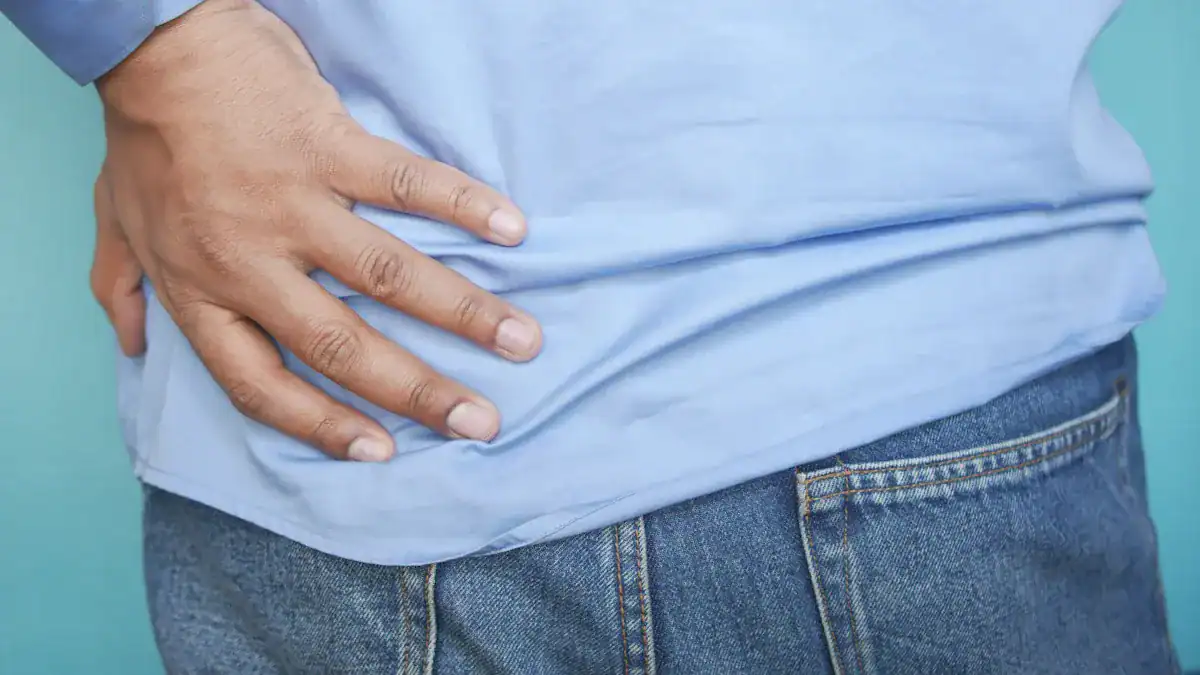
Understanding the specific cause of your right hip pain is the first step toward finding relief. Many conditions can lead to discomfort in this area. Here, you will explore 10 common causes of hip pain, their symptoms, and what factors contribute to them.
Hip Osteoarthritis
Hip osteoarthritis is a degenerative joint disease. It occurs when the cartilage cushioning your hip joint wears down over time. This causes bones to rub against each other. This friction leads to pain and stiffness.
You might experience a deep, aching pain in your groin or outer hip. This pain often worsens with activity and improves with rest. You may also notice stiffness in your hip, especially in the morning or after periods of inactivity. Your hip’s range of motion might decrease, making simple tasks like putting on shoes difficult.
Several factors increase your risk for hip osteoarthritis. Age is a significant factor; the older you are, the higher your risk. Genetic variables also play a role. Obesity places extra stress on your hip joints. Previous hip injuries or trauma, like fractures, can also contribute. Certain occupations involving heavy manual work or high-impact sports, such as farming, also increase your risk. Abnormalities in your hip’s structure, like a shallow hip socket (dysplasia) or variations in the shape of your femoral head, can also predispose you to hip osteoarthritis.
Bursitis
Bursitis involves inflammation of the bursae. Bursae are small, fluid-filled sacs that cushion your bones, tendons, and muscles around your joints. When a bursa in your right hip becomes inflamed, it causes pain. This condition is often called trochanteric bursitis when it affects the bursa on the outside of your hip.
You will typically feel pain on the outside of your right hip. This pain can spread down the side of your upper thigh or into your buttock. Lying on your affected side often makes the pain worse. You might also notice increased pain when standing up after sitting for a while or when moving your hip, especially when climbing stairs. Tenderness, soreness, or swelling in the hip area are also common symptoms.
Repetitive movements or overuse are common causes of bursitis. Activities like running, bicycling, or deep squats put tremendous pressure on your hip. Prolonged sitting or standing, and even certain yoga or Pilates movements, can exacerbate the pain. Any activity performed for too long, or a sudden increase in activity levels, can also trigger bursitis.
Labral Tear
A labral tear is damage to the labrum. The labrum is a ring of cartilage that lines the rim of your hip socket. It helps to deepen the socket and provide stability to the hip joint. A tear in this cartilage can cause significant right hip pain.
You might feel a constant dull ache in your hip or groin. You could also experience sharp, stabbing pain in certain positions or during specific activities. This pain often feels deep inside your body, not just on the surface. It can radiate to your groin, lower back, or leg. You may also notice clicking, locking, or a catching sensation in your hip. Stiffness and difficulty walking or going up and down steps are also common symptoms.
Trauma, such as a fall or motor vehicle accident, can cause a labral tear. Femoroacetabular impingement (FAI), where abnormal bone shapes cause friction, is another common cause. Capsular laxity or hip hypermobility, often due to underlying collagen disorders or repetitive rotational activities, can also lead to tears. Bony abnormalities like hip dysplasia, where the hip socket is too shallow, increase stress on the labrum. Degeneration, a natural part of aging, can also contribute to labral tears. Muscle imbalances, like tight hip flexors and weak gluteal muscles, can increase pressure on the labrum.
Sciatica
Sciatica is not a hip condition itself, but nerve compression in your lower back can cause shooting hip pain. The sciatic nerve runs from your lower back, through your buttocks, and down each leg. When something compresses this nerve, you feel pain along its pathway.
You might experience pain that radiates down one side of your buttocks, hip, and leg. This pain can be sharp or searing, originating from a pinched nerve root in your lower back. It might feel like a dull ache in your back, hips, and buttocks. The pain can heighten with movement, sneezing, or coughing. Sometimes, the pain runs down the front of your thigh, which you might confuse with pain directly from your hip joint.
A herniated disc in your lower back is a common cause of sciatica. Piriformis syndrome, where the piriformis muscle in your buttock compresses the sciatic nerve, can also cause these symptoms. Other causes include spinal stenosis, bone spurs, or tumors that put pressure on the nerve.
Hip Tendinitis
Hip tendinitis is the inflammation of a tendon in your hip. Tendons are thick cords that connect muscles to bones. When these tendons become inflamed, they cause pain and tenderness. Several tendons around your hip can be affected. These include the iliopsoas tendon at the front of your hip, the gluteus medius and minimus tendons on your outer hip, and the hamstring tendons at the back.
You will typically feel pain and tenderness around the affected tendon. This pain often worsens with movement or activity involving that tendon. For example, if your iliopsoas tendon is inflamed, you might feel pain when lifting your knee towards your chest.
Overuse or strain on your hip tendons is a primary cause. Repetitive movements, especially in sports like running, cycling, or ballet, can lead to tendinitis. Sudden increases in your activity levels or poor muscle flexibility also contribute. Underlying health conditions, such as diabetes or rheumatoid arthritis, can also make you more susceptible to tendon inflammation.
Muscle Strains
A muscle strain occurs when muscle fibers are overstretched or torn. This can happen suddenly during activity or gradually over time. Your hip area contains many muscles, and several are prone to strains. These include your hip flexors, glutes, adductors (inner thigh muscles), quadriceps (front of thigh), and hamstrings (back of thigh).
You will likely experience sudden pain, tenderness, and possibly bruising in the affected muscle. The pain might worsen when you try to use the muscle or stretch it. You might also notice swelling or a limited range of motion in your hip. Mild strains (Grade 1) involve minor overstretching and typically heal in 1-3 weeks. Moderate strains (Grade 2) involve partial tears and can take 3-6 weeks to recover. Severe strains (Grade 3), which are complete tears, may require several months to heal, sometimes needing surgery.
Overexertion, inadequate warm-up before physical activity, or sudden, forceful movements are common causes. Poor flexibility, muscle weakness, or fatigue can also increase your risk of muscle strains.
Hip Impingement (FAI)
Hip impingement, or Femoroacetabular Impingement (FAI), occurs when there is abnormal contact between the ball (femoral head) and socket (acetabulum) of your hip joint. This happens because of unusual bone shapes. There are two main types: cam impingement, where the femoral head is not perfectly round, and pincer impingement, where the hip socket rim is overgrown. Most FAI diagnoses involve a combination of both. This abnormal contact causes friction and can damage the cartilage and labrum.
You will often feel pain in your groin, especially during or after activities that involve deep hip flexion or rotation. This pain can also extend to your outer hip or buttock. You might experience stiffness in your hip joint. Certain movements can exacerbate the pain, such as sitting with crossed legs, sitting in low chairs, or performing deep squats. Getting in or out of a car, leaning forward, or pivoting during sports can also trigger discomfort.
The root cause of hip pain from FAI is typically the abnormal bone structure. This can be genetic or develop during childhood and adolescence. Repetitive hip motions, especially in athletes, can worsen the condition over time.
SI Joint Dysfunction
Your sacroiliac (SI) joint connects your sacrum (the triangular bone at the base of your spine) to your ilium (the large bone in your pelvis). SI joint dysfunction occurs when this joint moves either too much (hypermobility) or too little (hypomobility). Both conditions can cause significant right hip pain.
You will typically feel pain in your lower back and/or buttock. This pain can radiate down your leg, sometimes above the knee, or even to your ankle or foot, mimicking sciatica. If you have hypermobility, the pain might also extend into your groin. You might notice the pain worsens with activities like standing, walking, or climbing stairs.
Several causes contribute to SI joint dysfunction. Arthritis, particularly ankylosing spondylitis or osteoarthritis, is a common cause. Trauma or injury, such as falls or accidents, can directly affect the joint. Pregnancy can lead to SI joint pain due to hormonal changes that increase ligament laxity and altered gait patterns. Poor posture, improper body mechanics, or repetitive activities that strain the joint also contribute. Gait problems, like scoliosis or leg length discrepancies, can unevenly load the SI joint.
Snapping Hip Syndrome
Snapping hip syndrome is characterized by a snapping or clicking sensation around your hip when you move it. This sensation can sometimes be audible and may or may not be painful. There are three types: external, internal, and intra-articular.
With external snapping hip syndrome, you might feel a snap on the outside of your hip. This happens when your iliotibial (IT) band or gluteus maximus tendon slides over the greater trochanter (a bony prominence on your thigh bone). Internal snapping hip syndrome involves a snap at the front of your hip, often when your hip flexor tendons (like the iliopsoas or rectus femoris) move over bony structures. Intra-articular snapping is less common and involves issues inside the joint, such as a labral tear or loose body.
Repetitive hip movements, common in dancers, runners, and athletes, are frequent causes. Muscle tightness, especially in the hip flexors or IT band, can also contribute. Specific exercises, like kneeling psoas stretches or IT band stretches, can help alleviate the condition by improving flexibility and strengthening surrounding muscles.
Stress Fractures
A stress fracture is a tiny crack in a bone. It develops from repetitive stress and overuse, rather than a single traumatic injury. In your hip, stress fractures most commonly occur in the femoral neck (the part of the thigh bone just below the ball of the hip joint) or the pelvis.
You will typically experience pain that worsens with activity and improves with rest. The pain might be localized to your groin or outer hip. It can start as a dull ache and become more severe over time. You might also notice tenderness when you press on the affected area. Unlike a sudden break, the pain from a stress fracture usually develops gradually.
Several factors increase your risk for hip stress fractures. Repetitive high-impact activities like running, jumping, or dancing are major causes, especially if you rapidly increase your activity levels. Poor bone density, often due to conditions like osteoporosis or inadequate nutrition, makes your bones more susceptible. Intrinsic factors like anatomical alignment, poor biomechanics, and hormonal imbalances (such as those seen in the Female Athlete Triad/RED-S) also play a role. Extrinsic factors include improper footwear, running on hard surfaces, and certain lifestyle choices like smoking or high alcohol consumption.
Right Hip Pain Treatment Options
You have many ways to manage right hip pain. The best approach depends on what causes your pain and how severe it is. This section explores various treatment options. You will learn about at-home care, physical therapy, medications, and when surgery might be necessary.
At-Home Care and Lifestyle Changes
You can often find relief from right hip pain with simple steps at home. These methods help reduce inflammation and support healing. They are often the first line of defense for mild to moderate pain.
Rest: Give your hip a break from activities that make the pain worse. This allows inflamed tissues to heal.
Ice and Heat: Apply ice packs to your hip for 15-20 minutes several times a day, especially after activity. This helps reduce swelling and pain. Use heat, like a warm bath or heating pad, to relax stiff muscles before activity.
Over-the-Counter Pain Relievers: You can use medications like ibuprofen or acetaminophen. These help manage pain and inflammation.
Activity Modification: Change how you do daily tasks. Avoid movements that trigger your pain. For example, if deep squats hurt, try shallower movements.
Weight Management: If you carry extra weight, losing even a few pounds can reduce stress on your hip joint. This is especially helpful for conditions like osteoarthritis.
Supportive Footwear: Wear shoes that provide good cushioning and support. This can improve your body’s alignment and reduce hip stress.
These quick at-home treatment options are appropriate for new or mild pain. They are also good for managing flare-ups of chronic conditions. If your pain does not improve after a few days, or if it gets worse, you should seek further medical advice.
Physical Therapy and Exercise
Physical therapy is a powerful tool for treating right hip pain. A physical therapist can create a personalized plan for you. This plan includes specific exercises and stretches. These help strengthen muscles, improve flexibility, and restore normal hip function. Physical therapy for hip pain is often recommended for conditions like bursitis, tendinitis, muscle strains, and FAI.
Your therapist will guide you through exercises. These exercises aim to improve your hip’s range of motion and strength. They also help improve your overall body mechanics.
Stretching: Stretching helps improve flexibility and reduce muscle tightness around your hip.
Seated Hip Stretch: Cross one ankle over the opposite knee. Place your foot flat on the floor. Gently lean forward with a straight back. You will feel a stretch in the outer hip of the crossed leg. Hold for 30 seconds. Repeat on the other side.
Butterfly Stretch: Sit with your knees bent. Bring the soles of your feet together. Hold your feet and gently press your knees toward the floor. This stretches your inner thighs and groin. Hold for 30 seconds.
Figure Four Stretch: Lie on your back with your knees bent and feet flat. Cross one ankle over the opposite knee. Reach through and pull the bottom knee toward your chest. Hold for 30 seconds. Repeat on the other side.
Hip Flexor Stretch: Kneel with one foot forward. Your knee should be bent at 90 degrees. Shift your weight forward, keeping a straight back. You will feel a stretch in the front of the hip on the extended leg side. Hold for 30 seconds. Repeat on the other side.
Piriformis Stretch: Sit with one leg straight. Cross the other leg over it, placing your foot on the outside of the opposite knee. Hug the bent knee and twist your torso toward it. You will feel a stretch in your buttocks. Hold for 30 seconds. Repeat on the other side.
Before stretching, warm up your muscles with light cardio for 10 to 15 minutes. Stretch daily if possible.
Strengthening Exercises: These exercises build strength in the muscles supporting your hip. This improves stability and reduces strain. Aim for strengthening exercises 2 to 3 times a week.
Leg Swings: Brace yourself on a stable surface. Step back about a foot. Swing your leg like a pendulum from side to side. Minimize torso twisting. Then, turn your side to the wall, brace, and swing your leg back and forth. This stretches your hip flexors, hamstrings, and glutes.
Physical therapy interventions can lead to significant improvements. You may see large positive changes in hip range of motion after a 3-month program. This program often combines strengthening exercises, manual therapy, and education. Your hip muscle strength, especially in your hip adductor muscles, can also improve greatly. This happens after a 12-week program of targeted strengthening. You may also see moderate improvements in functional tasks. These include climbing stairs, hopping on one leg, and balance tests. A targeted trunk-strengthening program can also lead to large improvements in trunk endurance. If your hip pain worsens during exercises, stop and consult a healthcare provider. Simple stretches and strength exercises can help minimize pain within a few weeks. However, persistent or worsening pain requires medical attention.
Surgical Considerations
Surgery is usually a last resort for right hip pain. Doctors consider it when other treatments have failed. It is also an option for severe conditions that cause significant damage or disability. The type of surgery depends on your specific diagnosis.
Arthroscopy: This is a minimally invasive procedure. Your surgeon makes small cuts and uses a tiny camera to see inside your hip joint. They can repair torn cartilage or remove extra bone. This is often used for labral tears or hip impingement (FAI). It is typically not recommended for patients over 40 with advanced osteoarthritis.
After hip arthroscopy, you can expect some pain and swelling. You will likely use crutches for a few weeks. Most patients can bear full weight without assistive devices within 6 to 12 weeks. Physical therapy may continue for months. You might return to activities like running or jumping in 3 to 6 months. A 2020 study showed that 89.7% of athletes returned to their sport after hip arthroscopy. The overall success rate for FAI was 81.1%. The average time to feel better was about 5.7 months.
Osteotomy: This surgery involves cutting bone to reshape or reorient the hip joint. It helps correct structural abnormalities. Surgeons use plates and screws to hold the bones in place.
Hip Resurfacing: This is a type of hip replacement. Your surgeon caps the hip ball with a metal device. They replace the damaged socket with a metal shell. This is often for younger, active males.
Total Hip Replacement (Arthroplasty): This is a major surgery. Your surgeon removes the damaged parts of your hip joint. They replace them with artificial components made of metal, plastic, or ceramic. This is a common hip replacement surgery for advanced osteoarthritis.
Your doctor will discuss the risks and benefits of surgery with you. They will help you decide if it is the right treatment for your hip.
When to See a Doctor for Hip Pain
Most mild hip pain gets better with rest and at-home care. However, some symptoms mean you need to see a doctor. Knowing when to seek professional help is important for your health.
You should see a doctor for hip pain if you experience any of the following:
Severe Pain: You have intense pain that disrupts your sleep or daily activities.
Pain After Trauma: You experience severe hip pain after a fall, injury, or car accident.
Inability to Bear Weight: You cannot walk or put weight on your leg.
Signs of Infection: You have a fever, chills, severe swelling, warmth, or redness around your hip joint.
Sudden Onset of Severe Symptoms: Your pain comes on very quickly and is intense.
Numbness or Weakness: You feel tingling, numbness, or weakness in your leg. This could suggest nerve damage.
Visible Deformity or Bruising: Your hip looks misshapen or you have significant bruising after an injury.
Clicking or Catching: You feel a clicking or catching sensation in your hip. This might suggest structural issues.
Unexplained Weight Loss: Your hip pain comes with recent, unexplained weight loss.
Pain That Worsens or Persists: Your pain does not improve with at-home care after a few days or weeks. It might even get worse.
These symptoms can indicate more serious conditions. These include fractures, infections, or severe joint damage. Do not delay seeking medical attention if you have these “red flag” symptoms. Early diagnosis and treatment can prevent further complications and improve your outcome.
You now understand the many causes of right hip pain. Accurate diagnosis is crucial for effective treatment. Many solutions exist for your hip pain. Proactive management is key to reducing this discomfort. Always seek professional medical advice for persistent or severe hip pain. Listen to your body. Prioritize your hip health for long-term well-being and less pain.
FAQ
What is the most common cause of right hip pain?
Hip osteoarthritis is a very common cause. It happens when cartilage in your hip joint wears down. This causes bones to rub together. You feel pain and stiffness, especially with activity. Age and previous injuries increase your risk.
What are key signs you should see a doctor for hip pain?
You should see a doctor if you have severe pain, cannot bear weight, or experience pain after trauma. Also seek help if you have fever, chills, or sudden numbness in your leg. Persistent pain that worsens or does not improve also needs medical attention.
What simple steps can you take at home for right hip pain?
You can rest your hip and avoid painful activities. Apply ice to reduce swelling and heat for stiffness. Over-the-counter pain relievers like ibuprofen can help. Modify daily tasks to reduce hip stress. Losing weight also helps.
What is the difference between hip osteoarthritis and bursitis?
Hip osteoarthritis involves cartilage breakdown inside your joint. You feel deep, aching pain. Bursitis is inflammation of fluid-filled sacs outside your joint. You feel pain on the outer hip, often worse when lying on that side.