A shin lump is a noticeable bump or swelling on the front of your lower leg. These lumps can be harmless. Some may indicate a serious condition. This post helps you understand common causes. You will learn about diagnostic methods. It also highlights crucial signs for medical attention.
Key Takeaways
A shin lump is a bump on your lower leg. It can be harmless or a sign of a serious problem.
Shin lumps can come from injuries, infections, or other growths. Some common causes are shin splints or bone bruises.
See a doctor if your shin lump causes severe pain, grows fast, or changes color. Also, see a doctor if you have a fever or lose weight without trying.
Doctors use exams and tests like X-rays to find out what causes a shin lump. A biopsy can help diagnose serious conditions like cancer.
Your Shin Lump: Common Causes

You can develop a shin lump for many reasons. These reasons range from minor issues to more serious conditions. Knowing the cause helps you understand what to do next.
Injury and Trauma
Injuries are a common cause of a lump on your shin. A direct impact to your shinbone can cause a bump. This often comes with swelling, pain, and bruising. You might also see bleeding or feel stiffness in your leg.
Sometimes, a blow or fall can cause a hematoma. This is a lump under your skin where blood collects. Most hematomas heal on their own, much like a bruise.
A bone bruise, also called a bone contusion, can also cause a lump. This happens from a direct hit to your shin. It can occur during a fall or sports. A bone bruise involves tiny breaks inside the bone. It also damages small blood vessels. This leads to fluid buildup and discoloration. X-rays may not show a bone bruise. An MRI scan can reveal it. Bones close to the skin, like your shin, are prone to this injury.
Severe trauma, such as a car accident or a bad fall, can cause a fracture to your shinbone. Symptoms of a fractured tibia include severe, immediate pain. You might see a deformity of the leg. You could lose feeling in your foot. The bone might even push against or poke through your skin.
Inflammatory Conditions
Inflammation can also create a shin lump. Shin splints, known as medial tibial stress syndrome, cause soreness or pain on the inner side of your tibia. This pain is often worse at the start of a workout. It may lessen as you continue. It increases with movement and decreases with rest. In severe cases, you might feel pain even when you are resting. You may also notice mild swelling or thickening under the skin. Doctors diagnose shin splints based on your medical history and a physical exam. They can use imaging tests like X-rays or MRIs to rule out other problems. These other problems include stress fractures.
Osgood-Schlatter disease is another inflammatory condition. It causes a bump on the tibial tuberosity. This is the top part of your shin where the kneecap tendon attaches. It usually affects teenagers. Their bones grow quickly, but their muscles grow slower. This puts stress on the tibial tuberosity. It can cause extra bone to form. This creates an easily irritated lump.
Erythema nodosum is an inflammatory disorder. It affects the fat under your skin. It often appears as tender, red bumps on the front of your shins. It can also show up on your thighs and forearms. This condition involves painful inflammation of the fat under your skin. It usually resolves without leaving scars.
Cysts and Benign Growths
You might find a lump under your skin that is a cyst or a benign growth. These are not cancerous.
Chondroblastoma: This is a rare, noncancerous bone tumor. It starts in cartilage. You often find it around the knee, at the end of the thighbone or the top of the shinbone. It usually affects males younger than 25.
Enchondroma: This is a noncancerous bone tumor. It affects cartilage inside bones. It often appears in the hands and feet. It can also occur in your lower leg bones. It is common in people aged 10 to 20.
Fibrous Dysplasia: This is a long-term bone disorder. Scar-like tissue replaces normal bone. It can affect any bone. It often appears on your shinbone, thighbone, ribs, skull, upper arm bone, and pelvis. Doctors usually diagnose it between ages 3 and 15, or in adulthood.
Osteochondroma: This is the most common noncancerous bone growth. It is an overgrowth of cartilage and bone near the growth plate. It usually affects the long bones in your leg, pelvis, or shoulder blade. It develops during childhood and adolescence, typically between ages 10 to 30.
These types of growths are generally harmless. However, any new lump should be checked by a doctor.
Infections
Infections can also cause a shin lump.
Cellulitis is a bacterial infection. It is a common cause of a shin lump. Staphylococcus and Streptococcus bacteria often cause this condition. Symptoms of cellulitis include pain or tenderness in the affected area. You might see skin redness or inflammation that spreads. The skin can look tight, glossy, or stretched. The red area might feel warm. Cellulitis happens when bacteria enter through a break in your skin. This leads to a rapidly spreading spot. It can result in a shin lump.
Osteomyelitis is a bone infection. It can also cause a lump. Symptoms of osteomyelitis include bone pain and swelling. You might feel heat or warmth on your skin over the bone. Other symptoms include fever, soreness over the bone, and redness. You might also experience painful movement.
Less Common but Serious Causes
Some causes of a shin lump are less common. They can be serious. These include certain types of tumors.
Bone tumors can be benign (noncancerous) or malignant (cancerous). Soft tissue sarcomas are another type of tumor. They can also appear as a lump.
Adamantinoma is a particularly rare bone cancer. It is a malignant tumor. It starts in bones. It makes up only 1 percent of primary bone cancers. Adamantinomas most often form as lumps in your shinbone. A noticeable lump on your shinbone is a common symptom of adamantinoma. This rare bone cancer can cause symptoms of pain and swelling.
If you have an adamantinoma, you will need surgery to remove the tumor. The prognosis for adamantinoma depends on many factors. These include the size of the tumor and if the cancer has spread. Early diagnosis and surgery are important for a good prognosis. Even after surgery, doctors will monitor you closely. This is because adamantinoma can sometimes return. If the cancer has spread, the prognosis becomes more complex.
Any new or changing lump should be evaluated by a doctor. This is especially true for cancerous lumps. They need prompt attention. A doctor can determine if a lump is a benign tumor or a more serious condition like adamantinoma. They will discuss your treatment options, including surgery, and explain the prognosis.
Diagnosing a Shin Lump
When you have a shin lump, healthcare professionals follow a clear process to find out what causes it. They use several methods to identify the problem.
Medical History and Exam
Your doctor will first ask you about your medical history. They will ask when you first noticed the shin lump, if it causes pain, and any other symptoms you have. This helps them understand what might be causing your lump.
Next, your doctor will perform a physical exam. They will carefully inspect the lump’s location, size, shape, and color. They will also check for any skin changes. They will touch the area to feel for tenderness, swelling, or any bumps. This is called palpation. They will check the lump’s size, shape, and how firm it is. They will also see if it moves freely or if it is fixed. This helps them understand if it might be a simple cyst or a more serious tumor, like an adamantinoma.
Imaging Tests
Doctors use imaging tests to see inside your leg. X-rays are often the first step. They are best for looking at bone structure. An X-ray can help rule out common sports injuries or find a stress fracture.
It can also show bone destruction or changes in the bone, which are important for evaluating a tumor, including an adamantinoma. For soft tissues or cysts, your doctor might order an ultrasound. An MRI gives detailed views of both soft tissues and bone. A CT scan provides even more detailed bone images. These tests help doctors understand the nature of the shin lump and if it is a tumor, such as an adamantinoma.
Laboratory Tests
Sometimes, your doctor will order blood tests. These tests check for signs of infection or inflammation. A complete blood count (CBC) can show if you have a high white blood cell count, which suggests an infection. While blood tests do not directly diagnose a tumor like an adamantinoma, they help rule out other conditions.
Biopsy
If your doctor suspects a serious condition, especially a tumor like an adamantinoma, they will recommend a biopsy. A biopsy involves taking a small tissue sample from the shin lump. A specialist then examines this sample under a microscope. This is the most definitive way to diagnose a tumor, including a rare one like an adamantinoma. It tells your doctor exactly what kind of cells make up the lump. This helps them plan the best treatment for your adamantinoma.
When to Worry About a Shin Lump
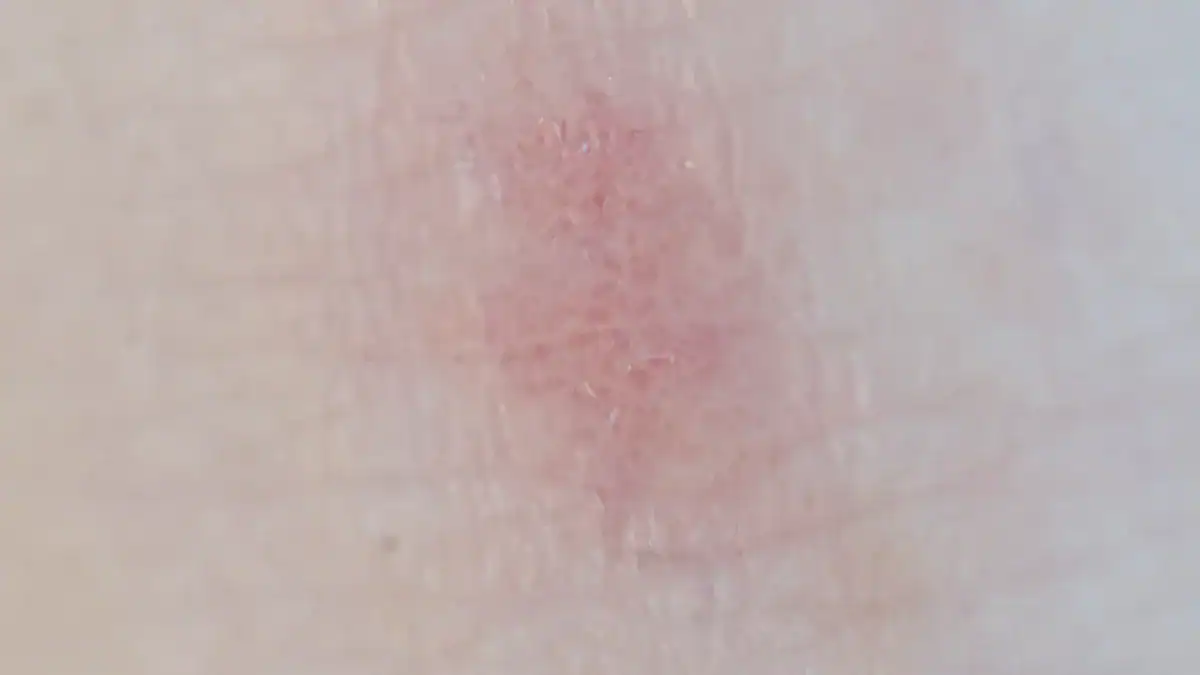
You should always pay close attention to any new or changing lump on your body. While many shin lumps are harmless, some signs tell you to seek medical help right away. Any lump that stays for several weeks needs a doctor’s check. This section helps you understand when to worry about a lump.
Pain and Discomfort
Pain is a key signal your body sends. You should worry if your shin lump causes severe pain. Also, watch for pain that gets worse over time. Pain that does not get better with rest is a concern. Pain that wakes you up at night also needs medical attention. These types of pain can point to more serious issues.
Changes in the Lump
You must carefully observe your shin lump for any changes. Rapid growth is a major red flag. If the lump quickly gets bigger, you need to see a doctor. Changes in the lump’s color, warmth, or redness are also concerning. A lump that becomes more tender or changes its shape needs evaluation.
Consider the lump’s texture. Lumps can feel hard and firm or soft and squishy. A hard, unmovable lump is especially worrying. This type of lump, particularly if it grows quickly, needs medical diagnosis. It differs from a typically soft, movable non-cancerous lump. For example, a bone cancer lump might feel hard. A benign cyst could feel more like jelly.
Look for these specific changes:
Persistent Growth: The lump continues to increase in size over weeks or months.
Size: Lumps larger than two inches need evaluation. A large, hard lump appearing suddenly can indicate a cancerous condition.
Texture: Lumps that are firm, fixed, or hard, especially if large, should prompt medical consultation.
Skin Changes:
Redness around the lump.
Warmth around the lump.
Darkening of the skin around the lump.
Patches of skin that are swollen, red, painful, and warm to the touch.
The reddened area grows or hardens.
These changes can suggest a serious problem, such as an infection or even a rare bone cancer like adamantinoma. A rapidly growing, hard, and fixed lump could be an adamantinoma.
Associated Symptoms
Sometimes, a shin lump comes with other symptoms throughout your body. These are called systemic symptoms. They can be very important. You should worry if you have:
Fever
Chills
Unexplained weight loss
Night sweats
Fatigue
Weakness
Numbness or tingling in your leg or foot
Difficulty walking or bearing weight on your leg
These symptoms can sometimes lead to delays in diagnosis. People might mistake them for infections or even growing pains. However, when they appear with a shin lump, they can signal a more serious underlying condition. This includes certain types of cancer, like adamantinoma. If you experience these symptoms, you need to see a doctor quickly. They can help determine if your shin lump is an adamantinoma or another serious issue.
Lump After Injury
You should always pay attention to a lump that appears after an injury. Any lump that forms after significant trauma needs medical review. This is especially true if you also see a deformity in your leg. If you cannot use your leg or put weight on it, seek immediate medical help. An injury could cause a fracture or other damage. Sometimes, a lump after injury can hide a more serious problem, such as an early sign of adamantinoma, if the injury draws attention to a pre-existing condition.
Shin lumps have many different causes. Some are harmless, but others need medical attention. You must watch your shin lump closely. Seek medical help if it causes severe pain, grows, or restricts movement. Also, see a doctor if you notice signs of infection like redness or warmth. A lump that does not improve after about a week also needs checking. Always talk to a healthcare professional about any persistent, worsening, or concerning shin lump. They will give you an accurate diagnosis and the right treatment.