

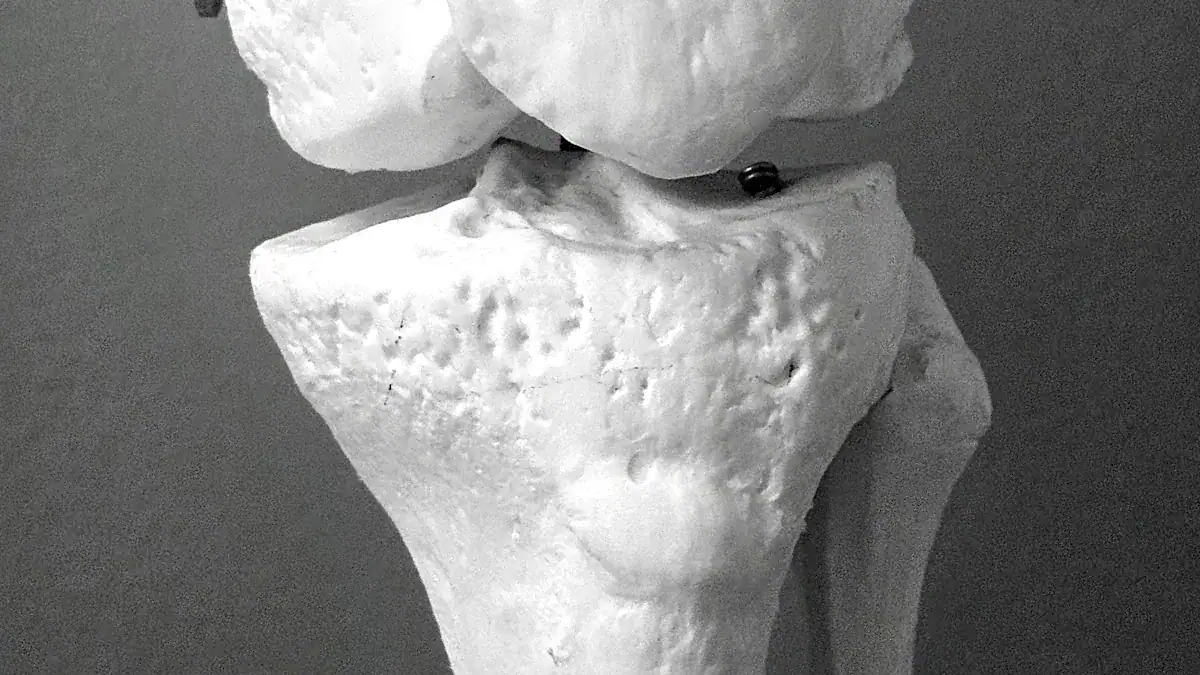
Do you experience knee pain or swelling? Frequent knee pain affects about 25% of adults. Many people also experience knee swelling, especially in the knee joint. For example, about 30% of individuals with knee osteoarthritis report subjective knee swelling, and 33% have joint effusion. Sometimes, this discomfort comes from a specific issue: suprapatellar joint effusion. This means fluid builds up above your kneecap in the knee joint. This blog helps you understand this common joint condition. You will learn its causes, recognize its symptoms, and find ways to get relief. Understanding your knee joint and its health is key to managing this joint effusion effectively.
Key Takeaways
- Suprapatellar joint effusion means extra fluid collects above your kneecap, causing swelling and discomfort.
- Injuries, overuse, and certain diseases like arthritis can cause fluid to build up in your knee.
- Common signs include swelling, pain, and difficulty moving your knee.
- You can get immediate relief by resting, icing, compressing, and elevating your knee.
- Doctors diagnose this condition with exams and imaging. They may remove fluid or give injections to help.
Understanding Suprapatellar Joint Effusion
What is Suprapatellar Joint Effusion
Suprapatellar joint effusion means you have extra fluid in your knee joint, specifically above your kneecap. This condition is a type of joint effusion. It happens when fluid builds up in the space around your knee joint. Your knee joint needs some fluid to move smoothly. However, too much fluid causes swelling and discomfort. When you experience this, your knee joint feels full or puffy. This specific type of knee joint effusion affects the area just above your patella, which is your kneecap.
Common Term: Water on the Knee
You might hear people call suprapatellar joint effusion “water on the knee.” This common term describes the same problem: excess fluid in your knee joint. When you have water on the knee, your knee looks swollen. You might feel a squishy sensation around the joint. This extra fluid is not actually water. It is usually synovial fluid, which lubricates your joint, or sometimes blood or pus. Recognizing water on the knee helps you understand that you have a form of joint effusion. This swelling can make your knee joint stiff.
Anatomy of the Suprapatellar Bursa
To understand suprapatellar joint effusion, you should know about the suprapatellar bursa. This bursa is a small, fluid-filled sac located in your knee. It sits deep above your kneecap, between your quadriceps tendon and the front surface of your thigh bone (femur). This bursa extends upward from your kneecap. In most people, this bursa connects directly with the main knee joint cavity. Doctors sometimes call it the suprapatellar recess of the knee joint. Its main job is to reduce friction. It helps your quadriceps tendon glide smoothly over your femur when you bend and straighten your knee. When this bursa or the surrounding joint gets irritated, it can fill with fluid, leading to joint effusion.
Causes of Knee Effusion
Many things can cause fluid to build up in your knee. Understanding these reasons helps you find the right treatment. This section explores the main causes of joint effusion.
Trauma and Injury
Injuries are a common reason for fluid in your knee. You can get joint effusion from direct blows or falls. Sports injuries often lead to this problem. For example, torn ligaments, like your Anterior or Posterior Cruciate Ligaments, can cause significant swelling. A dislocated kneecap also results in fluid buildup. Fractures in the lowest part of your thigh bone or the top part of your shin bone are other reasons. Damage to the cartilage covering your bones can also cause effusion. Sometimes, a torn meniscus, the shock-absorbing pad in your knee joint, leads to a large swelling.
Overuse and Repetitive Strain
Repeated stress on your knee can also cause fluid to collect. This happens when you use your joint excessively. For instance, running too frequently or too intensely can lead to knee joint effusion. Activities that involve a lot of jumping put repeated stress on your suprapatellar bursa and tendon. Repetitive kneeling also strains your joint. These actions can irritate the knee structures and cause fluid to accumulate.
Inflammatory Conditions
Certain diseases cause inflammation throughout your body, including your joints. Autoimmune diseases, like rheumatoid arthritis, can lead to joint effusion. Your body’s immune system mistakenly attacks your own tissues. This causes swelling and pain in your knee. Gout and pseudogout are other inflammatory conditions. They cause crystals to form in your joint, leading to sudden, painful effusion.
Degenerative Joint Diseases
Wear and tear on your joints over time can also cause fluid buildup. Osteoarthritis is a common degenerative joint disease. The cartilage that cushions your bones breaks down. This causes friction and inflammation, leading to effusion in your knee. As the joint degenerates, it produces more fluid to try and lubricate itself.
Infections and Other Medical Issues
Sometimes, bacteria can infect your knee joint. This causes septic arthritis, a serious type of joint effusion. Staphylococcus aureus is a very common bacteria that causes this. Other bacteria include streptococci, Neisseria gonorrhoeae, and Haemophilus influenzae. These infections require urgent medical attention. Other rare medical issues can also be among the causes of joint effusion.
Recognizing Effusion Symptoms
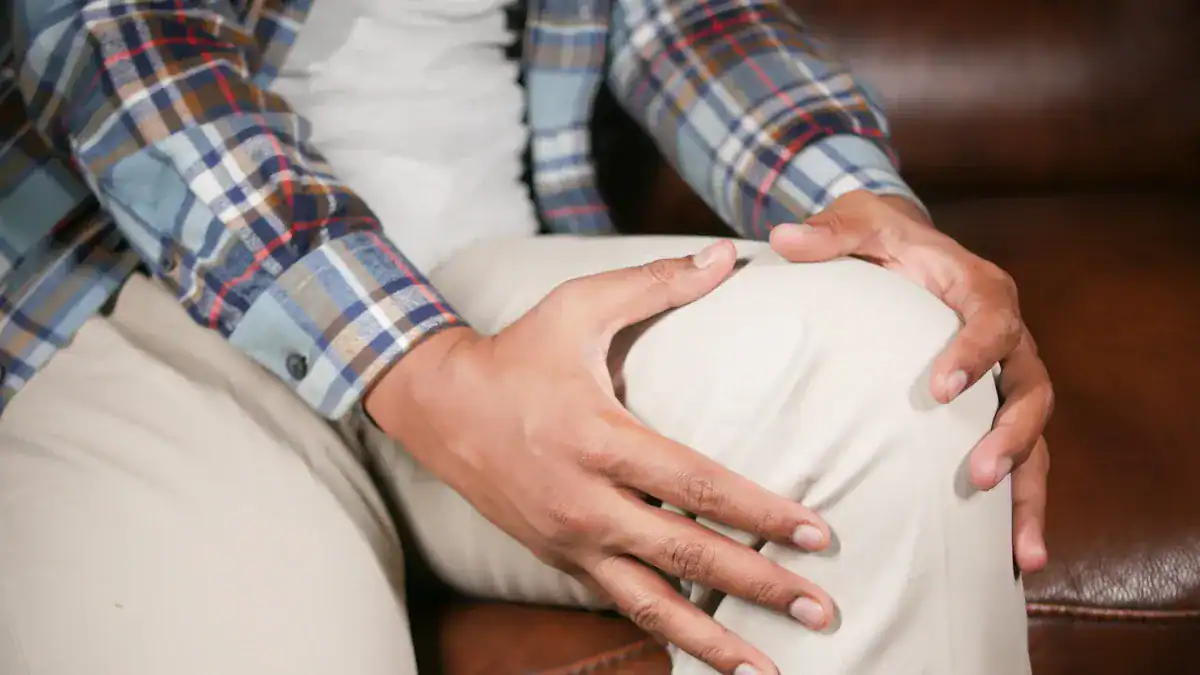
When you have fluid in your knee, you will notice certain signs. Recognizing these symptoms helps you understand what is happening. Here are the common symptoms of joint effusion.
Swelling and Appearance
The most obvious sign of joint effusion is swelling. Your knee will look puffy or larger than normal. You might see a rounded, soft tissue density above your kneecap. This is the fluid collecting. On imaging, this effusion appears as a well-defined, rounded area. It separates fat pads by more than 10 mm. The fluid can also make your knee joint feel warm to the touch. Sometimes, the skin over your swollen joint may look red. You might feel a squishy sensation when you press on the swollen joint. This happens because the fluid distends the suprapatellar recesses.
Pain and Discomfort
You will likely feel pain in your knee. This pain can range from a dull ache to a sharp, throbbing sensation. The amount of pain often depends on how much fluid has built up. More fluid usually means more discomfort. The pressure from the swelling contributes to this pain. You might feel tenderness around the joint.
Restricted Knee Movement
A swollen joint makes it hard to move your knee freely. You will experience limited range of motion. It becomes difficult to bend or straighten your knee. With extensive swelling, you may not be able to fully extend your knee. Your knee might naturally rest at a 15° angle when you are not using it. This stiffness is a common symptom of joint effusion.
When to Seek Urgent Care
Sometimes, you need to see a doctor right away. If your knee suddenly becomes very swollen and painful, seek urgent care. Look for signs like severe pain, inability to bear weight, or a fever. Redness and warmth that spread quickly are also serious symptoms. These could mean an infection in your joint. Do not delay seeking medical help for these symptoms.
Immediate Relief for Joint Effusion
When you experience sudden fluid buildup in your knee, you want quick relief. You can take immediate steps to manage your symptoms. These actions help reduce swelling and discomfort. They also protect your knee from further damage. This section guides you through initial strategies for immediate relief.
RICE Protocol
The RICE protocol is a common first-line treatment for many injuries, including joint effusion. It stands for Rest, Ice, Compression, and Elevation. You can apply these steps right away to your affected knee.
- Rest: You must immediately stop any activity that causes pain. Keep your injured knee as still as possible. Avoid putting weight on it. The time you need to rest depends on how severe your joint effusion is. Minor issues might need a few days. More severe problems could require weeks. Always listen to your body. If movement causes pain, continue resting.
- Ice: Apply ice or a cold pack to your injured knee. Wrap the ice pack in a thin towel first. Apply it for 20 minutes every two hours during the first 48 to 72 hours. This helps constrict blood vessels. It reduces swelling, inflammation, and pain in your joint. You can also apply ice for 10 minutes, stop for 20 minutes, and then repeat this one or two more times. Stop icing within six hours of the injury.
- Compression: Use an elastic bandage or knee support. Wrap it from below the injured area upwards. Make sure the wraps overlap slightly. The wrap should feel firm enough to prevent fluid accumulation. It should also control inflammation. However, do not wrap it so tightly that it cuts off your circulation. This reduces pain, helps healing, and stabilizes your knee joint. Loosen the bandage if the skin below turns blue, feels cold, numb, or tingly. Seek medical help if these symptoms persist.
- Elevation: Lie down and prop your injured leg on pillows or cushions. Your knee should be higher than your heart. This uses gravity to drain excess fluids. It reduces swelling, discomfort, and internal pressure in the joint. Elevate your leg as often as possible, especially during the first 48-72 hours.
Pain Management at Home
You can manage the pain from joint effusion with over-the-counter medications. Non-steroidal anti-inflammatory drugs (NSAIDs) are a good choice. These include ibuprofen or naproxen. They help reduce both pain and inflammation in your knee joint. Always follow the dosage instructions on the package. If you have other health conditions, talk to your doctor before taking new medications.
Support and Immobilization
Sometimes, your knee needs extra support to heal. You can use splints or braces. These devices help stabilize your knee joint. They prevent movements that could worsen your joint effusion. Your doctor might also recommend partial or non-weight-bearing. This means you should avoid putting full weight on your injured leg. You might use crutches to help you move around. This protects your knee and allows the fluid to decrease. This immediate treatment helps your knee begin its recovery.
Diagnosis and Underlying Cause
Finding the exact cause of your joint effusion is the first step. Your doctor will perform a physical exam. They will look at your knee, feel for swelling, and check your range of motion. You might also need imaging tests. These tests help your doctor see inside your knee joint.
- Radiography (X-ray): This can show bone problems, like fractures or arthritis.
- Ultrasonography (Ultrasound): This method uses sound waves. It can show fluid in your knee joint. Ultrasound is a good choice if you cannot have an MRI.
- Computed Tomography (CT): This scan provides detailed cross-sectional images of your knee.
- Magnetic Resonance Imaging (MRI): Doctors consider MRI the most accurate test for evaluating knee joint effusion. It can find even small amounts of fluid. MRI also helps identify problems with your cartilage, ligaments, and other soft tissues. It shows typical signs of synovial abnormalities.
Sometimes, your doctor may remove some fluid from your knee. This process is called fluid aspiration. They send the fluid to a lab for analysis. This helps in diagnosing joint effusion, especially if an infection or gout is suspected.
Fluid Aspiration and Injections
Your doctor might remove excess fluid from your knee. This procedure is called fluid aspiration or arthrocentesis. It helps reduce pressure and pain. Analyzing the fluid also helps your doctor understand the cause of your joint effusion. After clearing the joint space, your doctor might give you an injection.
Here are common types of injections:
- Corticosteroids: These are strong anti-inflammatory medicines. Doctors often mix them with an anesthetic. They can quickly reduce swelling and pain in your knee. These steroids change how your body responds to inflammation. They also stop harmful enzymes. Injecting them directly into the joint maximizes benefits and reduces side effects.
- Viscosupplementation: This involves injecting hyaluronic acid into your joint. Hyaluronic acid helps lubricate your joint and makes movement smoother. This is very helpful if you have osteoarthritis.
- Stem Cell Injections: These injections use stem cells, often from amniotic fluid. They promote natural healing. These cells release growth factors and reduce inflammation. Your body recognizes these cells as natural, which lowers the risk of rejection.
Physical Therapy
Physical therapy plays a key role in your recovery. A physical therapist will guide you through exercises. These exercises help strengthen your knee and improve its movement.
Here are some beneficial exercises:
- Quadriceps Stretch: You stand, bend one knee behind you, and grasp your ankle. Hold this for 30-45 seconds. This improves flexibility.
- Hamstring Stretch: You can lie on your back and gently pull a straight leg to your chest. Or, you can sit and reach for your toes. Hold for 20-30 seconds. This improves your range of motion.
- Seated Chair Slide: Sit in a chair. Cross your unaffected ankle over your affected leg. Slide your affected foot back. Hold for 5-10 seconds. This increases your range of motion.
- Prone Extension Stretch: Lie face down on a bed. Let your legs hang off the edge. Place a small rolled towel under your thighs. Gravity helps straighten your legs. Hold for 30-60 seconds. This improves knee flexibility.
- Step-Up Exercise: Stand in front of a low step. Step up with one foot, then bring the other foot up. Repeat 15 times per leg. This builds lower body strength.
- Straight-Leg Lift: Lie on your back with one leg bent. Slowly lift your straight leg to 45 degrees. Hold, then lower. Repeat 20 times per leg. This strengthens your quadriceps without putting pressure on your knee.
- Quad Set, Hamstring Curl, Heel Slide: These are also common exercises to strengthen and improve movement in your joint.
Low-impact activities like walking or cycling are also helpful. They increase blood flow to your knee. This supports tissue repair and reduces stiffness.
Surgical Considerations
Most cases of joint effusion do not require surgery. However, surgery becomes an option in severe situations. Your doctor might consider surgery if fluid keeps coming back despite other treatments. This is especially true after a major injury or significant joint damage. Knee replacement surgery is a treatment option for the most severe instances of joint effusion.
Preventing Recurrence
You can take steps to prevent fluid from building up in your knee again. These actions help keep your knee healthy and strong.
Strengthening Knee Support
Strong muscles around your knee provide good support. This reduces stress on your knee joint. You should do exercises to strengthen your quadriceps and hamstrings. For example, try a quadriceps stretch. Stand and pull one foot up behind you. Hold it for 30 seconds. You can also do a hamstring stretch. Sit on the floor and reach for your toes. Hold this for 30 seconds. Leg lifts are also helpful. Lie on your back and slowly lift one straight leg about 12 inches. Hold it for 5 seconds. Heel raises strengthen your calves. Stand and rise onto your toes. These exercises make your knee joint more stable.
Proper Activity Preparation
Always prepare your body before you exercise. A good warm-up increases blood flow. It gets your muscles ready. Spend 5-10 minutes on light cardio, like walking or cycling. Then, do dynamic stretches. These include leg swings and high knees. After your workout, cool down for 5-10 minutes. Stretch your quadriceps, hamstrings, and hip flexors. This improves flexibility and prevents stiffness in your knee. You can also do squats and lunges to prepare your knee for activity.
Weight Management
Your body weight greatly affects your knee health. Losing weight can reduce the chance of joint effusion. Studies show that losing weight decreases effusion-synovitis progression. This means less fluid buildup and inflammation in your knee joint. A decrease in fat around your knee also helps. This is important if you are overweight or obese. Managing your weight protects your knee from extra stress. It helps prevent future joint effusion.
Protective Measures
Protect your knee during daily activities. Wear proper footwear that supports your feet. Avoid activities that put too much stress on your knee. Listen to your body. If you feel pain, stop the activity. Use knee pads if you do activities that involve kneeling. These simple steps help protect your knee joint from injury and fluid buildup.
When to Consult a Doctor
You might wonder when your knee problem needs a doctor’s visit. While home care helps with minor issues, some signs mean you need professional medical attention. Knowing when to seek help protects your knee health. This is especially true if you suspect joint effusion.
Persistent Symptoms
Your knee might hurt for a few days. However, persistent knee symptoms that last longer than three months are typically classified as chronic knee pain. This duration indicates a condition that warrants medical attention. You should schedule an office visit if your knee problem results from a forceful impact. Also, seek help if you have significant swelling, redness, tenderness, warmth around the joint, significant discomfort, or a fever. If your knee injury involves a deformed joint, a popping noise, inability to bear weight, intense pain, or sudden swelling, seek immediate medical attention.
Signs of Infection
An infected knee joint requires quick and aggressive treatment. You need to manage symptoms and prevent long-term complications. Immediate medical attention is required if your knee appears deformed, swollen, or warm to the touch. A warm, swollen knee can indicate an infection or a serious injury. Look for intense discomfort, swelling, and redness. The affected area will feel warm or hot. You might also experience fever or chills. These systemic symptoms may occur if the infection spreads. Limited range of motion is also common. You will find it hard to fully bend or straighten your knee. Contact a healthcare provider promptly if these symptoms are present. Quick treatment with IV antibiotics and drainage can minimize serious complications.
Severe Pain or Instability
Urgent medical evaluation for knee problems is indicated when you experience severe pain, swelling, and instability. You might also have an inability to bear weight. This is especially true if these symptoms are associated with acute trauma. If your knee looks misshapen, it could suggest a dislocation or another physical injury. In these situations, home care is insufficient for proper healing.
You now understand suprapatellar joint effusion. This condition can be painful, but knowing its causes and available treatment empowers you. Early diagnosis and proper intervention are crucial for managing suprapatellar joint effusion. Take steps to prevent recurrence. Always consult a healthcare professional for personalized advice. Proactive care leads to better outcomes and a pain-free life, managing your joint effusion effectively.


