

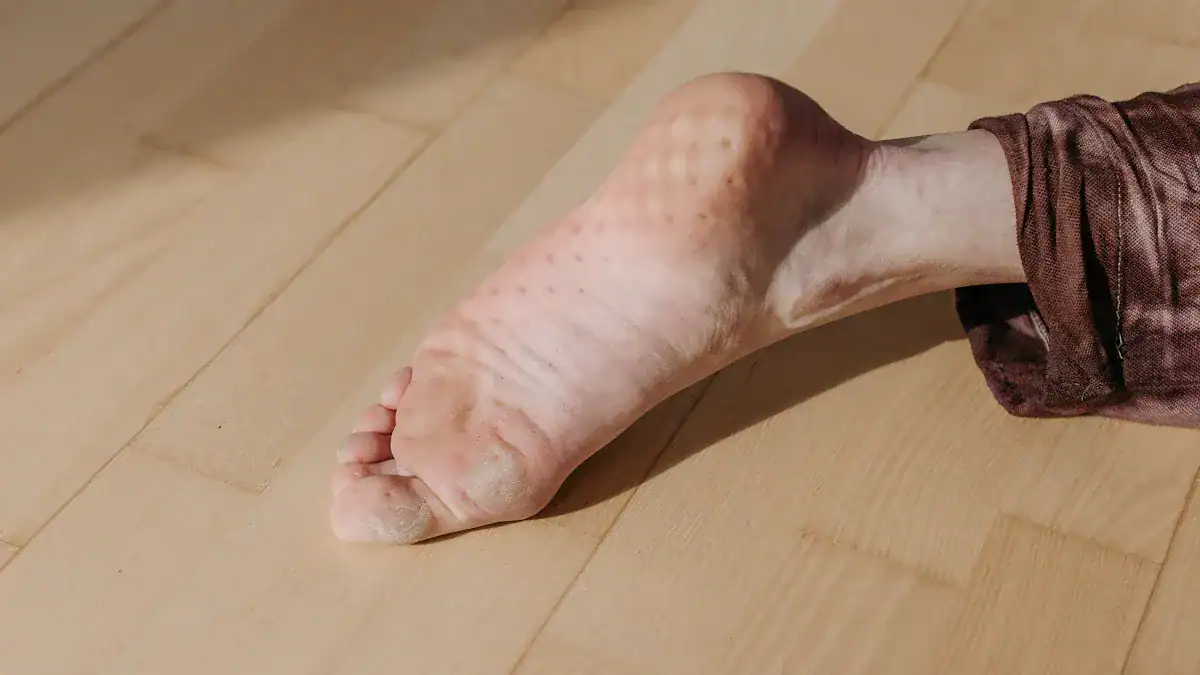
You might notice swelling in one foot, a common concern. This unilateral foot swelling, medically known as edema, can often be harmless. For example, long hours standing, walking, or even mild inflammation after a workout can cause it. Pregnancy or heat and humidity also lead to such swelling. However, swelling of one foot can sometimes signal a more serious underlying condition. Trauma, like a sprain, or conditions like arthritis and foot infections can also cause this swelling. Understanding the potential causes, diagnostic steps, and treatment options is crucial. This guide helps you navigate this symptom for timely and appropriate care.
Key Takeaways
One-foot swelling means only one foot is swollen. It can be harmless, but it can also signal serious health problems.
Common causes of one-foot swelling include injuries, infections, and conditions like gout. More serious causes are blood clots (DVT) or issues with your heart, kidneys, or liver.
See a doctor right away if you have sudden, painful swelling, redness, warmth, or if you suspect a blood clot. These are signs of a serious problem.
You can help mild swelling at home by elevating your foot, using compression socks, and staying hydrated. However, always treat the main cause of the swelling.
Doctors find the cause of swelling by asking about your health, doing a physical exam, and using tests like ultrasounds or blood tests.
Understanding Swelling of One Foot

Meaning of Unilateral Edema
You might notice one foot looks larger than the other. This is unilateral edema. Unilateral edema means swelling affects only one leg. This condition happens when fluid builds up in your body’s tissue. You will see one leg increasing in size compared to the other. The medical term for this fluid retention and enlargement is edema. It specifically refers to the visible puffiness caused by trapped fluid.
Unilateral vs. Bilateral Swelling
Understanding the difference between unilateral and bilateral swelling helps you know what might be happening. Unilateral swelling means only one foot or leg is affected. Bilateral swelling means both feet or legs are swollen. The causes for each type of swelling are often very different.
Causes of unilateral swelling usually involve a localized problem. For example, an injury, an infection like cellulitis, or a blood clot such as deep venous thrombosis (DVT) can cause swelling in just one foot. Lymphedema, a condition where lymph fluid collects, also typically affects one limb.
In contrast, bilateral swelling often points to a systemic issue. This means a problem affects your whole body. Conditions like congestive heart failure, kidney failure, or liver disease can cause both feet to swell. Some medications or simply standing for long periods can also lead to bilateral swelling. However, some factors, like certain medications or gravitational effects, can sometimes cause swelling in one foot or both.
Common Causes of One-Foot Swelling
You might experience swelling in one foot for many reasons. These causes of swelling range from minor issues to more serious conditions. Understanding these can help you know when to seek help.
Injuries and Trauma
An injury is a very common reason for swelling of one foot. If you sprain your ankle, break a bone, or suffer a direct impact, your body sends fluid to the injured area. This fluid helps with healing but also causes swelling. You will notice pain, bruising, and difficulty moving the foot.
Infections (e.g., Cellulitis)
Infections can also cause one foot to swell. Cellulitis is a common skin infection that makes your skin red, warm, and swollen. Bacteria enter through a break in your skin. Common bacteria causing cellulitis include Streptococcus (strep) and Staphylococcus (staph). Specifically, Group A Streptococcus and Staphylococcus aureus are frequent culprits. You might also have a fever or chills.
Venous Insufficiency and Varicose Veins
Your veins carry blood back to your heart. If the valves in your leg veins do not work well, blood can pool in your lower leg and foot. This condition is venous insufficiency. It can lead to chronic swelling in legs and feet, often affecting one side more than the other. Varicose veins, which are twisted, enlarged veins, can also contribute to this problem.
Gout and Other Arthritis
Gout is a type of arthritis that often affects your big toe. It causes sudden, severe pain, redness, and swelling. This happens when uric acid crystals build up in your joint. You might experience rapid inflammation, reaching its peak within a day. Doctors can diagnose gout by finding uric acid crystals in your joint fluid. If crystal identification is not possible, a diagnosis can be made if you have at least six out of ten specific features. These include an attack affecting a single joint, redness over the joint, and involvement of your big toe.
Lymphedema
Lymphedema occurs when your lymphatic system cannot drain fluid properly. This leads to fluid buildup and swelling. Secondary lymphedema, which affects one foot, can result from several factors. Filariasis, a parasitic infection, is a major cause globally. Cancer and its treatments, like lymph node removal, can also cause it. Obesity can also impair lymphatic return, leading to this type of swelling.
Insect Bites and Allergic Reactions
An insect bite can cause localized swelling on one foot. When an insect bites you, it injects substances that trigger your immune system. This causes swelling, redness, and itching. Mosquito bites are a common cause of swollen ankles and feet. If you experience significant swelling from a mosquito bite, you should not ignore it.
Serious Causes of One Leg Swollen
Sometimes, a swelling in one leg can point to more serious health issues. You should understand these conditions. They require prompt medical attention.
Deep Vein Thrombosis (DVT)
Deep vein thrombosis, or dvt, is a serious condition. It happens when a blood clot forms in a deep vein, usually in your leg. This clot can block blood flow. It can also break off and travel to your lungs. This causes a pulmonary embolism, which is a life-threatening emergency.
You might experience several symptoms if you have dvt:
Swelling: Often, you will notice puffiness in one ankle or foot. This makes one shoe feel tighter. It typically affects only one leg.
Redness: A faint pink or light red streak might appear along the vein path. This can come and go. It becomes more persistent as the dvt progresses.
Leg Pain: You might feel a dull, persistent ache. This often starts in your calf or deep in your thigh. It does not improve with rest or stretching. The pain can range from a dull ache to intense throbbing.
Warmth: You may feel a warm sensation in the affected limb. This is often subtle. You can notice it when comparing the temperature of both legs. It can be localized over the clot.
Leg Cramps: You might have persistent cramps. These do not subside with stretching or walking. They feel deeper than surface muscle cramps. They typically occur in your calf or thigh. Pain may intensify when you bend your foot upward.
Skin Discoloration: Initial changes can be subtle. You might see a slight change in skin tone or a faint bluish tint. This often appears around your ankle or lower leg. This happens because damaged blood cells break down in high-pressure areas.
Calf pain on dorsiflexion of the foot (Homans sign): This is a recognized physical finding. However, it is not always reliable.
Palpable, indurated, cordlike, tender subcutaneous venous segment: You might feel a hard, tender cord under your skin.
Unilateral lower-extremity edema, erythema, tenderness, or warmth: Your lower leg might show swelling, redness, tenderness, or warmth.
Variable discoloration or blanched appearance of the leg due to edema: This is relatively rare. Your leg might look discolored or pale due to the swelling.
Heart, Kidney, or Liver Issues
Problems with your heart, kidneys, or liver can also cause swelling in legs and feet. These conditions usually cause swelling in both legs. However, sometimes, you might notice it more prominently in one leg. This can happen if you have an underlying issue that makes one side more susceptible. For example, if you have heart failure, your heart cannot pump blood effectively. This leads to fluid buildup. Kidney disease means your kidneys cannot remove excess fluid and waste. Liver disease can affect protein production. These proteins help keep fluid in your blood vessels. When protein levels drop, fluid leaks into your tissues.
Cysts and Tumors
Cysts and tumors can cause one leg swollen by pressing on blood vessels or lymphatic pathways. This pressure blocks the normal flow of fluid. This leads to localized swelling.
Here are some types of cysts and tumors that can cause unilateral foot swelling:
Ganglion cyst (in your groin, causing common femoral vein compression)
Synovial cyst (in your groin, causing common femoral vein compression)
Ilio-pectineal bursitis (causing extrinsic femoral vein compression, which can lead to cyst formation)
You can also see how different conditions cause swelling:
Category | Type of Cyst/Tumor |
|---|---|
Chronic Unilateral Leg Edema | Pelvic tumor or lymphoma (causing external pressure on veins) |
Acute Unilateral Leg Edema | Ruptured Baker’s cyst |
A ruptured Baker’s cyst, for instance, can cause sudden pain and swelling behind your knee. This can extend down into your calf and cause swollen ankles. Tumors in your pelvis or abdomen can press on major veins. This blocks blood return from one leg. This causes persistent swelling.
When to Seek Medical Care
You need to know when to seek medical help for a swollen foot. Some symptoms require immediate attention. Others allow for a more relaxed approach.
Urgent Symptoms
You should seek immediate medical care if you experience certain symptoms. These are “red flags” that signal a serious problem.
You have sudden, painful swelling, especially if it appears overnight.
You feel severe pain with the swelling.
You see signs of infection like redness, warmth, or discharge.
You notice unilateral swelling (only one foot or leg affected). This can indicate a blood clot or other serious condition.
You have new or worsening swelling and a history of heart, kidney, or liver disease.
Your swelling does not improve with rest and elevation.
The swelling makes it hard to wear shoes or walk comfortably.
If you suspect a deep vein thrombosis (DVT), act quickly. Look for pain, cramping, or soreness, usually starting in your calf muscle. You might see changes in skin color, often red or purple. Your affected leg may feel warm. Immediate treatment is crucial. Blood clots can detach and travel to your lungs, causing a pulmonary embolism.
Non-Urgent Symptoms
Sometimes, your foot swelling might not be an emergency. You might notice mild swelling after a long day of standing or walking. It could also happen after a minor bump or bruise. If the swelling is mild, goes away with rest and elevation, and you have no other concerning symptoms, you can usually monitor it at home. However, if it persists or worsens, you should still see a doctor.
Risk Factors
Certain factors can increase your risk of developing conditions that cause one-foot swelling. You should be aware of these.
You have an injury, such as a strain or sprain.
You have an insect bite or sting.
You have problems with your kidneys, liver, or heart.
You have a blood clot.
You have an infection.
Understanding these risks helps you stay vigilant. You can then seek help when needed.
Diagnosing the Cause
When you have swelling in one foot, your doctor will work to find the exact reason. This process involves several steps.
Medical History and Physical Exam
Your doctor starts by asking you many questions. This is your medical history. They will ask about any existing medical conditions you have. You will discuss past surgeries, especially on your leg or pelvis. Your doctor will also ask about all medications you take. This includes prescriptions and over-the-counter drugs. They want to know if the swelling started after you began any new medicine. You will also share your family’s health history, like if anyone had blood clots or heart problems. Your doctor will ask if the swelling is only in one leg and which leg it is. They will also ask about other symptoms like fever or weight loss.
Next, your doctor will perform a physical exam. They will look at and feel your legs and feet. They compare both legs to see if one is larger. Your doctor will press on your foot or ankle with a finger. This checks for pitting edema, where an indentation stays after pressure. They will also feel your skin temperature. This helps them find any warm or cool spots. Your doctor might use specific criteria, like the Wells criteria, to check your risk for a blood clot.
Imaging Tests
Doctors often use imaging tests to see inside your body. A duplex ultrasound (DUS) is usually the first test. It uses sound waves to check your veins and blood flow. This test can find blood clots, problems with your veins, or other issues. If the ultrasound does not give enough information, you might need a CT scan or an MRI. These tests can show more detail, especially in your abdomen or pelvis. They can also check your bones and muscles. Sometimes, doctors use venography or specialized tests like lymphoscintigraphy for lymphedema.
Blood Tests
Your doctor may order blood tests. These tests can check for signs of infection. They can also look for inflammation in your body. For example, a D-dimer test can help rule out a blood clot. Other blood tests can check how well your kidneys or liver are working.
Specialized Procedures
Sometimes, you might need more specific procedures. If your doctor suspects gout, they might take a sample of fluid from your joint. If they find a lump or growth, they might suggest a biopsy. This involves taking a small tissue sample to examine it closely. These procedures help your doctor make a precise diagnosis.
Home Remedies and Self-Care
You can often manage mild swelling with simple steps at home. These methods help reduce fluid buildup and improve comfort.
Elevate Your Feet: You can raise your foot above heart level. Use pillows when you lie down. This helps fluid drain away from your foot.
Wear Compression Socks: These socks gently squeeze your tissues. They improve blood flow and lymphatic drainage. Always talk to your doctor before using them, especially if you have heart issues.
Massage Your Feet: Gently massage your foot and ankle. Move your hands towards your heart. This stimulates circulation and reduces inflammation. For lymphedema, this helps move lymph fluid.
Exercise Regularly: Low-impact activities are good. Try walking, yoga, swimming, or cycling. These exercises enhance blood circulation. Avoid sitting or standing for too long.
Stay Hydrated: Drink plenty of water and natural juices. This helps your body flush out excess fluid. Avoid alcohol and caffeine.
Adjust Your Diet:
Reduce Salt Intake: Sodium directly links to fluid retention. Choose low-sodium foods and fresh produce. Avoid adding salt to meals. Check food labels for hidden sodium.
Increase Potassium-Rich Foods: Potassium helps reduce sodium’s effects. Sodium contributes to water retention. Include foods like dried apricots, lentils, acorn squash, potatoes, kidney beans, and orange juice. Consult your doctor if you have kidney disease or other medical conditions.
Add Magnesium to Your Diet: Foods like almonds, cashews, spinach, potatoes, and brown rice can boost magnesium levels. Most adult males need 410–420 mg daily. Females need 310–320 mg. Magnesium helps with fluid retention. Seek medical advice before taking supplements, especially with kidney or heart conditions.
Manage Your Weight: High body weight affects blood circulation. It can lead to swelling in legs and feet. Losing weight eases strain on your feet and reduces swelling.
Relax with an Epsom Salt Bath: A cool Epsom salt bath may reduce inflammation and soothe muscles. Scientific evidence for this is limited. Consult your healthcare provider first.
Cool Down with Ice Packs: Apply a cold compress or ice pack to the swollen area. Do this for 10-15 minutes. It eases pain and decreases swelling
Compression Therapy
Compression therapy uses external pressure. This pressure helps reduce swelling and improve circulation. You have several options for compression devices.
Bandage Regimes: These include various types of bandages.
Hosiery or Garments: Compression stockings are common. They typically extend up to your knee. Longer versions or tights are available for swelling above the knee.
Wraps: Elastic bandages and Velcro wraps are often easier to apply. You usually layer them.
Inflatable Devices: These garments cover your legs. They inflate to provide pressure. Athletes commonly use them.
You can also find specialized compression systems:
Device Type | Description | Benefits |
|---|---|---|
Multi-layer compression systems | Two-, three-, or four-layer systems provide graduated compression. | They are comfortable. You can leave them on for up to 7 days. They maintain constant pressure. They protect against trauma. They suit draining wounds and larger legs. |
Short-stretch (inelastic) bandages | These bandages stretch no more than 60% of their original length. | They have low resting pressure and high working pressure. They are comfortable and reusable. |
Inelastic paste bandages | This is a zinc oxide paste boot. You often use an elastic wrap over it. | They have low resting pressure and high working pressure during gait. They are cost-effective and comfortable. They protect against trauma. They allow full ambulation. |
Adjustable hook and loop systems | These use a “Velcro” attachment method. | You can easily adjust them for girth fluctuations. They are long-lasting despite a high upfront cost. |
Long-stretch (elastic) bandages | These bandages stretch more than 100% of their original length. | They provide sustained compression during rest and activity. They are washable and reusable. |
Compression garments | These are tight-fitting elastic items. Examples include stockings, hose, pants, or shirts. | They offer a variety of pressures. You can customize them for your needs and fit. |
Tubular bandages | These are seamless, cylindrical bandages. They can be netted or solid material. | They come in multiple widths to accommodate leg shape changes. They are inexpensive. |
Longitudinal bandages | Elastic fibers run vertically in these. | They do not require multiple widths. They are comfortable and easy to don. |
Intermittent pneumatic compression devices | These apply external pressure. A cylinder pump encircles your leg. It repeatedly inflates and deflates. | They can be a “rescue” intervention. They are appropriate for patients who cannot tolerate sustained pressure or have restricted mobility. |
Physical Therapy
Physical therapy plays a vital role in reducing foot swelling. A physical therapist can teach you specific techniques and exercises.
Manual Lymphatic Drainage (MLD): This is a gentle, hands-on technique. It stimulates your lymphatic system. It moves fluid out of swollen areas.
Therapeutic Exercises: These are targeted movements. Examples include ankle pumps, toe raises, and heel slides. They activate muscle pumps. They promote blood and lymph flow.
Compression Therapy: Your therapist might use compression socks or sleeves. These apply gentle pressure and reduce swelling.
Soft Tissue Mobilization: This involves massage and stretching techniques. It reduces stiffness, relaxes muscles, and supports blood flow.
Elevation and Positioning Education: You receive guidance on properly elevating your legs. You also learn to adjust your posture. This minimizes swelling.
Gait Training and Movement Education: This helps you move safely. You learn to stay active without increasing inflammation.
You can also perform specific exercises:
Walking in place: This low-impact exercise improves circulation. It does not strain your joints. Stand with support and march in place. Lift your knees comfortably. Start with 5 minutes and gradually increase.
Lying down trunk rotation: This gentle stretch improves lower back and hip flexibility. It promotes fluid movement. Lie on your back. Bend your knees. Slowly let them fall to each side for 15-20 seconds. Repeat 20 times per side.
Cycling (Stationary bike): This low-impact cardiovascular activity boosts circulation. It strengthens your heart and improves vein health. Use a stationary bike. Adjust your seat height. Pedal at a comfortable pace for 10-15 minutes. Gradually increase the duration.
Standing leg lifts: This strengthens your leg and gluteal muscles. It supports better circulation, balance, and mobility. Stand with support. Lift one leg straight back. Hold for 5-10 seconds. Repeat 10-12 times on each leg daily.
Squats: This functional exercise strengthens your lower body. It helps pump fluid out of your legs and feet. Stand with feet shoulder-width apart. Push your hips back. Bend your knees to a 90-degree angle. Hold for one second. Repeat 8-12 times.
Surgical Options
Sometimes, you need surgery to address the cause of your swollen ankles or foot. This is especially true for chronic conditions.
Venoplasty and Stenting: Doctors use this for IVC or iliac vein compression or obstruction. Stent patency rates are high. They range from 90-100% for nonthrombotic patients. They are 74-89% for postthrombotic patients. However, predicting improvement in edema is difficult. Relief rates range from 66-89%.
Ablation Modalities: These are for significant saphenous reflux. Conservative care might not manage it well. Thermal and nonthermal ablation are recommended. One study showed 75.8% of patients reported reduced or resolved swelling after endovenous laser ablation (EVLA).
Deep Venous Reflux: For severe cases, especially with venous ulcers, you might consider other options. These include transposition of an axillary vein segment or deep vein ligation. Investigational prosthetic valves are also an option. Most cases are managed conservatively.
Managing Underlying Conditions
Effective treatment for swelling of one foot always involves managing the root cause. You must address the underlying condition.
Conservative Care: For mild edema of venous origin, you should avoid prolonged sitting or standing. You need frequent ambulation and exercise. Maintain an ideal body mass index (BMI). Use graduated compression stockings (GCSs).
Targeted Treatment: If you have heart, kidney, or liver issues, your doctor will treat those specific conditions. This helps reduce fluid retention. For DVT, you will receive blood thinners. For infections, you will get antibiotics. For gout, you will receive medication to lower uric acid.
You must work closely with your healthcare provider. They will create a personalized treatment plan. This plan addresses your specific diagnosis.
You must always evaluate swelling of one foot, especially if other concerning symptoms appear. Early diagnosis and appropriate treatment are crucial. They manage the condition effectively and prevent complications.
Consult a healthcare professional for an accurate diagnosis and a personalized treatment plan.
You can proactively manage your health. Listen to your body’s signals.
FAQ
What does “unilateral foot swelling” mean?
Unilateral foot swelling means only one of your feet is swollen. This happens when fluid builds up in the tissues of that single foot. It makes one foot look larger than the other.
What are common reasons for one foot to swell?
Common reasons include injuries like sprains or fractures. Infections such as cellulitis can also cause it. Conditions like gout, venous insufficiency, or insect bites are other frequent causes.
Why is Deep Vein Thrombosis (DVT) a serious cause of one-foot swelling?
DVT is serious because a blood clot forms in a deep leg vein. This clot can travel to your lungs. This causes a life-threatening pulmonary embolism. You need immediate medical care for DVT.
What can I do at home for mild swelling in one foot?
You can elevate your foot above your heart. You can also apply a cold compress. Wear compression socks if your doctor approves. Avoid standing or sitting for long periods.
When should I see a doctor for swelling in one foot?
You should see a doctor if you have sudden, painful swelling. Also seek care if you see redness or warmth. If you suspect a blood clot or have a history of heart issues, get medical help right away.


