


Dehydration presents a widespread, often underestimated danger. This is especially true for vulnerable populations like children and the elderly. It is a serious condition. Your body lacks sufficient fluid intake. Recognizing urgent signs of dehydration prevents severe health complications. This guide outlines 10 critical symptoms of dehydration. They demand your immediate attention.
Key Takeaways
Dehydration happens when your body loses more water than it takes in. It can cause serious health problems for your kidneys, brain, heart, and skin.
Watch for urgent signs of dehydration like extreme thirst, dark urine, dry mouth, feeling tired, dizziness, headaches, bad breath, muscle cramps, and cravings for sweets.
If you have severe symptoms, or if infants, children, or older adults show signs of dehydration, get medical help right away.
To rehydrate, drink water or special oral rehydration solutions slowly. Avoid sugary drinks, as they can make dehydration worse.
Prevent dehydration by drinking enough water daily, especially during exercise or in hot weather. You can track your fluid intake to stay hydrated.
Understanding Dehydration
What Is Dehydration
Dehydration happens when your body loses more fluids than it takes in. Water makes up a large part of your body weight. Your body needs water for many important functions. These include regulating body temperature, lubricating joints, and delivering nutrients. When you do not drink enough, your body cannot work properly. This condition can range from mild to severe. Even mild dehydration affects your daily performance and overall well-being.
Dangers Of Dehydration
The dangers of dehydration are significant. Your body struggles without enough water. Chronic dehydration can lead to serious health problems.
Kidneys: Your kidneys work hard to filter waste. Dehydration impairs their function. This can lead to kidney stones and urinary tract infections (UTIs). Waste products can also build up in your blood.
Brain: Your brain needs good blood flow and oxygen. Dehydration reduces these. You might experience headaches, dizziness, or confusion. It affects your focus and memory.
Heart: Your blood pressure can drop when you are dehydrated. Your heart must then work harder to pump blood. This extra strain can contribute to cardiovascular problems. It can even lead to heart disease.
Skin: Your skin needs hydration to stay healthy. Lack of water makes your skin dry and wrinkled. It can also speed up skin aging.
Digestive System: Dehydration slows down your digestive processes. This often results in issues like constipation.
Long-term dehydration also links to other serious conditions. These include high blood pressure and a higher risk of kidney stones. Older adults may experience lower cognitive function.
Studies also show links to coronary heart disease, heart failure, diabetes, and obesity. Dehydration can even contribute to faster aging and higher mortality rates. Recognizing symptoms of dehydration early is crucial.
10 Urgent Warning Signs Of Dehydration

Recognizing the urgent symptoms of dehydration is crucial for your health. These are the critical signs your body gives you when it needs water.
Extreme Thirst
Extreme thirst is often your body’s first cry for help. It signals that you are experiencing early stages of dehydration. Your body has a clever way of telling you when you need water. When you do not drink enough, the concentration of solutes in your body fluids increases.
This is called osmolality. This higher concentration pulls water from your cells into your blood. This dehydrates specific brain cells called osmoreceptors. These dehydrated brain cells then tell you to drink. They also release a hormone called antidiuretic hormone (ADH). ADH helps your kidneys reduce water loss through urine. If you lose a lot of fluid from your body, like from sweating, your blood volume can drop.
This is called hypovolemia. Special sensors in your blood vessels detect this. They send signals to your brain. This also makes you feel thirsty and releases more ADH. Your kidneys also play a role.
They release a substance called renin. Renin starts a chain reaction that produces angiotensin II (AngII). AngII also makes you thirsty and releases ADH. It also tells your body to hold onto sodium in your urine. Both ADH and AngII are hormones that tighten your blood vessels. This helps keep your blood pressure stable, especially to your brain, even if you cannot drink water right away.
Infrequent Urination
You might notice you are not going to the bathroom as often as usual. This is a clear sign your body is conserving water. When you are well-hydrated, you typically urinate several times a day.
Most people go to the bathroom between 6 and 7 times daily. Some healthy individuals might urinate up to 10 times a day. If you find yourself urinating much less frequently, it suggests you are not taking in enough fluids. Your urine might also appear very dark and have a strong smell. This indicates your kidneys are working hard to hold onto every drop of water.
Dark Colored Urine
Your urine color provides a quick and easy way to check your hydration status. Pale yellow urine, almost clear, means you are well-hydrated. As your body becomes more dehydrated, your urine turns a darker yellow, like apple juice.
In severe cases, your urine can become dark amber or even brownish. This dark color comes from a higher concentration of waste products your kidneys are trying to excrete with very little water.
Dry Mouth And Skin
A dry mouth is a common symptom of dehydration. You might feel your tongue is swollen or sticky. Your body produces less saliva when you lack fluids. This leads to that uncomfortable dry feeling. Your skin can also show signs of dehydration. You might notice it feels dry or less elastic.
This is called poor skin turgor. You can test this by gently pinching the skin on the back of your hand. If it takes a moment for the skin to snap back into place, it suggests reduced skin elasticity. This is often called ‘skin tenting’. This happens because your body loses fluid from the spaces between your cells. This reduces the volume of the interstitial compartment.
Elastin, a protein in your skin, helps it recoil. Even a small loss of water can make this recoil slower. Poor skin turgor can result from decreased fluid intake, diarrhea, vomiting, or excessive sweating without enough fluid. Keep in mind that as people get older, their skin naturally loses elasticity. This can make it harder to tell if reduced skin turgor in older adults is due to age or dehydration.
Fatigue And Weakness
Feeling unusually tired or sluggish? Dehydration can significantly impact your energy levels and mood. You might feel a general weakness throughout your body.
Even mild dehydration can make you feel sleepy and less alert. It can also increase feelings of confusion. Studies show that restricting fluid intake can make both men and women feel more tired. Your brain’s systems that control attention, motivation, and fatigue are affected by dehydration. This explains why you feel so drained. You might also notice lower levels of vigor and activity.
Dizziness Or Lightheadedness
You might feel dizzy or lightheaded, especially when you stand up quickly. This happens because dehydration reduces your blood volume. When your blood volume drops, your blood pressure can also decrease. This means your brain does not get enough oxygen. Your inner ear, which helps with balance, also needs proper blood flow. When it does not get enough, you can feel unsteady. This general weakness is a common dehydration symptom in adults.
Headache
A headache is a very common symptom of dehydration. The pain can range from mild to severe. You might feel a dull ache, or it could be sharp and throbbing. Sometimes, the pain is all over your head.
Other times, it might be in just one spot, like the front, back, or side. Moving your head or bending over can make the pain worse. Unlike a sinus headache, you usually will not feel facial pain or pressure. Dehydration headaches are often less severe than migraines, but they can still be very uncomfortable.
Bad Breath
If you notice your breath smells bad, it could be another sign of dehydration. When you do not drink enough water, your body produces less saliva. Saliva helps wash away food particles and bacteria in your mouth. Without enough saliva, bacteria can grow more easily. This leads to an unpleasant odor.
Muscle Cramps
You might experience painful muscle cramps, especially in your legs or abdomen. This indicates your body is struggling. Dehydration can cause an imbalance in your electrolytes.
Electrolytes are minerals like sodium, potassium, and magnesium. Sodium is vital for fluid balance. Potassium works with sodium for proper muscle contractions. Magnesium is crucial for muscle relaxation and healthy nerve function. When these electrolytes are out of balance, your muscles can cramp.
Cravings For Sweets
You might find yourself craving sugary foods or drinks. This can be a surprising sign of dehydration. Your body sometimes mistakes thirst for hunger. When you are dehydrated, your body might also struggle to release stored glucose (sugar) into your bloodstream. This can make you crave quick energy from sweets.
When To Seek Medical Attention For Dehydration
You must know when to seek medical help for dehydration. Sometimes, your body needs more than just water. Severe cases of dehydration can be life-threatening. You need professional medical care in these situations.
Severe Dehydration Symptoms
You need immediate medical attention if you show signs of severe dehydration. These signs mean your body is in serious trouble. Look for these critical indicators:
Symptom/Sign | Severe Dehydration |
|---|---|
Level of consciousness | Obtunded |
Capillary refill | >4 s, cool limbs |
Mucous membranes | Parched, cracked |
Tears | Absent |
Heart rate | Very increased |
Respiratory rate/pattern | Increased and hyperpnea |
Blood pressure | Decreased |
Pulse | Faint or impalpable |
Skin turgor | Tenting |
Fontanel | Sunken |
Eyes | Very sunken |
Urine output | Oliguria/anuria |
If you see these symptoms of dehydration, get help right away. This level of severe dehydration requires urgent care.
Dehydration In Infants And Children
Infants and young children can get dehydrated very quickly. Their small bodies lose fluids faster. Watch for these specific signs of dehydration in them:
They cry with few or no tears.
The soft spot on top of their head looks sunken.
They pee less. You might notice fewer wet diapers than usual.
Their eyes look sunken.
Even moderate dehydration in a child needs attention. Do not wait if you suspect dehydration in a baby or young child.
Dehydration In Older Adults
Older adults face a higher risk of dehydration. Their bodies change as they age.
They feel less thirsty. Their body’s thirst signal is delayed. They may not drink water even when they need it.
Their kidneys are less efficient. Kidneys in older people do not save water as well. This leads to more water loss through urine.
These factors make older adults more prone to moderate dehydration. Always encourage older adults to drink fluids regularly.
Underlying Health Conditions
You should seek medical help if you have underlying health conditions. Certain illnesses make you more vulnerable to dehydration. These include diabetes, kidney disease, or heart problems. If you experience prolonged vomiting or diarrhea, you also need medical advice. You need urgent treatment if you cannot keep fluids down. Your doctor can give you the best guidance.
Common Causes Of Dehydration
Understanding why you become dehydrated helps you prevent it. Several factors can lead to your body losing more fluid than it takes in.
Inadequate Fluid Intake
The most straightforward cause of dehydration is simply not drinking enough water. You might forget to drink throughout the day. You might also not have easy access to water.
Your body constantly uses and loses water. You need to replenish these fluids regularly. Did you know that about 80% of your daily fluid intake comes from various beverages? The remaining 20% comes from the foods you eat. Even though food provides some water, you still need to drink plenty of liquids.
Excessive Fluid Loss
Sometimes, you lose fluids faster than you can replace them. This leads to dehydration. Intense physical activity, especially in hot weather, causes you to sweat a lot. This is a major way your body loses water. Certain medical conditions also cause excessive fluid loss.
For example, gastroenteritis, which involves diarrhea and vomiting, can quickly deplete your body’s fluids. Diabetes can also lead to increased urination due to high blood glucose levels, causing significant fluid loss. Other conditions like celiac disease, Sjögren’s disease, Addison’s disease, hyperthyroidism, and sepsis can also contribute to fluid loss.
Medications And Illnesses
Certain medications and illnesses can also put you at risk for dehydration. Some common medications have side effects that increase fluid loss or reduce your urge to drink.
Blood Pressure Medications: ACE inhibitors (like lisinopril) and ARBs (like losartan) can affect your body’s fluid balance. They can reduce your urge to drink water. Some may also cause diarrhea.
Diabetes Medications: Metformin often causes an upset stomach and diarrhea. This can lead to dehydration if it continues. Other diabetes drugs, like SGLT2 inhibitors (e.g., empagliflozin), make your kidneys excrete more sugar and water in your urine. This causes frequent urination and can lead to dehydration.
Illnesses like fever, infections, or even a common cold can increase your fluid needs. You might sweat more or have a reduced appetite for fluids.
Immediate Steps For Rehydration
When you notice signs of dehydration, you need to act quickly. Taking the right steps helps your body recover. These actions focus on safely replacing lost fluids and electrolytes.
Oral Rehydration Solutions
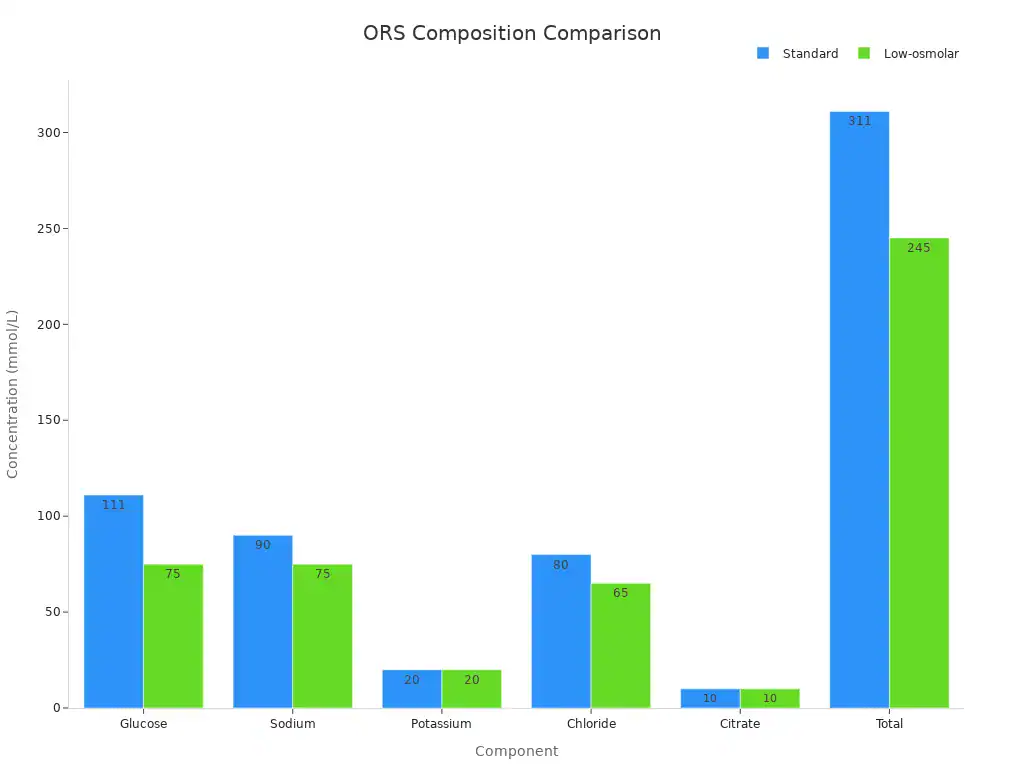
Oral rehydration solutions (ORS) are very effective for rehydration. They contain a specific mix of salts and sugar. This mix helps your body absorb water better. You can buy ORS packets or make your own. Here is what a good ORS contains:
Gradual Fluid Intake
You should drink fluids slowly. Do not try to drink a lot all at once. Your body absorbs small amounts better.
Offer small, frequent amounts of fluids.
Gradually increase fluid amount as tolerated. If you are an older adult, drink small amounts throughout the day. Avoid drinking large quantities at one time. This gentle approach helps your body adjust. It prevents stomach upset.
Avoiding Sugary Drinks
You might think sugary drinks help with rehydration, but they do not. Sugary drinks can actually make dehydration worse. Dr. Sarah Chen, a nutrition specialist, explains, “It’s like putting saltwater on a plant – the cells actually lose water rather than absorb it.”
Sugary drinks have high levels of glucose and fructose. Your body pulls water from your cells to process these sugars. This process, called osmosis, leaves your cells even less hydrated. The more sugar in a drink, the more water your body must use to digest it. This can lead to a cycle:
Initial sugar rush enters bloodstream.
Body pulls water from cells to process sugar.
Increased thirst signals from dehydrated cells.
Craving for more drinks develops.
Cycle repeats, leading to further dehydration.
Choosing plain water or ORS is always better for effective rehydration.
Effective Prevention Strategies
You can prevent dehydration by adopting smart habits. These strategies help you maintain proper hydration.
Recommended Daily Fluid Intake
You need to drink enough fluids every day. Your body constantly uses water for many functions. The amount you need depends on factors like your activity level and climate. Here are general daily total water intake recommendations:
Group | Recommended Daily Total Water Intake (Liters) | Recommended Daily Total Water Intake (Ounces) |
|---|---|---|
Adult Men | 3.7 | 125 |
Adult Women | 2.7 | 91 |
You should aim to meet these guidelines. This helps prevent dehydration.
Hydration During Exercise
You must pay close attention to hydration when you exercise. Your body loses fluids through sweat. For moderate exercise lasting 60 minutes, you should consume 8 to 16 ounces of water per hour. Athletes should aim to consume ½ to ¾ of their sweat rate.
For instance, if your sweat rate is 1 liter per hour, you should drink 500 to 750ml of water per hour during exercise. The International Marathon Medical Directors Association and the American College of Sports Medicine recommend a fluid intake rate of 400 to 800 mL/h during endurance exercise.
You should also consume less than 700 mL/h to minimize the risk of exercise-associated hyponatremia. For youth athletes, you should drink at least 4-6 ounces of fluid every 15-20 minutes during vigorous exercise. Reduce this slightly for less vigorous activity.
Staying Hydrated In Hot Weather
Hot weather increases your risk of dehydration. You sweat more, losing essential fluids. You should drink fluids frequently without waiting for the feeling of thirst. Thirst is a sign your body is already starting to dehydrate. Carry a water bottle with you. Drink water consistently throughout the day.
Monitoring Fluid Intake
You can actively monitor your fluid intake. This helps ensure you drink enough.
Active Methods: You can use a fluid balance chart. This self-reporting tool tracks the time, approach (e.g., oral), and amount of fluid input. You can complete this chart yourself.
Passive Methods: Technology offers automatic tracking. Smart containers, like a ‘Playful Bottle,’ detect drinking actions and estimate fluid levels. Other passive methods include wearable sensors. These tools help you stay on track with your hydration goals.
You now understand the critical importance of recognizing urgent warning signs of dehydration. You have learned to identify key symptoms and the necessity of prompt action. Prioritize hydration as a fundamental aspect of your overall health. If you suspect severe dehydration or have persistent concerns, seek medical advice immediately. Your well-being depends on it.